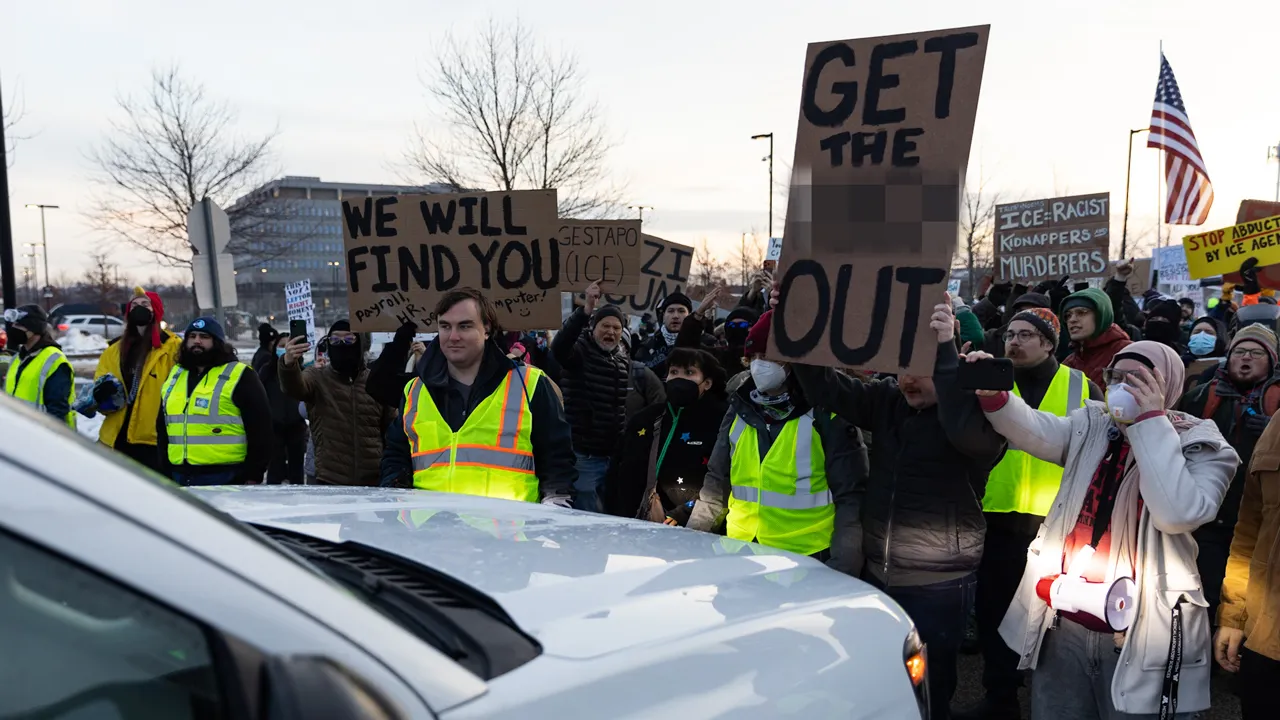
Federal agents stormed commercial properties across Minnesota in a coordinated series of early-morning raids, signaling a major escalation in an ongoing fraud investigation. Businesses in Minneapolis, St. Paul, and Rochester were among those served with federal search warrants, their operations abruptly halted as agents from the FBI, IRS Criminal Investigation, and Department of Justice seized records, digital devices, and financial documents.
These raids aren’t isolated incidents. They indicate a broader federal crackdown on suspected financial misconduct—potentially involving tax fraud, payroll fraud, government benefit abuse, or fraudulent contracting. Unlike state-level probes, federal investigations carry deeper resources, broader jurisdiction, and steeper penalties, making the stakes especially high for any business caught in their crosshairs.
The Scope and Scale of the Raids
The raids spanned at least seven business locations, including staffing agencies, construction firms, and healthcare service providers. While official charges have not yet been filed, law enforcement sources confirm that the probe centers on a network of companies allegedly involved in a multi-year scheme to defraud federal programs.
One notable target was a Twin Cities-based staffing agency with over 300 employees. Federal agents arrived before sunrise, cordoning off the building and restricting access for hours. Witnesses reported agents removing dozens of file boxes and hard drives. According to insiders, investigators are examining payroll records, subcontractor agreements, and false claims for federal work certifications.
Another operation hit a medical billing company in Rochester, near the Mayo Clinic campus. The DOJ has previously targeted similar organizations for upcoding services, billing for non-rendered care, or submitting claims under stolen provider credentials—tactics that siphon millions from Medicare and Medicaid.
Such coordinated raids suggest a task force approach, where federal, state, and local agencies pool intelligence and operational resources. It’s a hallmark of complex white-collar cases where evidence trails cross jurisdictional boundaries.
Key Federal Agencies Leading the Investigation
When multiple federal agencies appear simultaneously on-site, it signals both the seriousness and complexity of the case. The primary players in these Minnesota raids include:
FBI (Federal Bureau of Investigation) Responsible for executing search warrants and gathering evidence of criminal conduct. The FBI often leads investigations involving wire fraud, mail fraud, and conspiracy. Their presence indicates that electronic communications—emails, texts, cloud data—may be central to the case.
IRS Criminal Investigation (IRS-CI) Specializes in financial crimes tied to tax evasion, fraudulent tax filings, and misuse of payroll systems. If businesses are suspected of underreporting income, inflating deductions, or running shell entities, IRS-CI will play a lead role.
Department of Justice (DOJ), via U.S. Attorney’s Office While not executing raids directly, the DOJ oversees federal prosecutions. Assistant U.S. Attorneys in Minnesota are likely already reviewing seized materials to determine whether to issue indictments.
Department of Labor (DOL) – Office of Inspector General If worker misclassification or wage theft is suspected—such as labeling full-time employees as independent contractors—the DOL may be involved in coordination with federal prosecutors.
U.S. Postal Inspection Service Sometimes included when fraud involves mailed documents or communications, as mail fraud is a federal offense even if the underlying fraud is small.
This multi-agency involvement underscores a growing trend: federal crackdowns on business fraud are no longer siloed. Investigators use data analytics, whistleblower tips, and inter-agency databases to identify patterns across industries.
What Triggers a Federal Raid?
Businesses don’t wake up to federal agents without warning signs. Most raids follow months—or even years—of covert investigation. Common triggers include:
- Whistleblower complaints: Employees or former employees submitting tips via DOJ or IRS channels.
- Anomalies in tax filings: Unusual deductions, inconsistent revenue reporting, or sudden spikes in payroll expenses.
- Suspicious government benefit claims: Pandemic relief funds (like PPP loans), EIDL grants, or unemployment insurance abuse are under heightened scrutiny.
- Cross-referenced audits: When multiple agencies flag the same entity during routine reviews.
- Third-party data leaks: Breaches at accounting firms, payroll processors, or cloud services can expose irregularities.
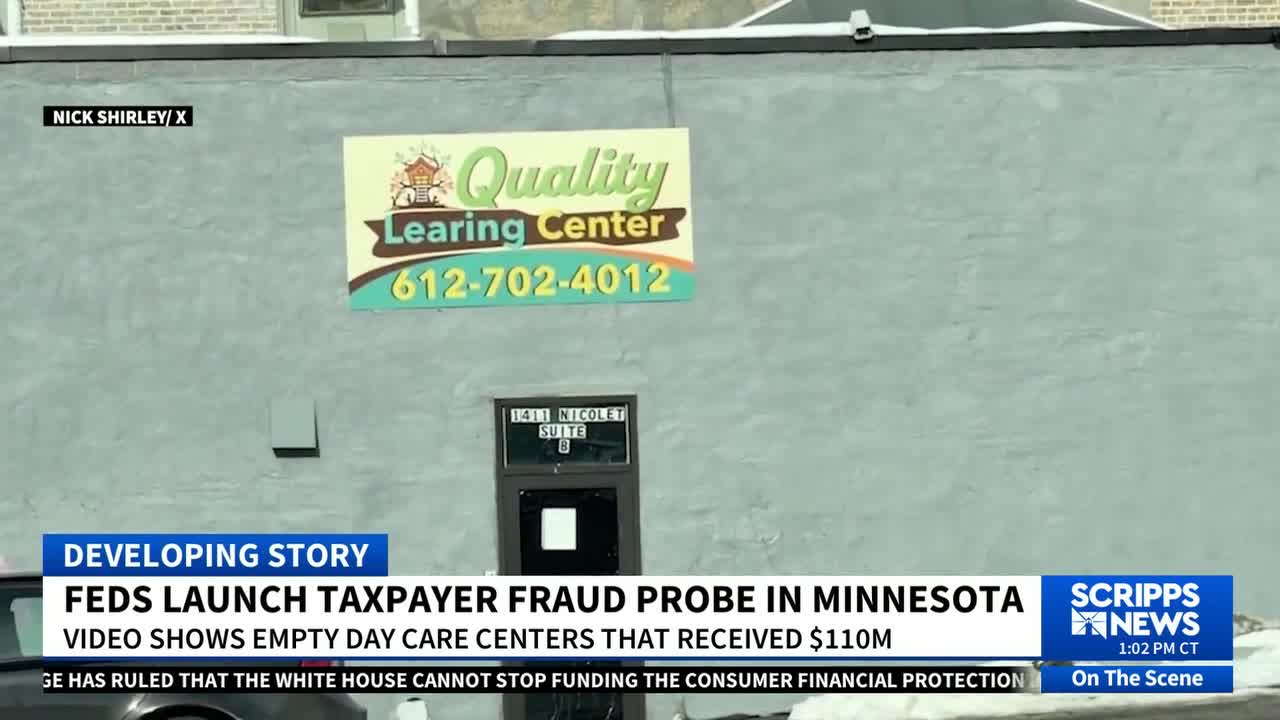
One staffing agency under investigation reportedly received over $2.5 million in PPP loans. Investigators are now examining whether those funds were diverted to personal accounts or used to cover unrelated business debts—both potential violations of federal law.
Another red flag: businesses with multiple EINs (Employer Identification Numbers) operating under similar names at the same address. This structure can indicate shell companies used to inflate claims or launder money.
Federal prosecutors know that timing is critical. They raid before suspects can destroy evidence. That’s why search warrants are executed at dawn, often on weekdays when staff are present to answer questions.
Legal Consequences for Businesses and Executives
Being raided doesn’t mean guilt—but it dramatically increases legal exposure. Once federal agents seize documents and digital data, prosecutors begin building a case that could lead to:
- Federal criminal charges (e.g., wire fraud, money laundering, conspiracy)
- Civil penalties (fines, asset forfeiture, debarment from government contracts)
- Loss of business licenses
- Personal liability for executives and owners
For example, under 18 U.S.C. § 1343 (Wire Fraud), a conviction can carry up to 20 years in federal prison and fines of $250,000 (or $500,000 for organizations). If the fraud involves a financial institution, penalties are even harsher.
Executives should understand that “I didn’t know” is rarely a viable defense. Federal prosecutors use the willful blindness doctrine—if leadership ignored red flags or failed to implement proper oversight, they can still be charged.
One Minnesota business owner, whose company was raided last year in a separate fraud case, said: “We thought we were compliant. But we didn’t have internal audits. We didn’t question our accountant. Now I’m facing five years and a $1M fine.”
How Businesses Can Respond After a Raid
If federal agents serve a search warrant, immediate action is critical. Delaying or mishandling the aftermath can compound legal risks.
Do: - Cooperate with agents during the search but do not volunteer information. - Immediately contact criminal defense counsel experienced in federal white-collar cases. - Preserve all communications related to the investigation. - Notify your insurance carrier if you have D&O (Directors & Officers) liability coverage. - Prepare employees for potential interviews or subpoenas.
Don’t: - Attempt to access or delete digital files after the raid—even remotely. - Contact co-owners or employees to coordinate stories. - Speak to the media or post about the raid on social media. - Resume normal operations without legal review.
In one case, a Minnesota contractor resumed billing government projects the day after a raid. Federal prosecutors later used that as evidence of consciousness of guilt—a factor that can influence jury perception.
Preventing Federal Scrutiny: Proactive Compliance Steps
Avoiding a raid starts long before agents show up. Proactive compliance reduces risk and demonstrates good faith if investigated.
1. Conduct Regular Internal Audits Review payroll, tax filings, and government contract reporting quarterly. Look for duplicate payments, inflated hours, or mismatched vendor records.
2. Train Leadership on Fraud Red Flags Owners and managers should recognize warning signs: employees resisting oversight, unexplained cash flows, or reluctance to take vacation (a common trait among fraudsters).
3. Implement Whistleblower Policies Create anonymous reporting channels. The DOJ favors companies that self-report and cooperate.
4. Use Third-Party Compliance Reviews Hire external auditors to assess financial controls, especially if you handle federal funds.
5. Document Everything Retain records for at least seven years. Cloud backups should be secure and version-tracked.
One Minnesota healthcare provider avoided federal charges after a tip led to an internal probe. They discovered billing errors, self-reported to the DOJ, repaid $400,000, and implemented new controls. The result? No charges filed.
Real-World Impact on Local Business Climate
These raids send shockwaves through Minnesota’s business community. Even companies not under investigation may face:
- Increased scrutiny from banks and lenders
- Lost client trust, especially in regulated industries
- Higher insurance premiums
- Difficulty securing government contracts
Staffing agencies and small contractors report that some clients are now demanding additional compliance documentation—proof of payroll audits, tax clearance letters, or certification of no pending investigations.
Local chambers of commerce have responded by hosting fraud prevention workshops. The Minnesota Department of Employment and Economic Development (DEED) has also increased outreach to help businesses understand federal compliance requirements.
But the message from federal authorities is clear: abuse of public programs will not go unpunished. With inflation and tightened budgets, accountability is now a top priority.
Conclusion: Vigilance Is Non-Negotiable
Federal raids on Minnesota businesses over fraud allegations are not anomalies—they’re symptoms of a broader enforcement strategy. As government programs grow more complex, so do the opportunities for abuse. Federal agencies are responding with sharper intelligence, faster coordination, and more aggressive tactics.
For business leaders, the takeaway is straightforward: compliance isn’t optional. It’s a survival strategy. Whether you’re a sole proprietor or run a multi-location firm, proactive oversight, transparent recordkeeping, and swift response to red flags can mean the difference between a warning letter and a federal indictment.
If your business operates in a high-risk sector—healthcare, construction, staffing, government contracting—assume you’re on someone’s radar. Audit now. Consult legal counsel. Fix issues before they become federal cases.
Because when the black SUVs pull up at dawn, it’s already too late to start playing by the rules.
FAQ
What should I do if federal agents raid my business? Remain calm, do not obstruct agents, and immediately contact an attorney specializing in federal criminal defense. Do not speak to investigators without counsel present.
Can a business be charged with fraud even if the owner didn’t know? Yes. Under federal law, executives can be held liable for willful blindness or failure to supervise, especially if red flags were ignored.
How long does a federal fraud investigation take? Investigations can last months to years. Raids often occur late in the process, after substantial evidence has been gathered.
Are seized items returned after a raid? Sometimes. Items may be held as evidence. You can petition for return, but the process is complex and requires legal representation.
What types of fraud are federal agents targeting in Minnesota? Common targets include PPP loan fraud, payroll fraud, Medicare/Medicaid billing fraud, and contractor fraud involving federal grants.
Can a raided business stay open? Yes, unless charged or enjoined by court. However, reputational damage and lost contracts may force closure.
Do federal raids always lead to charges? No. Raids are investigative tools. Charges depend on evidence. Some businesses are cleared after review.
FAQ
What should you look for in Federal Raids Target Minnesota Businesses in Fraud Probe? Focus on relevance, practical value, and how well the solution matches real user intent.
Is Federal Raids Target Minnesota Businesses in Fraud Probe suitable for beginners? That depends on the workflow, but a clear step-by-step approach usually makes it easier to start.
How do you compare options around Federal Raids Target Minnesota Businesses in Fraud Probe? Compare features, trust signals, limitations, pricing, and ease of implementation.
What mistakes should you avoid? Avoid generic choices, weak validation, and decisions based only on marketing claims.
What is the next best step? Shortlist the most relevant options, validate them quickly, and refine from real-world results.