Engineering isn’t just about equations and blueprints—it’s about solving real problems with practical skills. Ivy Tech Community College gets that. Across Indiana, students are turning to Ivy Tech engineering degrees not for theoretical fluff, but for tangible training that leads directly into well-paying, in-demand careers. These aren’t traditional four-year engineering degrees, but engineering technology programs designed for immediate workforce impact.
If you're weighing options like a costly bachelor’s degree versus a faster, more affordable route into engineering-adjacent fields, Ivy Tech offers a compelling alternative. The programs focus on applied learning, certifications, and strong industry partnerships—making them ideal for hands-on learners, career switchers, and those who want to start earning sooner.
Here’s what you need to know about Ivy Tech engineering degrees, from program structure to career outcomes and how they stack up in today’s job market.
What Ivy Tech Engineering Degrees Actually Are
Ivy Tech offers associate degrees in Engineering Technology, not ABET-accredited engineering degrees (like Mechanical or Electrical Engineering from a university). That distinction matters.
These are two-year programs grounded in applied science and technical execution. While traditional engineers often focus on design and theory, engineering technologists focus on implementation, troubleshooting, and operation. Think of it as the difference between designing a robot and programming or maintaining it on a production line.
Key programs available include: - Electrical Engineering Technology (A.S.) - Mechanical Engineering Technology (A.S.) - Civil Engineering Technology (A.S.) - Computer Engineering Technology (A.S.) - Automation and Control Engineering Technology (A.S.)
These degrees are designed with input from local industries—manufacturing, construction, energy, and advanced automation—ensuring students learn relevant, up-to-date skills.
Why Choose Ivy Tech Engineering Programs? For many, the appeal lies in accessibility, affordability, and alignment with Indiana’s industrial economy.
Fast and Affordable Pathway Tuition at Ivy Tech runs roughly $4,000–$6,000 per year for in-state students—dramatically lower than four-year institutions. Students can complete a full associate degree in two years or even less with accelerated tracks.
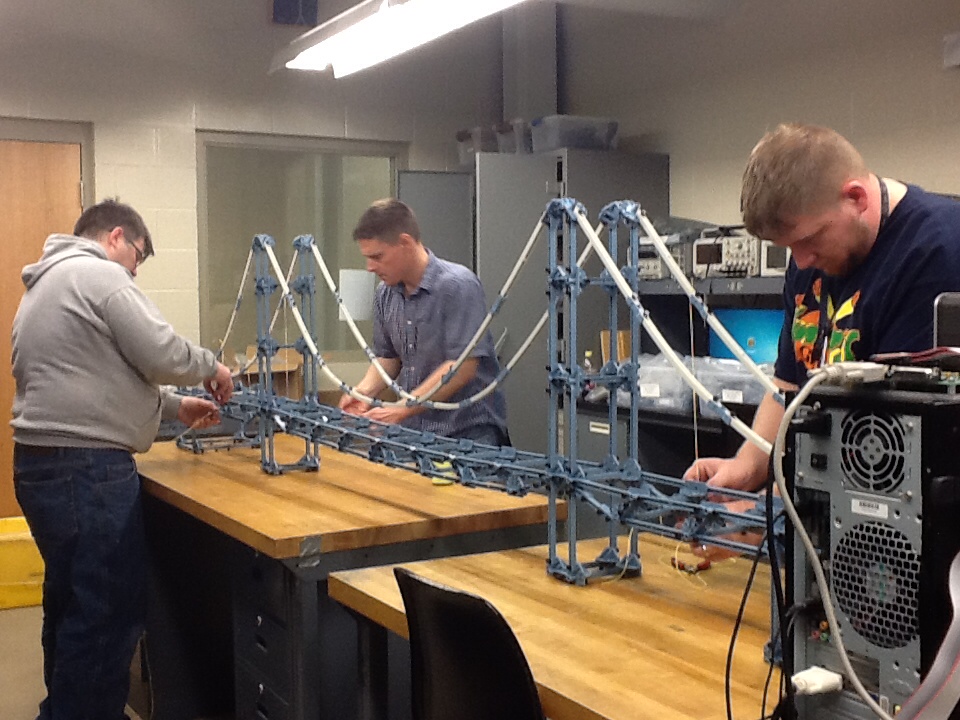
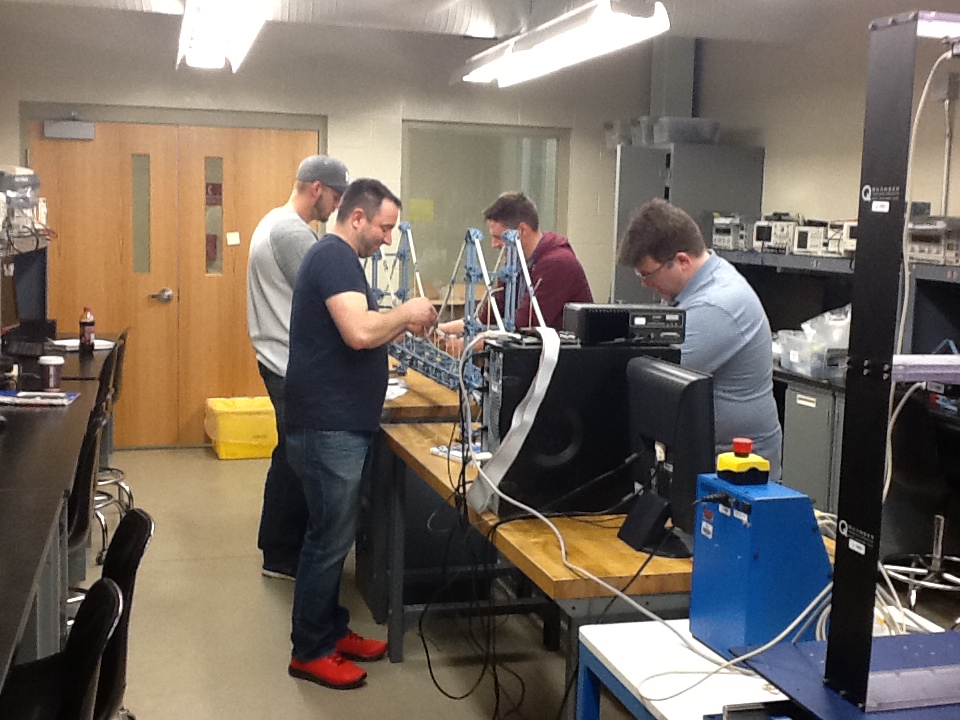
Hands-On Learning from Day One Classrooms are equipped with industry tools: CNC machines, PLC trainers, circuit labs, CAD workstations. Students don’t just learn theory—they wire control panels, design HVAC systems, draft structural plans, and troubleshoot real automation systems.
Industry Partnerships That Lead to Jobs Ivy Tech works directly with companies like Cummins, Subaru of Indiana, Duke Energy, and Eli Lilly. These relationships feed into internship pipelines, co-ops, and direct hiring. Some campuses host “hiring days” where employers recruit straight from lab sessions.
Stackable Credentials Students earn certifications alongside their degrees—such as OSHA 30, Autodesk Certified User, or IPC standards—which boost employability before graduation.
“I finished the Automation program in 18 months. Got hired at a robotics integrator before my capstone was graded.” – Former student, Ivy Tech Columbus
How the Programs Work: Curriculum and Specializations
Each engineering technology program blends general education with core technical coursework. Here’s a breakdown of what you’ll actually study.
#### Mechanical Engineering Technology Focuses on design, manufacturing, and mechanical systems.
Common Courses: - Engineering Graphics (CAD using SolidWorks or AutoCAD) - Materials and Processes - Thermodynamics and Fluid Mechanics - Machine Design - CNC and Manufacturing Labs
Graduates often land roles as mechanical designers, CAD technicians, or manufacturing support specialists.
#### Electrical Engineering Technology Covers circuits, power systems, and electronic controls.
Common Courses: - DC/AC Circuits - Digital Electronics - Microcontrollers - Power Distribution - Motor Controls
Students frequently find work as electrical technicians, control system installers, or field service techs.
#### Automation and Control Engineering Technology One of the most in-demand tracks, especially with Indiana’s push into smart manufacturing.
Common Courses: - Programmable Logic Controllers (PLCs) - Robotics Integration - Process Control Systems - Sensor Technology - Industrial Networking
This program lines up perfectly with roles in automation, maintenance, and systems integration—fields seeing double-digit growth in the Midwest.
#### Civil Engineering Technology Prepares students for infrastructure and construction projects.
Common Courses: - Surveying - Structural Analysis - Construction Materials - CAD for Civil Design - Project Estimating
Graduates often work as civil CAD techs, surveying assistants, or project coordinators for engineering firms or DOT contractors.
Each program includes a capstone project—students solve a real-world problem for a local business or simulate a full design-build cycle.
Who These Degrees Are Best For
Ivy Tech engineering degrees aren’t for everyone. But they excel for specific types of learners and career goals.
Ideal for: - High school grads wanting to skip massive student debt - Veterans using GI Bill benefits for technical training - Career changers from fields like trades, retail, or logistics - Technicians already working who want credentials and advancement - Students planning to transfer later to a four-year school
Less ideal for: - Those aiming to become licensed Professional Engineers (P.E.), which typically requires a four-year ABET-accredited engineering degree - Individuals who prefer purely theoretical or research-driven work - Anyone set on a specific engineering discipline not covered (e.g., aerospace, chemical)
Common Mistake: Enrolling without checking transfer pathways. While Ivy Tech degrees can transfer, not all credits do—especially into competitive engineering schools. Students planning to pursue a bachelor’s should use the STARS Transfer System and consult advisors early.
Real-World Outcomes: Jobs and Salaries
Graduates don’t wait long to get hired. Most programs report 75–85% placement rates within six months of graduation.
Typical Entry-Level Roles and Pay (Indiana and Midwest):
| Role | Avg. Starting Salary | Common Employers |
|---|---|---|
| Engineering Technician | $45,000–$55,000 | Manufacturing firms, utilities |
| Automation Technician | $50,000–$65,000 | Robotics integrators, auto plants |
| CAD Designer | $40,000–$52,000 | Engineering consultancies |
| Electrical Tech | $48,000–$60,000 | Construction, industrial maintenance |
| Field Service Engineer | $55,000–$70,000 | Equipment vendors, OEMs |
Many employers promote from within—starting as a tech and moving into lead or engineering roles with experience and additional certifications.
Transfer Options: Can You Go Further?
Yes—but with strategy.
Several Indiana universities accept Ivy Tech engineering technology credits into applied engineering or technology management bachelor’s programs. These are not mechanical engineering degrees, but they open doors to higher-level roles in project management, supervision, or systems coordination.
Common Transfer Paths: - Purdue University (Online and Regional Campuses): B.S. in Organizational Leadership and Supervision or Interdisciplinary Engineering Technology - IUPUI: B.S. in Engineering Technology - Vincennes University: B.S. in Advanced Manufacturing - Indiana State University: B.S. in Applied Design
These programs are designed for working adults and often accept 60+ credits from Ivy Tech. However, if your goal is a traditional engineering degree (Mechanical, Electrical, Civil), you’ll likely need to start over or complete significant additional coursework.
Pro Tip: Use the Indiana Transfer Portal to map every course. Some students dual-enroll at Ivy Tech and a university to optimize credit flow.
Practical Tips for Succeeding in the Program
Getting through isn’t just about academics—it’s about workflow, tools, and mindset.
1. Master the Software Early You’ll use CAD (AutoCAD, SolidWorks), PLC simulators (RSLogix, Studio 5000), and circuit design tools (Multisim). Many students fall behind because they wait until assignments hit. Use free student licenses and practice weekly.
2. Join SkillsUSA or IEEE Student Chapters These build soft skills, resume lines, and networking. Ivy Tech teams regularly compete in robotics and design challenges—with travel funded by the college.
3. Get Lab Time Outside Class The best technicians aren’t just classroom learners. Book lab time, rebuild motors, wire panels, or debug old equipment. Instructors often let students “tinker” during open hours.
4. Treat Your Capstone Like a Job Interview Potential employers review capstone projects. Document your process, create clean presentations, and practice explaining your work. Many hires come directly from these final presentations.
5. Line Up an Internship by Year One Don’t wait. Many companies hire interns from sophomore cohorts. Check Ivy Tech’s job board, attend career fairs, and ask instructors for leads.
Final Verdict: Are Ivy Tech Engineering Degrees Worth It? For the right person, absolutely.
If your goal is to enter a stable, technical career with growth potential—without six-figure debt—Ivy Tech engineering technology degrees deliver. They’re not a shortcut, but a smart, focused alternative to traditional college.
They won’t make you a design engineer at NASA. But they will train you to install, maintain, optimize, and support the systems that keep factories running, power grids stable, and automation lines efficient.
And in Indiana’s industrial economy, that’s valuable. Very valuable.
Take action: Visit your nearest Ivy Tech campus, sit in on a lab session, talk to current students, and ask employers at career fairs how they view Ivy Tech grads. The proof isn’t in the brochure—it’s in the job offers.
FAQ
What’s the difference between engineering and engineering technology at Ivy Tech? Engineering focuses on design and theory, usually requiring a four-year degree. Ivy Tech offers engineering technology, which emphasizes hands-on application, troubleshooting, and implementation in real-world settings.
Can I become a licensed engineer with an Ivy Tech degree? Not directly. Becoming a Professional Engineer (P.E.) requires an ABET-accredited bachelor’s degree in engineering. However, Ivy Tech grads can work as engineering technicians and may transfer into applied engineering bachelor’s programs.
How long does it take to complete an engineering tech degree at Ivy Tech? Most students finish in two years full-time. Accelerated and part-time options are available, with some completing in 18 months.
Are online options available for engineering technology programs? Some courses are offered online, but labs and hands-on training require on-campus attendance. Fully online degrees aren’t available due to the technical nature of the work.
What certifications can I earn alongside my degree? Common ones include OSHA 30, Autodesk Certified User, IPC Electronics Assembly, and Rockwell Automation certifications for PLCs.
Do employers hire Ivy Tech engineering tech graduates? Yes. Major Indiana employers like Cummins, Subaru, and Duke Energy actively recruit from Ivy Tech due to the practical skills and readiness of graduates.
Can I transfer my credits to a four-year university? Yes, through Indiana’s STARS system. Credits often transfer into applied engineering or technology management bachelor’s programs at schools like Purdue, IUPUI, and Indiana State.
FAQ
What should you look for in Ivy Tech Engineering Degrees for Real-World Careers? Focus on relevance, practical value, and how well the solution matches real user intent.
Is Ivy Tech Engineering Degrees for Real-World Careers suitable for beginners? That depends on the workflow, but a clear step-by-step approach usually makes it easier to start.
How do you compare options around Ivy Tech Engineering Degrees for Real-World Careers? Compare features, trust signals, limitations, pricing, and ease of implementation.
What mistakes should you avoid? Avoid generic choices, weak validation, and decisions based only on marketing claims.
What is the next best step? Shortlist the most relevant options, validate them quickly, and refine from real-world results.