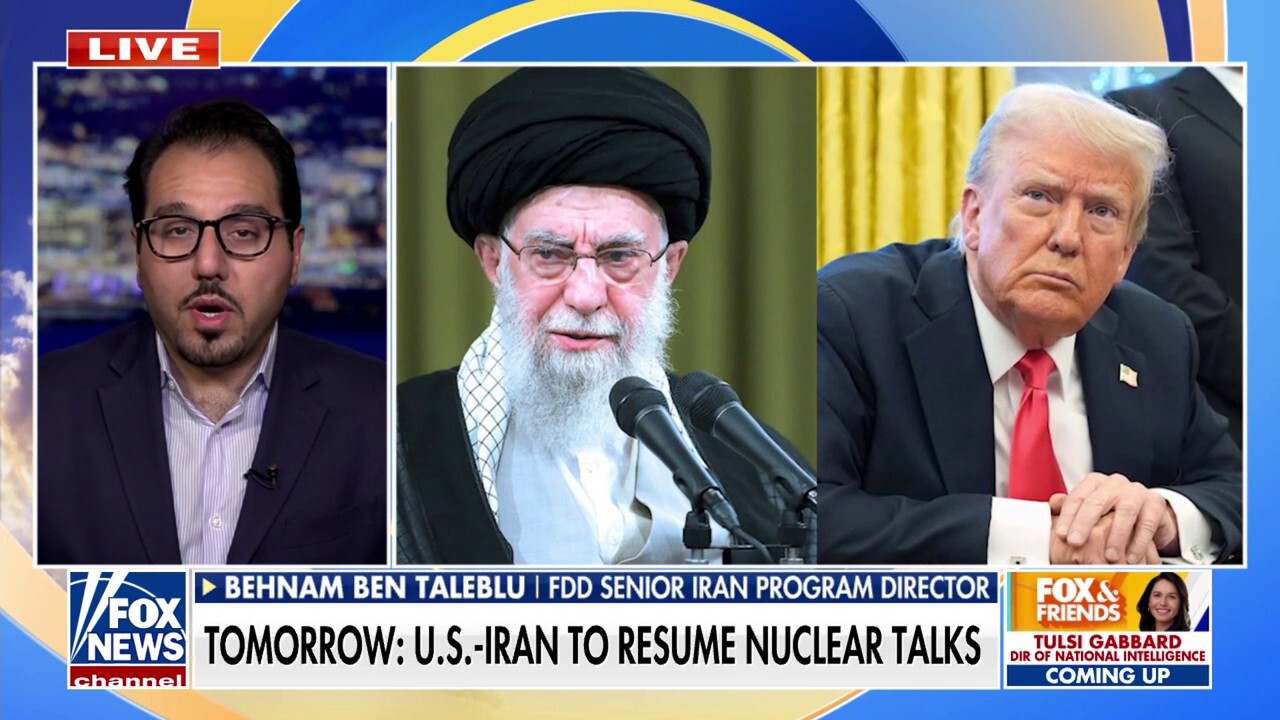
Iran is moving fast—and quietly—on the diplomatic front. While much of the world focuses on rhetoric from Washington, Tehran has been rebuilding bridges across Asia, Europe, and the Global South. At the same time, Donald Trump continues to assert that “the U.S. holds all the cards,” echoing his administration’s maximalist pressure campaign. But reality on the ground tells a more complex story: one where diplomacy is no longer a one-way street, and power is more diffused than any single claim suggests.
This isn’t just about optics. Iran’s flurry of recent diplomatic activity—from high-level visits to Baghdad, Muscat, and Beijing to re-engagement with the EU on nuclear talks—signals a strategic recalibration. And while Trump insists American leverage remains dominant, the shifting alliances and regional realignments suggest otherwise. The question isn’t just who holds the cards, but who’s actually playing the right hand.
The Scope of Iran’s Diplomatic Push
Over the past six months, Iran has launched one of its most aggressive diplomatic offensives in years. President Ebrahim Raisi and Foreign Minister Hossein Amir-Abdollahian have logged over a dozen official trips, targeting both traditional allies and fence-sitters.
Key developments include: - A reconciliation agreement brokered with Saudi Arabia, facilitated by China - Renewed talks with France and Germany on reviving the JCPOA (Iran nuclear deal) - Strategic energy and infrastructure pacts signed with Pakistan and Iraq - Expansion of military and economic cooperation with Russia and China
What’s notable isn’t just the volume of activity, but the shift in tone. Gone are the days of isolationist defiance. Instead, Iran is positioning itself as a regional stabilizer—a pivot made possible by regional fatigue with U.S. unpredictability and the vacuum left by American strategic retrenchment.
Take the China-brokered Saudi-Iran deal. Once unthinkable, it has redefined Gulf diplomacy. Iran didn’t just accept the agreement—it embraced it as a win, using it to showcase its ability to operate beyond Western influence. That’s not reactive diplomacy. That’s statecraft with long-term vision.
Trump’s “We Hold the Cards” Narrative—Fact or Fiction?
Donald Trump’s repeated assertion that “the U.S. has the cards” stems from his 2018 “maximum pressure” campaign—the unilateral withdrawal from the JCPOA, reimposition of crushing sanctions, and assassination of Qasem Soleimani in 2020. At the time, the strategy appeared to corner Tehran.
But time has diluted that leverage.
Yes, U.S. sanctions remain a significant economic burden. Iranian oil exports hover around 1.2 million barrels per day—down from pre-sanction highs—but Tehran has adapted. It now relies on shadow fleets, barter deals, and overland smuggling through Iraq and Turkey. China alone buys over 80% of Iran’s oil exports, often under opaque invoicing.
Moreover, U.S. influence in the region has waned. The withdrawal from Afghanistan, reduced military presence in Syria, and inconsistent messaging on Israel-Palestine have eroded trust among traditional allies. Countries like Qatar, Oman, and even UAE are hedging—maintaining ties with Washington while deepening economic and security links with Tehran.
Trump’s claim assumes that economic pressure equals strategic control. But in geopolitics, pressure without a coherent endgame often backfires. Iran’s response hasn’t been capitulation—it’s been diversification.

“Sanctions are a tool, not a strategy. When they’re not paired with diplomacy, they harden resistance.” — Former State Department Iran analyst, speaking off-record
How Regional Powers Are Reacting
The Middle East is no longer a U.S.-centric order. Regional actors are making their own moves—many of which bypass Washington entirely.
Saudi Arabia: Pragmatism Over Ideology Once Iran’s chief regional rival, Saudi Arabia is now engaging Tehran directly. The rapprochement isn’t driven by love—it’s driven by cost. The war in Yemen drained Saudi resources, and with U.S. security guarantees feeling less reliable, Riyadh is opting for de-escalation.
The reopening of embassies in 2023 and coordination on oil output through OPEC+ show this isn’t symbolic. It’s structural.
China: The Quiet Power Broker China’s role cannot be overstated. By positioning itself as a neutral mediator, Beijing gains influence without entanglement. The Saudi-Iran deal boosted China’s global diplomatic brand—and gave it leverage over two of the world’s top oil producers.
China’s strategy is patient: build economic interdependence, avoid military entanglements, and position as the alternative to U.S. dominance. With $150+ billion in trade and investment deals signed with Iran since 2021, Beijing has long-term stakes.
Europe: Caught in the Middle European powers want the JCPOA revived—they see a nuclear-armed Iran as a threat. But they’re constrained by U.S. secondary sanctions and domestic politics.
Germany and France have pushed for “economic de-risking” from both the U.S. and Iran. Their approach? Quiet diplomacy, limited trade via INSTEX (the special-purpose vehicle for Iran transactions), and backchannel coordination with Washington. But progress is slow, and businesses remain wary.
Why Diplomacy Works Better Than Isolation
Iran’s current diplomatic surge reveals a broader truth: isolation rarely forces regime change. It often breeds resilience.
Consider North Korea. Decades of sanctions haven’t denuclearized Pyongyang—they’ve entrenched its nuclear program. Iran appears to be following a similar path, leveraging isolation to build domestic capacity and external alliances.
In contrast, diplomacy—even when messy—creates openings.
When the JCPOA was active (2016–2018), Iran’s uranium enrichment was capped at 3.67%, IAEA inspectors had access, and regional tensions cooled. There were violations and mistrust, but the framework worked.
The collapse of that deal didn’t stop Iran’s program—it accelerated it. Today, Iran enriches uranium to 60%, close to weapons-grade, and limits IAEA monitoring.
This isn’t proof that diplomacy failed. It’s proof that abandoning diplomacy failed.
The Risk of Overplaying Hand—For Both Sides
Trump’s insistence that “the U.S. has the cards” risks overconfidence. Cards only matter if you can play them effectively.
America’s hand includes: - Financial and military leverage - Intelligence networks - Alliances with Gulf states and Israel
But those assets lose value if not used strategically. Threats without follow-through erode credibility. Sanctions without off-ramps entrench defiance.
Meanwhile, Iran’s diplomatic gains come with risks: - Normalization with Saudi Arabia could alienate hardliners at home - Dependence on China creates long-term vulnerabilities - Re-engagement with Europe could be derailed by U.S. election outcomes
The most dangerous scenario? Miscalculation. If Washington assumes its pressure will inevitably break Tehran, and Tehran assumes diplomacy has neutralized U.S. threat, the gap in perception could spark crisis.
We’ve seen this before—in 2019, a series of tanker attacks and drone shoot-downs brought the two nations to the brink. Only last-minute backchannel talks prevented war.
What Comes Next: Three Realistic Scenarios

The path forward isn’t binary. Here are three plausible outcomes based on current trajectories.
1. Stalemate with Controlled Escalation (40% likelihood) Sanctions stay, diplomacy stalls, but both sides avoid direct conflict. Iran continues advancing its nuclear program incrementally; the U.S. responds with cyberattacks and targeted strikes on proxies. Regional tensions simmer but don’t boil over.
Use case: Similar to 2021–2023, under Biden’s “no first move” policy.
2. JCPOA Revival with Partial Sanctions Relief (30% likelihood) If Trump loses the 2024 election, a new administration could re-enter negotiations. Iran might agree to limit enrichment in exchange for eased oil and banking sanctions. But full normalization is unlikely—too much mistrust on both sides.
Limitation: Hardliners in Tehran and Washington would oppose any deal, creating implementation hurdles.
3. Regional Cold War Intensifies (30% likelihood) Diplomacy collapses. Iran accelerates toward nuclear weapons capability. Saudi Arabia and others pursue their own deterrents. China and Russia deepen military presence. The U.S. redeploys forces, increasing the risk of miscalculation.
Warning sign: Any Israeli strike on Iranian nuclear facilities could trigger this scenario overnight.
Closing: Strategy Over Slogans
“America has the cards” is a slogan—not a strategy. Power in international relations isn’t just about leverage; it’s about how you use it.
Iran’s diplomatic flurry isn’t a sign of weakness. It’s an adaptation to a multipolar world where influence is earned through engagement, not just coercion. The U.S. still has tools—economic, military, diplomatic—but they’re losing sharpness without a coherent plan.
For policymakers, the takeaway is clear: - Diplomacy must be persistent, not transactional - Sanctions need clear off-ramps and incentives - Regional allies won’t follow U.S. lead blindly—they’ll pursue their own interests
The future of U.S.-Iran relations won’t be decided by who shouts loudest, but by who listens, adapts, and builds sustainable leverage. The cards are on the table. Now it’s time to play them wisely.
Frequently Asked Questions
Why is Iran engaging in more diplomacy now? After years of isolation and economic strain, Iran is capitalizing on shifting global dynamics—especially U.S. retrenchment and China’s rising influence—to rebuild alliances and reduce regional hostility.
Did Trump’s “maximum pressure” campaign work? It inflicted economic damage but failed to change Iran’s behavior long-term. Instead, it pushed Iran closer to China and Russia and accelerated its nuclear program.
Can the Iran nuclear deal be revived? Possibly, but only under specific conditions: U.S. sanctions relief, Iranian compliance with IAEA inspections, and guarantees against future U.S. withdrawal.
How is China benefiting from Iran’s diplomacy? China gains strategic influence by brokering deals, secures energy supplies, and expands its Belt and Road Initiative—while positioning itself as an alternative to U.S. dominance.
What role are European countries playing? Europe wants to prevent nuclear proliferation and maintain trade, but is limited by U.S. sanctions. It’s pursuing quiet diplomacy and economic workarounds like INSTEX.
Is military conflict between the U.S. and Iran likely? Not in the near term, but the risk increases if diplomacy collapses or if Israel launches a strike on Iranian nuclear sites.
How are Gulf states responding to Iran’s outreach? Many, like Saudi Arabia and Oman, are pursuing détente to reduce regional tensions and focus on economic development, signaling a shift away from total reliance on U.S. security.
FAQ
What should you look for in Iran’s Diplomatic Surge Amid Trump’s Power Play Claims? Focus on relevance, practical value, and how well the solution matches real user intent.
Is Iran’s Diplomatic Surge Amid Trump’s Power Play Claims suitable for beginners? That depends on the workflow, but a clear step-by-step approach usually makes it easier to start.
How do you compare options around Iran’s Diplomatic Surge Amid Trump’s Power Play Claims? Compare features, trust signals, limitations, pricing, and ease of implementation.
What mistakes should you avoid? Avoid generic choices, weak validation, and decisions based only on marketing claims.
What is the next best step? Shortlist the most relevant options, validate them quickly, and refine from real-world results.