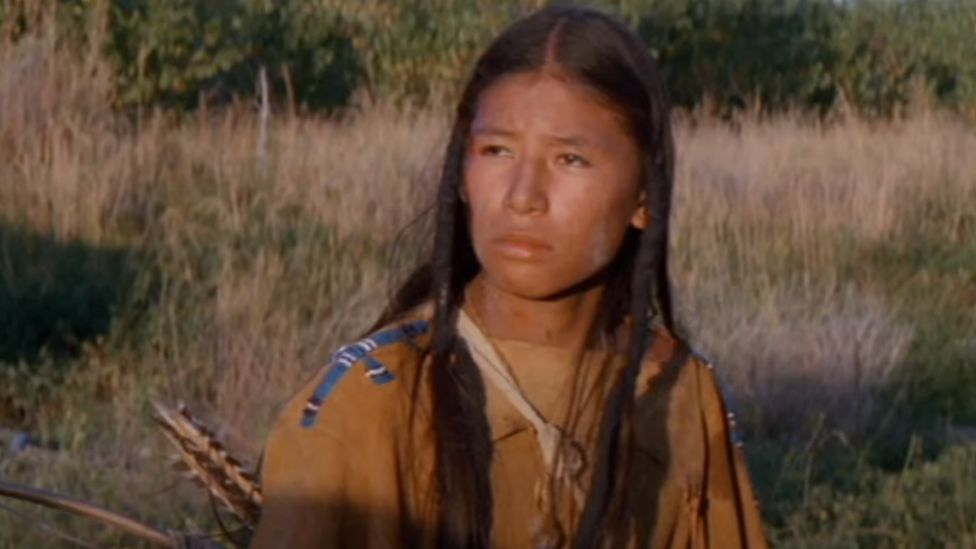
A South Dakota judge has sentenced Nathan Chasing Horse, the Native American actor best known for his breakout role in Dances with Wolves, to life in prison on charges stemming from a years-long pattern of sexual abuse and trafficking of minors. The sentencing marks a grim end to a decades-long descent from Hollywood acclaim to criminal conviction, underscoring the justice system’s growing resolve to hold powerful figures accountable—even those whose fame originated in narratives of cultural authenticity and Indigenous representation.
The case has drawn national attention not only for its severity but for the symbolic fall of a man once celebrated as a bridge between Native stories and mainstream cinema.
From Oscar-Winning Film to Federal Prison
Nathan Chasing Horse rose to fame at just 14 years old, portraying the Lakota boy “Smiles A Lot” in Kevin Costner’s 1990 epic Dances with Wolves. The film, which won seven Academy Awards including Best Picture, was lauded for its respectful portrayal of Lakota culture and featured a significant amount of dialogue in the Lakota language—a rarity in Hollywood at the time.
Chasing Horse, a member of the Sicangu Lakota tribe from the Rosebud Indian Reservation, was seen as a symbol of authentic Indigenous representation. His performance opened doors, leading to roles in other films and documentaries focused on Native American life and spirituality.
But behind the scenes, prosecutors say, Chasing Horse was building a pattern of predatory behavior disguised under the guise of spiritual mentorship and cultural authority.
The Charges: Exploitation Masked as Tradition
In 2023, federal authorities arrested Chasing Horse on multiple counts related to sex trafficking, sexual abuse of minors, and assault. According to court documents, Chasing Horse lured vulnerable young girls—some as young as 12—by positioning himself as a spiritual leader and cultural guide. He allegedly used traditional ceremonies and promises of belonging to manipulate them into sexual relationships.
The indictment detailed how Chasing Horse transported victims across state lines, including to New Mexico and Utah, where he continued the abuse. Prosecutors presented testimonies from several victims who described being isolated from family, coerced into drug use, and subjected to repeated sexual violence.
One victim stated in court: “He told me I was chosen by the spirits. That if I loved my culture, I had to submit. But it wasn’t about culture. It was about control.”
Authorities emphasized that Chasing Horse weaponized his public image and cultural credibility to evade scrutiny for years.
The Trial: Victims Speak, Evidence Mounts
The trial, held in Rapid City, South Dakota, lasted six weeks and featured emotional testimony from survivors, forensic evidence, and digital records showing communication between Chasing Horse and victims. Investigators uncovered explicit photos, text messages, and travel logs that supported the trafficking charges.
Defense attorneys attempted to frame the relationships as consensual, arguing that some victims were legally adults during parts of the abuse. However, prosecutors countered that the power imbalance—rooted in age, spiritual authority, and cultural manipulation—rendered any consent invalid.
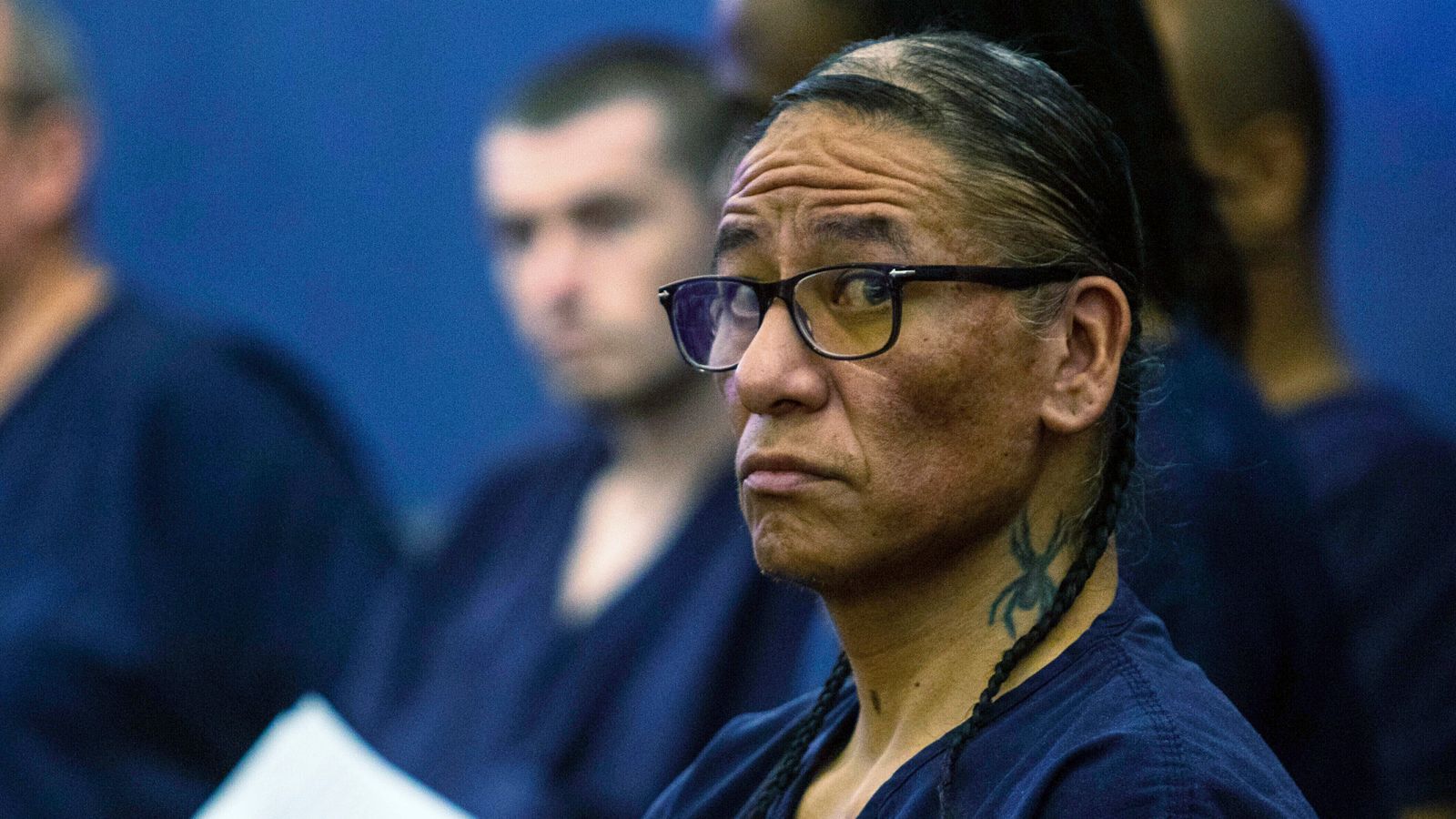
Judge Roberto Lange, overseeing the case, condemned Chasing Horse’s exploitation of Indigenous traditions. “You didn’t honor your culture,” Lange said during sentencing. “You corrupted it to serve your own predatory agenda.”
The jury found Chasing Horse guilty on all counts, including: - Sex trafficking of a minor - Interstate transportation of a minor for illegal sexual activity - Sexual abuse of a minor - Assault resulting in serious bodily injury
Life Behind Bars: The Sentence and Its Significance
In a packed courtroom, Judge Lange handed down a life sentence without the possibility of parole—a rare but fitting punishment given the severity and duration of the crimes.
“This wasn’t a single lapse in judgment,” the judge stated. “This was a calculated, ongoing campaign of exploitation against some of the most vulnerable members of your own community.”
The sentence reflects a broader trend in federal courts to impose harsh penalties in cases involving the sexual exploitation of minors, particularly when spiritual or cultural authority is weaponized. It also signals a reckoning within Indigenous communities, where historical trauma, systemic under-resourcing, and lack of law enforcement infrastructure have often allowed abusers to operate with impunity.
Advocates for Native youth survivors say the verdict is long overdue. “Too many predators hide behind ceremonial roles,” said Sarah Mound, a Lakota advocate with the National Indigenous Women’s Resource Center. “This sentence sends a message: spiritual authority is not a shield. It’s a responsibility.”
A Pattern of Power Abuse in Indigenous Communities
Chasing Horse’s case is not isolated. Over the past decade, several high-profile figures in Native American communities have faced similar allegations—shamans, tribal leaders, and cultural educators accused of using their status to sexually exploit minors.
What makes these cases especially insidious is the layer of cultural reverence that often protects perpetrators. In tight-knit communities, questioning a spiritual leader can be seen as disrespectful—or even sacrilegious. Victims may fear being ostracized or disbelieved, especially if the accused is a public figure.
Chasing Horse’s celebrity compounded this issue. His Hollywood ties gave him visibility and credibility far beyond the reservation. He appeared in documentaries, hosted cultural workshops, and even claimed ties to international spiritual networks—all of which helped him recruit and manipulate victims.
Law enforcement officials stress the need for better reporting mechanisms and trauma-informed investigations in tribal jurisdictions. “We can’t arrest our way out of this,” said FBI Special Agent Lisa Trujillo, who led the investigation. “But we can support communities in holding abusers accountable—no matter how famous they are.”
The Impact on Native Representation in Media
The fallout from Chasing Horse’s conviction also raises difficult questions about how Indigenous stories are told and by whom.
Dances with Wolves was groundbreaking in its use of Native actors and languages, but it was still a white-led production. Chasing Horse’s later attempts to position himself as a cultural gatekeeper highlight the thin line between authentic representation and appropriation—even when the person claiming authority is Native.

Some Indigenous filmmakers and scholars warn against conflating visibility with virtue. “Just because someone looks the part or speaks the language doesn’t mean they’re trustworthy,” said Dr. Tasha Two Bulls, a Lakota media studies professor. “We need systems of accountability, not just symbolism.”
The case underscores the importance of supporting Native-led media—where storytelling is governed by community ethics, not individual charisma.
What Comes Next: Healing and Accountability
In the wake of the sentencing, tribal leaders on the Rosebud Reservation have called for community healing circles and youth mentorship programs designed to prevent future abuse. The Oyate Health Center has expanded its trauma counseling services, with a specific focus on survivors of spiritual exploitation.
Federal prosecutors say the case sets a precedent. “No one is above the law,” said U.S. Attorney Ron Parsons. “Not even someone who once stood on the red carpet.”
For the survivors, the life sentence brings a measure of justice—but not closure. Many continue to grapple with PTSD, addiction, and strained family relationships.
Still, their courage in testifying has inspired others to come forward. Since the trial, tribal social services have reported a 40% increase in reports of spiritual abuse and youth exploitation—suggesting a long-overdue shift in silence to solidarity.
Closing: Justice as a Step Toward Restoration
Nathan Chasing Horse’s life sentence is more than a legal outcome. It’s a cultural reckoning—one that forces a confrontation with how power, tradition, and trauma intersect in vulnerable communities.
The justice system delivered a decisive verdict. But real healing requires more than prison walls. It demands transparency, community-led protection, and a commitment to elevating ethical voices in Native storytelling.
For anyone working in cultural education, spiritual leadership, or Indigenous media, the lesson is clear: authenticity must be matched with accountability. And when it isn’t, the cost falls hardest on the young, the trusting, and the voiceless.
Frequently Asked Questions
Who is Nathan Chasing Horse? Nathan Chasing Horse is a Native American actor best known for his role as “Smiles A Lot” in the 1990 film Dances with Wolves. He is a member of the Sicangu Lakota tribe.
What was Nathan Chasing Horse convicted of? He was convicted of sex trafficking of a minor, interstate transportation of a minor for illegal sexual activity, sexual abuse of a minor, and assault resulting in serious bodily injury.
Why was he sentenced to life in prison? The judge cited the severity, duration, and predatory nature of the crimes—including manipulation through spiritual authority—as reasons for the maximum sentence.
Did Nathan Chasing Horse abuse his cultural role? Yes. Prosecutors proved he used his status as a spiritual mentor and cultural figure to manipulate and exploit young girls, often under the guise of traditional ceremonies.
How did the victims come forward? Multiple victims testified in court, supported by text messages, travel records, and forensic evidence uncovered during a federal investigation.
Was Kevin Costner involved in the case? No. Kevin Costner had no involvement in the investigation or trial. He has not made any public statements about Chasing Horse’s conviction.
What impact does this case have on Native communities? It highlights the urgent need for accountability in spiritual and cultural leadership roles and has sparked discussions on protecting youth from exploitation within tribal communities.
FAQ
What should you look for in Judge Sentences Dances with Wolves Actor to Life for Sex Assault? Focus on relevance, practical value, and how well the solution matches real user intent.
Is Judge Sentences Dances with Wolves Actor to Life for Sex Assault suitable for beginners? That depends on the workflow, but a clear step-by-step approach usually makes it easier to start.
How do you compare options around Judge Sentences Dances with Wolves Actor to Life for Sex Assault? Compare features, trust signals, limitations, pricing, and ease of implementation.
What mistakes should you avoid? Avoid generic choices, weak validation, and decisions based only on marketing claims.
What is the next best step? Shortlist the most relevant options, validate them quickly, and refine from real-world results.