Safety doesn’t happen by accident—neither does effective communication about it. Too many job sites rely on last-minute, off-the-cuff safety briefings that fail to stick. Workers zone out. Supervisors check a box. And when incidents occur, the lack of documented, consistent safety dialogue becomes painfully clear.
Printable toolbox talks are changing that. These concise, ready-to-use safety briefings deliver structured, actionable content in a format that’s easy to distribute, customize, and archive. They’re not just handouts—they’re tools to drive real behavioral change and ensure compliance across high-risk environments.
Whether you’re managing a construction crew, overseeing maintenance teams, or running a manufacturing floor, printable toolbox talks give you a repeatable way to reinforce safety standards—without reinventing the wheel every week.
Let’s break down how to use them effectively, where to find the best templates, and how to avoid common pitfalls that undermine their impact.
Why Printable Toolbox Talks Work
Toolbox talks are short safety meetings—typically 10 to 15 minutes—held at the start of a shift or before a specific task. When made printable, they transform from verbal reminders into tangible, trackable resources.
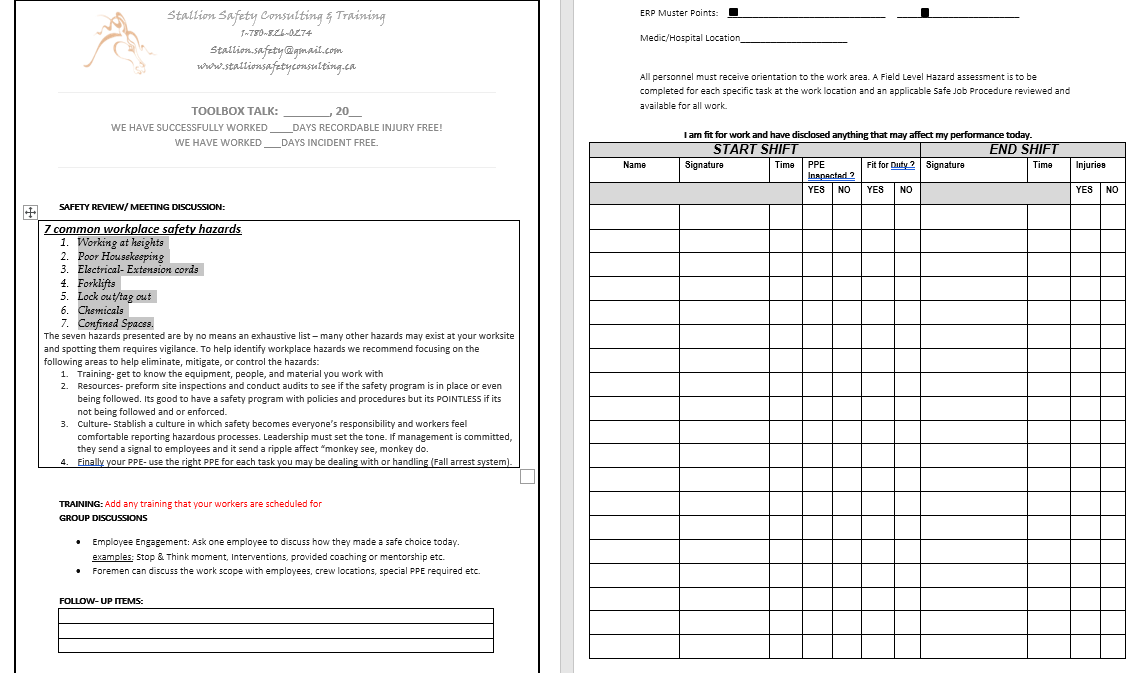
The power lies in their simplicity. A printed sheet can include: - Key safety points - Discussion prompts - Visual aids - Sign-off sections for attendance
This format ensures consistency across crews and shifts. Supervisors don’t have to wing it. Workers get the same message every time. And safety managers gain proof of training—critical during audits or inspections.
For example, a roofing crew preparing for a day of work in windy conditions can review a one-page printable on fall protection. It includes: - Reminder to inspect harnesses - Proper anchor point placement - What to do if wind exceeds 30 mph
The supervisor leads the discussion using the printout, then collects signatures. The document is filed. Everyone knows the expectations—and can be held accountable.
Key Elements of an Effective Printable Toolbox Talk
Not all templates are created equal. Weak ones are vague, text-heavy, or missing engagement tools. Strong ones are designed for action.
Look for these components:
Clear Topic Focus Each talk should address one hazard—no general safety sermons. Examples: “Safe Ladder Use,” “Hearing Protection in High-Noise Areas,” “Hot Work Permit Review.”
Simple Language Avoid jargon. Use short sentences and active voice. “Inspect the extension cord before plugging it in” beats “The inspection of electrical cords is recommended.”
Discussion Questions Prompts like “What near-misses have you seen with portable ladders?” keep workers involved. Engagement increases retention.
Visual Cues Icons, diagrams, or bold warnings (⚠️) highlight risks. A photo of a damaged ladder next to a safe one makes the point instantly.
Action Steps End with what workers should do: “Secure all cords before starting the grinder,” or “Report missing machine guards immediately.”
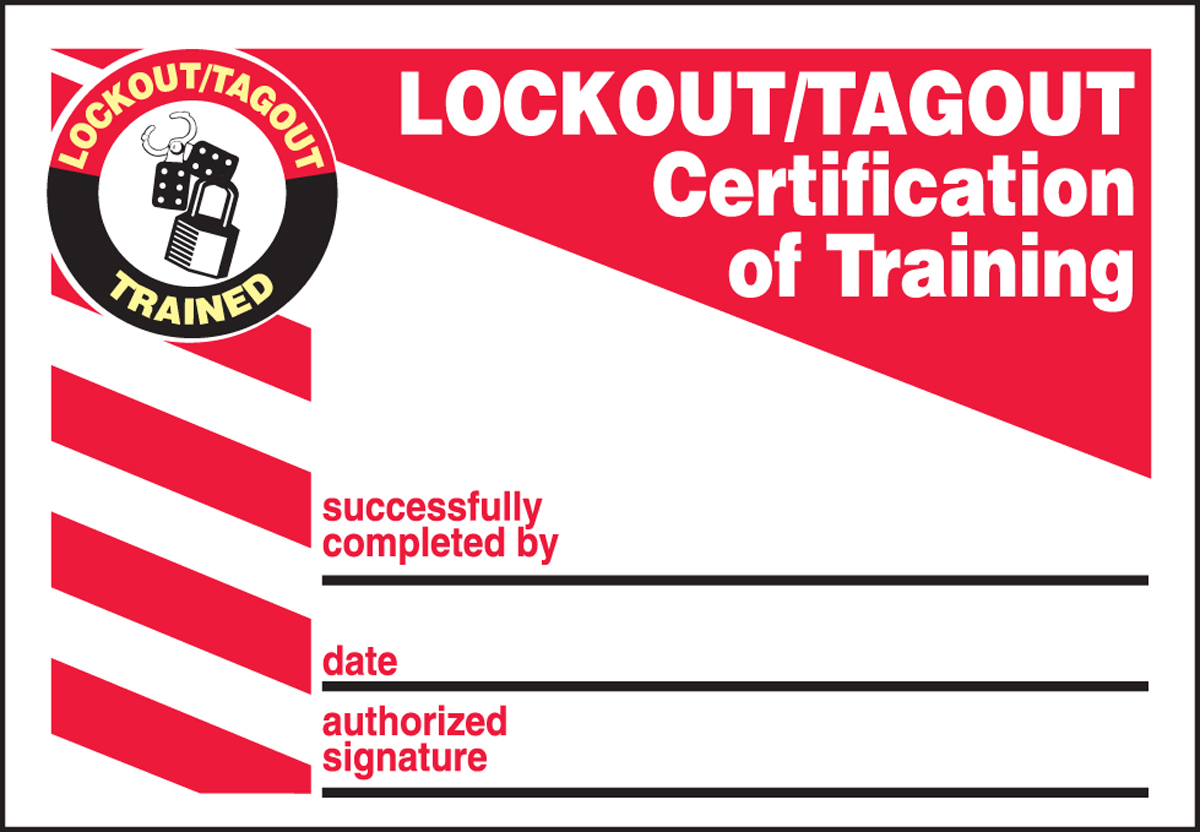
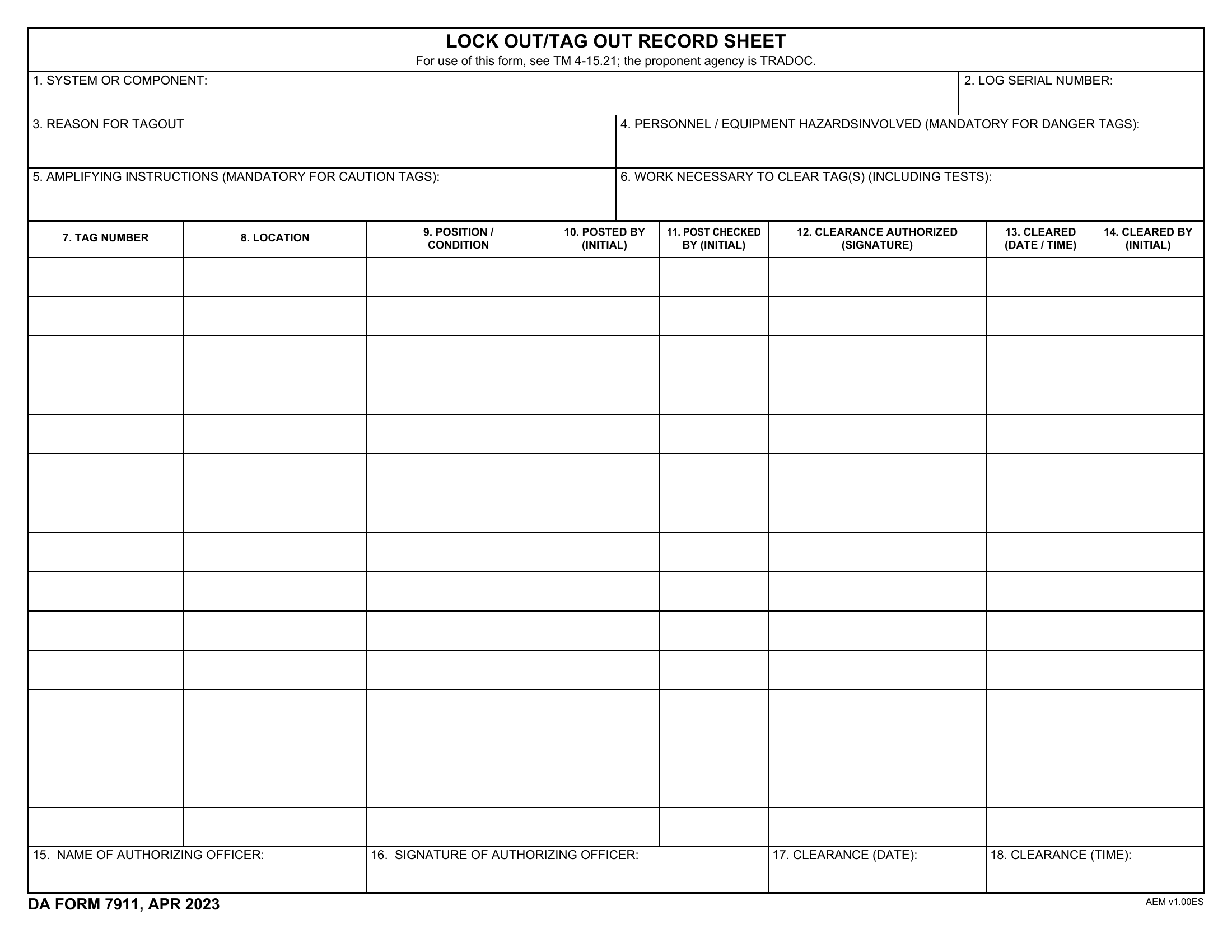
Attendance & Sign-Off Section Essential for documentation. Include date, topic, supervisor, crew names, and signatures.
Templates that skip these elements turn into paperwork—valuable for compliance but ineffective for behavior change.
Top 5 Sources for Printable Toolbox Talks
You don’t need to design every talk from scratch. These five sources offer high-quality, customizable, printable toolbox talks trusted across industries:
| Source | Key Features | Best For | Format Options |
|---|---|---|---|
| SafetyNow | Industry-specific packs, OSHA-aligned, editable PDFs | Construction, Manufacturing | PDF, PPT, Word |
| Creative Safety Supply | Free downloads, visual-heavy, multilingual options | Warehouses, Facilities | PDF, Spanish versions |
| OSHA.gov | Government-approved, no fluff, fully compliant | Compliance-driven teams | PDF, plain text |
| SafetyInfo | Extensive library (200+ topics), includes incident analysis guides | Safety professionals, auditors | PDF, DOC |
| SafetyCulture (iAuditor) | Cloud-based templates with printable exports, real-time updates | Tech-savvy teams, mobile crews | PDF, in-app use |
Pro Tip: Mix and match. Use OSHA.gov for regulatory accuracy, then enhance with visuals from Creative Safety Supply. Always add site-specific details—like equipment models or shift handoff protocols—before printing.
Common Mistakes That Undermine Printable Talks
Even the best template fails when used poorly. Avoid these common errors:
1. One-Size-Fits-All Approach Using the same fall protection talk for roofers and warehouse forklift operators ignores context. Customize for the task, equipment, and location.
2. No Follow-Up Handing out a talk and moving on kills accountability. Ask: Did behavior change? Was PPE used correctly? Revisit topics monthly.
3. Overloading the Page A 2-page wall of text won’t be read. Stick to one topic. Use bullet points. Leave white space.
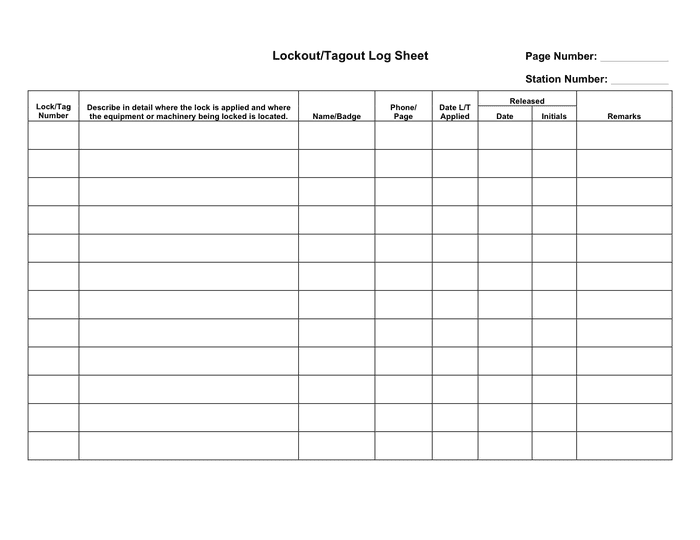
4. Skipping Sign-Offs No signature = no proof. In an audit, undocumented talks don’t count.
5. Inconsistent Scheduling Random talks = random results. Run them weekly, same day, same time. Make it routine.
6. Ignoring Worker Input The best talks are co-created. After discussing a topic, ask: “What would make this safer?” Then update the next printout.
Real-World Use Cases
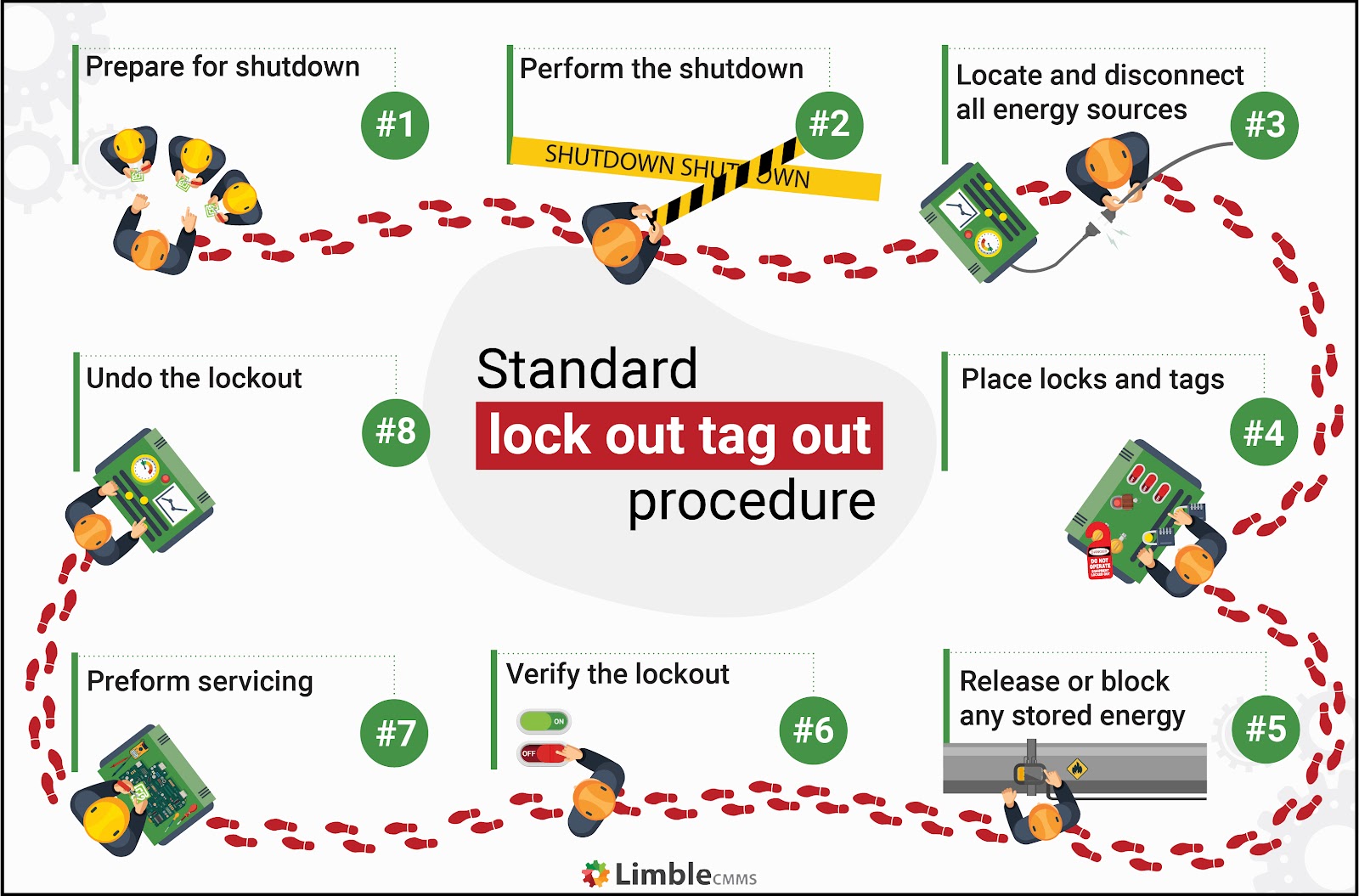
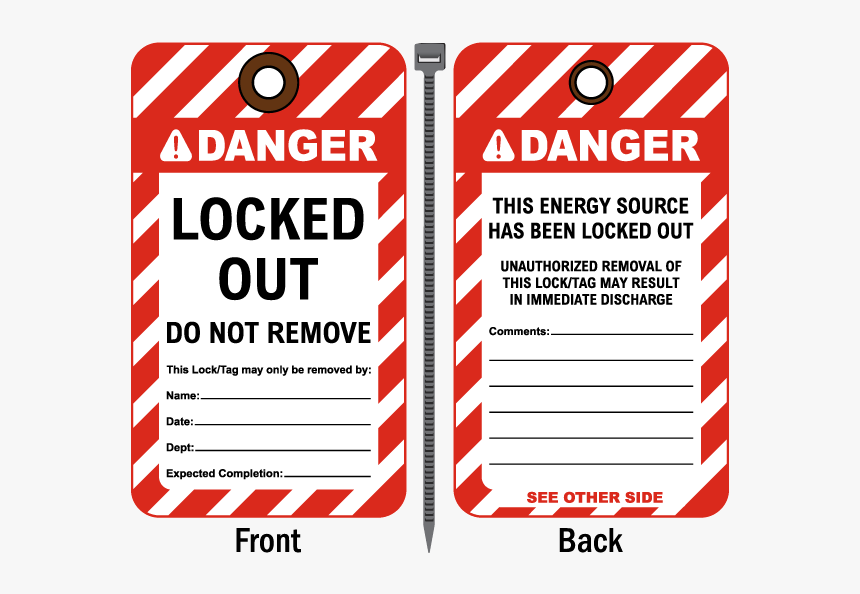
Case 1: Electrical Contractor Before starting panel upgrades, the foreman prints a talk on arc flash risks. It includes: - Required PPE (arc-rated clothing, face shield) - Lockout/tagout steps - Emergency response actions
Workers sign after confirming their gear is on hand. The talk reduces improper lockout incidents by 70% over two months.
Case 2: Landscaping Crew Summer heat prompts a printable on heat stress. It lists: - Early signs (dizziness, nausea) - Required water breaks (every 30 minutes) - Buddy system check-ins
The crew keeps copies in trucks. Overheating incidents drop to zero that season.
Case 3: Facility Maintenance Team After a near-miss with a jammed conveyor, they roll out a new talk on machine guarding. It uses a photo of the actual equipment, highlights the missing guard, and explains the lockout procedure.
The printout is posted near the machine. Repeat violations stop.
These aren’t theoretical. They’re real outcomes from consistent, well-executed printable talks.
Customizing Templates for Maximum Impact
Templates save time—but they must reflect your reality.
Step 1: Pick the Right Base Choose a clean, professional template with editable fields.
Step 2: Add Site-Specific Details - Insert company logo - Name the job site or equipment - Reference internal procedures (e.g., “Per Site Safety Plan 4.1…”)
Step 3: Include Real Photos Swap generic images for pictures from your site. A photo of the actual scaffold setup makes the talk relevant.
Step 4: Localize Language If your crew speaks Spanish, print bilingual versions. Clarity prevents accidents.
Step 5: Test and Refine Run a trial talk with a small group. Ask: “Was anything unclear?” Adjust before wide rollout.
One refinery reduced miscommunication incidents by 40% simply by adding plant-specific labels and photos to their printables.
How to Distribute and Archive Effectively
Printing is just the start. Distribution and record-keeping ensure long-term value.
Distribution Tips: - Print one per worker—don’t make them crowd around one sheet - Laminate key talks for high-traffic areas (e.g., break rooms) - Use colored paper for urgency (red for fire safety, yellow for PPE)
Archiving Best Practices: - File completed talks by date and crew - Store physical copies in labeled binders - Scan and back up digitally (PDF + cloud storage)
Digital archives pay off during OSHA inspections. One general contractor avoided penalties because they could instantly produce 12 months of signed talks.
Make Safety Stick—One Page at a Time
Printable toolbox talks aren’t about paperwork. They’re about prevention. They turn abstract safety rules into daily habits. They give supervisors a reliable tool. And they show workers that safety isn’t an afterthought—it’s part of the plan.
Start with a proven template. Customize it for your team. Deliver it consistently. Document every session. Review what’s working.
The best safety cultures aren’t built in a day. They’re built in 15-minute increments—with the right tools in hand.
FAQ
Are printable toolbox talks OSHA compliant? Yes, if they cover relevant hazards, include discussion, and are documented with attendance records. OSHA recognizes toolbox talks as effective safety training tools when properly conducted.
How often should I use printable toolbox talks? Weekly is ideal. High-risk environments may require daily talks before critical tasks. Consistency matters more than frequency.
Can I edit printable toolbox talk templates? Absolutely. The most effective talks are customized. Edit for site details, language, and specific equipment to increase relevance.
What should I do with completed printouts? File them in date-organized binders or digitize them. Maintain records for at least one year for compliance and incident review.
Where can I get free printable toolbox talks? OSHA.gov and Creative Safety Supply offer free, high-quality PDFs. SafetyInfo also provides free downloads with registration.
Should toolbox talks be translated? Yes. If your crew includes non-English speakers, provide talks in their native language. Misunderstood safety instructions create risk.
How do I keep workers engaged during printed talks? Use open-ended questions, real site photos, and brief activities. Rotate who leads the discussion to increase ownership.
FAQ
What should you look for in Printable Toolbox Talks for Safer Workplaces? Focus on relevance, practical value, and how well the solution matches real user intent.
Is Printable Toolbox Talks for Safer Workplaces suitable for beginners? That depends on the workflow, but a clear step-by-step approach usually makes it easier to start.
How do you compare options around Printable Toolbox Talks for Safer Workplaces? Compare features, trust signals, limitations, pricing, and ease of implementation.
What mistakes should you avoid? Avoid generic choices, weak validation, and decisions based only on marketing claims.
What is the next best step? Shortlist the most relevant options, validate them quickly, and refine from real-world results.