Safety doesn’t happen by accident—neither does a strong safety culture. On busy job sites or in fast-paced industrial environments, one misstep can spiral into injury, downtime, or worse. That’s where toolbox talks come in. These short, focused safety meetings are more than a compliance checkbox. When done right, they reinforce awareness, clarify risks, and keep safety top of mind.
Yet too many teams treat toolbox talks as routine, repetitive, or irrelevant. The result? Low engagement, missed hazards, and preventable incidents. The key isn’t just having talks—it’s choosing the right toolbox talk topics that resonate with workers, reflect real job conditions, and drive behavioral change.
Below are the most effective toolbox talk topics, structured for real-world impact, with practical examples and common pitfalls to avoid.
Why Topic Choice Matters in Toolbox Talks
Not all topics are created equal. A talk about proper glove use might be critical in a welding shop but irrelevant in an office renovation. Generic or outdated topics breed complacency. Workers tune out when the message doesn’t match their reality.
Effective topics share three traits: - Relevance: Tied directly to current tasks, equipment, or conditions. - Specificity: Focused on one hazard or behavior, not broad overviews. - Actionability: End with clear takeaways—what to do (or not do) tomorrow.
For example, instead of “slip, trip, and fall hazards,” try “Keeping Walkways Clear During Concrete Pour Setup.” The latter speaks directly to the work at hand and prompts immediate behavior change.
Top 10 High-Impact Toolbox Talk Topics
#### 1. Hazard Recognition: See It Before It Happens Workers often miss risks because they’re focused on getting the job done. Teach them to scan for hazards before starting any task.
Use case: A roofing crew begins work on a residential site. Before stepping on the roof, the supervisor leads a 5-minute talk: “What do you see that could hurt you today?” Leads include unguarded edges, wet shingles, and overhead power lines.
Common mistake: Assuming everyone sees the same hazards. Encourage team input—different roles notice different risks.
Action step: Use the “STOP” model: Stop, Think, Observe, Proceed.
#### 2. Fall Protection: Beyond the Hard Hat Falls remain the leading cause of construction fatalities. Yet many workers still treat harnesses as afterthoughts.
Use case: A steel erection crew is setting beams at 30 feet. The talk focuses on anchor points, proper harness fit, and rescue plans—not just “wear your gear.”
Limitation: Some temporary anchors aren’t load-rated. Emphasize verification.
Tip: Bring a harness to the talk and demonstrate donning it correctly.
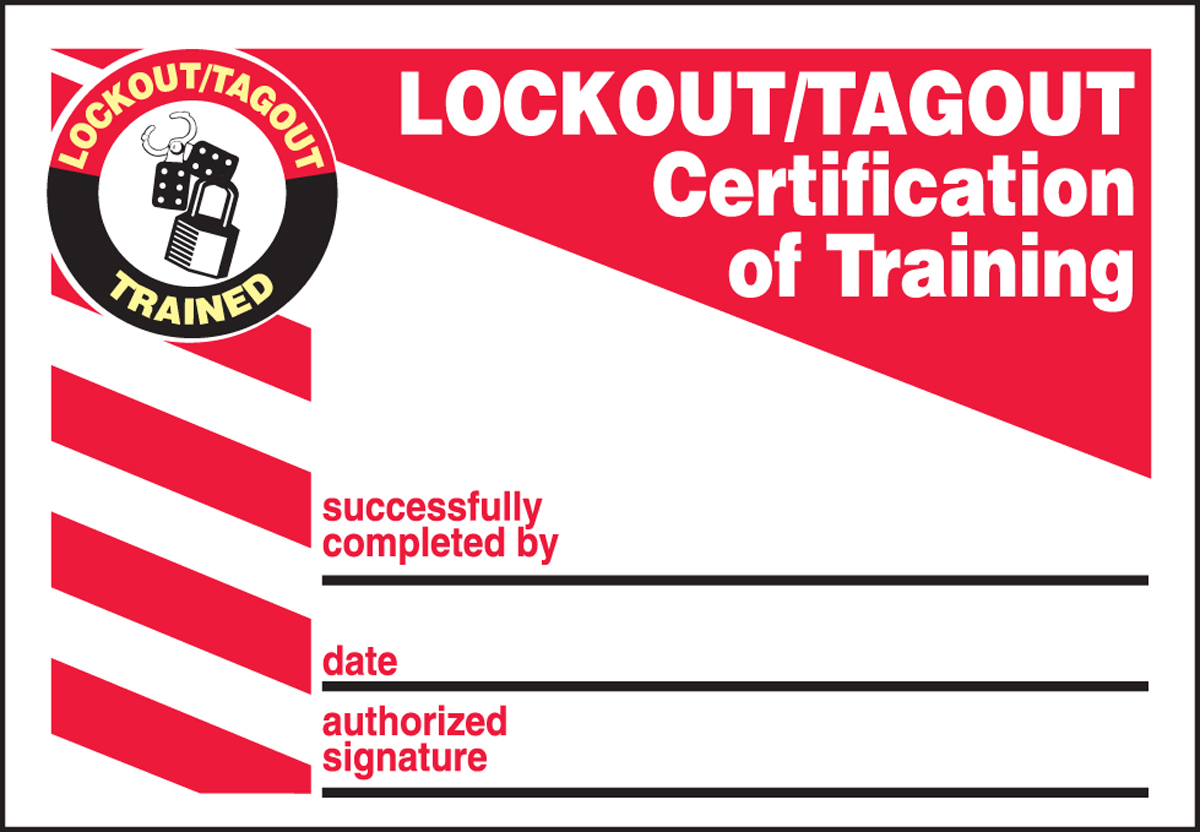
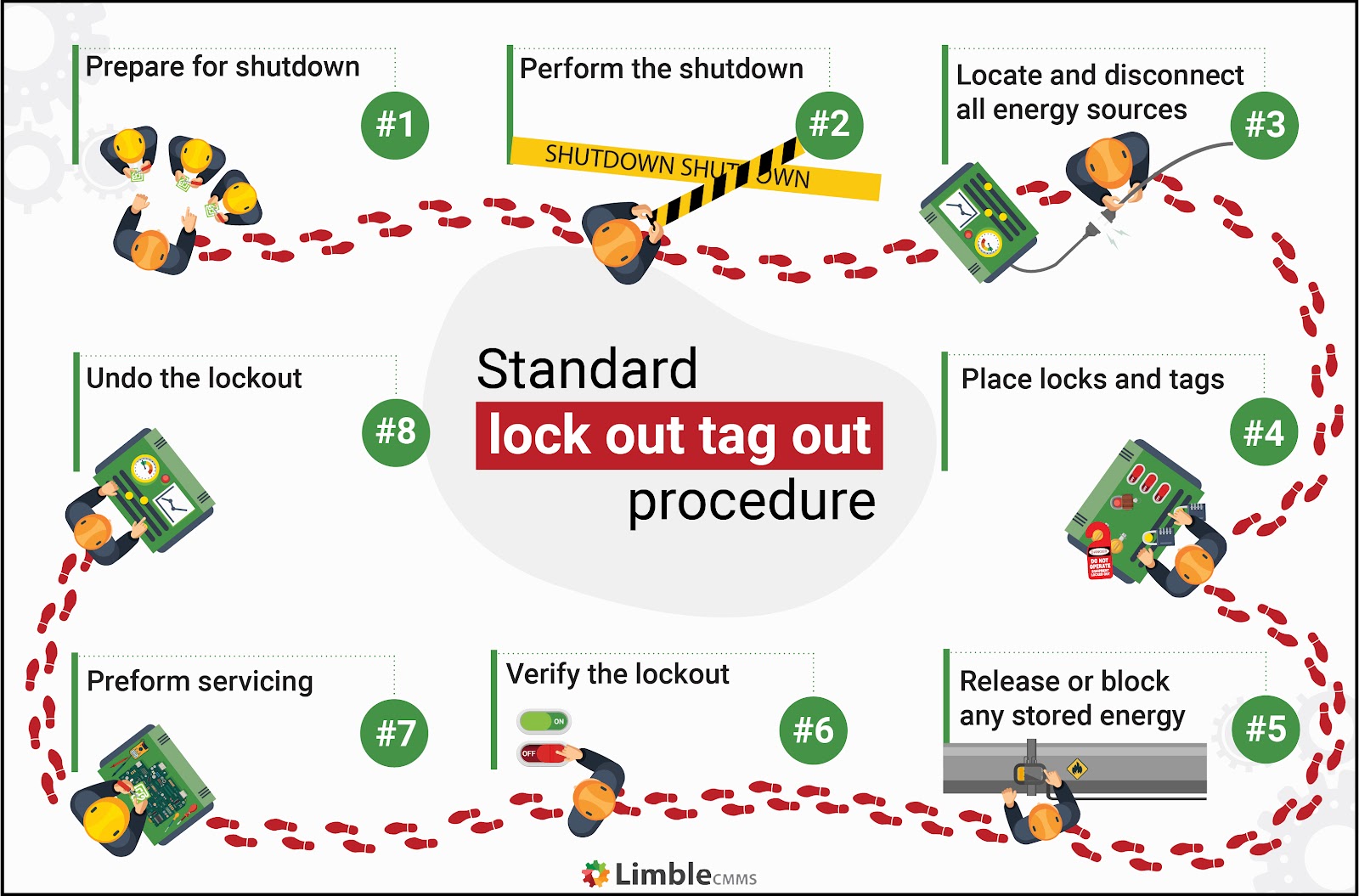
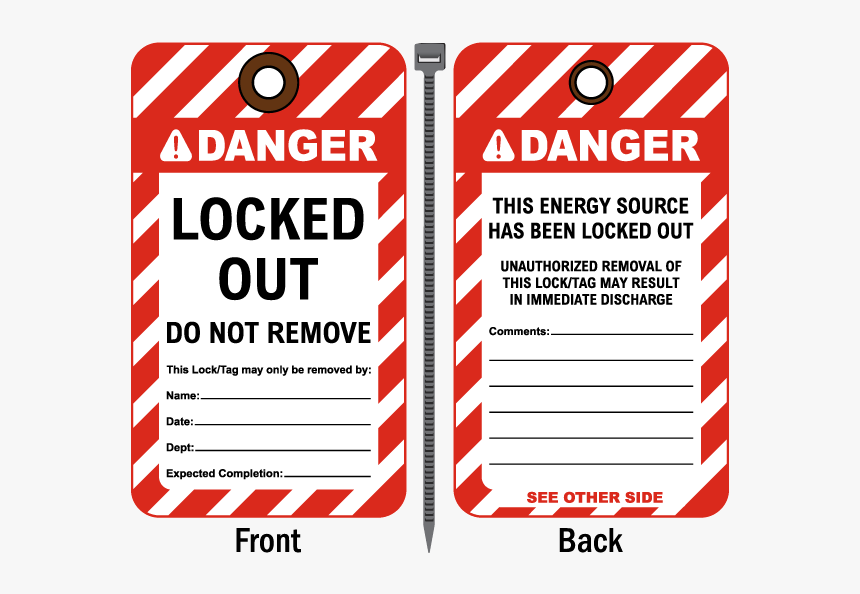
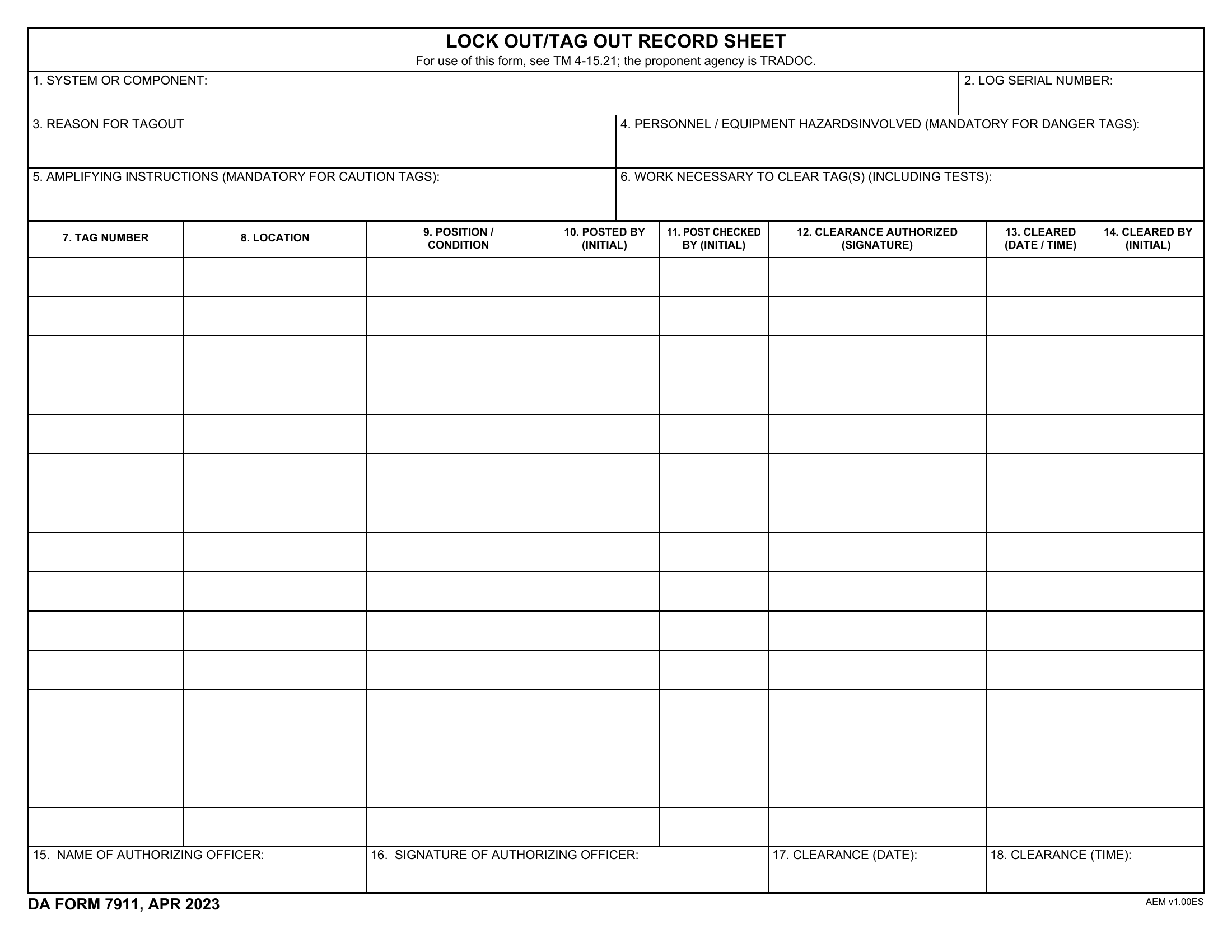
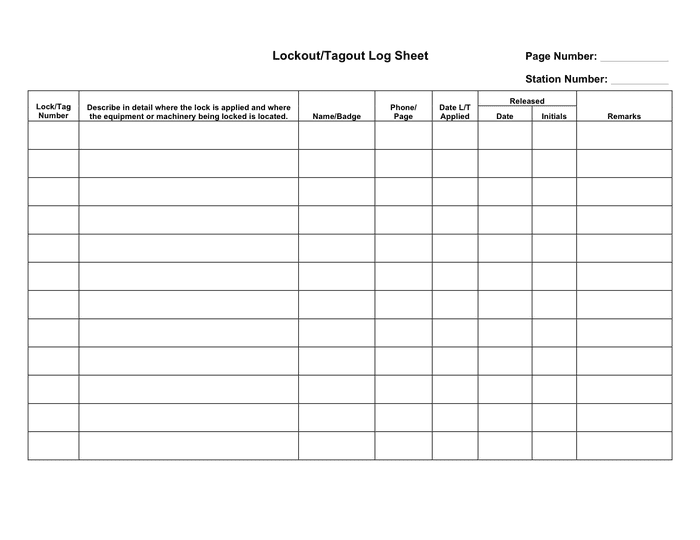
#### 3. Lockout/Tagout (LOTO): One Mistake Can Be Fatal Energy control isn’t just for electricians. Maintenance, cleaning, and adjustments often require shutting down equipment.
Use case: A mechanic is replacing a conveyor belt roller. The talk reviews isolating power, verifying zero energy, and using personal locks—never relying on someone else’s lock.
Real risk: Bypassing LOTO to “just fix it quickly.” Address time pressure as a hazard.

Checklist: - Shut down equipment - Isolate energy sources - Apply lock and tag - Test for zero energy
#### 4. Hand and Power Tool Safety Tools are so common they become invisible—until someone loses a fingertip.
Use case: A framing crew uses circular saws daily. The talk covers blade guards, cord management, and the “three points of contact” rule when cutting.
Common mistake: Using damaged cords or removing safety features. Show photos of real incidents.
Pro tip: Require tool inspection at the start of each shift.
#### 5. PPE: Right Gear, Right Job Hard hats, gloves, respirators—PPE only works when it’s appropriate and worn correctly.
Use case: Workers sanding composite materials. Dust looks harmless, but it contains silica. The talk emphasizes N95 respirators, eye protection, and avoiding glove use that traps dust.
Pitfall: “One-size-fits-all” PPE approach. Not all gloves protect against chemicals, and not all safety glasses shield from impact.
Action: Post a PPE matrix by task in common areas.
#### 6. Ladder Safety: Simple Doesn’t Mean Safe Ladders cause thousands of injuries yearly. Most are preventable.
Use case: Electricians installing ceiling fixtures. The talk covers the 4:1 angle rule, three-point contact, and never overreaching.
Myth: “I’ve done this for years, I’m fine.” Experience doesn’t defy physics.
Visual aid: Sketch the 4:1 ratio in the dirt or use a tape measure on-site.
#### 7. Working in Confined Spaces Not just tanks and vaults—confined spaces include trenches, manholes, and even large equipment housings.
Use case: A crew entering a pump vault. The talk confirms permit requirements, atmospheric testing, and rescue plans.
Critical point: Never enter without testing air quality—even if it “smells fine.”
Limitation: Portable gas detectors need calibration. Verify logs.
#### 8. Excavation and Trenching Safety Soil collapse can bury a worker in seconds. Yet many ignore shoring requirements.
Use case: A utility crew digging a 6-foot trench. The talk reviews soil type identification, shoring needs, and spoil pile distance.
Red flag: No protective system in trenches 5 feet or deeper. OSHA rule—no exceptions.
Tip: Assign a “competent person” to inspect trenches daily.
#### 9. Heat Stress and Hydration Often overlooked until someone collapses. Hot environments aren’t just outdoor summer jobs—foundries, warehouses, and attics count too.
Use case: Roofers in July. The talk covers early signs: headache, nausea, dizziness—not just heavy sweating.
Action plan: Enforce water breaks every 30 minutes, use shade tents, and buddy monitoring.
Myth: “I’m acclimated.” Acclimatization takes 7–14 days and can be lost after just a few days off.
#### 10. Near Miss Reporting: Turn Close Calls into Change Most incidents have warning signs. Near misses are free lessons—if workers report them.
Use case: A worker slips on a greasy patch but catches himself. Instead of brushing it off, the talk reinforces reporting so cleanup and prevention follow.
Barrier: Fear of blame. Emphasize “no penalty for reporting” policies.

Workflow tip: Make reporting as easy as texting a supervisor or scanning a QR code.
How to Choose the Right Topic Each Day
Don’t rotate topics randomly. Align talks with:
- Current tasks: Pouring concrete? Talk about vibration tools or curing compound exposure.
- Weather: High heat? Focus on hydration. Rain? Slip hazards and electrical safety.
- New equipment: Introduce it with a safety talk before first use.
- Incident trends: Had two minor eye injuries last month? Reinforce face protection.
Use a monthly safety calendar. Pre-plan topics but stay flexible—adapt when conditions change.
Making Talks Engaging, Not Routine
The goal isn’t to talk at workers—it’s to talk with them.
Do: - Ask open questions: “What’s the biggest hazard we face today?” - Use real photos from your site (blurred if needed). - Invite crew leads to deliver talks—peer delivery builds ownership.
Don’t: - Read from a script. - Schedule talks when workers are rushing to start. - Allow side conversations—hold attention with interaction.
One foreman keeps a “safety deck”—a set of laminated cards with topics, images, and talking points. Each morning, the crew draws a card. It’s quick, visual, and varied.
Common Mistakes That Undermine Toolbox Talks
Even good topics fall flat when delivery fails.
- Repetition without variation: Talking about fall protection every month with the same script leads to tuning out.
- Lack of follow-up: If hazards are raised but not addressed, workers stop believing the process matters.
- Top-down tone: Supervisors who lecture, not listen, miss critical frontline insights.
- Poor timing: Holding talks after work starts means half the crew misses it or is distracted.
Fix this by rotating facilitators, documenting action items, and scheduling talks at consistent, accessible times—like right after roll call.
Closing: Turn Talks Into Action
Toolbox talks aren’t about checking a box. They’re about shaping behavior. The best topics do more than inform—they provoke discussion, clarify expectations, and prevent harm.
Start tomorrow with a focused, relevant topic tied to the day’s work. Ask questions. Listen. Act on concerns. Repeat.
Over time, these short conversations build a culture where safety isn’t enforced—it’s expected.
FAQ
What makes a good toolbox talk topic? A good topic is specific, relevant to current work, and leads to actionable safety steps.
How long should a toolbox talk last? Aim for 5–10 minutes. Long enough to cover key points, short enough to hold attention.
Who should lead a toolbox talk? Supervisors, safety officers, or trained crew members—anyone with knowledge of the topic and good communication skills.
Should every talk be documented? Yes. Record date, topic, attendees, and key points to track safety efforts and meet compliance requirements.
Can toolbox talks prevent serious incidents? Absolutely. Regular, meaningful talks reinforce safe behaviors and surface hidden risks before they cause harm.
How often should toolbox talks happen? At minimum, weekly. Daily is ideal on high-risk or dynamic job sites.
Are toolbox talks required by OSHA? OSHA doesn’t mandate “toolbox talks” by name, but requires regular safety training and hazard communication, which these meetings fulfill.
FAQ
What should you look for in Essential Toolbox Talk Topics for Safer Workplaces? Focus on relevance, practical value, and how well the solution matches real user intent.
Is Essential Toolbox Talk Topics for Safer Workplaces suitable for beginners? That depends on the workflow, but a clear step-by-step approach usually makes it easier to start.
How do you compare options around Essential Toolbox Talk Topics for Safer Workplaces? Compare features, trust signals, limitations, pricing, and ease of implementation.
What mistakes should you avoid? Avoid generic choices, weak validation, and decisions based only on marketing claims.
What is the next best step? Shortlist the most relevant options, validate them quickly, and refine from real-world results.