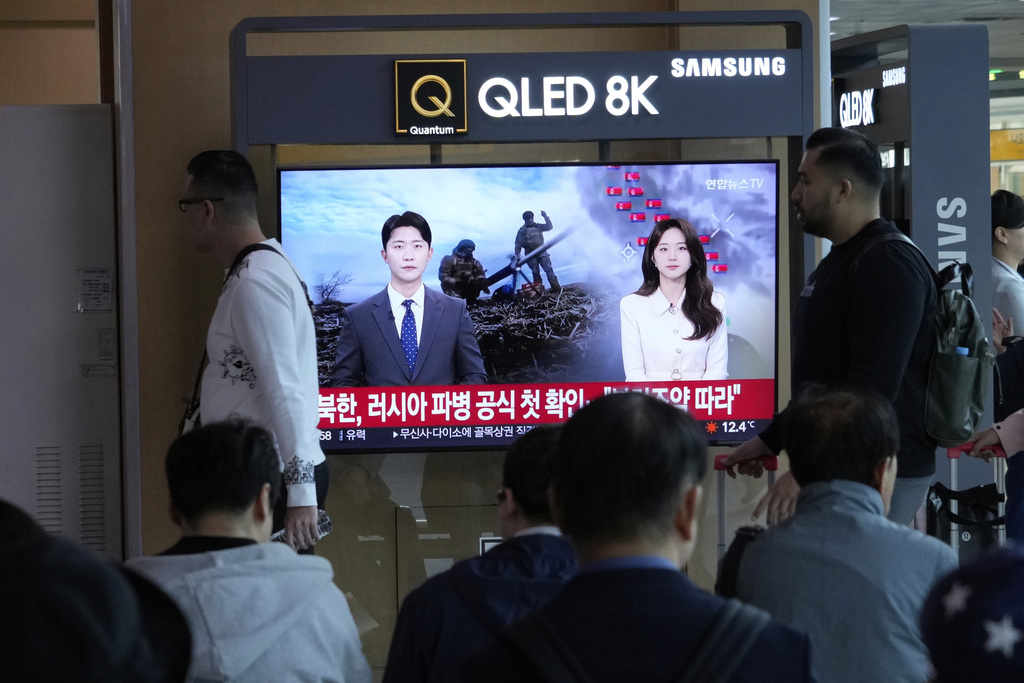
In the quiet city of Pyongyang, a new structure has risen behind high walls and guarded gates—a museum dedicated to North Korean soldiers who died fighting alongside Russian forces. The unveiling marks more than architectural expansion; it signals a strategic pivot, reinforcing a narrative long suppressed by the regime: that DPRK troops have been deployed, killed, and honored in foreign conflicts under Moscow’s banner.
This is not a memorial born of transparency. It is a calibrated instrument of statecraft, blending propaganda, geopolitical alignment, and domestic control. The museum serves multiple functions—grieving ground, ideological reinforcement, and silent admission of military collaboration with Russia in its ongoing war efforts.
A Memorial Shrouded in Secrecy
Details about the museum remain sparse. Official state media confirmed its opening with brief footage: marble halls, dim lighting, portraits of young soldiers with stern eyes and pinned medals. Descriptions mention “eternal flame” chambers and digital archives of last letters sent home. But there's no public access, no visitor logs, and no independent verification of the number of names inscribed.
What is clear is the message: these men died for a cause. Though Pyongyang has never formally acknowledged troop deployment, the museum itself is the admission. It confirms what intelligence agencies from Seoul to Washington have long alleged—North Korean fighters, likely from elite special forces units, have been embedded in combat zones supporting Russian operations.
The secrecy mirrors past patterns. When North Korea launched missiles or conducted nuclear tests, denials came first, then gradual acknowledgment through symbolic acts. This museum follows the same playbook: reveal through commemoration, not confession.
Why Build a Museum Now?
Timing matters. The museum’s opening coincides with increased satellite evidence of North Korean artillery and ammunition shipments to Russia. Reports indicate as many as several hundred troops may have been deployed, with dozens killed in action during missions in Ukraine’s eastern front.
By building this museum, Pyongyang achieves several goals:
- Legitimizes sacrifice: Death in a foreign war is reframed as patriotic duty.
- Strengthens alliance: A public (if restricted) tribute signals commitment to Moscow.
- Controls narrative: Families are given closure through state-sanctioned grief, not independent inquiry.
- Deters dissent: The heroic portrayal discourages questions about why North Koreans are dying in Europe.
One defector from North Hamgyong Province, who spoke under condition of anonymity, described how families of the deceased were summoned to Pyongyang weeks before the unveiling. They were handed medals, stipends, and strict instructions: "Do not speak of how your son died. He died defending socialist brotherhood."
This is not mourning. It is mobilization through memory.
The Soldiers Who Never Came Home
Who were these men? While official bios list them as “volunteers” and “defenders of peace,” evidence suggests otherwise. Most appear to be in their late teens to early twenties—typical of conscripted elite units like the Korean People's Army Special Operation Force. Satellite imagery from known North Korean bases shows increased activity in troop rotations and encrypted communications in the months prior to reported casualties.

Some intelligence analysts believe these soldiers were used in high-risk reconnaissance or sabotage missions behind Ukrainian lines. Their deaths, initially unacknowledged, became harder to suppress after letters and voice messages surfaced in Chinese border markets.
One such letter, analyzed by the Database Center for North Korean Human Rights, reads: "If this reaches you, I did not make it back. We were sent far west, near a city with blue domes. We were told we were training, but then we were given Russian uniforms and told not to speak."
This pattern—deniable deployment, covert integration, delayed recognition—fits Russia’s documented use of foreign fighters to obscure casualty counts and evade domestic backlash.
Propaganda Infrastructure in Action
The museum is not a standalone project. It fits within a broader architecture of control. North Korea has long used monuments, museums, and mass rallies to shape collective memory. From the Victorious Fatherland Liberation War Museum to the Kumsusan Palace of the Sun, these spaces aren’t about history—they’re about power.
This new site follows the same design philosophy:
- Heroic imagery: Murals depict soldiers shielding Russian comrades from explosions.
- Technological theater: Holograms allegedly replay final battlefield moments, stylized to emphasize courage, not chaos.
- Controlled access: Only approved groups—school delegations, military units, party elites—are permitted entry.
Foreign diplomats and journalists have not been invited. There are no online exhibits. The absence of transparency is the point. Grief is allowed only when it serves the state.
Compare this to Russia’s own war memorials. Moscow has built entire parks honoring “volunteers” from Donbas and Wagner mercenaries. North Korea’s museum is a mirror—smaller, more concealed, but ideologically aligned.
Geopolitical Implications of the Tribute
The museum’s existence confirms a dangerous shift: North Korea is no longer just supplying weapons. It is sacrificing lives.
This deepens the Russia-DPRK alliance in tangible, irreversible ways. Unlike arms deals or diplomatic visits, shared battlefield deaths create emotional and political obligations. Russia now owes Pyongyang not just gratitude, but future support—possibly in the form of advanced military technology, food aid, or diplomatic shielding at the UN.
For the West, this complicates sanctions enforcement. How do you isolate a regime that’s already embedded in a conflict zone through blood ties? Past efforts to pressure North Korea through financial restrictions have failed because of Chinese and Russian loopholes. Now, those same actors are co-beneficiaries of Pyongyang’s military contributions.
Moreover, the museum sets a precedent. If North Korea honors troops who died in Ukraine, what stops it from sending larger units in future conflicts? The line between supplier and combatant has already blurred.
The Cost of Silence
Back in border towns like Rajin and Tumangang, families whisper about missing sons. Some received death notices with no cause of death. Others were told their relatives “died in a training accident.” Now, with the museum open, there’s a new script: pride instead of pain.
But silence has consequences. Without truth, there can be no healing. Without accountability, there can be no prevention.

One South Korean analyst, who monitors North Korean media patterns, noted: "When a regime starts building monuments to lies, it’s not just lying to its people. It’s preparing them for the next war."
The museum doesn’t just remember the dead. It recruits the living.
What Comes Next?
The opening of this museum is not an endpoint. It’s a signal. North Korea is no longer on the sidelines of global conflict. It is an active, if opaque, participant.
Expect more symbolic gestures—postage stamps, documentaries, school curricula updates—all reinforcing the idea that dying for Russia is an honor. Watch for increased military exchanges: Russian advisors in Pyongyang, North Korean pilots training on Sukhoi jets, or joint cyber units.
But also watch for cracks. The more lives lost, the harder it becomes to suppress stories. A single defector with firsthand combat experience could expose the full scope of involvement. That’s why access to the museum is so tightly controlled—it’s as much about containment as commemoration.
For international observers, the museum should be treated as both a warning and a source of intelligence. Every architectural detail, every name on a plaque, every line in a state broadcast offers clues about the depth of the Russia-North Korea military partnership.
Closing: A Monument to a Hidden War
The museum in Pyongyang does not stand for transparency. It stands for control.
It honors soldiers whose names were erased before they were remembered, whose deaths were denied before they were glorified. It is a monument not to peace, but to the machinery of perpetual conflict.
As global powers grapple with the fallout of war in Europe and rising tensions in Asia, this museum reminds us: some of the most dangerous battles are fought not with bullets, but with memory.
Monitor its expansions. Question its narratives. And never mistake a memorial for honesty.
Frequently Asked Questions
Did North Korea officially confirm sending troops to fight in Ukraine? No, North Korea has not formally admitted to deploying combat troops. However, the museum, along with intelligence reports and satellite data, strongly indicates their involvement.
How many North Korean soldiers are believed to have died in Russia-related combat? Estimates vary. South Korean and U.S. intelligence sources suggest dozens have been killed, though the exact number remains unverified.
Can foreigners visit the museum? There is no public information indicating that foreign visitors are allowed. Access appears restricted to state-approved groups.
What kind of exhibits are inside the museum? According to state media, it includes portraits of fallen soldiers, personal effects, digital archives, and symbolic elements like an eternal flame.
Is this museum connected to Russia’s war in Ukraine? While not explicitly stated, the timing, intelligence reports, and nature of the casualties strongly link the museum to North Korean involvement in the conflict.
Why would North Korea send troops to fight for Russia? Possible motivations include strengthening political ties, gaining access to Russian military technology, and receiving economic or food aid in return.
Could this lead to wider international conflict? Direct escalation remains unlikely, but North Korea’s active military role increases geopolitical risks and complicates global security efforts.
FAQ
What should you look for in North Korea Opens Museum for Troops Killed in Russia Fight? Focus on relevance, practical value, and how well the solution matches real user intent.
Is North Korea Opens Museum for Troops Killed in Russia Fight suitable for beginners? That depends on the workflow, but a clear step-by-step approach usually makes it easier to start.
How do you compare options around North Korea Opens Museum for Troops Killed in Russia Fight? Compare features, trust signals, limitations, pricing, and ease of implementation.
What mistakes should you avoid? Avoid generic choices, weak validation, and decisions based only on marketing claims.
What is the next best step? Shortlist the most relevant options, validate them quickly, and refine from real-world results.