Safety doesn’t happen by accident—it’s built through consistent communication. One of the most effective tools for reinforcing workplace safety is the toolbox talk, a short, focused meeting that addresses specific hazards and safe work practices. For supervisors, safety officers, and team leads, having ready-to-use toolbox talk topics PDF files means more than convenience—it means consistency, clarity, and compliance.
These downloadable resources streamline safety meetings, reduce prep time, and ensure critical topics aren’t overlooked. Whether you’re in construction, manufacturing, utilities, or maintenance, a well-structured PDF guide keeps discussions on track and teams informed.
Below, we explore the most valuable toolbox talk topics, how to use PDF resources effectively, and where to find practical, customizable templates.
Why Toolbox Talk Topics in PDF Format Work
PDFs have become the standard for distributing safety content—and for good reason. Unlike editable documents or web pages, a PDF preserves formatting across devices, ensuring that bullet points, headings, and safety illustrations appear exactly as intended. This reliability is critical when delivering safety information.
More importantly, a PDF-based toolbox talk: - Can be printed for crews without mobile access - Is easily stored and retrieved for audits - Supports branding with company logos and contact info - Can be annotated or signed digitally for attendance records
For example, imagine a rainy Monday morning on a roofing site. Instead of scrambling to draft a talk on working in wet conditions, a foreman pulls up a pre-made slip, trip, and fall toolbox talk PDF, reviews it in under five minutes, and delivers a clear, visual-backed session before work begins.
The real power lies in preparation. Teams that use PDFs consistently report higher retention and fewer near-misses.
Top 10 High-Impact Toolbox Talk Topics (With PDF Use Cases)
Not all safety topics carry equal weight. The best toolbox talks address real, site-specific risks. Below are 10 of the most essential topics—and how PDF versions enhance their delivery.
#### 1. Fall Protection Falls are the leading cause of construction fatalities. A PDF guide on fall protection should include: - Proper harness inspection steps - Anchor point requirements - Ladder safety dos and don’ts - Visuals showing correct vs. incorrect setups
A well-designed PDF allows crews to quickly reference diagrams during discussion, reducing confusion.
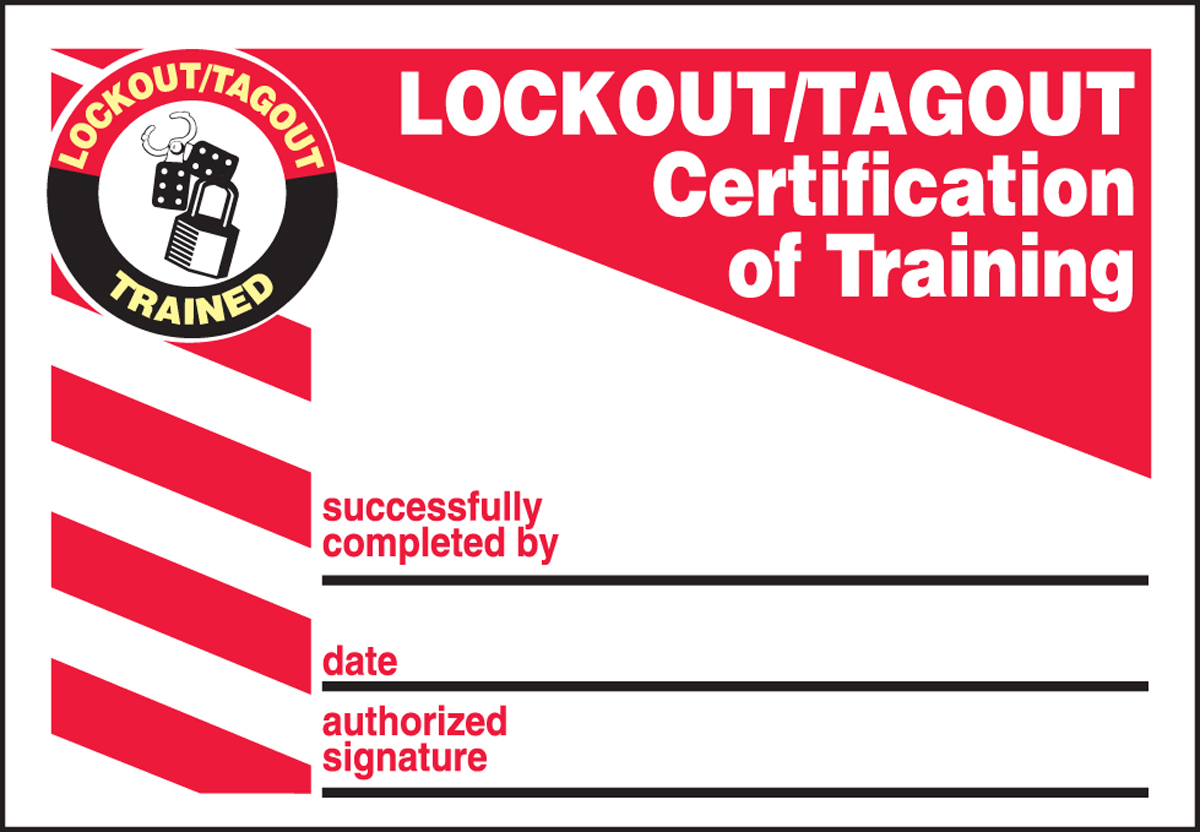
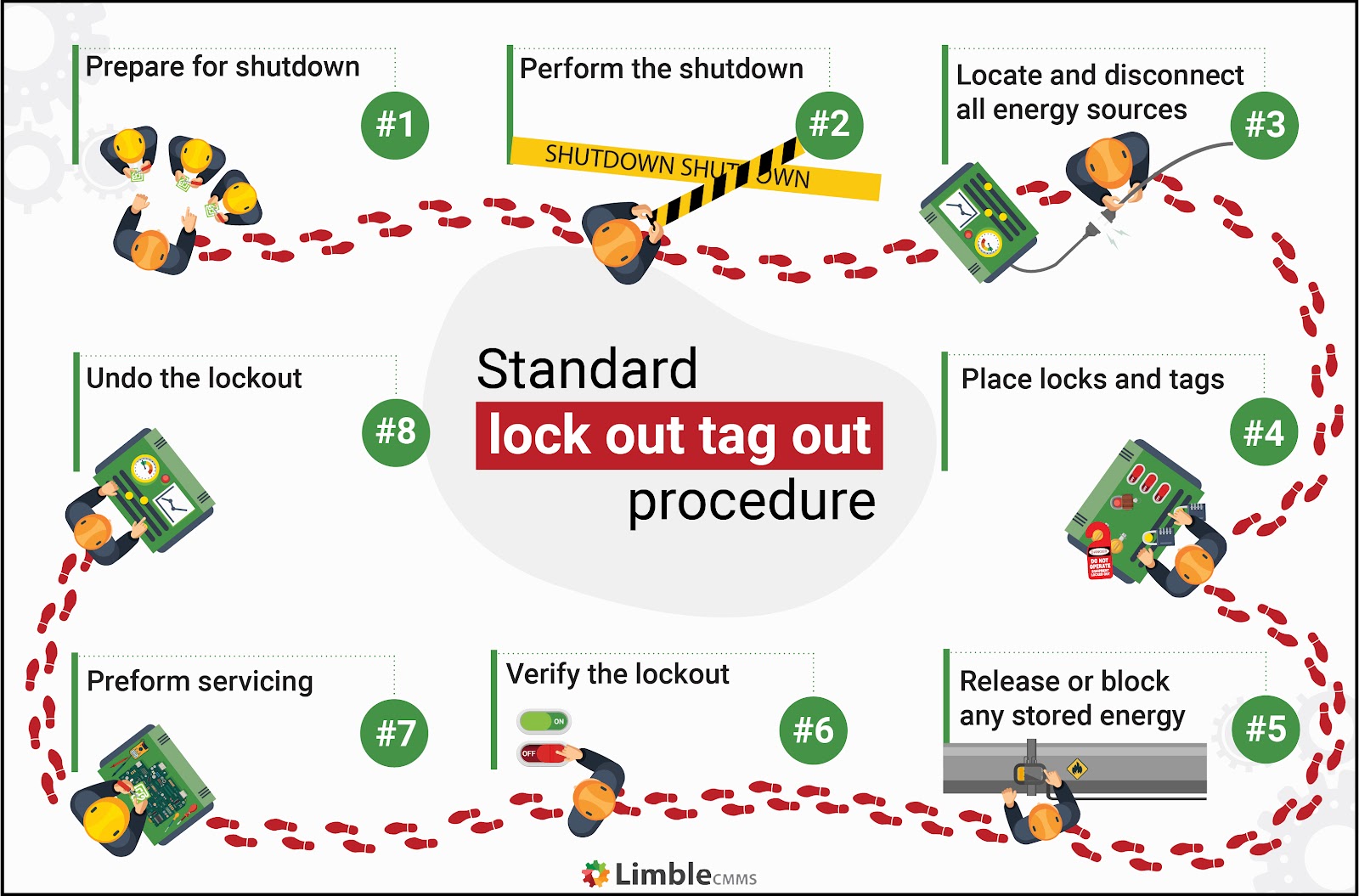
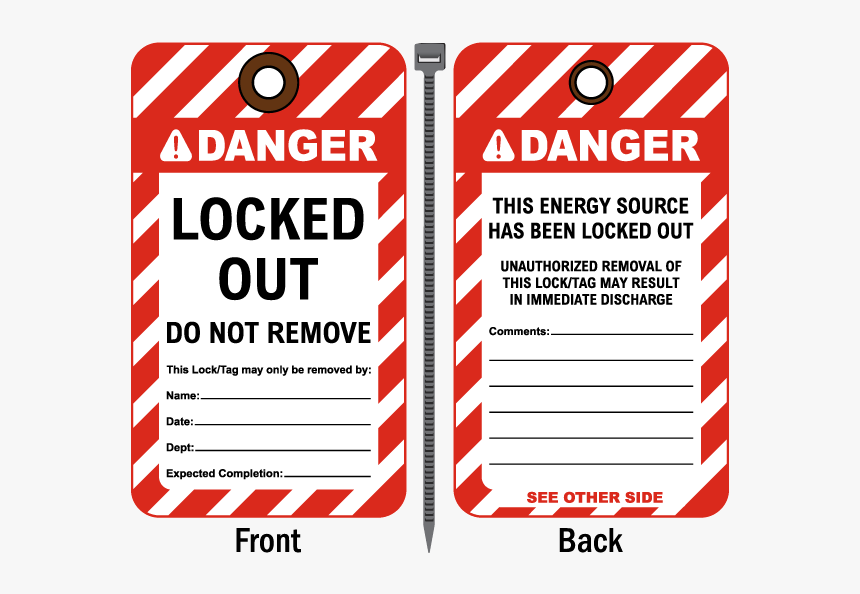
#### 2. Electrical Safety This topic is critical in both indoor and outdoor environments. A solid PDF will cover: - Lockout/tagout procedures - Recognizing damaged cords and tools - Minimum approach distances - Case study of a real electrical incident
Including a checklist for daily electrical tool inspection boosts practicality.
#### 3. Hand and Power Tool Safety From grinders to drills, misuse of tools leads to thousands of injuries yearly. A PDF should highlight: - PPE requirements (gloves, goggles, hearing protection) - Proper handling techniques - Maintenance responsibilities - Common hazards like kickback or cord entanglement
A comparison table showing correct vs. incorrect use adds clarity.
#### 4. Hazard Communication (HazCom) With chemicals present on nearly every worksite, understanding labels and SDS sheets is non-negotiable. A HazCom PDF should: - Break down GHS pictograms - Explain workplace labeling systems - Include a step-by-step guide to reading SDS - Provide space for site-specific chemical examples
This makes it adaptable across industries.
![[PDF]The Best 33 Safety Topics for Daily Toolbox Talk in PDF format](https://1.bp.blogspot.com/-RuFUi5rqwag/XOUlrK5kFRI/AAAAAAAAIoQ/K_Pm-bDiNoA1lLEKaQcfRIXN396_ZWcMgCLcBGAs/s1600/Tool%2BBox%2BTalk%2BTopics_Page_2.png)
#### 5. Personal Protective Equipment (PPE) PPE is only effective when worn correctly. A strong PDF will: - List required gear by task - Show proper donning and doffing sequences - Address common excuses (“It’s too hot,” “It slows me down”) - Include a quick audit checklist
Supervisors can use the checklist to spot-check compliance post-talk.
#### 6. Fire Safety and Hot Work Welding, cutting, and grinding create fire risks. A hot work PDF should: - Define fire watch responsibilities - List required fire extinguishers and their ratings - Show clearance zones around ignition sources - Include a pre-work inspection checklist
Having a printable version ensures the checklist is used—not just discussed.
#### 7. Confined Space Entry This high-risk activity demands strict protocols. A confined space PDF must: - Define what qualifies as a confined space - Outline permit requirements - Clarify rescue procedures - List atmospheric testing steps
A flowchart showing entry approval steps helps teams visualize the process.
#### 8. Lifting and Manual Handling Back injuries are among the most common and costly workplace injuries. A lifting safety PDF should: - Teach the “power zone” (waist to shoulders) - Demonstrate safe lifting posture - Encourage team lifting for heavy loads - Include ergonomic tips for repetitive tasks
Simple illustrations of correct lifting form make the content stick.
#### 9. Weather-Related Hazards Heat stress, cold exposure, and wind all impact safety. A weather-focused PDF should: - Show heat index charts - List symptoms of heat exhaustion and hypothermia - Recommend hydration and break schedules - Outline wind safety for crane and scaffold work
A seasonal update to this PDF keeps it relevant year-round.
#### 10. Site-Specific Emergencies Every site has unique risks—chemical spills, equipment failures, structural concerns. A custom emergency PDF should: - Map evacuation routes - List emergency contacts - Define roles during a crisis - Include a drill schedule
This PDF should be updated quarterly and reviewed with every new crew member.
How to Run an Effective Toolbox Talk Using PDFs
Having the right content isn’t enough—you need the right delivery. Here’s a proven workflow:
- Select the Topic Weekly: Align the talk with current tasks. If crews are setting up scaffolding, focus on fall protection.
- Review the PDF in Advance: Check for site-specific adjustments. Add your company’s incident history or relevant photos.
- Keep It Under 10 Minutes: Focus on one clear message. Don’t overload the session.
- Use Visuals from the PDF: Point to diagrams, charts, or warning labels during the talk.
- Encourage Crew Input: Ask, “Has anyone seen this hazard before?” or “What would you do differently?”
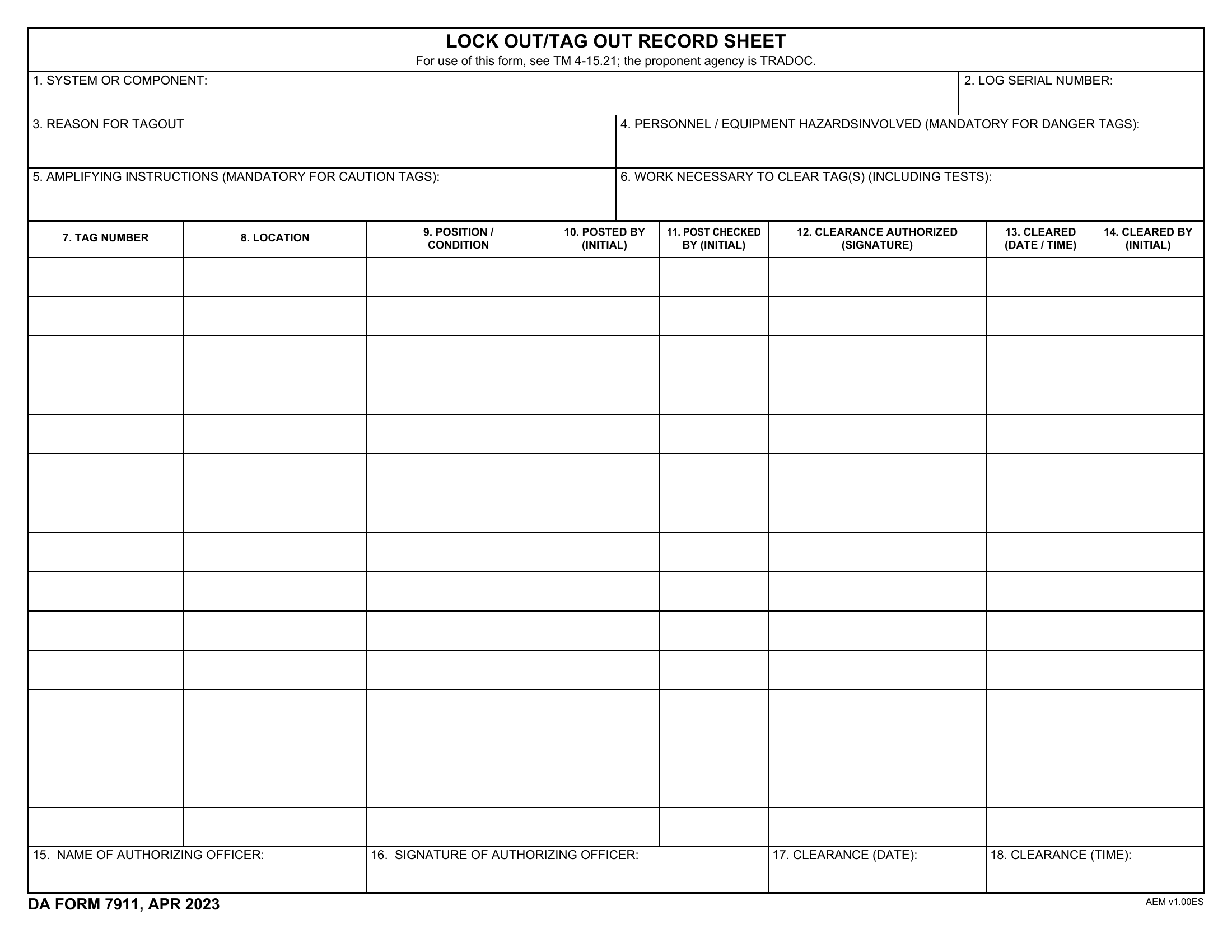
- Record Attendance: Use the PDF’s signature section or maintain a separate log.
- File for Compliance: Store completed talks by date. Most OSHA inspections require 12 months of records.
A common mistake? Reading the PDF verbatim. Instead, use it as a speaking guide—explain, demonstrate, and engage.
Where to Find Quality Toolbox Talk Topics PDFs
Not all free PDFs are created equal. Many are outdated, overly generic, or poorly formatted. To save time and ensure credibility, use these trusted sources:
| Source | Features | Best For |
|---|---|---|
| OSHA.gov | Official guidelines, bilingual options | Compliance-focused teams |
| NIOSH | Research-backed topics, printable checklists | Health and safety professionals |
| SafetyNow | Customizable templates, editable PDFs | Companies branding their talks |
| Creative Safety Supply | Visual-heavy, simple language | Crews with diverse literacy levels |
| Fieldwire | Mobile-friendly, cloud-synced | Digital-first job sites |

Look for PDFs that allow editing. Fillable fields for date, location, and signatures make documentation easier. Avoid sources that require recurring payments or lock content behind logins.
Customizing Your Toolbox Talk PDFs for Maximum Impact
- Add Site Photos: Replace stock images with real photos from your site. “This is our ladder—notice the worn rung?” hits harder.
- Include Past Incidents: Reference near-misses without naming individuals. “Last month, a tool fell from this level—here’s how to prevent it.”
- Embed QR Codes: Link to video demos or site rules. Crews can scan and review later.
- Use Local Language: If your team speaks Spanish, provide bilingual versions.
- Update Monthly: Archive old topics and rotate in new ones to avoid repetition.
One electrical contractor reduced hand injuries by 40% after adding a photo of a damaged cable from their own site into their monthly power tool PDF.
Common Mistakes That Undermine Toolbox Talks
Even with great PDFs, poor execution can render talks ineffective. Watch for these pitfalls:
- Holding Talks Indoors, Far from the Work Area: Workers disconnect when the hazard isn’t visible. Do the talk where the risk exists.
- Using the Same Topic Repeatedly: Repetition without variation breeds complacency. Rotate topics and refresh content.
- Skipping Attendance Records: No signature, no proof. OSHA fines can exceed $15,000 per missing record.
- Treating It as a Checklist, Not a Conversation: If no one speaks, the talk failed. Ask open-ended questions.
- Ignoring Feedback: If workers suggest a topic (e.g., “our break area is cluttered”), add it next week.
A PDF is a tool—not a substitute for leadership.
Final Thoughts: Make Safety Stick
with the Right PDFs
Toolbox talks are only as strong as their delivery. A well-designed toolbox talk topics PDF does more than inform—it structures the conversation, reinforces visuals, and creates a paper trail for compliance. But it’s the human element—the foreman who pauses the job, gathers the crew, and connects the message to real work—that makes safety real.
Choose topics that matter. Customize your PDFs. Encourage dialogue. And never let a safety meeting become a box-ticking exercise.
Download, adapt, and deliver. Because when it comes to workplace safety, preparation isn’t optional—it’s essential.
FAQ
What is a toolbox talk? A toolbox talk is a short safety meeting (usually 5–10 minutes) that discusses a specific hazard or safe work practice, typically held at the job site before work begins.
How often should toolbox talks be held? Weekly is standard, but frequency can increase during high-risk tasks or after an incident. Consistency matters more than frequency.
Can PDF toolbox talks be used for OSHA compliance? Yes, if they include documented attendance, topic details, and are relevant to site hazards. OSHA requires employers to train workers on recognized risks.
Are toolbox talk PDFs customizable? Many are. Look for editable or fillable PDFs that allow you to add company details, site photos, and specific procedures.
Should toolbox talks be in multiple languages? Yes, if your workforce speaks different languages. Safety messages must be understood—use bilingual PDFs or translators when needed.
Do toolbox talks reduce accidents? Studies show regular, meaningful talks improve safety culture and reduce incidents. The key is relevance and engagement, not just frequency.
Where can I download free toolbox talk PDFs? Reliable sources include OSHA.gov, NIOSH, and safety suppliers like Creative Safety Supply and SafetyNow. Always verify content accuracy.
FAQ
What should you look for in Toolbox Talk Topics PDF: Practical Guides for Safer Workplaces? Focus on relevance, practical value, and how well the solution matches real user intent.
Is Toolbox Talk Topics PDF: Practical Guides for Safer Workplaces suitable for beginners? That depends on the workflow, but a clear step-by-step approach usually makes it easier to start.
How do you compare options around Toolbox Talk Topics PDF: Practical Guides for Safer Workplaces? Compare features, trust signals, limitations, pricing, and ease of implementation.
What mistakes should you avoid? Avoid generic choices, weak validation, and decisions based only on marketing claims.
What is the next best step? Shortlist the most relevant options, validate them quickly, and refine from real-world results.