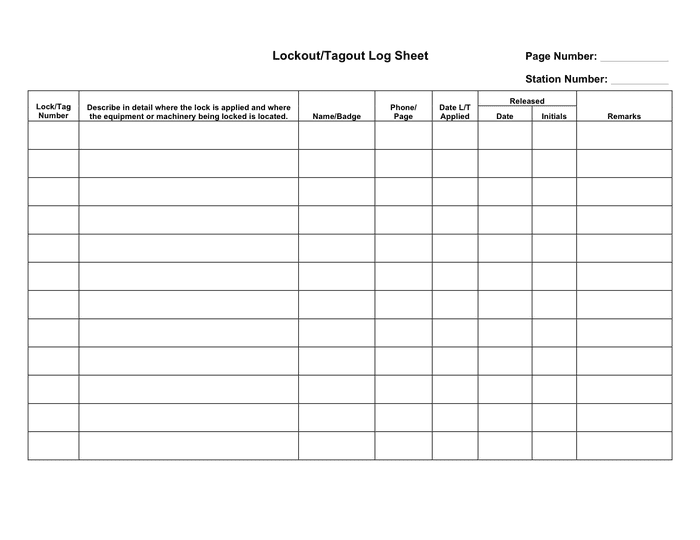
Safety lapses don’t start with major accidents—they begin with skipped conversations. On busy job sites, supervisors often delay or skip safety discussions because they’re short on time, resources, or structure. That’s where printable safety toolbox talks come in: a streamlined, reliable way to deliver consistent safety messaging without reinventing the wheel each day.
These short, focused discussions—typically 10 to 15 minutes—are designed to address specific hazards, reinforce protocols, and keep safety top of mind. When they’re printable, they become even more practical: no reliance on digital devices, easy to archive, and simple to distribute across crews with varying tech access. Done right, printable toolbox talks aren’t just paperwork—they’re proactive risk mitigation.
Why Printable Toolbox Talks Work in Real-World Settings
Digital tools have their place, but printing safety talks remains a cornerstone of effective field safety programs—especially in environments with poor connectivity, mixed literacy levels, or limited device availability.
Printable versions ensure every team member receives the same information. They’re tangible, portable, and easy to sign and file for compliance audits. Unlike digital files buried in inboxes, printed sheets land directly in workers’ hands—often taped to hard hats or posted on site boards.
More importantly, the act of printing signals intention. It shows crews that safety isn’t an afterthought. It’s documented, scheduled, and expected.
Real-world example: A mid-sized excavation contractor in Ohio reduced near-misses by 40% in six months after switching to a standardized set of printable talks. The change wasn’t about content depth—it was consistency. Supervisors printed and reviewed one talk per day, rotating through topics like trench safety, PPE use, and equipment inspection. Workers reported feeling more informed and more involved.
Key Elements of an Effective Printable Toolbox Talk
Not all printable talks deliver value. Many are generic, poorly formatted, or lack engagement. The best ones follow a clear, repeatable structure that supports understanding and retention.
1. Clear Topic and Objective Each talk should focus on a single, actionable safety topic—like “Using Fall Protection at Heights” or “Recognizing Signs of Heat Stress.” The objective should be stated upfront: “By the end of this talk, you will know how to inspect your harness and identify fall zones.”
2. Plain Language Avoid jargon. Use short sentences and active voice. For crews with non-native English speakers, consider adding visuals or bilingual summaries.
3. Visual Cues and Diagrams A diagram showing proper ladder angles or a photo of a damaged extension cord can communicate faster than paragraphs of text. Leave space for simple illustrations if designing your own.

4. Discussion Prompts Include 2–3 open-ended questions: “What hazards have you noticed in this area?” or “When was the last time you checked your fire extinguisher?” This turns passive reading into active engagement.
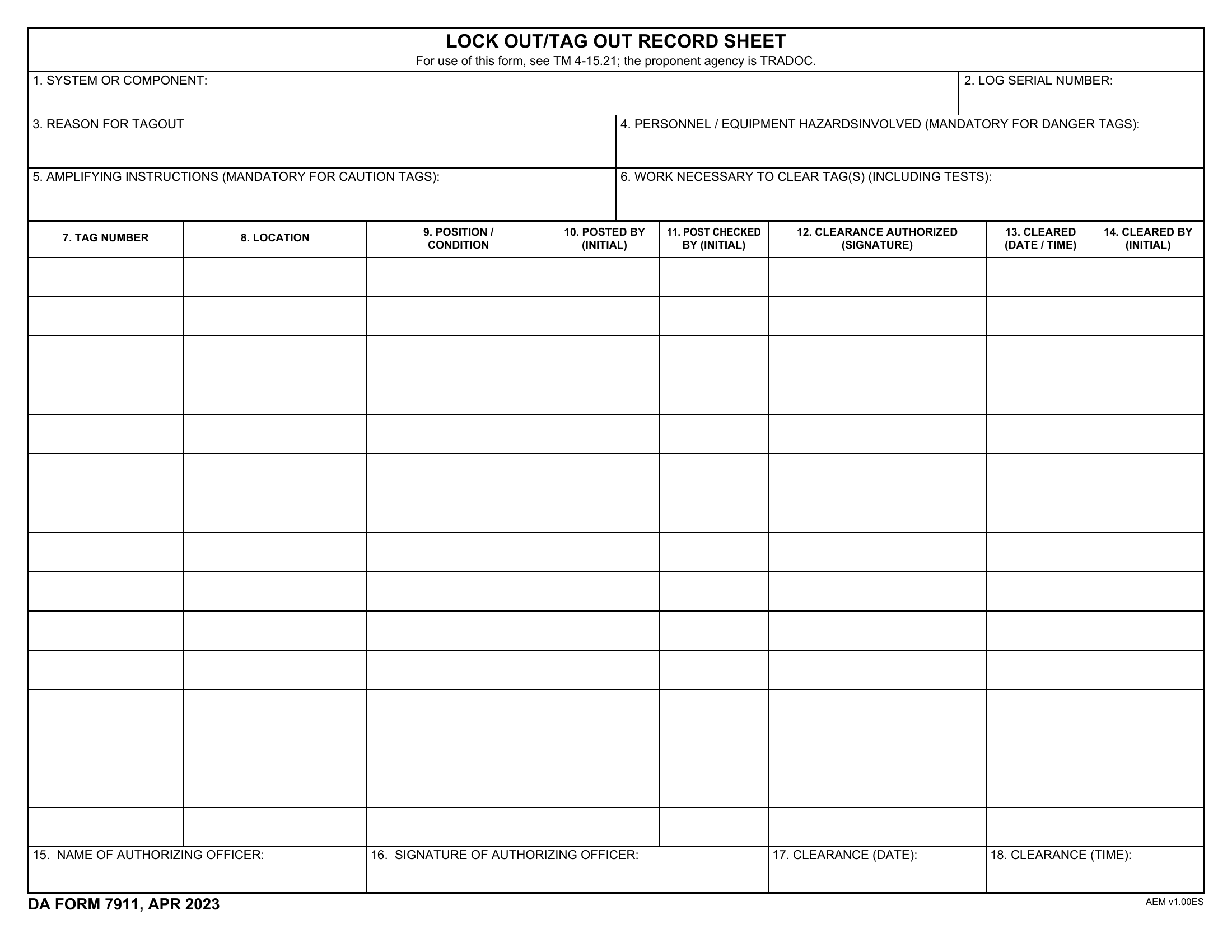
5. Sign-Off Section A line for each worker’s name, signature, and date proves attendance and comprehension. This is critical for OSHA audits and internal recordkeeping.
Common Mistakes That Undermine Their Effectiveness
Even well-designed printable talks fail when used incorrectly. Watch out for these pitfalls:
- One-size-fits-all content: Using the same set of talks across different sites ignores unique hazards. A roofing crew needs different talks than a warehouse team.
- Inconsistent delivery: Conducting talks only when auditors are expected erodes trust. Workers see through performative safety.
- No follow-up: Handing out a talk and walking away limits impact. Supervisors should observe behavior afterward and reinforce lessons.
- Poor storage: Loose sheets get lost. File completed talks in labeled binders by week or project for easy retrieval.
Workflow tip: Assign a safety coordinator to manage the master set of printable talks. Update them quarterly, add site-specific notes, and distribute printed copies every Monday morning with the weekly schedule.
When to Customize vs. Use Templates
Templates save time—but blind reliance on them creates blind spots.
Off-the-shelf printable toolbox talks are excellent for foundational topics: PPE, fire safety, hand tool use, electrical hazards. Their consistency benefits new crews and standardized operations.
But customization is essential when: - The worksite has unique machinery or processes - Local weather or terrain introduces specific risks - Past incidents highlight recurring issues - A new project phase begins (e.g., switching from framing to roofing)
Example: A solar installation crew used a standard “Working at Heights” talk but added a custom section on securing panels on sloped roofs. The update addressed a real near-miss and became part of their permanent template.
Striking the right balance means using templates as a starting point, not the final product.
Top 5 Sources for High-Quality Printable Safety Toolbox Talks
Don’t start from scratch. Leverage proven resources that blend usability with compliance. These five providers offer reliable, printable-ready talks:
| Provider | Key Strengths | Format | Best For |
|---|---|---|---|
| SafetyInfo.com | OSHA-aligned, 200+ topics, editable PDFs | PDF, Word | General contractors needing variety |
| Creative Safety Supply | Visual-heavy, multilingual options | Teams with diverse language needs | |
| ConstructionSafetyStore.com | Industry-specific (roofing, excavation) | PDF, binders | Specialized trade contractors |
| OSHA.gov | Free, authoritative, regulation-backed | Budget-conscious teams needing compliance | |
| SafetyMatters | Modular system, customizable fields | Editable PDF | Companies building branded safety culture |
All offer instant downloads, printable formats, and sign-off sections. For maximum flexibility, choose providers that allow light editing—so you can add your company logo, site name, or specific procedures.
Integrating Printable Talks into Daily Routines
The best safety talk is the one that actually happens.
To ensure consistency, anchor talks to existing routines: - Hold them during morning huddles - Schedule them after equipment checks - Use them as pre-shift briefings before high-risk tasks

Pro tip: Print double-sided copies and staple them into monthly booklets. Number each talk and maintain a log. Supervisors check off completed sessions, and safety managers review logs weekly.
On larger sites, rotate topics by crew: electrical teams get shock prevention talks, while operators review machinery safety. This targeted approach increases relevance and retention.
Store completed sheets in a fireproof filing cabinet on site. Scan and back up digitally if needed, but maintain the original signed copies for compliance.
Making Safety Conversations Stick
Printable toolbox talks are only as effective as the culture around them.
To move beyond check-the-box compliance: - Rotate who leads the talk—gives workers ownership - Link talks to real incidents (without blame): “Last week, a trip hazard caused a fall. Today’s talk is on housekeeping.” - Post key takeaways on site bulletin boards - Reward crews with zero incidents during a talk cycle
The goal isn’t to produce paperwork—it’s to change behavior. A well-run toolbox talk can prevent a fall, stop a fire, or save a life. That impact starts with a printed page, but it grows through consistent action.
Closing: Start Simple, Stay Consistent
You don’t need a hundred templates to begin. Start with ten core printable safety toolbox talks—covering your most common hazards. Print them, review them weekly, collect signatures, and file them.
Refine based on feedback and incidents. Add custom versions as needed. Over time, this simple habit becomes a cornerstone of your safety culture.
The job site changes every day. Your safety talks should keep up—without slowing you down.
Frequently Asked Questions
Can printable toolbox talks meet OSHA requirements? Yes, if they cover relevant hazards, are documented with signatures, and are part of a regular safety program. OSHA doesn’t mandate format—just consistency and relevance.
How often should we conduct toolbox talks? At minimum, weekly. High-risk sites benefit from daily talks. Seasonal or project-phase changes should trigger new discussions.
Should toolbox talks be the same for every crew? No. Customize content for each team’s tasks, equipment, and environment. A crane crew needs different topics than a painting team.
What if workers can’t read well? Use visual-heavy templates, verbal walkthroughs, and bilingual sheets. The talk is verbal—print is for reinforcement and records.
Can I edit printable talks for my company? Yes—many providers offer editable PDFs or Word versions. Add your logo, site details, or specific procedures to increase relevance.
Do I need to keep physical copies? OSHA requires documentation of safety meetings. Physical sign-off sheets are preferred. Keep them on site for at least one year.
Are free printable talks reliable? Some are—especially from OSHA or government sites. Avoid unknown sources. Check that content aligns with current standards and includes discussion prompts.
FAQ
What should you look for in Printable Safety Toolbox Talks for Daily Worksite Safety? Focus on relevance, practical value, and how well the solution matches real user intent.
Is Printable Safety Toolbox Talks for Daily Worksite Safety suitable for beginners? That depends on the workflow, but a clear step-by-step approach usually makes it easier to start.
How do you compare options around Printable Safety Toolbox Talks for Daily Worksite Safety? Compare features, trust signals, limitations, pricing, and ease of implementation.
What mistakes should you avoid? Avoid generic choices, weak validation, and decisions based only on marketing claims.
What is the next best step? Shortlist the most relevant options, validate them quickly, and refine from real-world results.