Safety failures don’t start with machinery—they start with conversations that never happen. Every year, preventable industrial accidents occur because teams skip the basics: consistent communication about lockout/tagout (LOTO) procedures. The cost? Injuries, downtime, regulatory fines. The fix? Regular, focused toolbox talks using practical, free safety topics tailored to real-world risks.
These discussions aren’t formal lectures. They’re brief, targeted conversations held at the job site—often 10 to 15 minutes long—that reinforce awareness, expose gaps, and create accountability. When done right, with relevant and free LOTO safety topics, they become one of the most effective tools in your safety program.
Below are high-impact, ready-to-use toolbox safety topics for lockout/tagout—each designed to address common hazards, human errors, and compliance blind spots.
Why Free LOTO Toolbox Talks Matter
Toolbox talks bridge the gap between policy and practice. OSHA’s LOTO standard (29 CFR 1910.147) requires training and periodic inspections, but compliance isn’t just about ticking boxes. It’s about embedding safety into daily routines.
Free, accessible toolbox topics remove barriers to consistent communication. Supervisors don’t need expensive materials—just clear, concise guides that speak directly to workers’ experiences. These talks:
- Reinforce memory of procedures
- Clarify misunderstanding before incidents
- Encourage peer-to-peer accountability
- Support retraining after near-misses
Example: A maintenance team skips double-checking an energy-isolating device on a conveyor system. A quick toolbox talk on “Verifying Zero Energy” weeks prior could have prevented the oversight—especially if it included a real plant example.
Top 5 Free LOTO Toolbox Safety Topics You Should Use
#### 1. Understanding Energy Sources Beyond Electricity
Most workers immediately think of electrical hazards during LOTO—but machines use multiple energy types: hydraulic, pneumatic, gravitational, thermal, and stored mechanical energy.
Key discussion points: - Identify all potential energy sources on common equipment (e.g., press brakes, mixers, conveyors) - Demonstrate how residual pressure in a hydraulic line can cause sudden movement - Use a real case: A technician injured when a suspended platform dropped after nitrogen pressure was released
Practical tip: Conduct a “source hunt” during the talk—walk around a machine and name every energy type present.
#### 2. The Myth of “Just a Quick Fix”
One of the deadliest assumptions in industrial settings is that brief repairs don’t need full lockout. This mindset leads to shortcut injuries—often with permanent consequences.
Discussion focus: - Define what constitutes “minor servicing” vs. full LOTO - Clarify that OSHA only exempts certain tasks under strict conditions (e.g., routine, repetitive work using alternative protection)
Real mistake example: A worker clears a jam on a packaging machine without locking out, assuming it’ll take “two seconds.” Machine cycles automatically—resulting in a hand injury.
Action step: Ban the phrase “quick fix” from your site vocabulary. Replace it with “safe fix.”
#### 3. Proper Use and Limitations of Tags
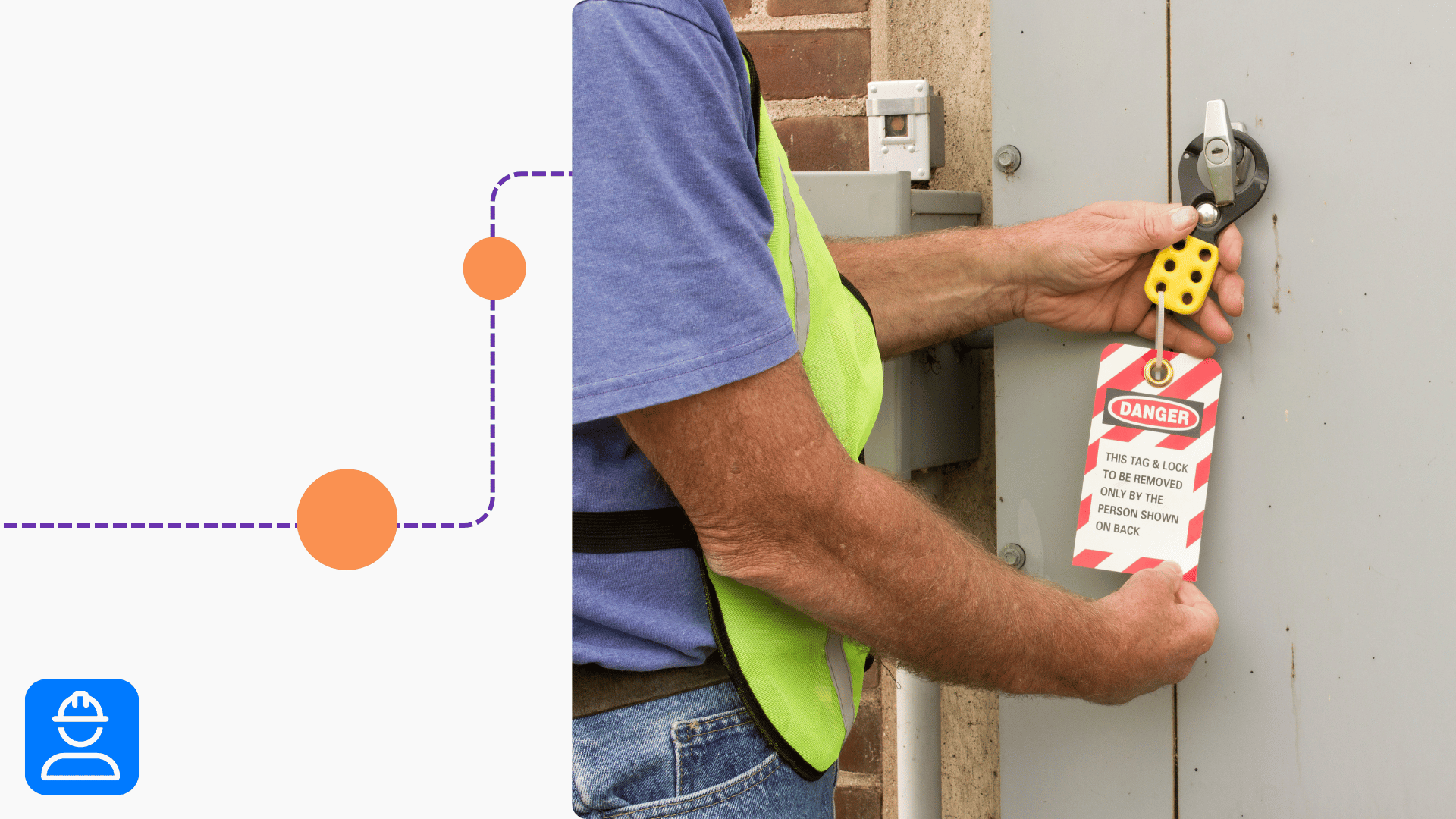
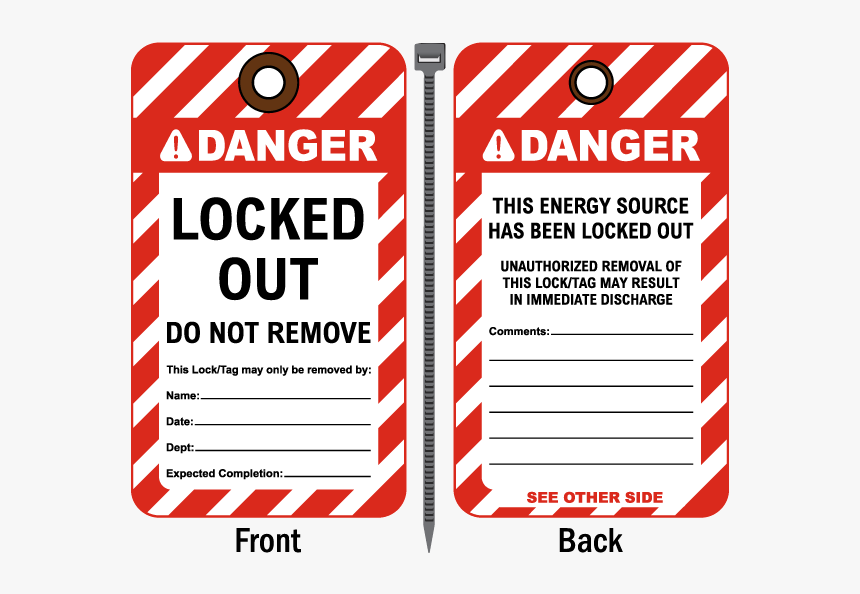
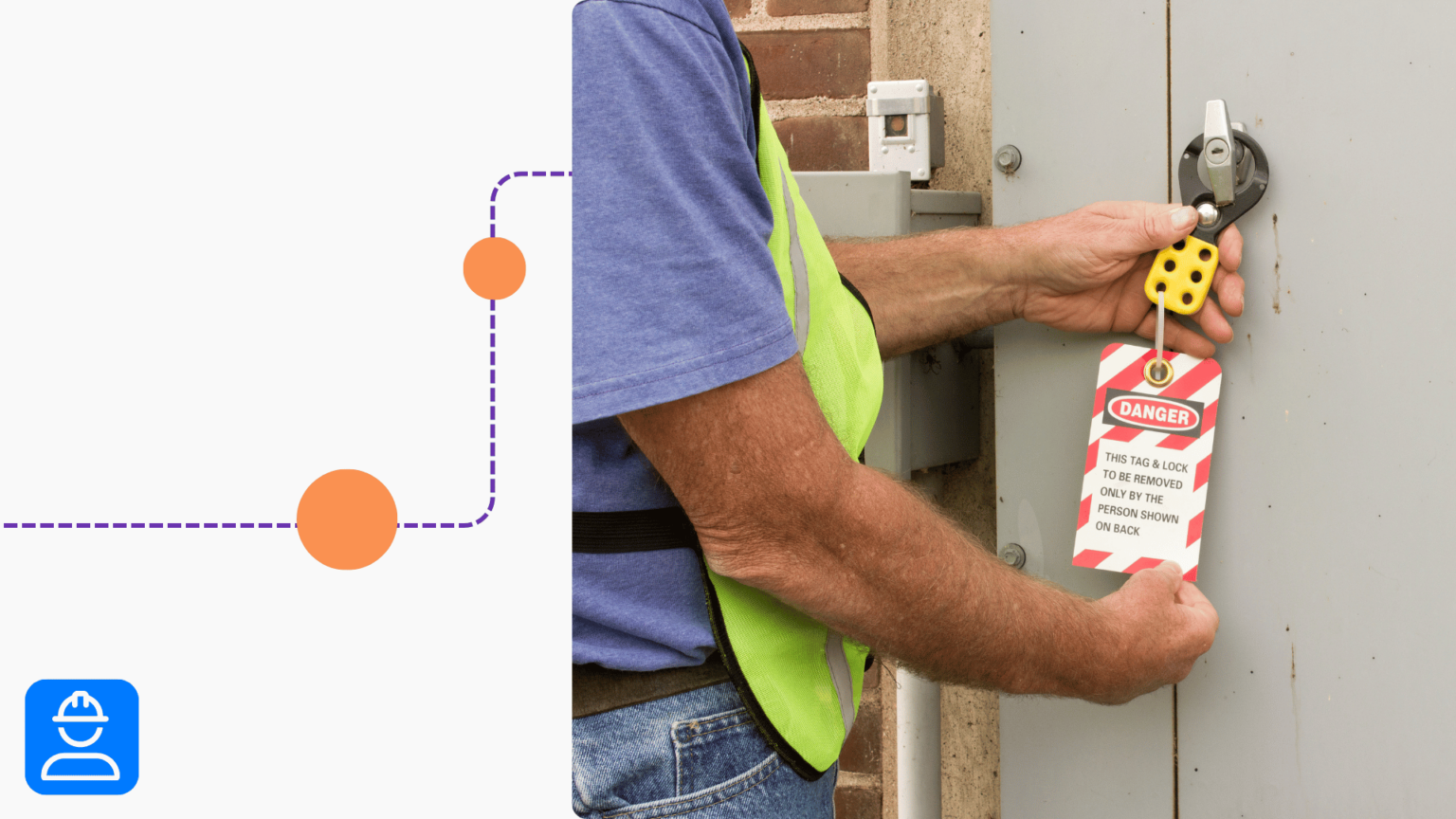
Tags are warnings—not physical safeguards. Yet many workers treat them like locks.
Critical talking points: - Tags can be removed. Locks cannot—unless by the authorized employee - Tags degrade over time (sunlight, moisture) and may become unreadable - Never rely solely on a tag to protect against unexpected startup
Workplace test: Ask attendees to inspect a used tag on-site. Is the text still legible? Is it securely attached?
Takeaway: Tags support locks. They don’t replace them.
#### 4. Group Lockout Procedures Done Right
In team maintenance scenarios, a single misstep in group LOTO can compromise everyone.
Common flaws: - Only one person applies locks, assuming “everyone’s covered” - Missing shift handovers where locks aren’t properly transferred - Incomplete audits of each worker’s lock status
Use case: During a boiler shutdown, three technicians each apply personal locks to a master disconnect. A checklist is used to verify every lock is in place—and every worker signs in. That’s correct group LOTO.
Tip: Introduce a “lockout leader” role who verifies all protection before work begins.
#### 5. Shifting Shifts: Handoff Hazards in LOTO
Shift changes are high-risk moments. A lock removed too early—or left on too long—can cause injury or production delays.
Discussion guide: - Require formal handoff procedures: verbal + documented + physical lock inspection - Use shift logs to record lock status and reason for ongoing isolation - Reinforce that only the original lock owner removes their lock—no exceptions
Real incident: Night crew removes day crew’s locks, assuming work is complete. Machine powers up during diagnostics—nearly catching a technician.
Fix: Implement a tag-out log visible at the lock station with shift handoff signatures.
How to Run an Effective LOTO Toolbox Talk
A good talk isn’t just informative—it’s interactive.
Best practices: - Pick one specific topic—never generalize. “LOTO Basics” is too broad. “Testing for Zero Energy” is actionable. - Use site-specific examples. Reference machines or events workers recognize. - Engage with questions. “Have you ever seen a tag left on after work was done? What happened?” - Keep records. Attendance sheets show compliance during audits. - Rotate facilitators. Let experienced technicians lead—peer teaching increases buy-in.
Avoid these mistakes: - Reading from a script without pause - Holding talks in noisy, distracting areas - Skipping follow-up actions (e.g., inspecting locks post-talk)
Where to Find Quality Free LOTO Safety Topics
You don’t need to create everything from scratch. Several reputable organizations offer free, downloadable LOTO toolbox topics:
| Resource | What They Offer | Access |
|---|---|---|
| OSHA.gov | Official guides, flowcharts, and model procedures | Free, public domain |
| National Safety Council (NSC) | Ready-to-use safety talks and handouts | Free registration required |
| Mine Safety and Health Administration (MSHA) | Industry-specific LOTO examples for heavy equipment | Free PDFs |
| Canadian Centre for Occupational Health and Safety (CCOHS) | Multilingual toolbox talk templates | Free downloads |
| SafetyNow Blog & Resource Hub | Weekly updated talks with discussion prompts | Free with email signup |
Each of these provides editable content—customize them with your facility’s equipment names, lock types, and incident history for maximum relevance.
Common Gaps Even Experienced Teams Miss
LOTO programs often fail not from ignorance—but from overconfidence.
Hidden risks include: - Inadequate verification: Assuming a machine is de-energized without testing - Improper lock placement: Locking out at the control panel instead of the energy-isolating device - Lack of periodic audits: Never observing actual LOTO performance - Poor lock storage: Lost or shared locks leading to key duplication - Contractor disconnects: Outside workers not fully integrated into site LOTO policy
Workflow tip: Conduct a surprise LOTO audit quarterly. Pick a common machine, ask a technician to demonstrate the full procedure, and score each step. Use findings in the next toolbox talk.
Making Free Topics Part of Your Safety Culture
Free resources only work if they’re used consistently.
- Action plan:
- Schedule weekly 10-minute LOTO talks—same time, same day
- Assign supervisors or team leads to rotate facilitation
- Post a monthly LOTO topic calendar in break rooms
- Link topics to recent work orders or maintenance logs
- Reward teams that report near-misses or suggest improvements
When workers see that these talks lead to real changes—like better lock stations or clearer tags—they start to trust the process.
Keep It Simple, Keep It Safe
Lockout/tagout safety doesn’t require expensive programs or elaborate training. It needs attention to detail, consistent communication, and respect for energy sources others overlook. Free toolbox safety topics are more than cost-saving tools—they’re force multipliers for a culture where safety isn’t enforced, it’s expected.
Run your next talk tomorrow. Pick one topic. Ask one question that makes people pause. That’s how habits change.
Frequently Asked Questions
What should be included in a LOTO toolbox talk? A clear topic, real-world example, discussion questions, visual aid (if possible), and an action step like checking a lock or reviewing a procedure.
How often should LOTO toolbox talks be held? At minimum, monthly. Weekly is ideal for high-risk environments or during maintenance-heavy periods.
Can OSHA cite you for not doing toolbox talks? OSHA doesn’t mandate toolbox talks specifically—but they do require employee training and periodic inspections. Toolbox talks are a practical way to meet those requirements.
Who should lead a LOTO toolbox talk? Supervisors, safety officers, or experienced technicians. Rotating leaders increases engagement.
Are free LOTO topics reliable? Yes, if sourced from reputable organizations like OSHA, NSC, or CCOHS. Always customize them to your site’s equipment and procedures.
Do new employees need LOTO toolbox talks? Yes. They should receive initial training and then join regular talks to reinforce learning and observe team norms.
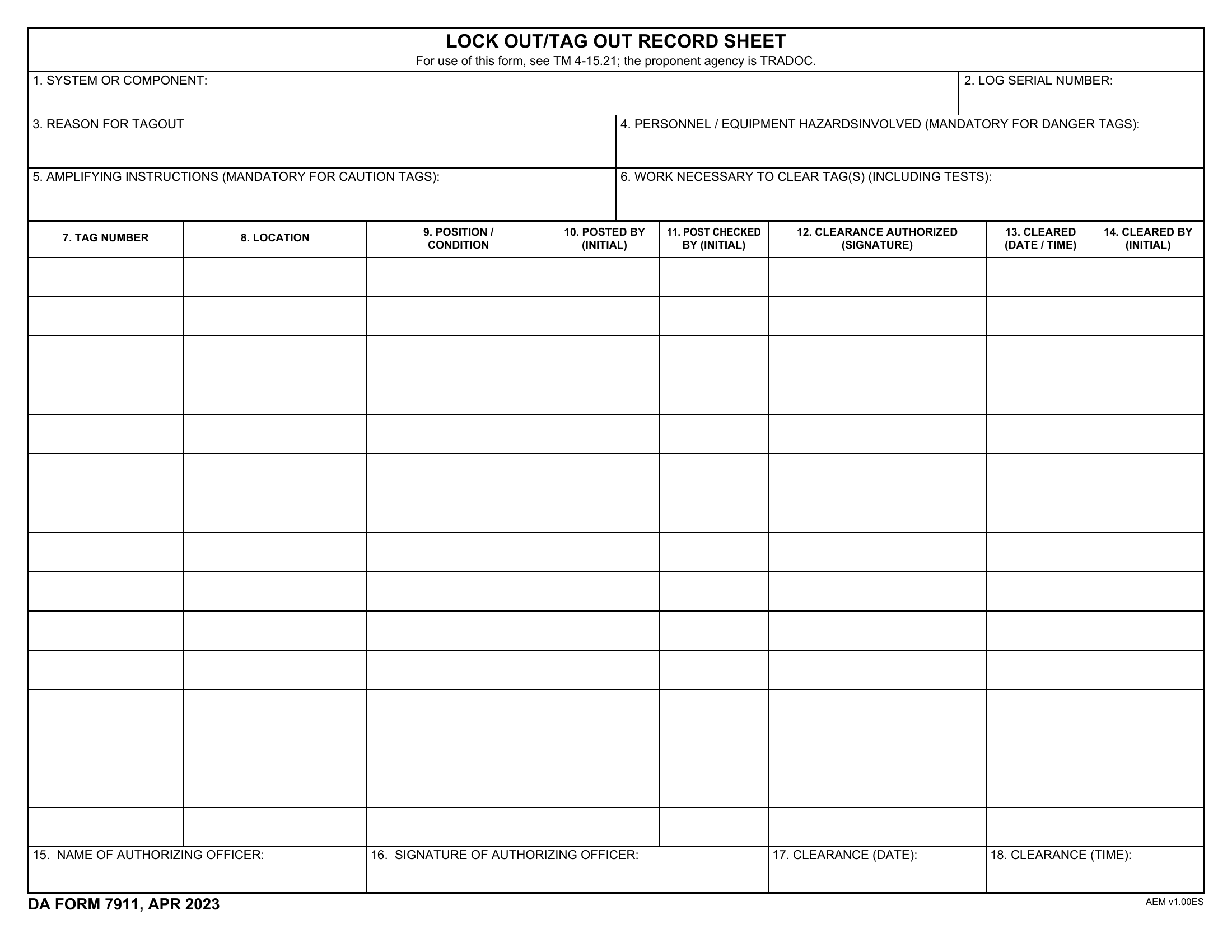
How do you document toolbox talks? Use sign-in sheets with topic, date, facilitator, and attendee names. Store records for at least one year for audit readiness.
FAQ
What should you look for in Essential Free Toolbox Safety Topics for Lockout/Tagout Programs? Focus on relevance, practical value, and how well the solution matches real user intent.
Is Essential Free Toolbox Safety Topics for Lockout/Tagout Programs suitable for beginners? That depends on the workflow, but a clear step-by-step approach usually makes it easier to start.
How do you compare options around Essential Free Toolbox Safety Topics for Lockout/Tagout Programs? Compare features, trust signals, limitations, pricing, and ease of implementation.
What mistakes should you avoid? Avoid generic choices, weak validation, and decisions based only on marketing claims.
What is the next best step? Shortlist the most relevant options, validate them quickly, and refine from real-world results.