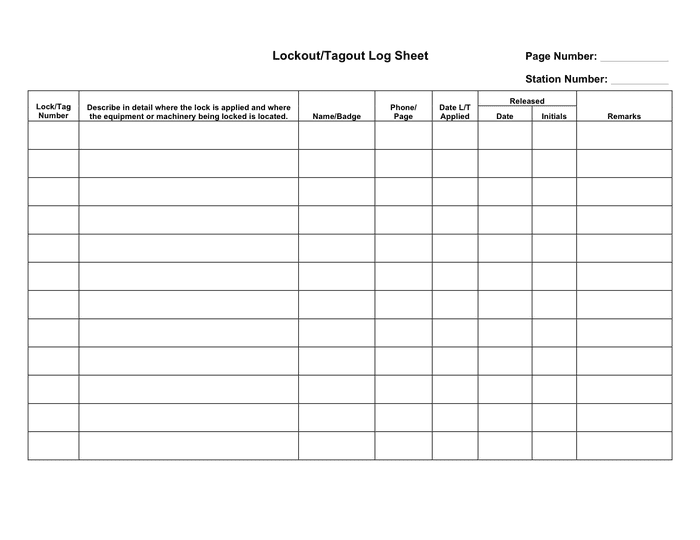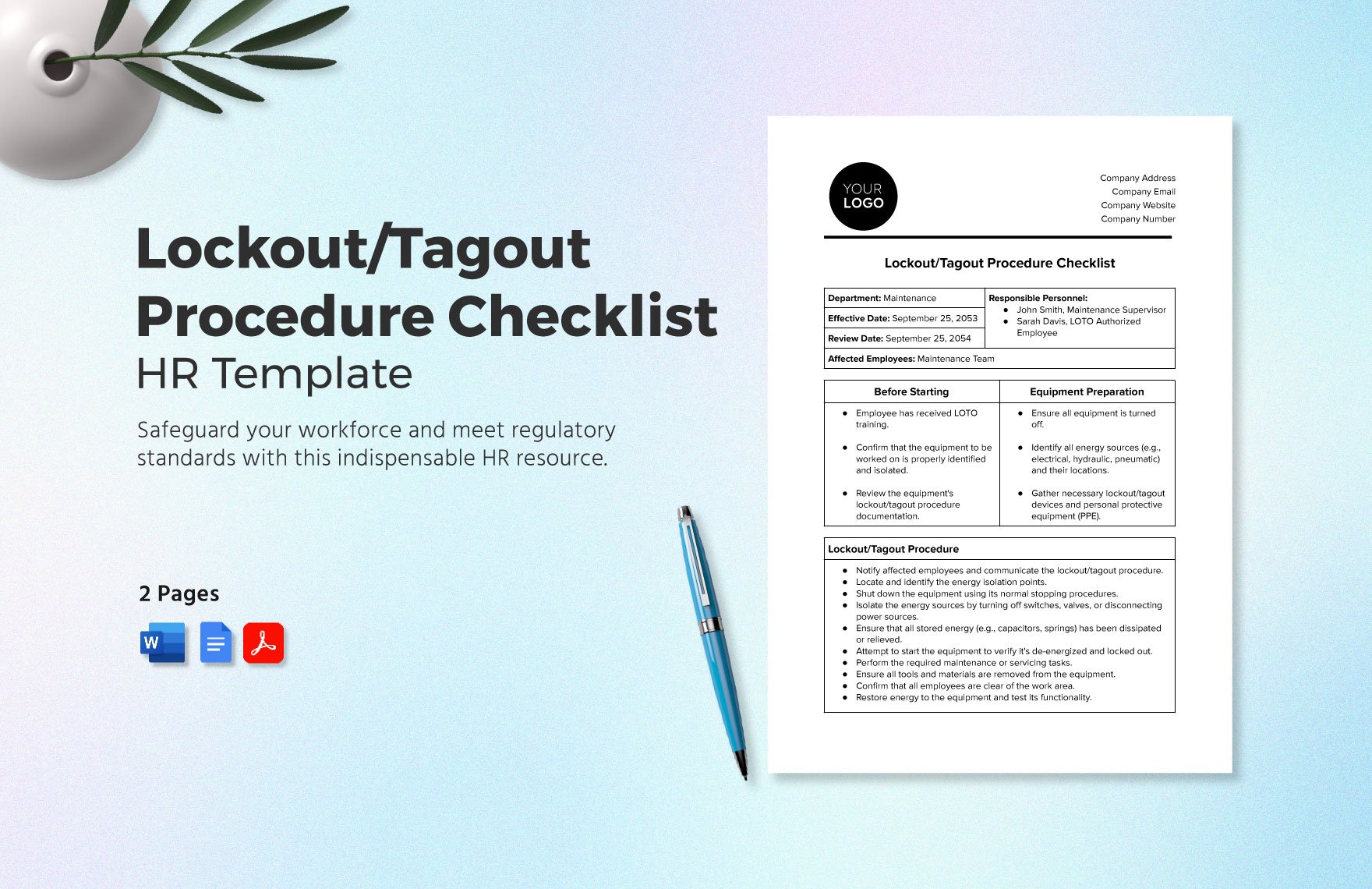
Ignoring a written lockout tagout procedure is like driving without brakes—possible until it isn’t. Every year, preventable energy-related incidents injure or kill workers during equipment servicing. The solution isn’t just training or equipment—it’s a documented, enforceable lockout tagout written procedure that turns safety from policy into practice.
OSHA’s standard 29 CFR 1910.147 mandates that every facility using hazardous energy sources must have a written energy control program. At the core of that program? A site-specific, step-by-step lockout tagout written procedure. Without it, even the best-trained technician is operating blind.
This isn’t about checkbox compliance. It’s about eliminating ambiguity when lives are on the line.
Why a Written Procedure Is Non-Negotiable
Verbal instructions or generic guidelines don’t cut it. A written lockout tagout procedure is the legal and operational backbone of energy control. It ensures consistency, provides training clarity, and serves as a reference during audits or incident investigations.
Consider a maintenance technician servicing a conveyor system. Without written steps detailing which energy sources to isolate, in what order, and how to verify isolation, the risk of accidental startup doubles. A written procedure turns subjective judgment into objective action.
Common triggers for needing a written LOTO procedure include: - Equipment with multiple energy sources (electrical, hydraulic, pneumatic, thermal) - Servicing or maintenance that requires bypassing safety guards - Shared equipment used across departments - Contract workers performing maintenance
When procedures aren’t written, shortcuts emerge. Technicians might skip testing for zero energy, forget to notify affected employees, or misuse tags that aren’t standardized. These aren’t theoretical risks—they appear repeatedly in OSHA’s violation reports.
Core Components of Every LOTO Written Procedure
A compliant and effective written procedure isn’t a one-size-fits-all template. It’s detailed, equipment-specific, and repeatable. Here’s what every procedure must include:
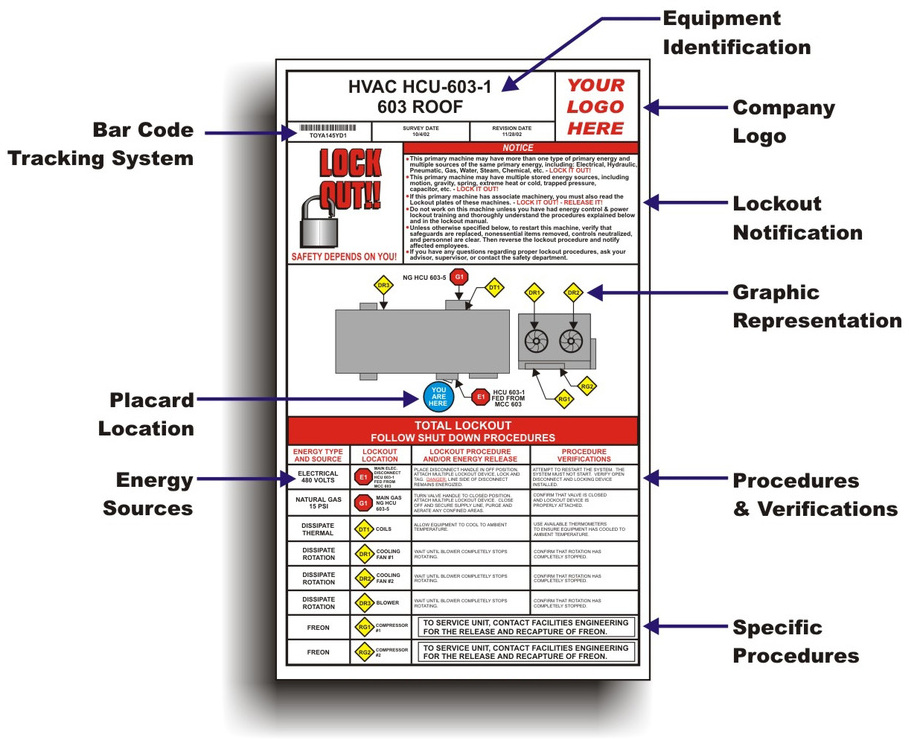
1. Machine or Equipment Identification Clearly name and identify the equipment covered. Use asset numbers, location codes, or diagrams if necessary. Avoid vague terms like “the press” or “main mixer.” Precision prevents confusion.
2. Energy Source Inventory List every type of hazardous energy the equipment uses: - Electrical - Pneumatic - Hydraulic - Chemical - Thermal - Gravitational
For each, specify the isolation point—such as circuit breakers, valve lockouts, or block-and-bleed points.
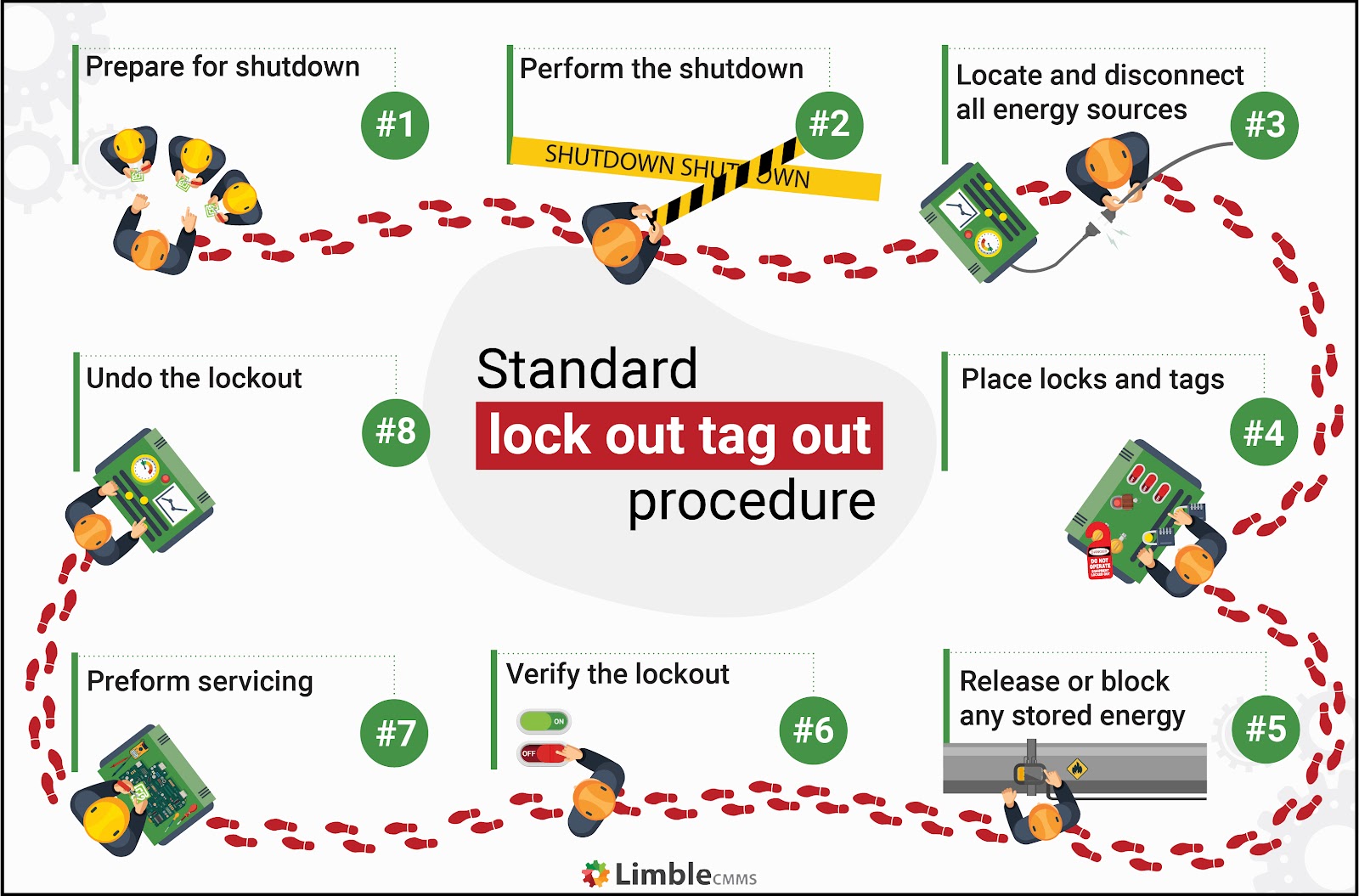
3. Step-by-Step Shutdown Sequence Write a chronological shutdown process. Example:
- Notify all affected employees that servicing will begin.
- Stop the machine using the normal stop button.
- Open the main disconnect switch and verify it’s off.
- Close and lock the hydraulic supply valve with a dedicated lockout device.
- Close and lock the pneumatic isolation valve.
- Release stored energy by opening relief valves.
- Attempt to restart using the start button to verify zero energy state.
Every step must be repeatable by any authorized employee.
4. Application of Locks and Tags Specify:
- Who applies the locks (authorized employees only)
- What type of locks and tags are used
- Where devices are placed
- Whether group lockout is involved
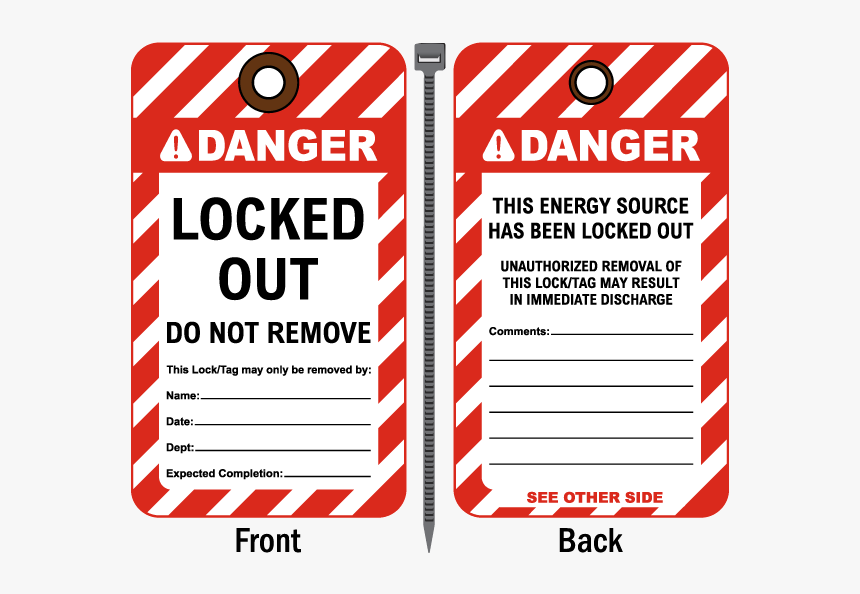
Locks should be personal, keyed differently for each employee. Tags must include the worker’s name, date, and reason for lockout.
5. Verification of Isolation Describe how zero energy is confirmed. This isn’t optional. It includes: - Testing electrical circuits with a voltage tester - Checking pressure gauges on hydraulic lines - Physically inspecting moving parts
Verification must be documented or witnessed.
6. Steps for Equipment Return to Service Re-energizing is just as dangerous as shutdown. The procedure must outline: - Ensuring all tools are removed - Confirming all guards are reinstalled - Notifying affected employees - Removing locks only by the person who applied them - Restarting in a controlled sequence
This section prevents “surprise startups” that cause crush injuries or amputations.
Common Gaps in Written LOTO Procedures
Even facilities with documented procedures often fall short in critical areas:
- Generic templates used across machines
- A single procedure applied to multiple presses or mixers ignores unique energy profiles. Each machine needs its own documented steps.
- Missing verification steps
- Many procedures say “verify isolation” but don’t define how. Workers assume and guess. That’s negligence.
- No provisions for shift changes or contractors
- If a night-shift worker locks out a machine and leaves,交接 (handoff) procedures must exist. Same for third-party technicians.
- Outdated diagrams or energy lists
- After retrofitting or repairs, energy sources can change. The written procedure must be reviewed and updated—annually at minimum.
- Lack of employee involvement
- Procedures written only by safety managers often miss real-world workflow hurdles. Involve technicians in drafting and testing.
One manufacturing plant avoided a serious incident when a maintenance worker followed a revised LOTO procedure that now included depressurizing a newly added pneumatic arm. The original version didn’t list it. The update saved a life.
Real-World Use Cases and Applications
Case 1: Food Processing Plant A meat grinder with dual motors (main drive and auger feed) had caused two near-misses. The old procedure only shut off the main electrical panel. The updated written procedure: - Identified both motors separately - Required lockout of two circuit breakers - Mandated draining of residual meat slurry (a contamination and safety risk) - Added a checklist for lock application and verification
Result: Zero incidents in 24 months post-update.
Case 2: Automotive Assembly Line A robotic welding cell required frequent tool changes. Workers were bypassing lockout, citing time pressure. The new written procedure: - Broke down lockout into “quick-change” vs. “full maintenance” modes - Allowed partial energy isolation for minor adjustments with enhanced tagging - Required full LOTO only for internal access
This practical distinction improved compliance by 70% without sacrificing safety.
How to Write and Maintain Your Procedure
Start with a site audit. Walk every machine. Map energy sources. Involve maintenance leads and operators.
Use this workflow:
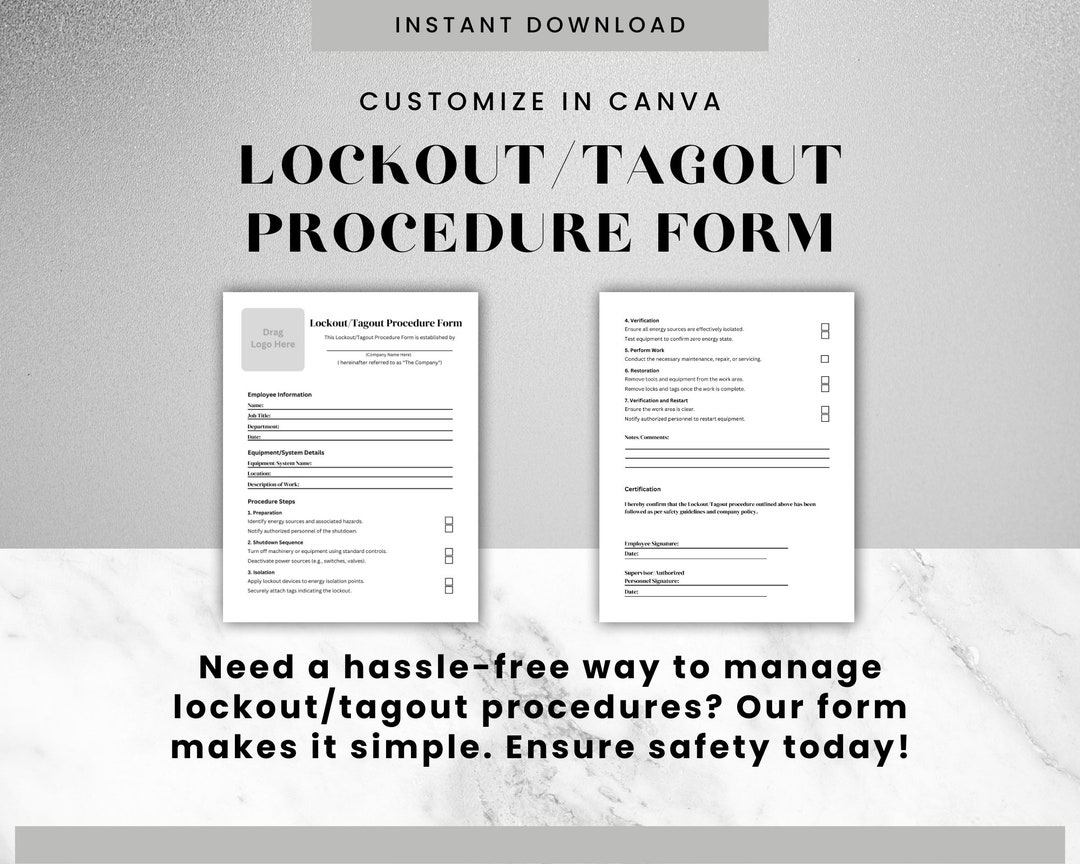
- Select equipment – Prioritize high-risk or frequently serviced machines.
- Document energy sources – Use photos, diagrams, and P&IDs.
- Draft step-by-step instructions – Write in plain language. Avoid jargon.
- Test the procedure – Have an authorized employee follow it while you observe.
- Review and approve – Get sign-off from safety, engineering, and operations.
- Train employees – Conduct hands-on drills using the written procedure.
- Audit annually – Or sooner if equipment changes.
Store procedures in accessible locations—on-site binders, digital tablets at workstations, or posted near equipment. If it’s not easy to find, it won’t be used.
Group Lockout: Special Considerations When multiple workers service one machine, a group lockout procedure must be documented.
Key rules: - Use a master lockbox or group lockout station - Each worker applies their personal lock - Only individual workers can remove their own locks - A primary authorized employee coordinates isolation and verification
The written procedure must clarify roles, communication steps, and shift-change protocols. Without it, workers may remove locks prematurely, assuming work is complete.
One refinery incident occurred when a contractor removed a lock because “the tag said 2-hour duration.” The written procedure didn’t specify that durations are estimates, not expiration times. The machine started, causing severe burns. Clear language matters.
Conclusion: Make It Specific, Make It Usable, Make It Real
A lockout tagout written procedure isn’t just a regulatory formality. It’s a living document that bridges policy and action. The best procedures are precise, practical, and proven.
Start by auditing one high-risk machine. Build a detailed, step-by-step process. Test it. Train on it. Then scale.
Your written procedure should be so clear that a new technician can follow it safely on their first day. If it’s not, rewrite it.
Compliance isn’t the goal—consistent, effective safety is. And that begins with a procedure that’s written not to pass an audit, but to prevent an accident.
What should a lockout tagout written procedure include? It must list equipment details, all energy sources, step-by-step shutdown and startup procedures, lock and tag application instructions, and verification methods for zero energy.
Can one LOTO procedure cover multiple machines? Only if the machines are identical in design, energy sources, and isolation points. In most cases, each machine requires its own documented procedure.
Who is responsible for writing LOTO procedures? The employer is responsible. In practice, this is often done by safety managers with input from maintenance teams and equipment operators.
How often should written LOTO procedures be reviewed? At least annually, or whenever equipment is modified, repaired, or relocated. Any incident or near-miss should trigger an immediate review.
Do tagout-only procedures require a written plan? Yes. Even if locks aren’t used, OSHA requires a written procedure when using tags—especially since tags alone provide less physical protection.
Can digital copies of LOTO procedures be used? Yes, if they’re readily accessible to authorized employees during servicing. Tablets, kiosks, or printed QR codes near equipment are common solutions.
What happens if a written LOTO procedure isn’t followed? The risks include serious injury, OSHA citations, fines (up to $15,625 per violation), and potential criminal charges in fatal incidents.
FAQ
What should you look for in Lockout Tagout Written Procedure: What You Must Include? Focus on relevance, practical value, and how well the solution matches real user intent.
Is Lockout Tagout Written Procedure: What
You Must Include suitable for beginners? That depends on the workflow, but a clear step-by-step approach usually makes it easier to start.
How do you compare options around Lockout Tagout Written Procedure: What You Must Include? Compare features, trust signals, limitations, pricing, and ease of implementation.
What mistakes should you avoid? Avoid generic choices, weak validation, and decisions based only on marketing claims.
What is the next best step? Shortlist the most relevant options, validate them quickly, and refine from real-world results.