Every year, preventable accidents occur during equipment maintenance—workers injured, operations halted, companies fined. At the heart of many of these incidents is a missing or poorly executed lockout tagout standard operating procedure (LOTO SOP). It’s not just about compliance with OSHA; it’s about ensuring that when a machine is down for service, it stays off, and no one gets hurt.
A well-structured LOTO SOP is the cornerstone of energy control in industrial environments. It’s the documented blueprint that turns safety policy into daily action. When done right, it eliminates the risk of unexpected energization, startup, or release of stored energy. When done wrong—or not at all—it becomes a liability.
This guide breaks down the essential components of an effective lockout tagout standard operating procedure, from development to execution, with real-world applications and common pitfalls to avoid.
What Is a Lockout Tagout Standard Operating Procedure?
A lockout tagout standard operating procedure is a formal, written plan that outlines how energy sources are isolated and secured before maintenance or servicing of machinery and equipment. It’s more than a checklist—it’s a sequence of documented steps, roles, responsibilities, and verification protocols designed to protect workers.
The procedure applies to all forms of energy: electrical, mechanical, hydraulic, pneumatic, chemical, thermal, and gravitational. Whether it's a conveyor belt, a press machine, or a high-pressure boiler, if it stores or uses hazardous energy, it requires a LOTO SOP.
OSHA standard 29 CFR 1910.147 establishes the framework, but the real-world effectiveness comes from how precisely the SOP is tailored to the equipment and workforce.
Example: A packaging line at a food processing plant shuts down for a jam clearance. Without a LOTO SOP, a technician might only flip the emergency stop—insufficient protection. With a proper procedure, they would de-energize the motor, lock the disconnect switch, affix their personal lock and tag, and verify zero energy before proceeding.
Key Elements of an Effective LOTO SOP
An effective lockout tagout SOP isn’t one-size-fits-all. It must be specific, enforceable, and easy to follow under pressure. Here are the non-negotiable components:
1. Equipment Identification Each procedure must clearly identify the machine or system it applies to. Use asset tags, names, or serial numbers to avoid confusion.
2. Energy Source Inventory List every energy source associated with the equipment—main power, backup batteries, hydraulic accumulators, springs, etc.
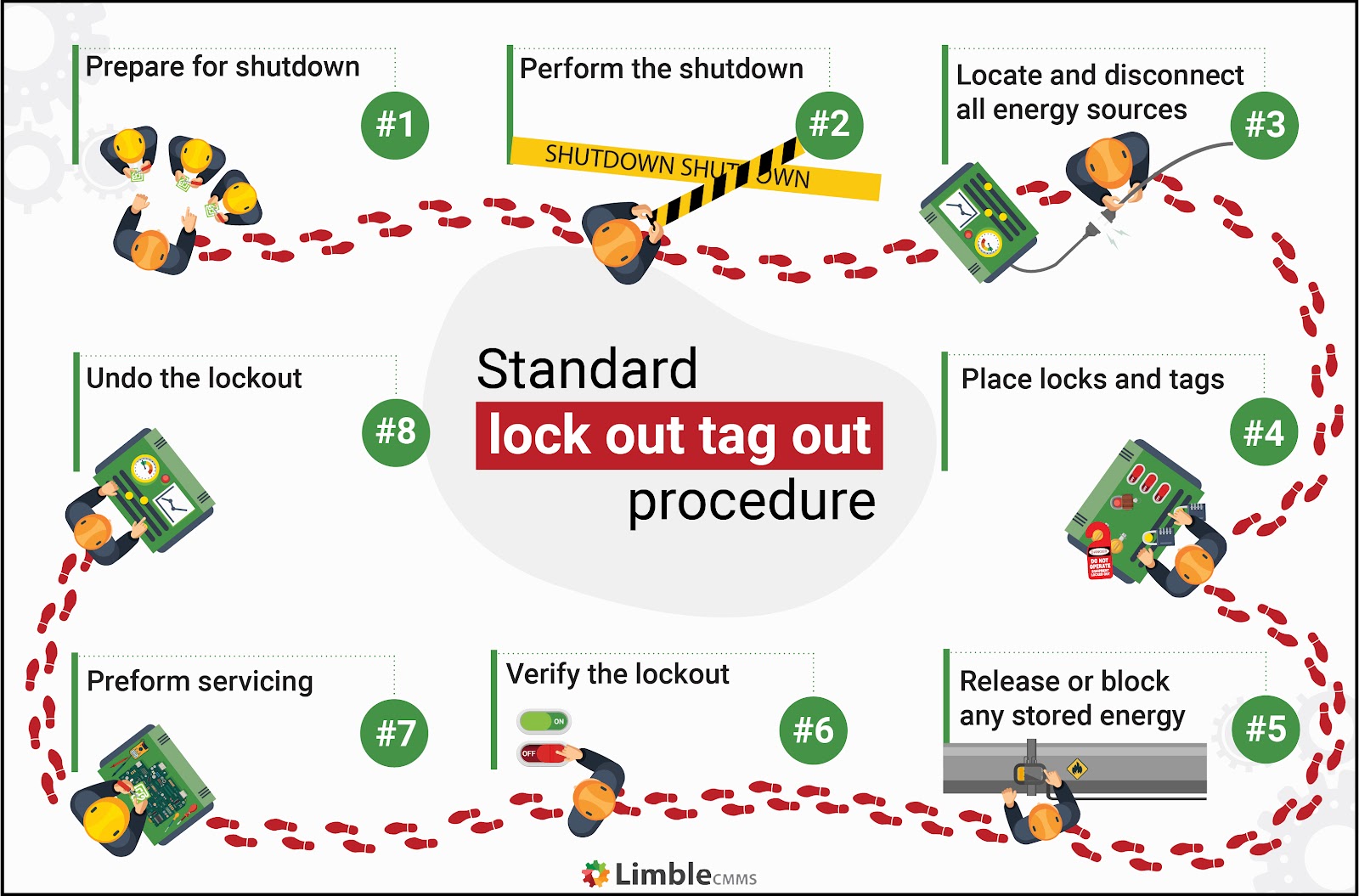
3. Sequence of Shutdown and Isolation Step-by-step instructions for safely shutting down the machine, including stopping processes, allowing cooldown, and disengaging energy sources.
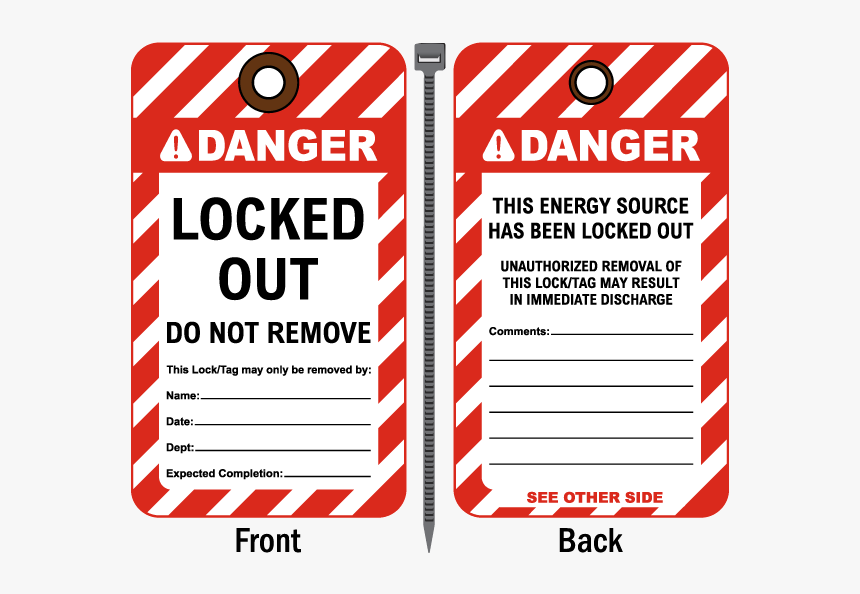
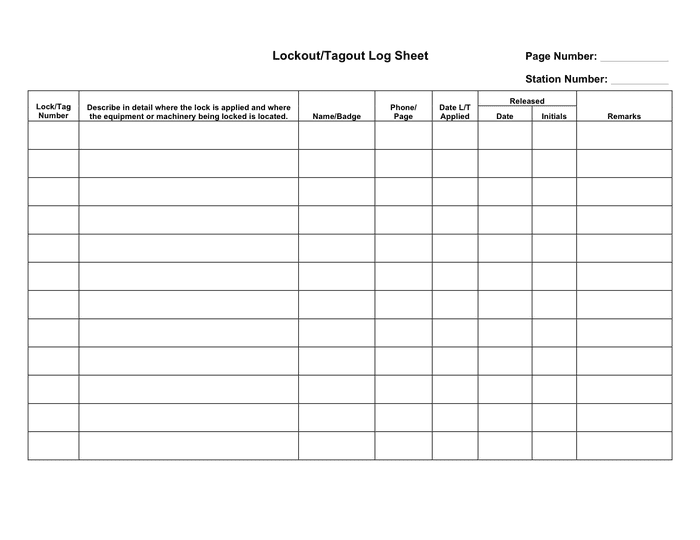
4. Lock and Tag Application Details on where and how to apply locks and tags, who applies them (authorized vs. affected employees), and the use of group lockout devices if multiple workers are involved.
5. Verification of Isolation A mandatory step: after locks are applied, the authorized employee must verify that zero energy exists—through attempted startup, pressure gauge checks, or voltage testing.
6. Clear Roles and Responsibilities Define who is authorized to perform LOTO (trained employees), who is affected (operators), and who oversees compliance.
7. Restoration Procedure Equally important: how to safely remove locks, re-energize, and return equipment to service—only after all workers are clear and tools removed.
Common Mistakes That Undermine LOTO SOPs
Even companies with written procedures fail when execution falters. These are the most frequent missteps:
- Using only a tag without a lock – Tags are warnings, not physical restraints. OSHA allows tag-only use only in exceptional cases where locks aren’t feasible, and even then, extra protective measures are required.
- Group lockout errors – Multiple workers servicing one machine must each apply their own lock. Using a single lock or bypassing the hasp system defeats the purpose.
- Failure to verify isolation – Assuming the machine is de-energized without testing is a recipe for disaster. Always attempt a startup after lockout.
- Inadequate training – Affected employees must understand LOTO basics, even if they don’t perform it. Miscommunication leads to accidental re-energization.
- Outdated procedures – Equipment upgrades or reconfigurations require LOTO SOP updates. A procedure written five years ago may not reflect current hazards.
Real-World Case: A maintenance worker at a paper mill was clearing a jam on a roller system. The LOTO SOP existed, but the energy source inventory missed a hydraulic accumulator. When the line was re-energized, stored pressure caused sudden movement, resulting in a crushed hand. The SOP hadn’t been updated after a system retrofit.
How to Develop a LOTO SOP: A Step-by-Step Workflow
Creating a compliant and practical lockout tagout SOP follows a repeatable process:
Step 1: Identify Equipment Requiring LOTO Start with a plant-wide audit. Focus on machines with hazardous energy potential. Use OSHA’s criteria: if servicing exposes workers to unexpected energization, it needs LOTO.
Step 2: Map Energy Sources For each machine, document every energy input and storage point. Consult equipment manuals and engineering diagrams.
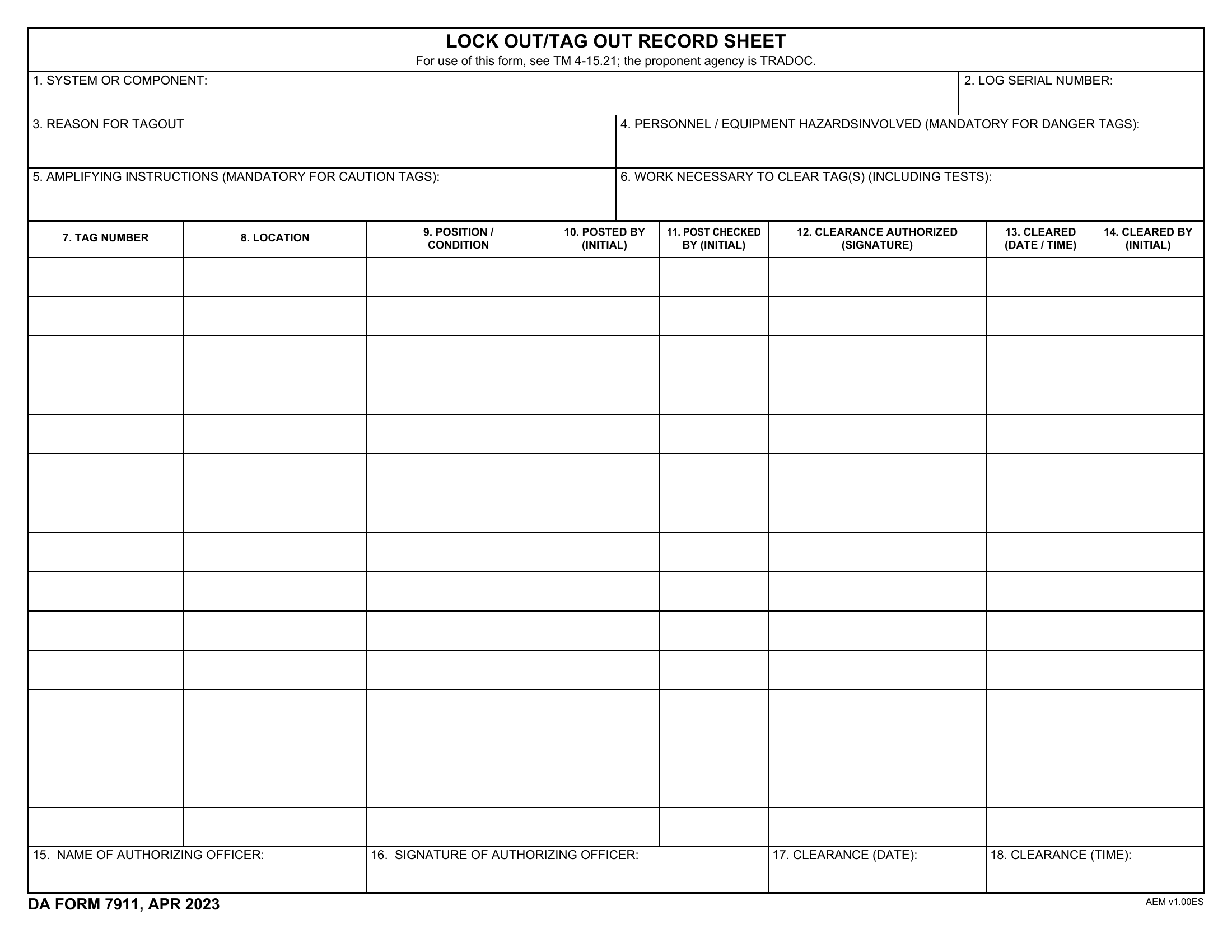
Step 3: Draft the Procedure Use a standardized template. Include shutdown steps, isolation points, lock application locations, and verification methods. Include diagrams if helpful.
Step 4: Validate with a Trial Run Have an authorized employee perform the LOTO using the draft SOP. Note gaps or ambiguities. Refine accordingly.
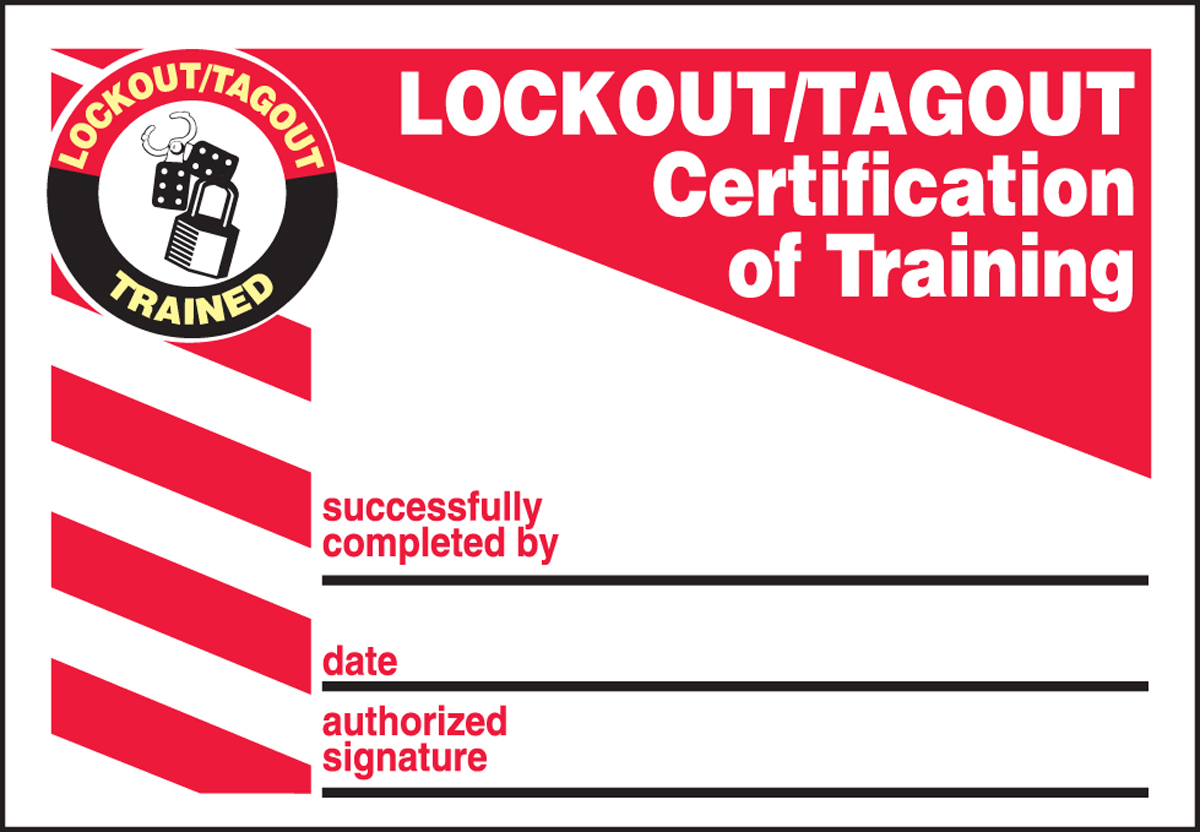
Step 5: Train and Certify Personnel Conduct hands-on training for authorized employees. Affected employees need awareness training. Document all sessions.
Step 6: Review and Audit Annually Schedule annual audits and update procedures after equipment changes, incidents, or near-misses.
LOTO SOP Examples by Industry
One-size-fits-all doesn’t work. Here’s how LOTO SOPs differ across sectors:
Manufacturing High-volume production lines with multiple interlocked machines. SOPs must account for system-wide energy sources and coordination between shifts.

Use Case: An automotive stamping press requires isolation of electrical supply, hydraulic lines, and pneumatic valves. The SOP includes a group lockbox where each technician places their lock before entry.
Healthcare Medical equipment like MRI machines or sterilizers store significant energy. LOTO SOPs must integrate with facility engineering protocols.
Use Case: An MRI suite undergoing coil replacement requires lockout of the main power, cryogen system, and backup generator feed—each with separate locks and verification.
Food and Beverage Wet environments increase electrical risks. SOPs must include drain and dry steps for fluid systems.
Use Case: A mixing tank SOP includes isolating agitator motor power, closing inlet/outlet valves, draining residual product, and locking valve handles.
Construction Mobile equipment like compressors or generators often lack standardized lock points. SOPs must include portable lockout devices.
Use Case: A diesel generator servicing SOP specifies padlocking the starter circuit and fuel shutoff, with tags warning of carbon monoxide risk during testing.
Tools and Devices That Support LOTO SOP Compliance
While the SOP is the plan, physical tools make it actionable. Here are essential LOTO components:
| Tool | Purpose | Example Use |
|---|---|---|
| Lockout Hasps | Allow multiple locks on one isolation point | Machine disconnect switch |
| Valve Lockouts | Secure closed positions of pipe valves | Steam line isolation |
| Circuit Breaker Locks | Prevent re-energizing breakers | Electrical panel maintenance |
| Lockout Stations | Centralized storage for locks, tags, and devices | Production floor safety cabinet |
| Group Lockout Boxes | Coordinate multi-person lockout | Team maintenance on a press |
Pro Tip: Use color-coded locks—by department, shift, or individual—to improve accountability and reduce confusion during shift changes.
Integrating LOTO SOPs into Your Safety Culture
A LOTO SOP isn’t a document buried in a folder. It must be embedded in daily operations. That requires leadership commitment and cultural reinforcement.
- Make it visible – Post SOPs near equipment or use QR codes on machines that link to digital versions.
- Conduct surprise audits – Random checks ensure adherence, not just compliance when supervisors are present.
- Empower workers to stop work – If a LOTO step is missed, any employee should feel authorized to halt the task.
- Review near-misses – Use close calls to improve procedures, not punish individuals.
One plant reduced LOTO-related incidents by 70% simply by adding a 30-second pre-job huddle where the maintenance team verbally confirms each lockout step.
Conclusion: A LOTO SOP Is Not Optional—It’s Essential
A lockout tagout standard operating procedure is more than a regulatory requirement. It’s a lifeline. It turns abstract safety policies into concrete actions that protect people every day.
The best procedures are specific, tested, updated, and lived—not just written. They consider real conditions, human behavior, and the complexity of modern machinery. Whether you’re managing a single facility or a national operation, investing in a robust LOTO SOP isn’t just about avoiding fines. It’s about ensuring that every worker goes home safely.
Start today: audit one machine, draft its SOP, train one team, and verify the process. Then scale. Safety isn’t built in a day—but it starts with one documented step.
Frequently Asked Questions
What is the difference between lockout and tagout? Lockout uses a physical lock to prevent energization. Tagout uses a warning tag. Lockout is preferred; tagout alone is only allowed when locks can’t be used and additional safety measures are in place.
Who is responsible for implementing a LOTO SOP? Employers are responsible for developing and enforcing the procedure. Authorized employees perform lockout; affected employees must understand and respect it.
Can multiple people use the same lock during LOTO? No. Each authorized employee must apply their own personal lock. This ensures individual control and accountability.
How often should LOTO procedures be reviewed? At minimum, annually. Also review after equipment changes, incidents, or near-misses.
Are LOTO SOPs required for corded plug equipment? Yes, if the plug is under the exclusive control of the employee performing service. Unplugging and locking the plug is an acceptable method.
Do contractors need to follow your LOTO SOP? Yes. Employers must ensure that outside contractors comply with site-specific LOTO procedures and coordinate control of energy sources.
Can a LOTO SOP be digital? Yes. Many companies use digital LOTO systems with tablets or mobile apps, as long as the procedure remains accessible, enforceable, and includes all OSHA-required elements.
FAQ
What should you look for in Lockout Tagout Standard Operating Procedure: A Complete Guide? Focus on relevance, practical value, and how well the solution matches real user intent.
Is Lockout Tagout Standard Operating Procedure: A Complete Guide suitable for beginners? That depends on the workflow, but a clear step-by-step approach usually makes it easier to start.
How do you compare options around Lockout Tagout Standard Operating Procedure: A Complete Guide? Compare features, trust signals, limitations, pricing, and ease of implementation.
What mistakes should you avoid? Avoid generic choices, weak validation, and decisions based only on marketing claims.
What is the next best step? Shortlist the most relevant options, validate them quickly, and refine from real-world results.