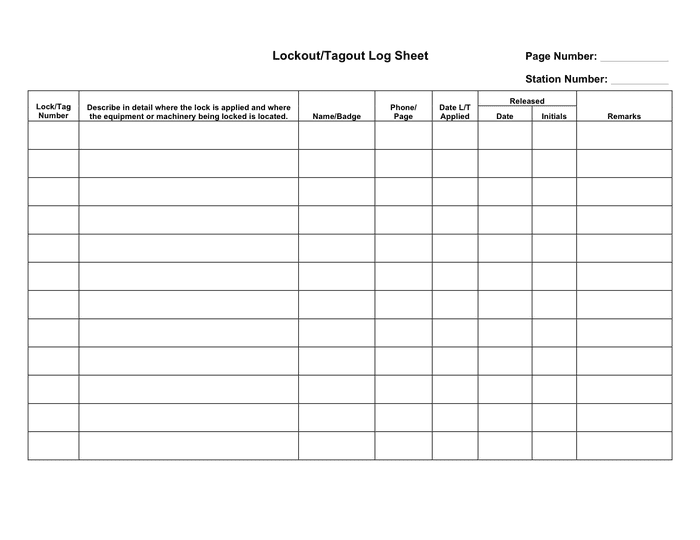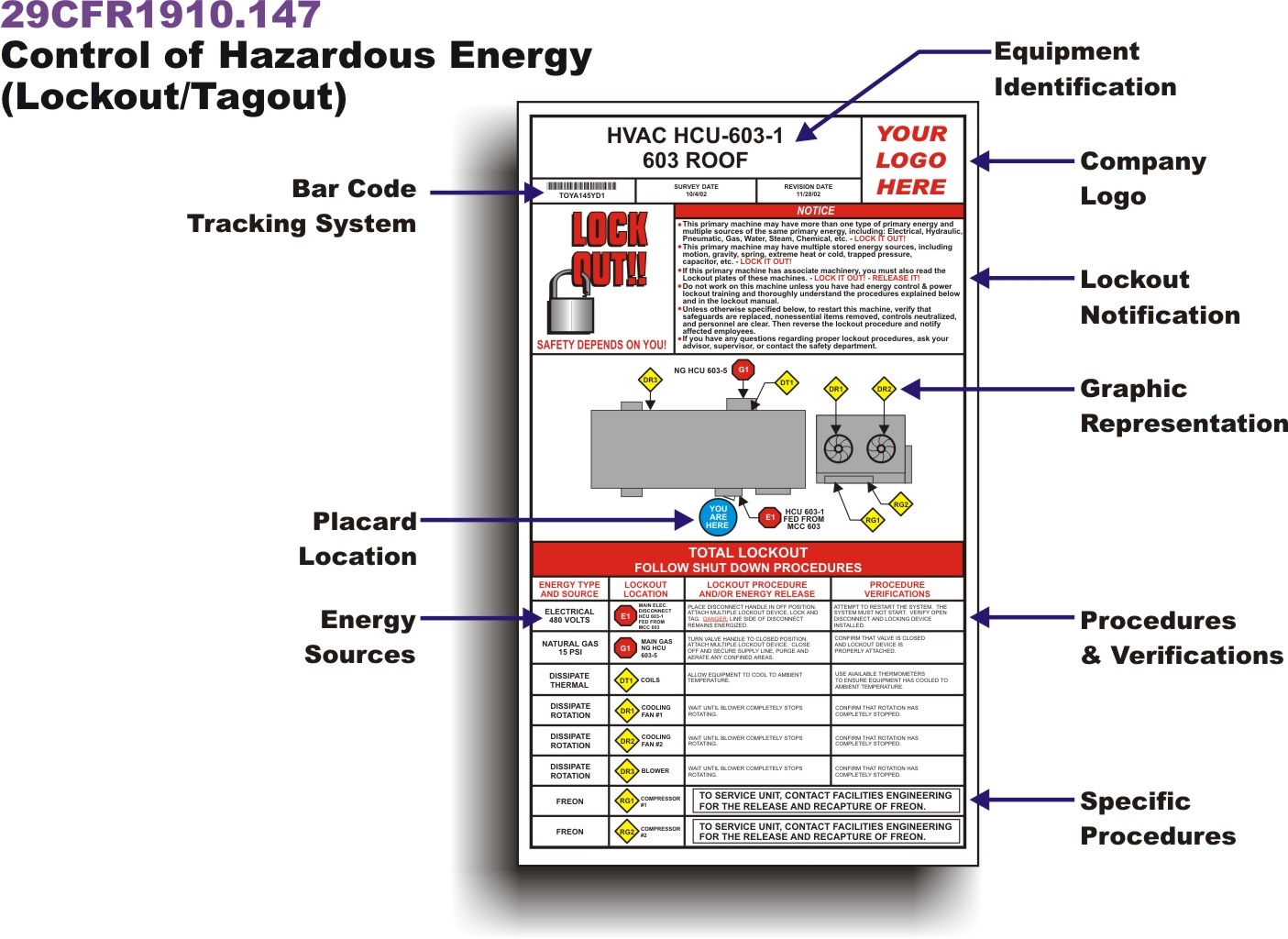
Every year, hundreds of workers suffer serious injuries—or worse—during equipment servicing. The root cause? Failure to properly de-energize machinery. A lockout tagout procedure video isn’t just a training checkbox; it’s a frontline defense against preventable tragedies.
These videos translate complex safety protocols into actionable visuals, making them essential for modern safety programs. They go beyond written manuals by showing exactly how to isolate energy sources, apply locks and tags, and verify zero energy states. In high-risk environments, that clarity can mean the difference between a safe restart and a catastrophic incident.
But not all LOTO videos are created equal. The most effective ones don’t just instruct—they engage, reinforce, and adapt to real-world conditions.
Why Visual Training Beats Paper-Based LOTO Procedures
Written lockout tagout procedures are required by OSHA, but they often fail in practice. Workers skip steps, misunderstand sequence orders, or misidentify energy sources—especially under time pressure. A lockout tagout procedure video combats these gaps by:
- Demonstrating correct sequence: Watching a technician apply locks in the right order reinforces muscle memory.
- Highlighting hazards visually: Flinching at a sudden machine startup in a reenactment has more impact than reading “verify zero energy.”
- Standardizing execution: Every employee sees the same process, reducing interpretation drift across shifts.
For example, in a food processing plant, a maintenance team once bypassed a lockout because the written procedure didn’t clarify that a conveyor’s hydraulic accumulator could retain pressure. A video would have shown the bleed-off step in action, preventing a near-miss.
What to Include in an Effective LOTO Procedure Video
A good video doesn’t just film someone turning off a switch. It tells a complete safety story. Here’s what high-impact lockout tagout procedure videos include:
1. Pre-Operation Briefing Start with a supervisor outlining the scope: which machine, what maintenance, and which energy sources (electrical, pneumatic, hydraulic, thermal, gravity). This sets context and reinforces accountability.
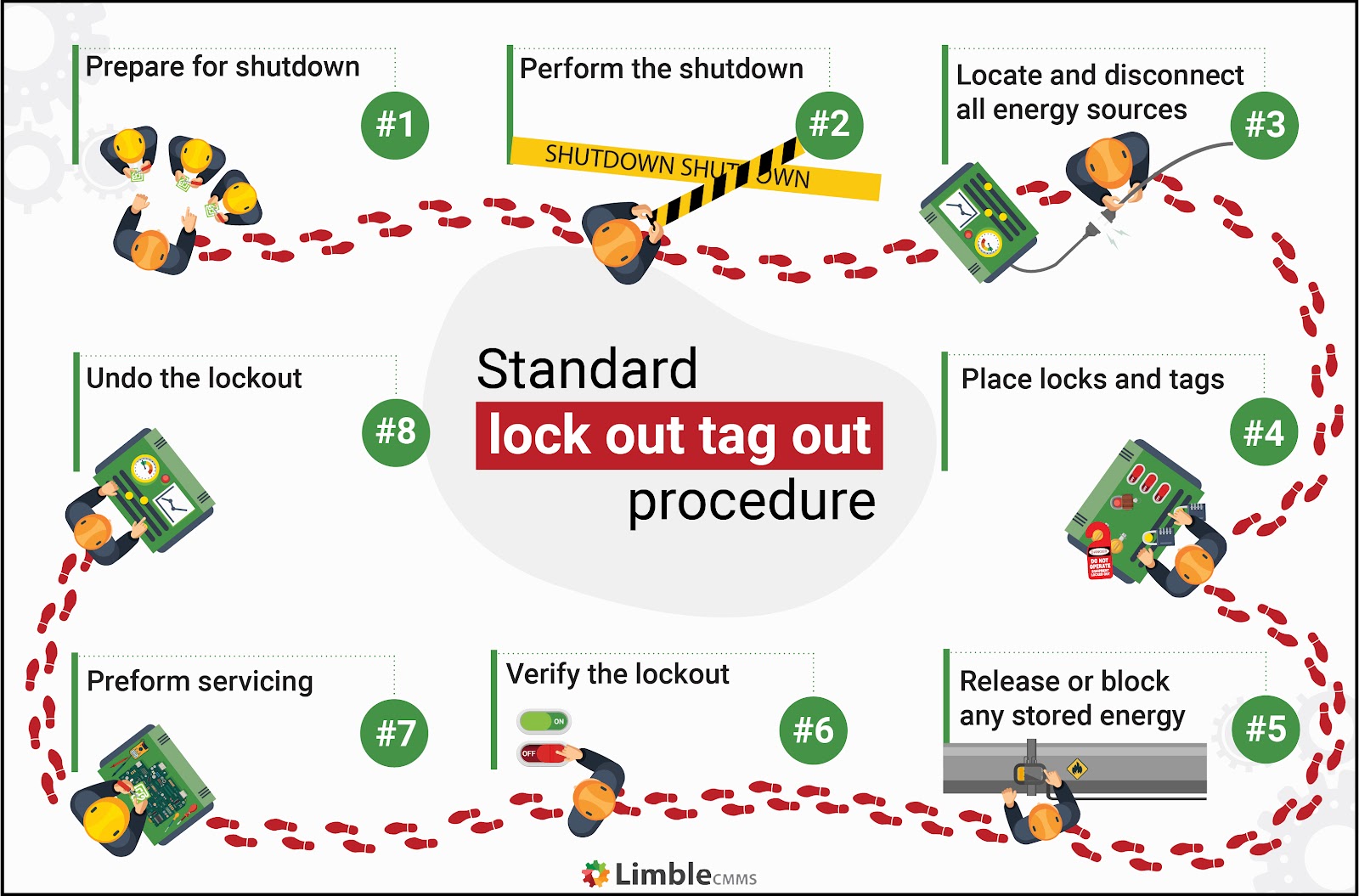
2. Step-by-Step Isolation Show each step in real time:
- Shutting down the machine via control panel
- Locating and isolating all disconnects
- Using lockout devices (hasps, valve locks, plug locks)
- Applying personal locks and tags with employee details
3. Zero Energy Verification
This is the most critical segment. Film the technician testing the circuit—trying to start the machine, checking voltage with a meter, or inspecting for residual pressure. Without this, the procedure is incomplete.
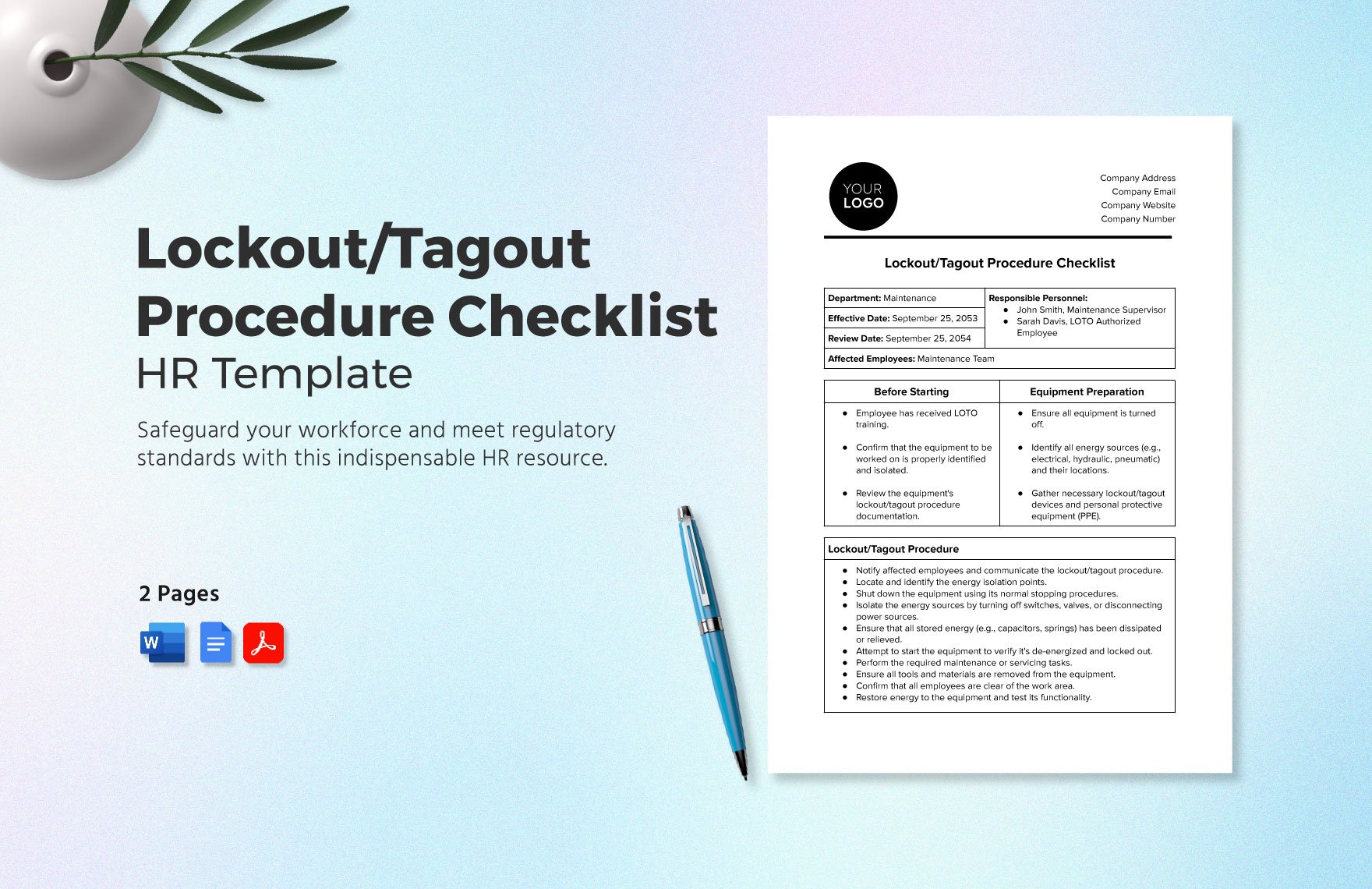
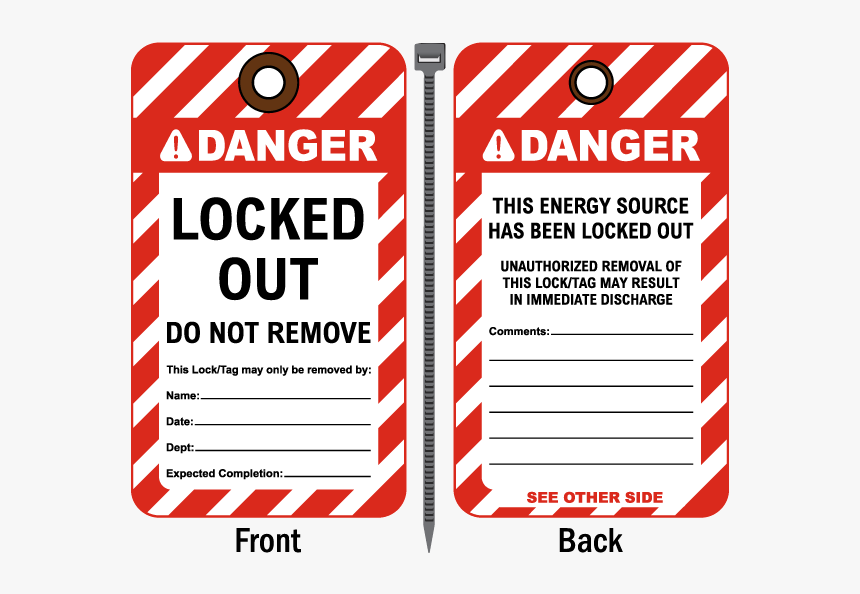
4. Clear Tag Information Zoom in on the tag. It should display:
- Employee name
- Department
- Date and time
- Reason for lockout
5. Controlled Restarts Show how only the authorized employee removes their lock, re-energizes the system, and restarts safely. Emphasize that no one else should remove a lock—even if the person is on break.
A manufacturing plant in Ohio reduced LOTO errors by 78% within six months of introducing site-specific video training. Their secret? Real employees, real machines, real consequences shown in dramatized near-misses.
Common Mistakes in LOTO Videos (And How to Avoid Them)
Even well-intentioned videos fall short when they ignore real-world conditions. Watch out for these flaws:
- Generic footage: Using stock video of a motor lockout when your facility uses complex robotic arms creates disconnect. Use actual equipment.
- Skipping verification: Some videos end after tagging, skipping the “prove it’s dead” step. This undermines the entire process.
- No emergency protocol: What if someone gets injured during lockout? The video should mention emergency contacts and rescue procedures.
- Outdated content: Machines change. A video made five years ago may show a disconnected control panel that’s since been reconfigured.
Solution? Schedule annual video reviews. Update them like any other safety document.
How to Use LOTO Videos in Daily Operations
A video isn’t useful if it’s buried on a server. Integrate it into real workflows:
New Hire Training Pair the video with hands-on drills. After watching, have trainees perform a mock lockout under supervision.
Refresher Courses Play a 90-second clip before shift meetings when maintenance is scheduled. Reinforcement works better than one-and-done training.
Remote Support For satellite facilities, upload videos to a secure portal. Technicians can pull them up on tablets before starting work.
Incident Investigation If a LOTO violation occurs, replay the correct procedure video with the team. Use it as a learning tool, not punishment.
One refinery uses QR codes on machines. Scan it, and a tablet pulls up the exact LOTO video for that unit. Workers report it cuts setup time and boosts confidence.
Top 5 LOTO Procedure Video Platforms for Modern Safety Teams
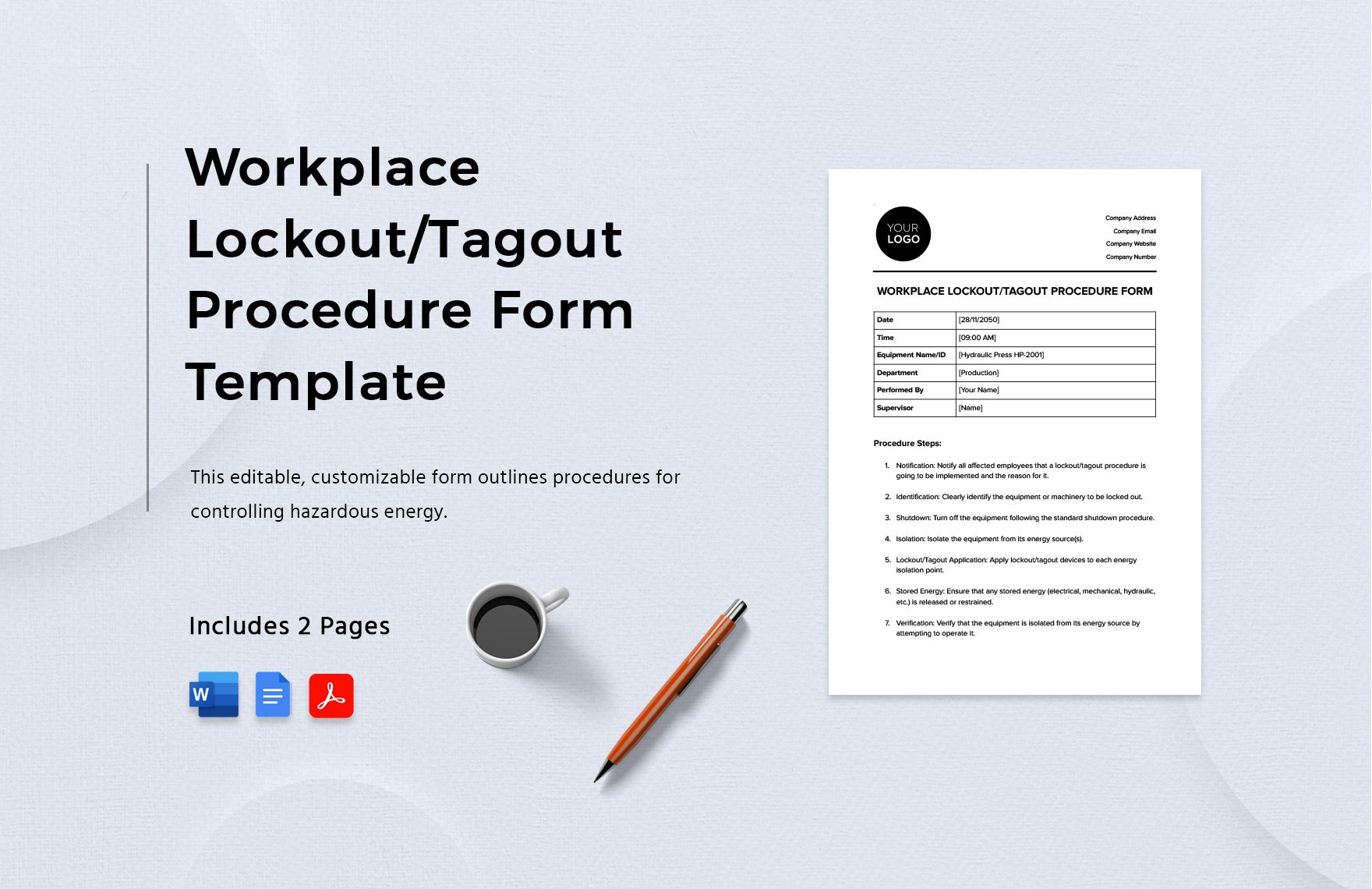
You don’t need a Hollywood budget. These platforms help create, manage, and distribute effective videos:
| Platform | Best For | Key Feature | Pricing Model |
|---|---|---|---|
| Danatec LOTO Pro | Industrial compliance | Pre-built OSHA-aligned video templates | Subscription |
| Videolicious Pro | Rapid on-site creation | Mobile app with voiceover and text overlay | Tiered monthly |
| SafetyTek Vault | Enterprise distribution | Role-based access and tracking | License-based |
| Tango | Frontline workflows | No-code video creation with step tagging | Freemium |
| Koorsen Training Hub | Fire & safety integration | Blended LOTO and fire safety modules | Annual contract |
Each offers cloud hosting, analytics, and mobile access—critical for today’s decentralized teams.
Making Your Own LOTO Video: A Practical Workflow
You don’t need a film crew. Here’s how to make a professional-grade video in-house:
- Plan the script
- List every energy source and isolation point. Involve maintenance leads to avoid oversights.
- Film in real conditions
- Record during a scheduled shutdown. Use natural lighting and real PPE.
- Add voiceover and captions
- Narrate each step clearly. Include subtitles for noisy environments.
- Include real consequences
- Use short dramatizations: e.g., a tag left behind, someone trying to restart—cut to a safety expert explaining the risk.
- Review with OSHA standards
- Cross-check every frame against 29 CFR 1910.147. Document approval.
One paper mill saved $220,000 in downtime by catching a flawed isolation method during video prep—before an accident happened.
The Role of LOTO Videos in OSHA Compliance
OSHA doesn’t mandate video training, but it does require effective employee training and documented procedures. A lockout tagout procedure video satisfies both.
During inspections, you can prove: - Employees were trained (viewing logs) - The procedure matches the machine (site-specific content) - Verification steps are included (on-screen demonstrations)
In one case, a company avoided a $40,000 fine because their LOTO video proved they had trained staff correctly—even though a contractor violated the procedure.
Beyond the Basics: Advanced Uses of LOTO Videos
Forward-thinking companies use these videos for more than compliance:
- Multilingual support: Add voiceovers in Spanish, Tagalog, or Vietnamese to reach diverse teams.
- AR integration: Overlay lockout steps through smart glasses during maintenance.
- Gamified quizzes: After watching, employees answer questions to confirm understanding.
- Digital twins: Sync videos with virtual equipment models for immersive training.
A pharmaceutical plant in New Jersey reduced lockout time by 30% using AR-guided videos, proving safety and efficiency can coexist.
Closing: Turn Knowledge Into Action
A lockout tagout procedure video isn’t a one-time project. It’s a living part of your safety culture. Update it, distribute it, and demand accountability.
Start today: pick one high-risk machine, film the correct LOTO sequence, and show it at your next safety meeting. That single step could prevent the next preventable incident.
Frequently Asked Questions
What is a lockout tagout procedure video? It’s a visual training tool that demonstrates how to safely de-energize machinery using lockout and tagout devices, following OSHA guidelines.
Do OSHA regulations require LOTO videos? Not explicitly, but they require effective training and documented procedures—videos help meet both requirements.
Can we use generic LOTO videos for training? Not effectively. Generic videos often miss site-specific hazards. Custom videos matching your equipment are far more reliable.
How long should a LOTO procedure video be? Ideally 3–7 minutes. Long enough to cover all steps, short enough to hold attention.
Who should appear in the video? Trained employees who perform the actual maintenance. Peer modeling increases engagement and credibility.
Should we include near-miss reenactments? Yes, if done professionally. Realistic dramatizations reinforce consequences without being sensational.
How often should LOTO videos be updated? At least every two years or whenever equipment, procedures, or personnel change significantly.
FAQ
What should you look for in Lockout Tagout Procedure Video Essentials for Workplace Safety? Focus on relevance, practical value, and how well the solution matches real user intent.
Is Lockout Tagout Procedure Video Essentials for Workplace Safety suitable for beginners? That depends on the workflow, but a clear step-by-step approach usually makes it easier to start.
How do you compare options around Lockout Tagout Procedure Video Essentials for Workplace Safety? Compare features, trust signals, limitations, pricing, and ease of implementation.
What mistakes should you avoid? Avoid generic choices, weak validation, and decisions based only on marketing claims.
What is the next best step? Shortlist the most relevant options, validate them quickly, and refine from real-world results.