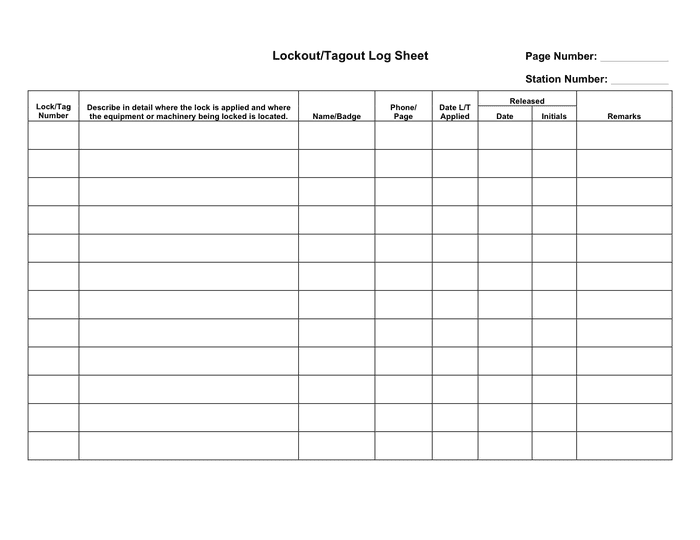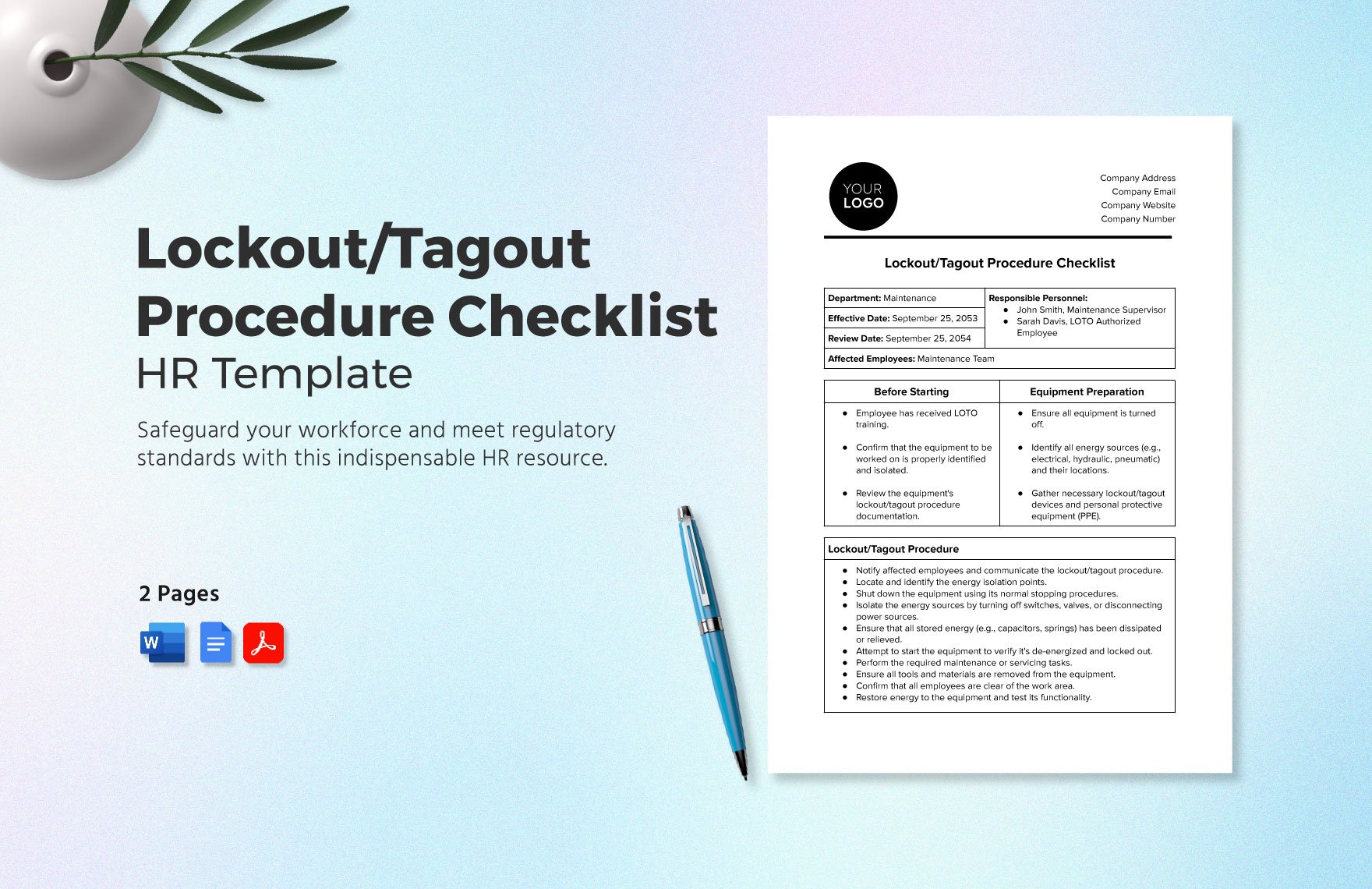
Every industrial workplace faces the same silent risk: machines energized at the wrong moment. Workers servicing equipment assume it's de-energized—until it's not. The result? Crush injuries, electrocution, or worse. The solution isn’t just training or signage. It’s a documented, accessible, and enforceable lockout tagout written procedure PDF—a non-negotiable foundation of energy control.
A properly designed written LOTO procedure turns assumptions into protocol. It eliminates guesswork during maintenance, ensures compliance with OSHA 1910.147, and protects teams from preventable harm. But too often, companies treat these documents as checkbox exercises—generic, outdated, or buried in binders no one reads. This guide cuts through the noise to show you how to create, deploy, and maintain a real-world LOTO written procedure PDF that works.
Why a Written LOTO Procedure Isn’t Optional
OSHA’s Control of Hazardous Energy standard mandates written procedures for any servicing or maintenance where unexpected energization could occur. That means if a machine has electrical, mechanical, hydraulic, pneumatic, chemical, or thermal energy sources, a written LOTO process is required.
But compliance isn’t the only driver. Consider this: In a 2023 incident at a Midwest packaging plant, a technician entered a conveyor system to clear a jam. The supervisor believed the line was locked out. It wasn’t. The machine cycled, resulting in a crushed pelvis and six months of lost time. Investigation revealed the team had no accessible, machine-specific LOTO PDF—only a vague, outdated document from 2018.
A written procedure in PDF format ensures: - Consistent application across shifts - Easy access from tablets or printouts at point of use - Version control and audit readiness - Clarity on who locks, verifies, and restores energy
Without it, you’re not just violating OSHA—you’re betting lives on memory.
Key Components of a Compliant LOTO Written Procedure PDF
A strong LOTO document goes beyond “turn it off and tag it.” It’s a step-by-step blueprint for safety. Your PDF must include:
#### 1. Equipment Identification Clearly name the machine or system. Avoid generic labels like “production line.” Use specific identifiers: - “Line 3 – Primary Extruder, Model XE-450” - “Hydraulic Press #7, Serial HYP7-2031”
#### 2. Energy Sources List every type of hazardous energy involved: - Electrical (480V main feed) - Pneumatic (compressed air lines at 120 PSI) - Mechanical (flywheel with stored kinetic energy) - Hydraulic (oil reservoir under 1,500 PSI)
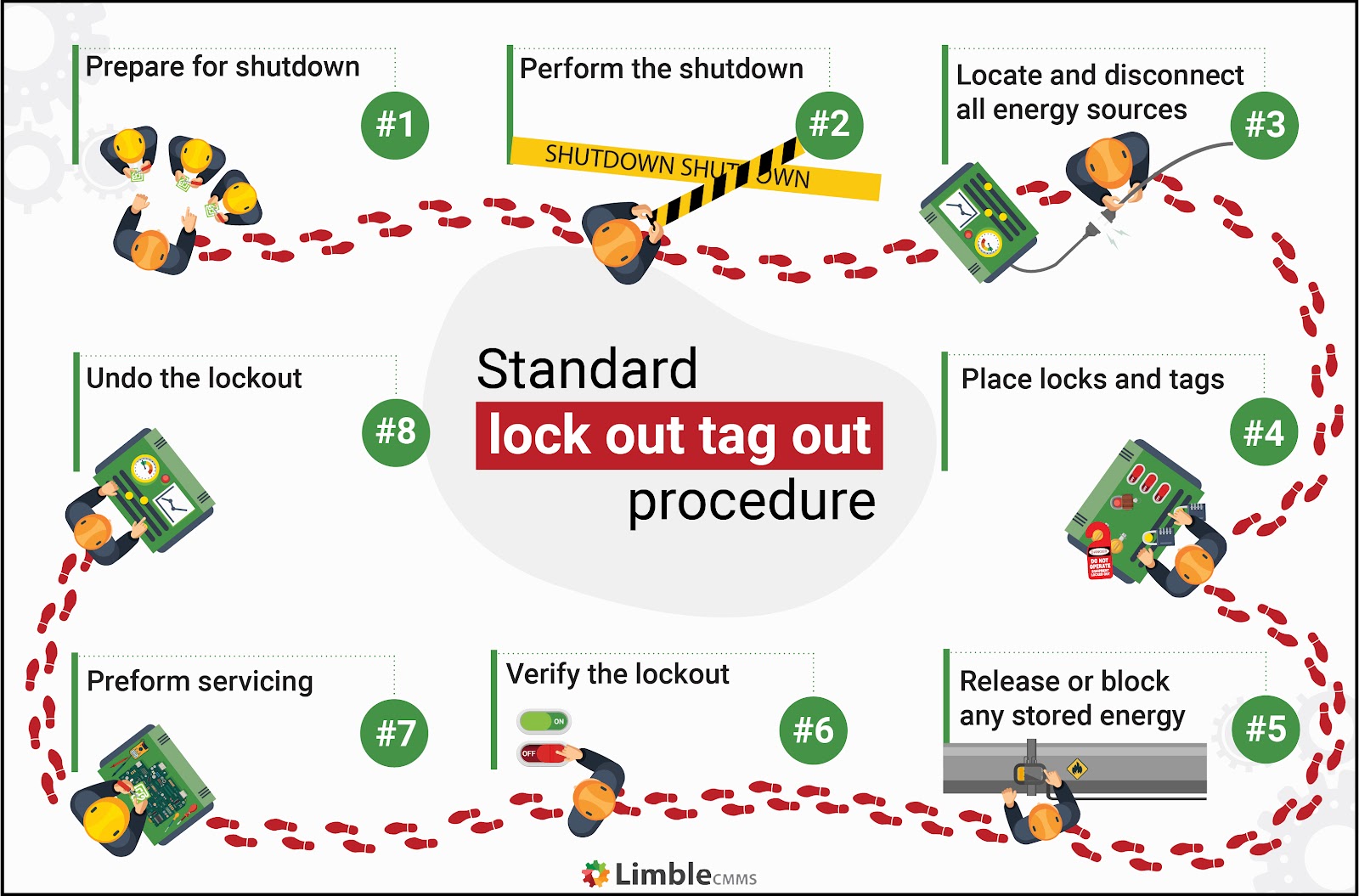
- #### 3. Shutdown Steps Sequence matters. Example:
- Notify all affected employees.
- Press emergency stop.
- Allow machine to come to complete rest (minimum 60 seconds).
- Shut off main disconnect at panel P-12.
#### 4. Isolation and Lockout Detail which energy-isolating devices are used: - Circuit breaker lockout with hasp and 5-lock device - Pneumatic valve lock with sliding shutoff - Hydraulic bleed valve with tag
#### 5. Verification of Zero Energy This is where most failures happen. The procedure must require: - Attempting to start the machine (after confirming area is clear) - Using a voltage tester on conductors - Confirming pressure gauges read zero
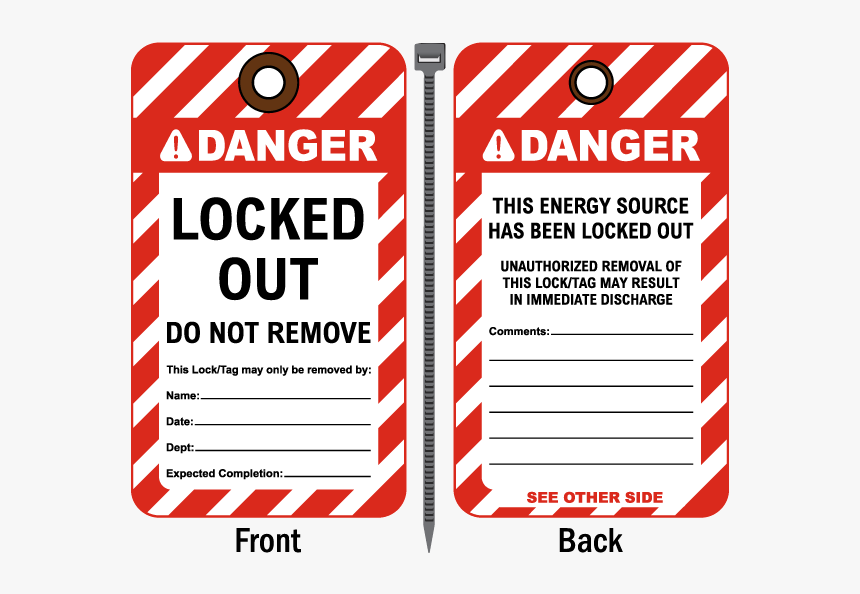
#### 6. Lockout Device Inventory Include: - Type of lock (e.g., brass padlock, keyed alike) - Hasp or group lockbox use - Tag content: “Do Not Operate – Maintenance in Progress, John Doe, 04/05 08:15”
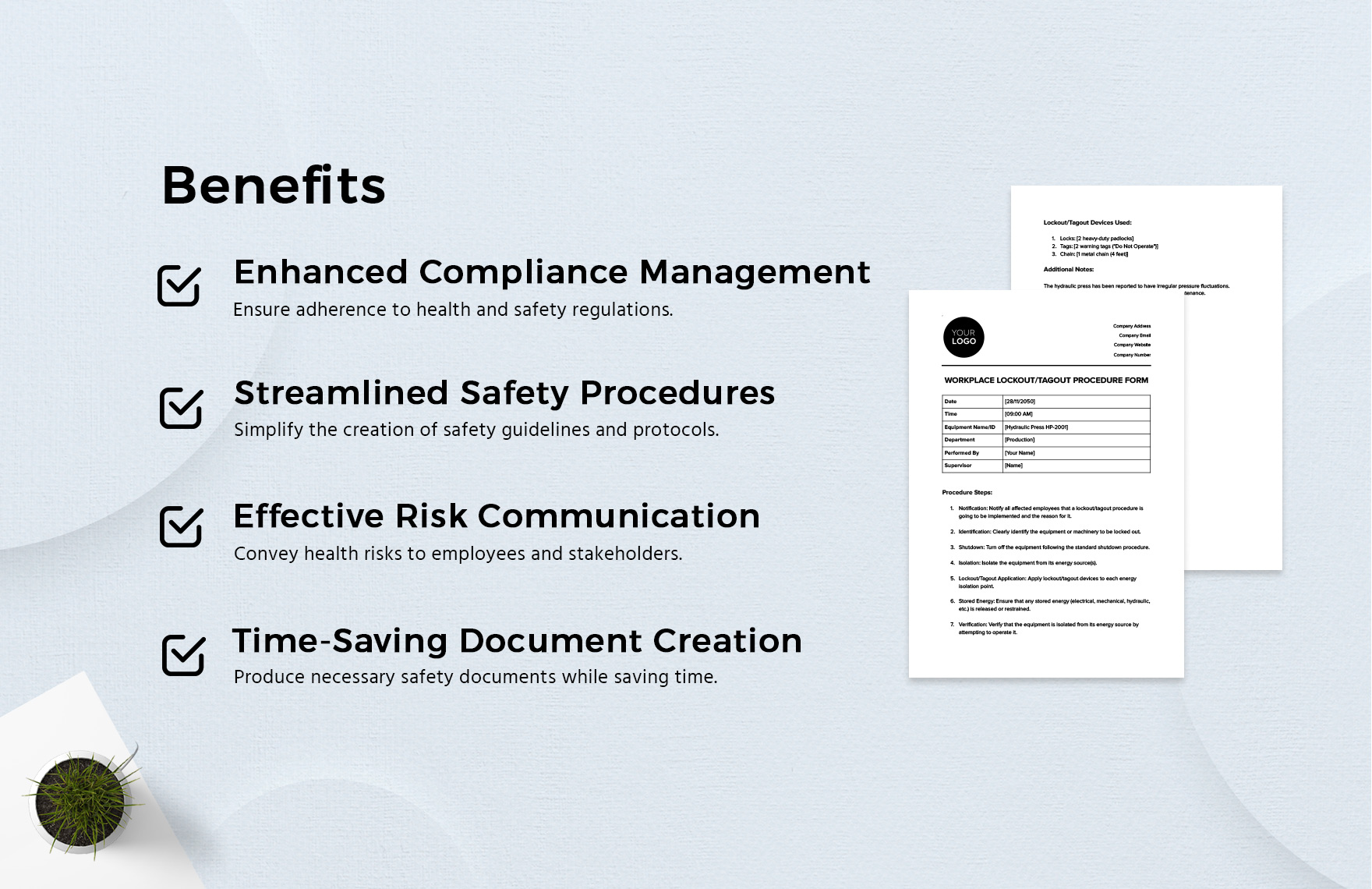
#### 7. Removal and Restoration Outline steps to safely re-energize: - Confirm all tools removed - Verify personnel clear of danger zones - Remove locks only by the person who applied them - Notify operations before restoring power
A well-built PDF includes visuals—simple diagrams of lock points, flowcharts for multi-energy systems, and QR codes linking to digital versions.
Common Mistakes in LOTO PDFs That Undermine Safety
Even compliant documents fail when built poorly. Watch for these red flags:
1. One-Size-Fits-All Templates Using the same procedure for a CNC lathe and a forklift charger ignores critical differences in energy control. Each machine needs its own documented process.
2. Vague Wording Phrases like “ensure machine is off” are useless. Replace with: “Open disconnect switch DS-04 and verify with multimeter.”
3. Missing Verification Steps Locking without verifying is ritual, not safety. If the PDF doesn’t mandate testing, it’s not compliant.
4. Inaccessible Format A 100-page master LOTO PDF with every machine in one file is unworkable. Instead, create individual PDFs per machine or system, stored in labeled folders at each station.
5. No Review Schedule LOTO procedures decay. A PDF from 2019 may not reflect a control system upgrade from 2022. Mandate annual reviews—or after any modification.
How to Build a LOTO Written Procedure PDF: A Step-by-Step Workflow
Creating an effective document isn’t about writing—it’s about observing, testing, and refining.
Step 1: Conduct a Machine Walkthrough With maintenance and operations staff, map every energy source. Use a checklist: - Electrical disconnects - Valve shutoffs - Pressure relief points - Stored energy mechanisms (springs, capacitors)
Step 2: Draft the First Version Use a standardized template. Start with: - Header (equipment ID, date, author) - Scope (what maintenance tasks it covers) - Detailed procedure steps - Diagram or photo with lock points labeled
Step 3: Perform a Dry Run Have a technician follow the written steps during a scheduled maintenance window. Time it. Note where confusion occurs. Did they know which valve to close first? Did verification fail?
Step 4: Revise Based on Feedback Update unclear steps. Add photos. Clarify lock types. Simplify language—this isn’t a legal document, it’s a field guide.
Step 5: Publish and Distribute Save as PDF. Name it clearly: LOTO_Proc_Extruder_Line3_v2.1.pdf Store on shared drive, print at machine station, and link in digital work orders.
Step 6: Train and Audit Conduct hands-on training using the PDF. Audit quarterly: - Are locks applied correctly? - Is the current version being used? - Are tags dated and signed?
Real-World Use Cases: When the PDF Saved the Day
Case 1: Shift Changeover at a Food Processing Plant A night technician needed to clear a jam in a slicer. He pulled up the LOTO PDF on his tablet, verified all three energy sources were isolated, and completed the task safely. The day supervisor later found a faulty interlock—had the machine been re-energized prematurely, it could have cycled. The PDF ensured the lockout held.
Case 2: Contractor Safety at a Chemical Facility An outside vendor was hired to replace a pump. Instead of assuming the unit was safe, they asked for the LOTO PDF. It revealed a secondary nitrogen line that wasn’t obvious. The team locked it out—preventing a potential overpressure incident.
These aren’t outliers. They’re proof that a clear, accessible PDF turns safety from policy into practice.

Best Practices for Maintaining LOTO PDFs Over Time
A static document becomes obsolete. Treat your LOTO PDFs as living resources.
- Version Control: Include revision date and version number on every page.
- Change Triggers: Update after equipment upgrades, near misses, or OSHA audits.
- Central Repository: Use a shared drive or EHS software with access logs.
- Searchability: Name files consistently and include metadata (equipment type, location, energy sources).
- Mobile Access: Ensure PDFs open cleanly on tablets and phones. Avoid scanned images—use text-based files for clarity.
One Midwest manufacturer reduced LOTO errors by 78% in 18 months simply by switching from paper binders to indexed, searchable PDFs on floor tablets.
Where to Find Reliable LOTO Written Procedure PDF Templates
You don’t need to build from scratch. But avoid generic downloads from unknown sites—many lack OSHA alignment or practical detail.
Use these trusted sources:
- OSHA.gov
- - Offers sample procedures and compliance guides
- - Free, authoritative, but requires customization
- National Safety Council (NSC) Resource Library
- - Industry-specific templates
- - Requires membership for full access
- EHS Software Platforms (e.g., Procore, Safesite)
- - Digital LOTO modules with exportable PDFs
- - Integrates with training and audit trails
- Industry Associations (e.g., NFPA, ANSI)
- - Publish best practice frameworks
- - Often include procedural outlines
- In-House Engineering Teams
- - Best for custom or proprietary equipment
- - Combine technical specs with safety workflow
When using templates, always validate against your actual equipment. A boilerplate PDF might miss your facility’s unique interlocks or bleed procedures.
Final Thoughts: Make Your LOTO PDF a Tool, Not a Form
A lockout tagout written procedure PDF should be dog-eared, annotated, and pulled up dozens of times a month. If it’s gathering dust, it’s failing.
The best versions are: - Written in plain language - Packed with visuals - Built with input from the people who use them - Updated like any critical operational document
Don’t wait for an incident or an OSHA citation. Audit your current LOTO PDFs today. Are they clear? Are they current? Can a new hire follow them without help?
If not, rebuild them—now. Safety isn’t about having a document. It’s about having one that works when it matters most.
Frequently Asked Questions
What should a lockout tagout written procedure include? It must list equipment, energy sources, shutdown steps, isolation methods, verification of zero energy, and procedures for removing locks and restoring power.
Can a LOTO procedure be digital? Yes. PDFs stored on tablets, kiosks, or mobile EHS apps are compliant as long as they’re accessible to authorized employees during maintenance.
Who writes the LOTO procedure? Typically, a team including safety officers, maintenance supervisors, and equipment operators. Final approval should come from EHS or plant management.
How often should LOTO procedures be reviewed? At least annually, or whenever equipment is modified, after an incident, or when new hazards are identified.
Are photos required in a LOTO PDF? Not required by OSHA, but highly recommended. Labeled images of lock points improve clarity and reduce errors.
Can one procedure cover multiple machines? Only if they are identical in energy sources and control methods. Otherwise, each machine needs its own documented process.
What’s the penalty for not having a written LOTO procedure? OSHA fines can exceed $15,000 per violation. More critically, lack of documentation increases liability in injury cases.
FAQ
What should you look for in Lockout Tagout Written Procedure PDF Guide for Safety Teams? Focus on relevance, practical value, and how well the solution matches real user intent.
Is Lockout Tagout Written Procedure PDF Guide for Safety Teams suitable for beginners? That depends on the workflow, but a clear step-by-step approach usually makes it easier to start.
How do you compare options around Lockout Tagout Written Procedure PDF Guide for Safety Teams? Compare features, trust signals, limitations, pricing, and ease of implementation.
What mistakes should you avoid? Avoid generic choices, weak validation, and decisions based only on marketing claims.
What is the next best step? Shortlist the most relevant options, validate them quickly, and refine from real-world results.