Every time a machine requires maintenance, energy sources must be neutralized. When multiple workers are involved, a single lock isn’t enough. That’s where lockout tagout multiple locks come into play—ensuring every technician has physical control over machine re-energization. Mismanaging this step risks catastrophic injury, compliance penalties, and operational delays.
OSHA’s Control of Hazardous Energy (29 CFR 1910.147) mandates that each authorized employee servicing equipment applies their own lock and tag. This isn’t just bureaucracy—it’s a layered defense against accidental startup. When multiple technicians are working on a single machine, multiple locks become non-negotiable. Yet, in high-pressure environments, shortcuts creep in: shared hasps, buddy locking, tag-only systems. These practices erode safety and violate standards.
This article breaks down how to implement, manage, and audit multi-lock LOTO systems correctly—so no worker is left exposed.
Why Multiple Locks Are Non-Negotiable in LOTO
A single lock assumes one person controls the hazard. But in real-world maintenance, multiple technicians often service different parts of the same machine. One worker may be clearing a conveyor jam, another replacing a motor, and a third calibrating hydraulics. If only one lock is used, the machine could be unlocked before all work is complete.
Multiple personal locks solve this. Each worker places their individual lock on a group energy-isolating device—like a hasp or breaker lockout. The machine cannot restart until every lock is removed. This “last lock off” principle ensures no one is trapped inside a machine zone when power returns.
Consider a real case: A maintenance team at a Midwest packaging plant ignored multi-lock protocol. One technician applied a single lock while three others worked inside a palletizer. A supervisor, unaware of ongoing work, removed the lock during shift change. The machine cycled—resulting in a crushed hand and a $127,000 OSHA fine. The root cause? Failure to use multiple locks.
The Anatomy of a Multi-Lock LOTO Setup
Implementing multiple locks isn’t just about adding hardware—it’s a system. Here’s how it’s structured:
- Energy Isolation Point
- Identify where energy (electrical, hydraulic, pneumatic, etc.) enters the machine. This could be a circuit breaker, valve, or disconnect switch.
- Primary Lockout Device
- Apply a base lockout (e.g., a circuit breaker lock or valve lock) to isolate energy.
- Group Lockout Hasp
- Attach a multiple-lock hasp (often 6–10 lock capacity) to the isolation point. This allows each worker to apply their personal lock.
- Individual Locks & Tags
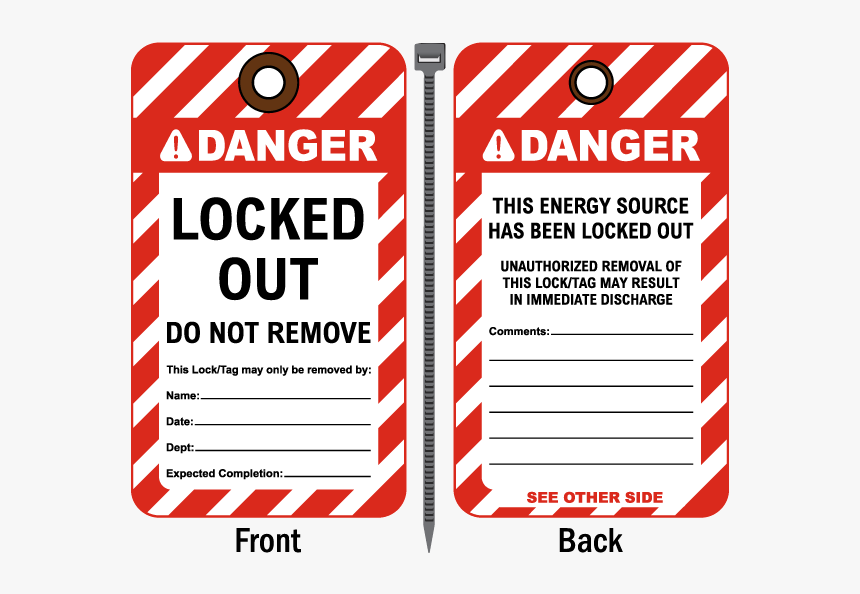
- Each technician applies their own padlock and tag. Tags must include name, department, time, and reason for lockout.
- Verification
- Before work begins, all workers confirm zero energy state—using test instruments, bleed-down procedures, or physical checks.
This system is scalable. For complex equipment with multiple energy sources (e.g., a CNC press with electrical, air, and hydraulic lines), multiple hasps may be used—one per energy source—each secured with individual locks.
Common Mistakes in Multi-Lock LOTO
Even experienced teams make critical errors. These undermine safety and invite regulatory scrutiny:

- Using a Single Lock for Multiple Workers
- This violates OSHA’s “one person, one lock” rule. No exceptions—even for quick tasks.
- Buddy Locking
- One worker removing another’s lock because “they’re on break” is a deadly shortcut. Only the person who applied the lock may remove it.
- Tag-Only Systems Without Locks
- Tags are warnings, not physical barriers. OSHA permits tag-only use only in rare cases (e.g., when lockout is impossible), and even then, extra safeguards are required.
- Shared Hasps Without Control
- Using a communal hasp without a designated procedure leads to confusion. Who verifies all locks are removed? Who stores the hasp?
- Poor Lockout Station Management
- Locks, tags, and hasps left in toolboxes or unsecured areas invite misuse. Dedicated LOTO stations with assigned kits prevent chaos.
A Midwest chemical plant learned this the hard way. During a reactor cleaning, two workers applied locks, but a third used only a tag. The tag was overlooked during shift turnover, and the reactor pressurized mid-cleaning. The near-miss prompted a full procedural overhaul—including mandatory multiple-lock training.
Tools and Devices for Multi-Lock LOTO
The right hardware ensures reliability and compliance. Here are five essential tools:
| Tool | Purpose | Example Use Case |
|---|---|---|
| Multi-Lock Hasps | Allow multiple locks on one isolation point | Attaching to a circuit breaker lock |
| Breaker Lockouts (Multiple) | Secure individual or grouped breakers | Isolating a three-phase panel |
| Valve Lockout Devices | Prevent valve operation | Locking open/closed pneumatic valves |
| Lockout Stations | Centralized storage for locks, tags, hasps | Floor-mounted cabinet near production line |
| Portable Lockout Boxes | Secure keys during multi-step procedures | Managing stored energy in robotic cells |
Each device must be durable, standardized, and resistant to environmental hazards. Use color-coded locks (e.g., red for maintenance, blue for contractors) to improve visibility and accountability.
Managing Shift Changes and Extended Lockouts
One of the toughest challenges: what happens when a worker’s shift ends, but the job isn’t done?
OSHA allows shift交接 (shift turnover) under strict conditions:
- The oncoming worker must apply their lock before the outgoing worker removes theirs.
- A formal handover must occur—verbal, documented, and witnessed.
- The machine remains locked out until all locks are removed.
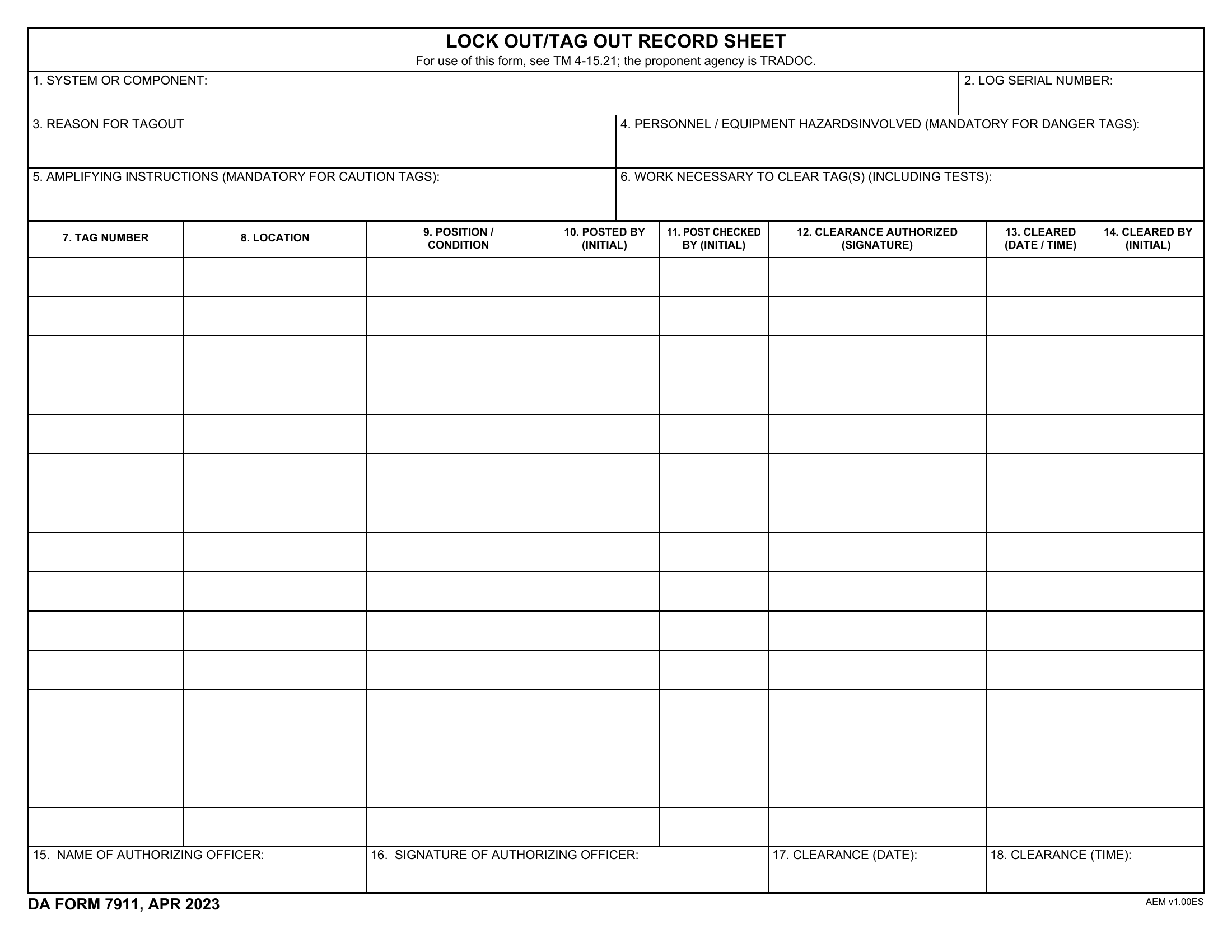
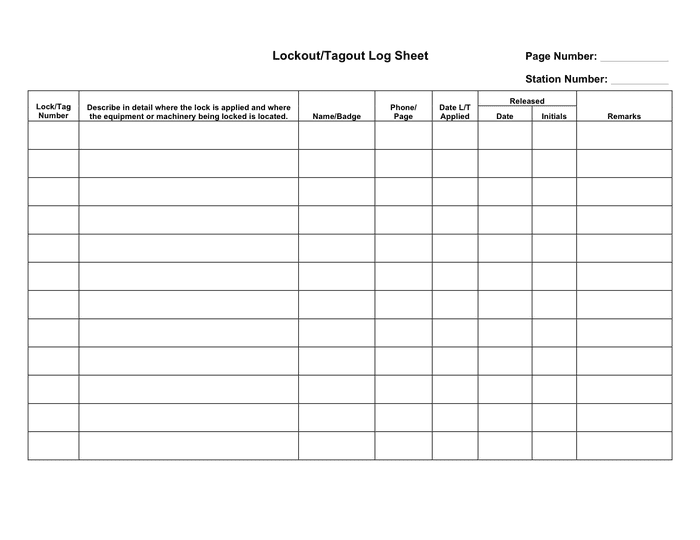
For extended jobs (e.g., a 3-day boiler repair), a documented LOTO log should track: - Who applied each lock - When work began and ended - Verification steps taken - Emergency override actions (if any)
Some facilities use lockout logbooks at each machine. Others integrate LOTO tracking into CMMS (Computerized Maintenance Management Systems) for real-time visibility.
Training and Accountability in Multi-Lock Procedures
Having the right tools means nothing without trained people. OSHA requires initial and annual retraining for all authorized employees.
Effective training includes: - Hands-on practice with actual lockout devices - Simulated multi-technician scenarios - Role-playing shift changes and emergencies - Quizzes and competency checks

Supervisors must audit LOTO compliance monthly. Use a checklist: - Are all energy sources isolated? - Is a group hasp used for multiple workers? - Are tags filled out completely? - Are locks personal and non-transferrable?
One automotive parts plant reduced LOTO violations by 82% after introducing quarterly “surprise drills” where safety officers staged mock maintenance scenarios. Workers who failed to apply multiple locks were retrained immediately.
Real-World Workflow: Multi-Lock LOTO in Action
Here’s how a four-person team properly executes a multi-lock LOTO on a packaging line:
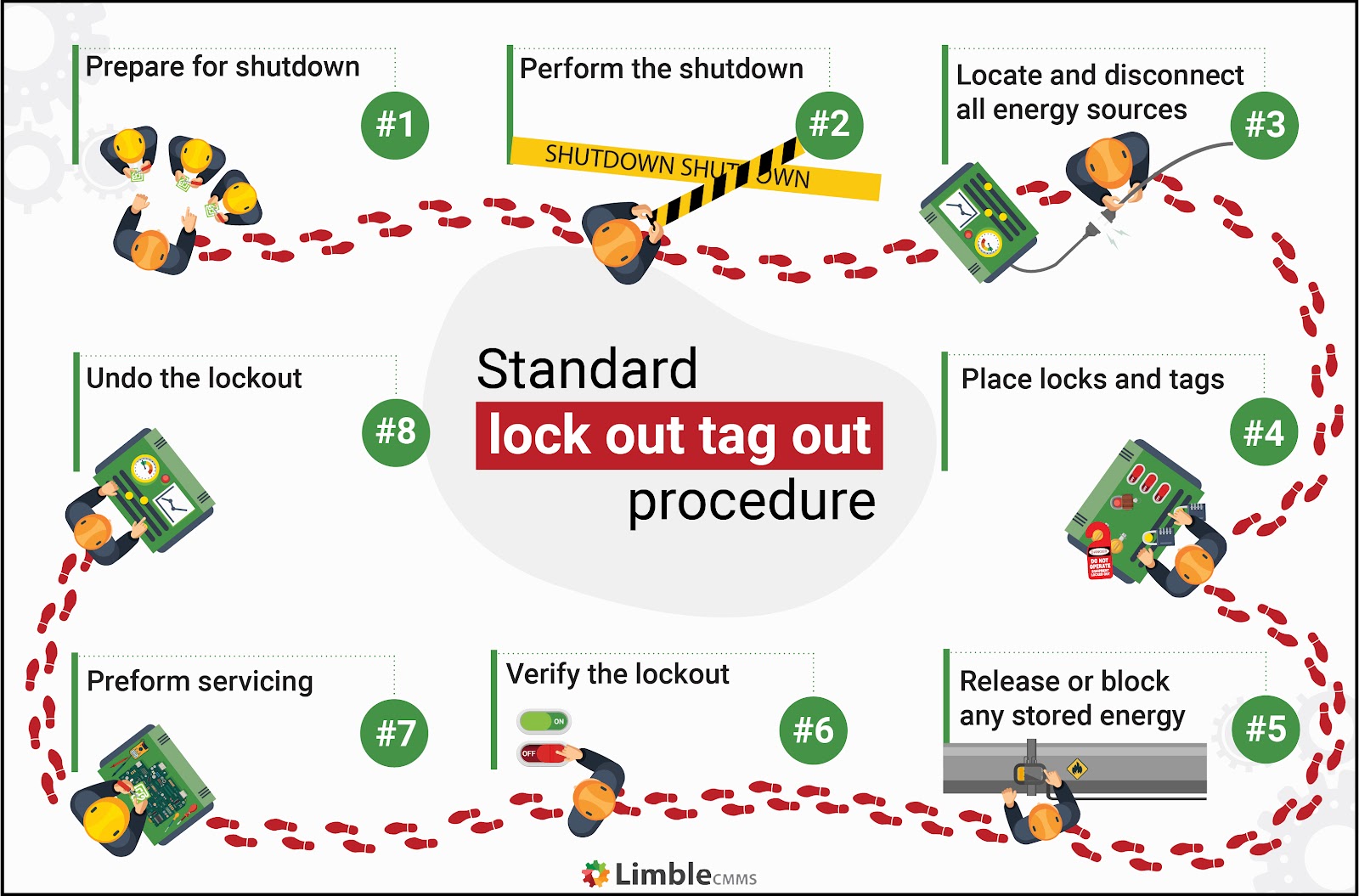
- Preparation
- Team lead identifies all energy sources: main power (electrical), conveyor air (pneumatic), and hydraulic feed.
- Shutdown
- Machine is stopped using normal controls.
- Isolation
- - Main breaker locked out with a breaker lock
- - Air valve secured with a valve lock
- - Hydraulic line bled and locked
- Apply Hasps
- A 6-lock hasp is attached to each lockout point.
- Individual Locks & Tags
- Each of the four technicians applies their personal lock and tag to each hasp. Two spare lock positions remain for future use.
- Verification
- Team uses voltage tester, pressure gauge, and physical inspection to confirm zero energy.
- Work Begins
- All four work simultaneously on different sections.
- Completion
- Each worker removes only their own locks after confirming the area is clear.
- Restart
- Machine is re-energized only after all locks are removed.
This process adds time—but prevents irreversible harm.
Closing: Make Multi-Lock LOTO a Cultural Standard
Lockout tagout multiple locks isn’t a box to check. It’s a promise: that no worker will be harmed because someone else removed a lock too soon. The tools exist. The standards are clear. What’s needed is consistency.
Start by auditing your current LOTO procedures. Are multiple locks used whenever more than one person works on equipment? Are hasps accessible? Are tags complete?
Then, reinforce the culture. Recognize teams that follow protocol. Retrain those who cut corners. Make safety visible.
Because when multiple locks are applied, they don’t just secure a machine—they secure trust.
Frequently Asked Questions
Can two people use the same lock during LOTO? No. Each authorized employee must apply their own personal lock. Shared locks violate OSHA standards.
What if a worker forgets their lock? They must not begin work. Locks should be issued per person and stored in secure lockout stations. Temporary loaner locks may be used if tagged and tracked.
Do contractors need to apply their own locks? Yes. Contractors are authorized employees during maintenance and must follow the same multi-lock protocol.
Can digital locks replace physical ones? Not under current OSHA rules. Physical locks provide verifiable, tamper-resistant control. Digital systems may supplement but not replace them.
Is a tag required with every lock? Yes. Each lock must have a tag identifying the worker, reason, and time of lockout.
What happens if a lock is lost or broken? Only the worker who applied it may remove it—usually via a documented override procedure involving supervisors and verification.
Can multiple energy sources share one hasp? No. Each energy source requires its own isolation point and hasp. A single hasp on a circuit breaker doesn’t cover a hydraulic valve.
FAQ
What should you look for in Lockout Tagout Multiple Locks: Best Practices for Safety? Focus on relevance, practical value, and how well the solution matches real user intent.
Is Lockout Tagout Multiple Locks: Best Practices for Safety suitable for beginners? That depends on the workflow, but a clear step-by-step approach usually makes it easier to start.
How do you compare options around Lockout Tagout Multiple Locks: Best Practices for Safety? Compare features, trust signals, limitations, pricing, and ease of implementation.
What mistakes should you avoid? Avoid generic choices, weak validation, and decisions based only on marketing claims.
What is the next best step? Shortlist the most relevant options, validate them quickly, and refine from real-world results.