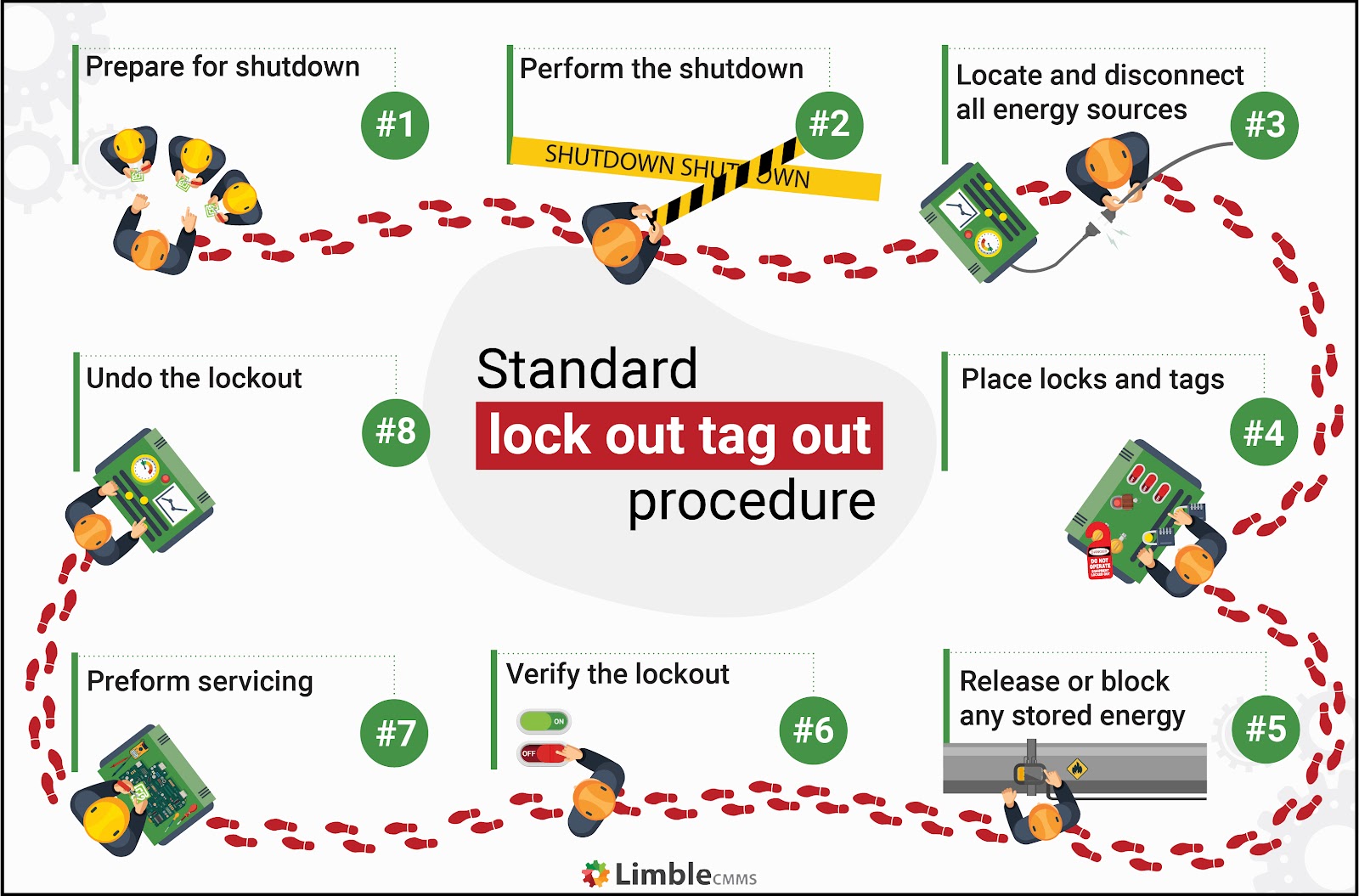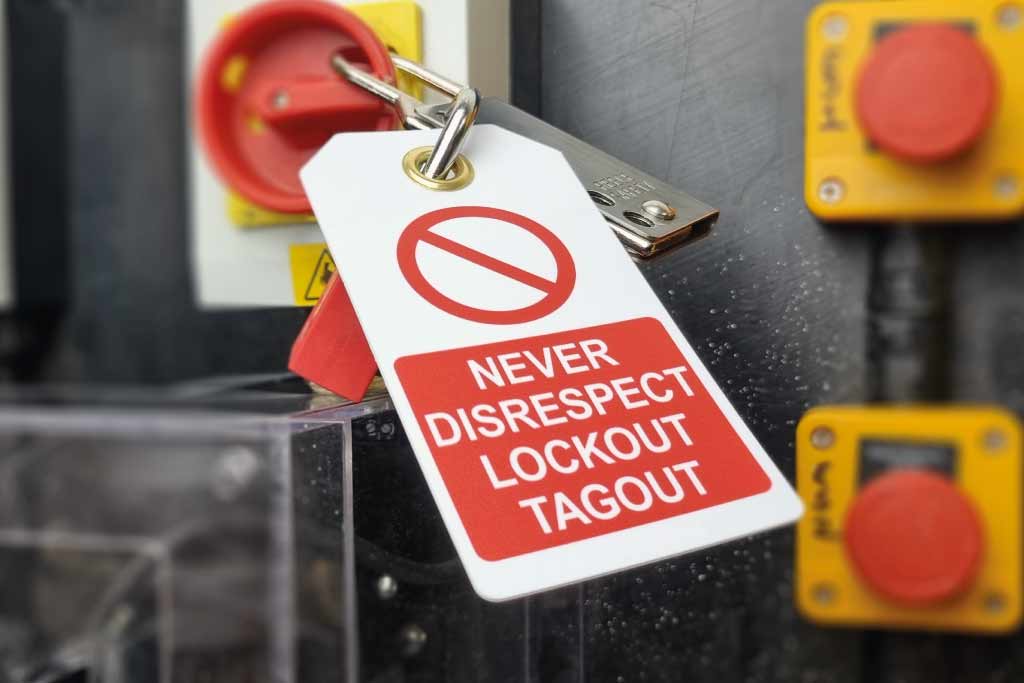
Every year, hundreds of workers suffer serious injuries—or worse—because machinery was accidentally energized during maintenance. A simple tag could have prevented it. That tag is a lockout tag, a critical component in any energy control procedure designed to protect people working on industrial equipment.
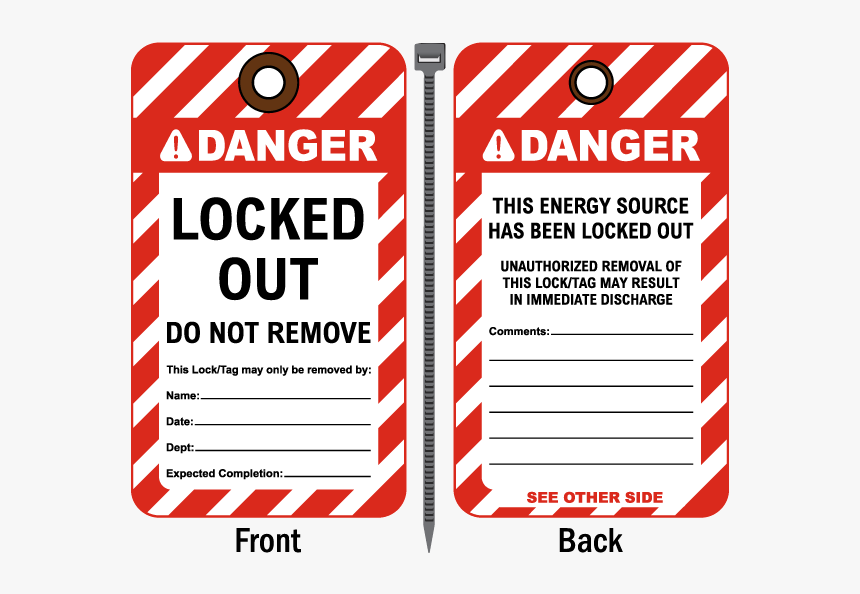
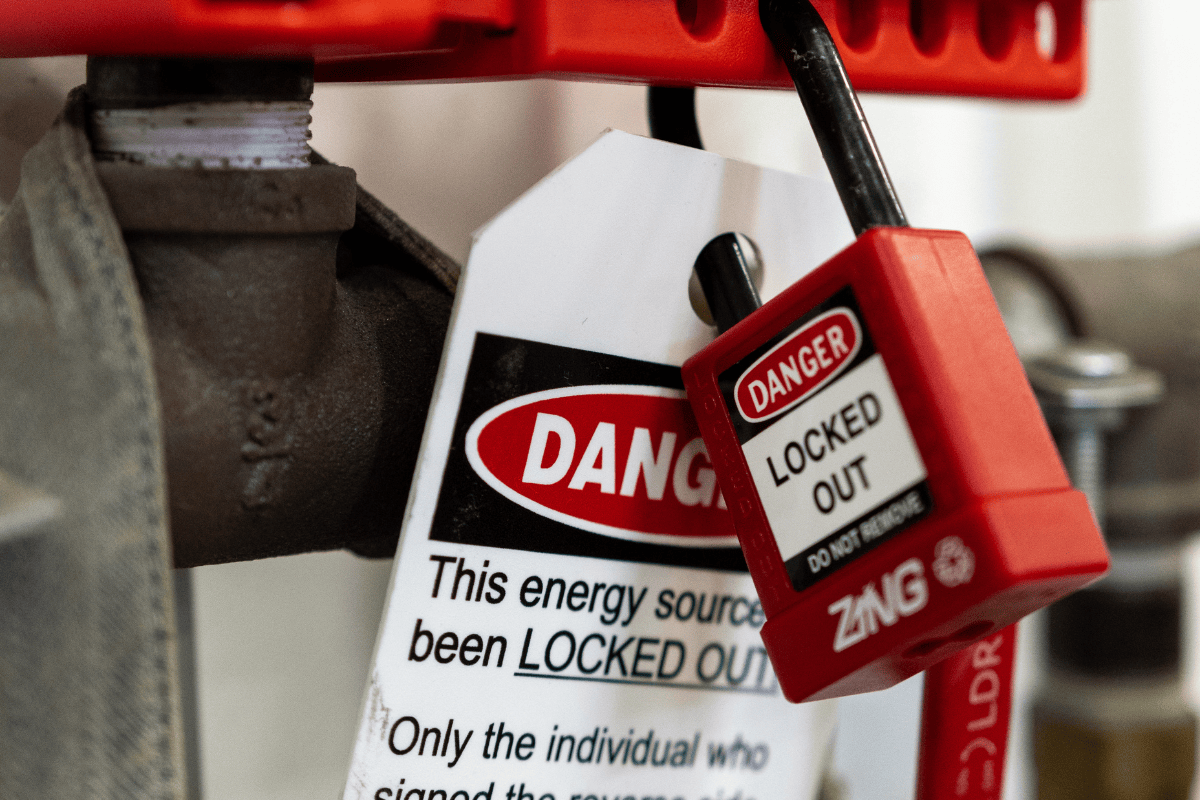
At its core, a lockout tag is a warning label attached to a lock used in a lockout/tagout (LOTO) system. It identifies that equipment is shut down for servicing and should not be operated until the tag is removed by the authorized person. But it's far more than a piece of plastic or cardboard—it's a legal, procedural, and cultural safeguard embedded in modern industrial safety.
Understanding what a lockout tag is—and how it functions within a broader safety ecosystem—is essential for anyone overseeing operations, maintenance, or workplace compliance.
The Role of a Lockout Tag in Energy Isolation When machinery needs repair or routine servicing, residual energy (electrical, hydraulic, pneumatic, chemical, thermal, or mechanical) can remain in the system. If released unexpectedly, this stored energy can cause catastrophic accidents. The lockout tag plays a central role in preventing those incidents.
A lockout tag is not a standalone tool. It works in tandem with a lock placed on an energy-isolating device—like a circuit breaker, valve, or disconnect switch. While the lock physically prevents activation, the tag communicates vital information:
- Who applied the lock
- When it was applied
- Why the equipment is locked out
- Contact information for the authorized employee
This communication layer transforms a mechanical safeguard into a transparent, traceable safety protocol.
For example, consider a conveyor belt in a packaging facility that needs motor replacement. A technician shuts off the power, places a personal lock on the circuit breaker, and attaches a lockout tag stating: "Locked out by: J. Rivera – 08:15 AM – Replacing drive motor – Do not operate."
This stops other workers from restoring power prematurely, even if they don’t know what’s happening.
Lockout Tags vs. Tags Alone: Understanding the Difference
A common misconception is that a tag alone is enough to secure equipment. It’s not—and OSHA regulations make this clear.
Tag-Only Systems Are Limited Tags without locks are acceptable only in specific circumstances, such as when a lock cannot be applied due to equipment design. Even then, additional safety measures—like removing circuit cartridges or blocking valves—must be used to provide a level of protection equivalent to a lock.
OSHA 1910.147 outlines that a tagout system alone is less protective than a lockout system because a tag can be ignored or removed more easily. A lock, however, requires a key or combination, making unauthorized re-energization physically difficult.
| Feature | Lockout (with Tag) | Tagout Only |
|---|---|---|
| Physical restraint | Yes (lock) | No |
| Visual warning | Yes (tag) | Yes (tag) |
| Unauthorized access | Prevented mechanically | Relies on compliance |
| Compliance strength | High | Moderate (with controls) |
In essence: a lock stops the machine, a tag stops the person—but only together do they form a reliable barrier.
Key Components of an Effective Lockout Tag
Not all tags are created equal. A well-designed lockout tag must meet specific standards to be effective and compliant.
1. Durable Material Tags must resist fading, tearing, moisture, and chemical exposure. Paper tags may work in dry environments, but laminated polyester or vinyl is preferred in industrial settings.
2. Standardized Wording Clear, unambiguous language is critical. Common phrases include:
- "Do Not Start"
- "Do Not Operate"
- "Equipment Being Serviced"
- "Authorized Personnel Only"
Avoid vague terms like “Under Repair” without additional details.
3. Space for Critical Information Every tag should include fields for:
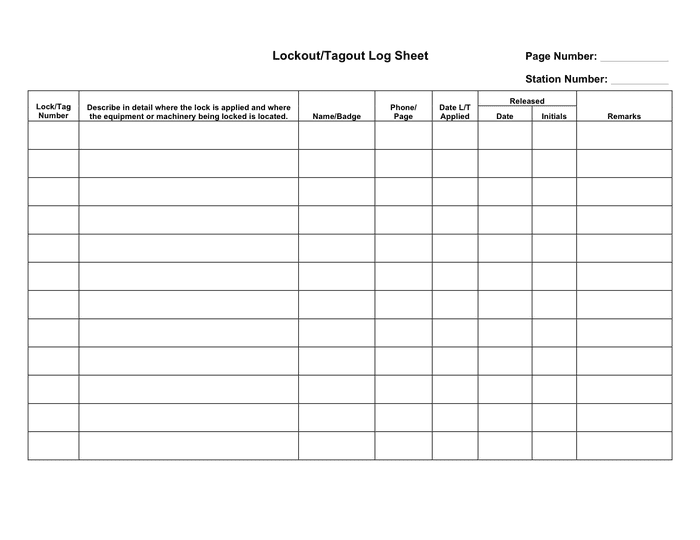
- Technician name
- Date and time of lockout
- Nature of work
- Contact information
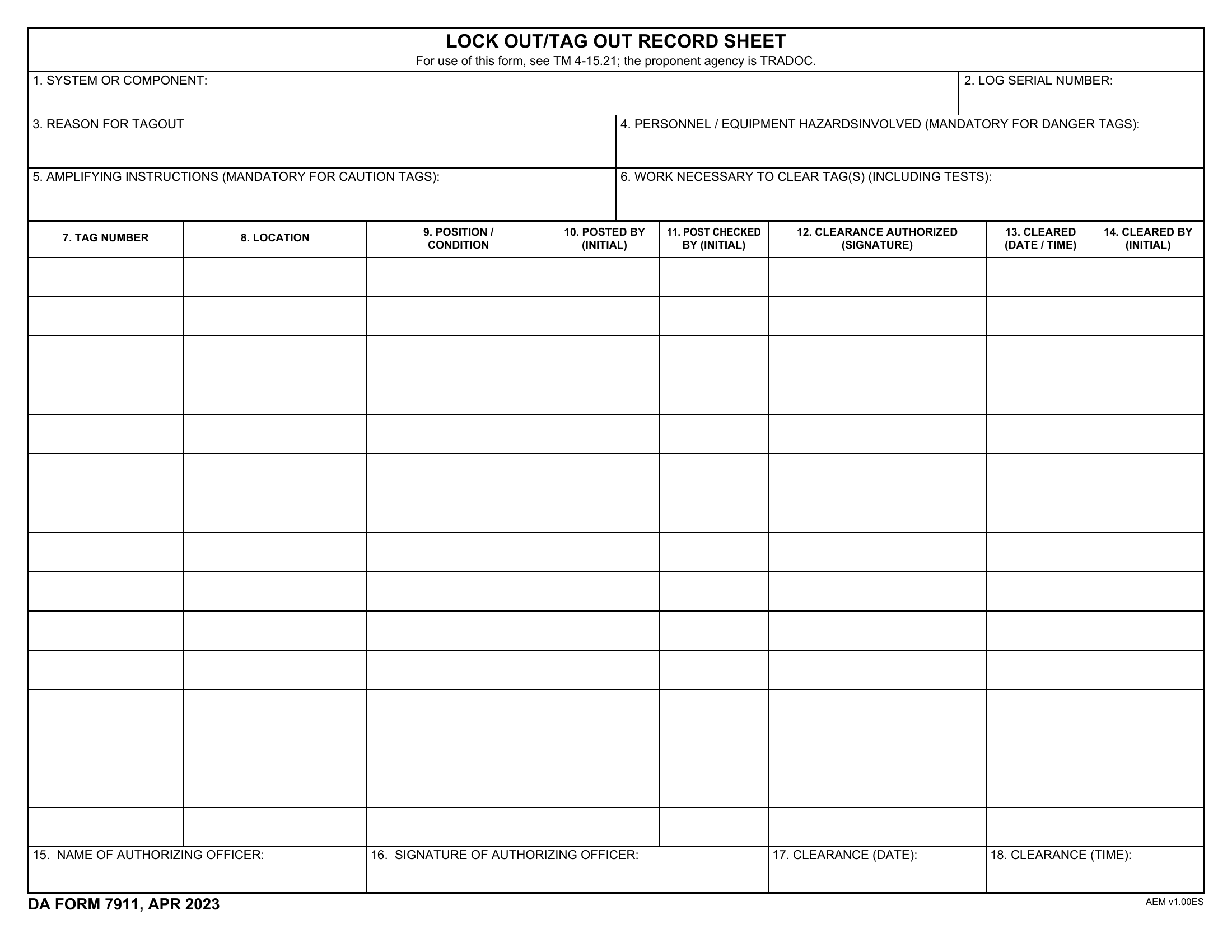
Some facilities use pre-printed tags with employee IDs and QR codes for digital tracking.
4. High-Visibility Design Bright colors (red, yellow, or orange) and bold text make tags easy to spot. Reflective material helps in low-light environments.
5. Attachment Method Tags must be secured with non-reusable cable ties or metal fasteners that cannot be easily removed without damage.
Real-World Use Cases: Where Lockout Tags Prevent Disasters
Case 1: Chemical Plant Valve Maintenance A maintenance worker needs to replace a corroded valve in a high-pressure chemical line. After isolating the section and draining residual liquid, they apply a lock and tag to the main valve control. Later, an operator walking the line sees the tag and knows not to open the upstream valve—preventing a potential chemical release.
Case 2: Elevator Repair in a High-Rise An elevator technician locks out the motor control panel while inspecting cables. A cleaning crew attempts to call the elevator but notices the lockout tag. They alert building management instead of tampering with the panel—avoiding a fall hazard.
Case 3: Manufacturing Line Jam Clearing On a bottling line, a robot arm jams. A line operator follows protocol: power down, lockout the robotic cell, apply a tag. Without this, another worker might have reset the line remotely, risking crushing injuries.
In each case, the tag served as a human-readable safety checkpoint—a final layer of defense against assumptions, haste, or miscommunication.
Common Mistakes That Undermine Lockout Tag Effectiveness
Even with proper tags, safety procedures fail when human factors interfere. Watch for these recurring errors:
❌ Using Generic or Blank Tags A tag that says only “Do Not Operate” without identifying the person or reason is ineffective. It invites guesswork and bypassing.
❌ Sharing Locks and Keys Personal locks should never be shared. Each worker must use their own lock and tag. Group lockout boxes help coordinate multiple workers on one job.

❌ Leaving Tags After Work Completion Forgetting to remove locks and tags after servicing creates confusion and delays. It also erodes trust in the system—workers may start ignoring tags.
❌ Poor Visibility or Placement Tags buried under insulation or facing the wall are easily missed. Always place them in clear line of sight.
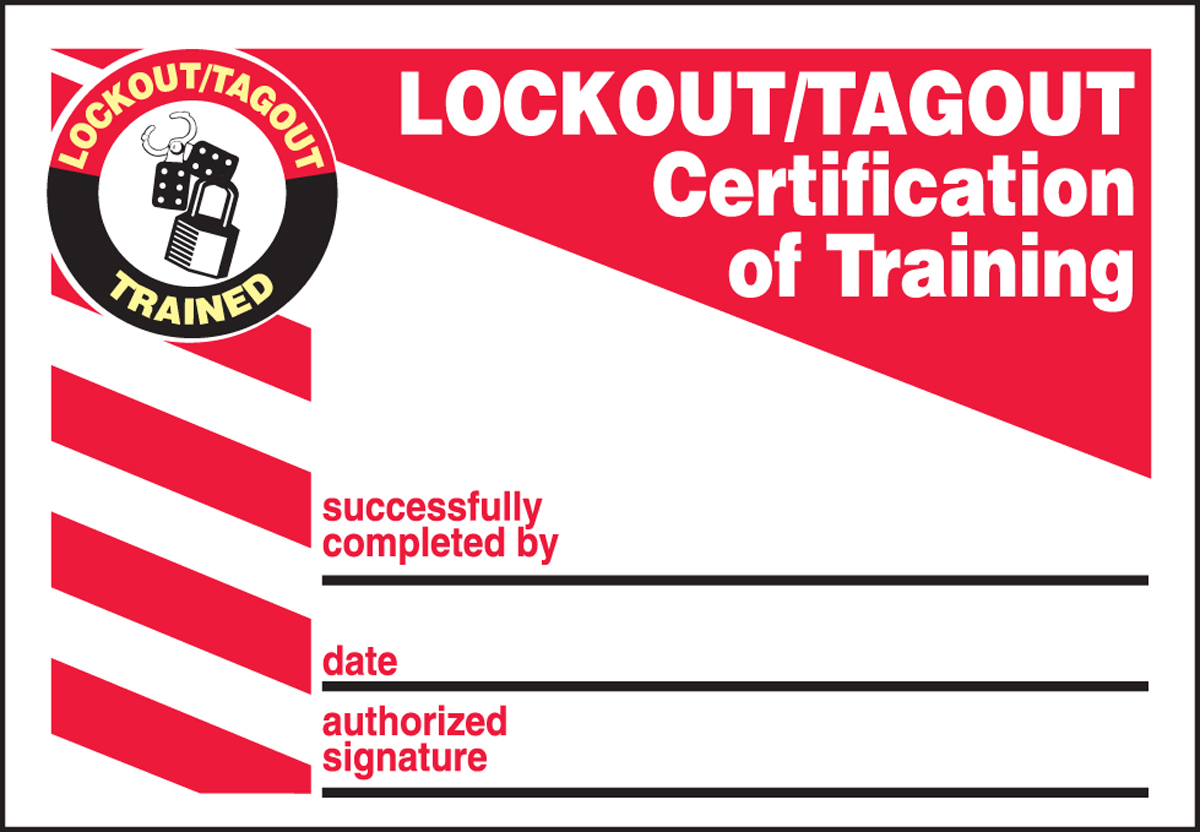
❌ Skipping Tag Training New hires or temporary workers might not understand tag protocols. Regular LOTO training is required by OSHA and should include hands-on drills.
Legal and Compliance Requirements
In the U.S., OSHA’s Control of Hazardous Energy (29 CFR 1910.147) mandates the use of lockout/tagout procedures in general industry. Key requirements include:
- Written energy control procedures
- Annual employee training
- Periodic inspections of LOTO practices
- Use of standardized lockout devices and tags
Failure to comply can result in fines exceeding $15,000 per violation—and worse, increased risk of injury or death.
Other countries have similar frameworks: - Canada: CSA Z460-20 (Control of Hazardous Energy) - UK: The Provision and Use of Work Equipment Regulations (PUWER) - Australia: AS/NZS 4836:2011 (Safe working on or near low-voltage electrical installations)
These standards universally recognize that a lockout tag is not optional—it’s a cornerstone of due diligence.
Best Practices for Implementing Lockout Tags
To maximize safety and compliance, follow these proven strategies:
1. Standardize Your Tags Use consistent design, color, and wording across all equipment. This reduces confusion and reinforces recognition.
2. Use Personal Locks Every authorized employee should have their own lock, key, and tags—never shared.
3. Train Everyone, Not Just Technicians Operators, supervisors, and even contractors should understand what lockout tags mean and what to do when they see one.
4. Audit Regularly Conduct surprise LOTO audits. Watch for proper lock application, tag completeness, and adherence to procedures.
5. Integrate with Digital Systems Some facilities use smart lockout stations with barcode scanning or RFID tracking. These provide real-time visibility into which equipment is under maintenance.
6. Reinforce a Safety Culture Leadership must model LOTO compliance. When managers respect tags, so do workers.
Final Thoughts: A Small Tag, a Big Responsibility
A lockout tag is more than a piece of plastic—it’s a commitment. It represents accountability, communication, and respect for human life. In high-risk environments, where a split-second mistake can lead to amputation, electrocution, or death, the tag is often the last line of defense.
Understanding what a lockout tag is begins with recognizing that it’s not just about stopping machines—it’s about protecting people. From manufacturing floors to utility substations, the presence of a properly applied tag signals that safety comes first.
If your facility uses lockout tags, review them today. Are they durable? Informative? Visible? Are your teams trained and compliant? Fix the gaps now—before an incident forces the issue.
Act now: Conduct a LOTO walkthrough. Check every tag. Train one worker. Save a life.
Frequently Asked Questions
What is the purpose of a lockout tag? A lockout tag warns that equipment is shut down for maintenance and should not be operated. It identifies the responsible worker and reason for the lockout.
Can a tag be used without a lock? Only in limited cases where a lock can’t be applied. OSHA requires additional protective measures if using tagout alone.
Who can remove a lockout tag? Only the authorized employee who applied it. In rare cases, a supervisor may remove it following a formal verification process.
What information must be on a lockout tag? Name of the worker, date and time of application, reason for lockout, and contact details.
Are lockout tags required by law? Yes, under OSHA 29 CFR 1910.147 and similar regulations worldwide, lockout/tagout procedures are mandatory in industrial settings.
What happens if someone removes a lockout tag? Removing a tag or lock without authorization is a serious safety violation and can lead to disciplinary action, injury, or legal consequences.
How often should lockout tags be inspected? LOTO procedures must be inspected annually, and tags should be checked before each use for legibility and damage.
FAQ
What should you look for in What Is a Lockout Tag and Why It Matters in Safety Systems? Focus on relevance, practical value, and how well the solution matches real user intent.
Is What Is a Lockout Tag and Why
It Matters in Safety Systems suitable for beginners? That depends on the workflow, but a clear step-by-step approach usually makes it easier to start.
How do you compare options around What Is a Lockout Tag and Why It Matters in Safety Systems? Compare features, trust signals, limitations, pricing, and ease of implementation.
What mistakes should you avoid? Avoid generic choices, weak validation, and decisions based only on marketing claims.
What is the next best step? Shortlist the most relevant options, validate them quickly, and refine from real-world results.