Every year, hundreds of workers suffer severe injuries—or worse—during equipment maintenance. The cause? Failure to properly isolate energy sources. Lockout tagout (LOTO) isn’t just a safety protocol; it’s a life-saving system that prevents accidental startup of machinery. But knowing why LOTO matters isn’t enough. You need to know how to do it right.
This guide walks you through the real-world execution of lockout tagout. No jargon overkill. No theoretical fluff. Just the steps, tools, and insights that keep teams safe and operations compliant.
What Is Lockout Tagout?
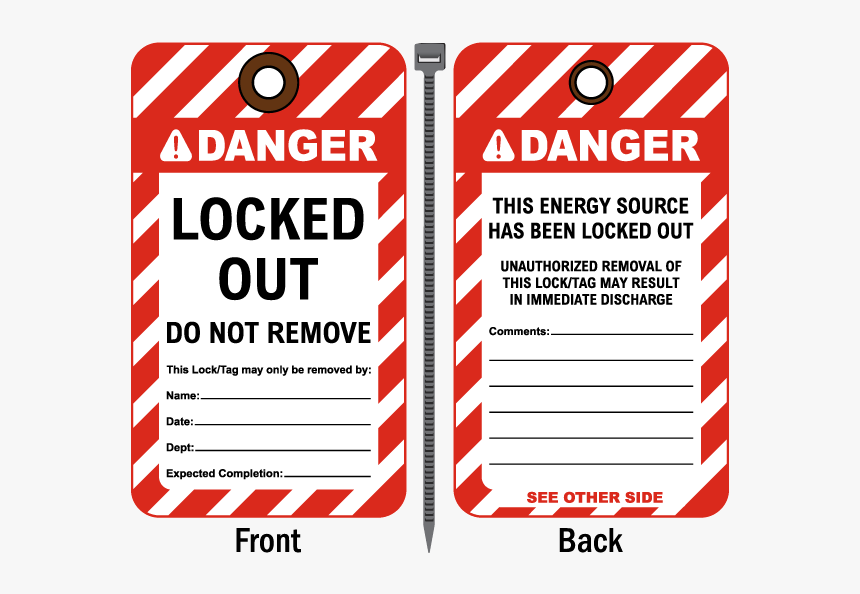
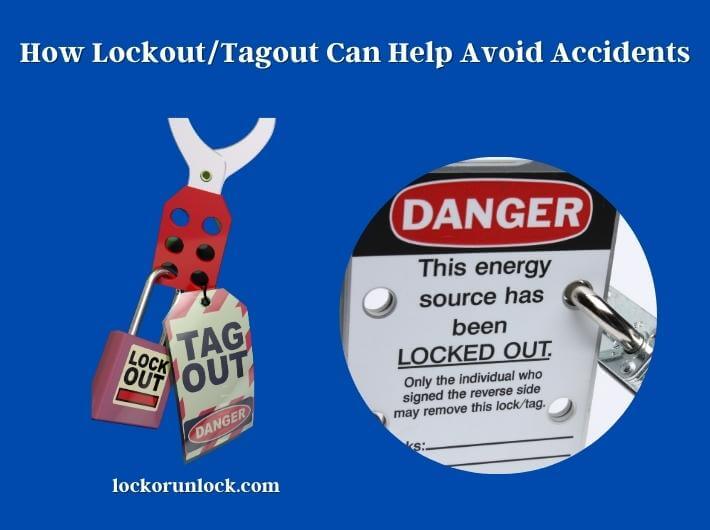
Lockout tagout is a safety procedure used to ensure that dangerous machines and energy sources are properly shut off and cannot be restarted before maintenance or servicing is complete. "Lockout" refers to the physical locking of energy-isolating devices—like circuit breakers or valve handles—with a personal lock. "Tagout" involves placing a warning tag on the device, indicating who locked it, why, and when.
LOTO applies to all forms of energy: electrical, mechanical, hydraulic, pneumatic, chemical, thermal, and even stored energy like springs or capacitors. It’s not just for factories—any workplace with serviceable equipment needs LOTO.
Real-World Example: A maintenance technician opens a conveyor system to replace a belt. Without LOTO, a coworker could unknowingly restart the system, pulling the technician into moving parts. With LOTO, the conveyor’s power source is locked and tagged, making accidental startup impossible.
Why OSHA Requires LOTO
The Occupational Safety and Health Administration (OSHA) enforces LOTO under standard 29 CFR 1910.147. The rule isn’t arbitrary—it responds to real hazards. OSHA estimates that proper LOTO prevents about 120 fatalities and 50,000 injuries annually.
Violations of LOTO procedures consistently rank among OSHA’s top 10 citations. Why? Because shortcuts are common. Supervisors rush repairs. Workers “just flip the switch” without following protocol. But a few minutes saved can cost lives.
Common Mistakes That Trigger Violations: - Using one lock for multiple workers - Skipping group LOTO procedures - Not verifying zero energy before work begins - Allowing unauthorized personnel to remove locks
Compliance isn’t about avoiding fines—it’s about creating a culture where safety overrides speed.
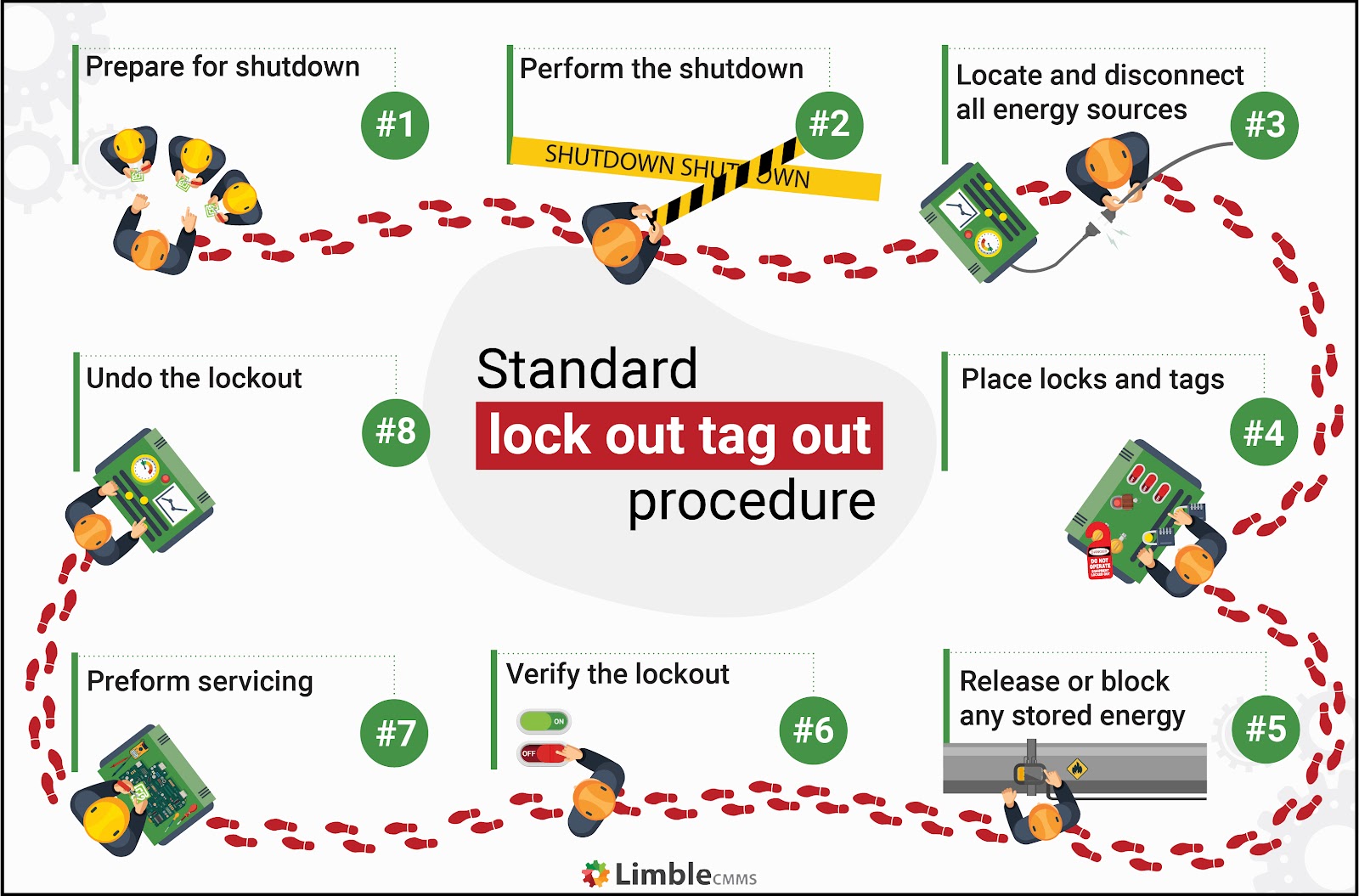
The 6-Step LOTO Procedure (With Examples)
Following a standardized process minimizes human error. Here’s how to lockout tagout correctly, step by step.
#### 1. Prepare for Shutdown
Before touching any machine, gather information. What energy sources power it? Where are the isolation points? Who needs to be notified?
Use the machine-specific LOTO procedure if your site has one. Review it with all affected personnel.
Example: A printing press uses electricity, pneumatic air lines, and hydraulic pressure. The technician reviews the LOTO checklist and gathers locks, tags, and a bleed-valve tool.
#### 2. Notify Affected Employees
Alert all workers who operate or use the equipment. They need to know service is starting and when normal operation will resume.
This isn’t just courtesy—it prevents someone from “helpfully” turning the machine back on.
#### 3. Shut Down the Equipment
Use normal stopping procedures. Press the emergency stop, flip the main switch, or follow the shutdown sequence in the manual.
Never assume the machine is off because it’s not moving. Energy may still be stored.
#### 4. Isolate Energy Sources
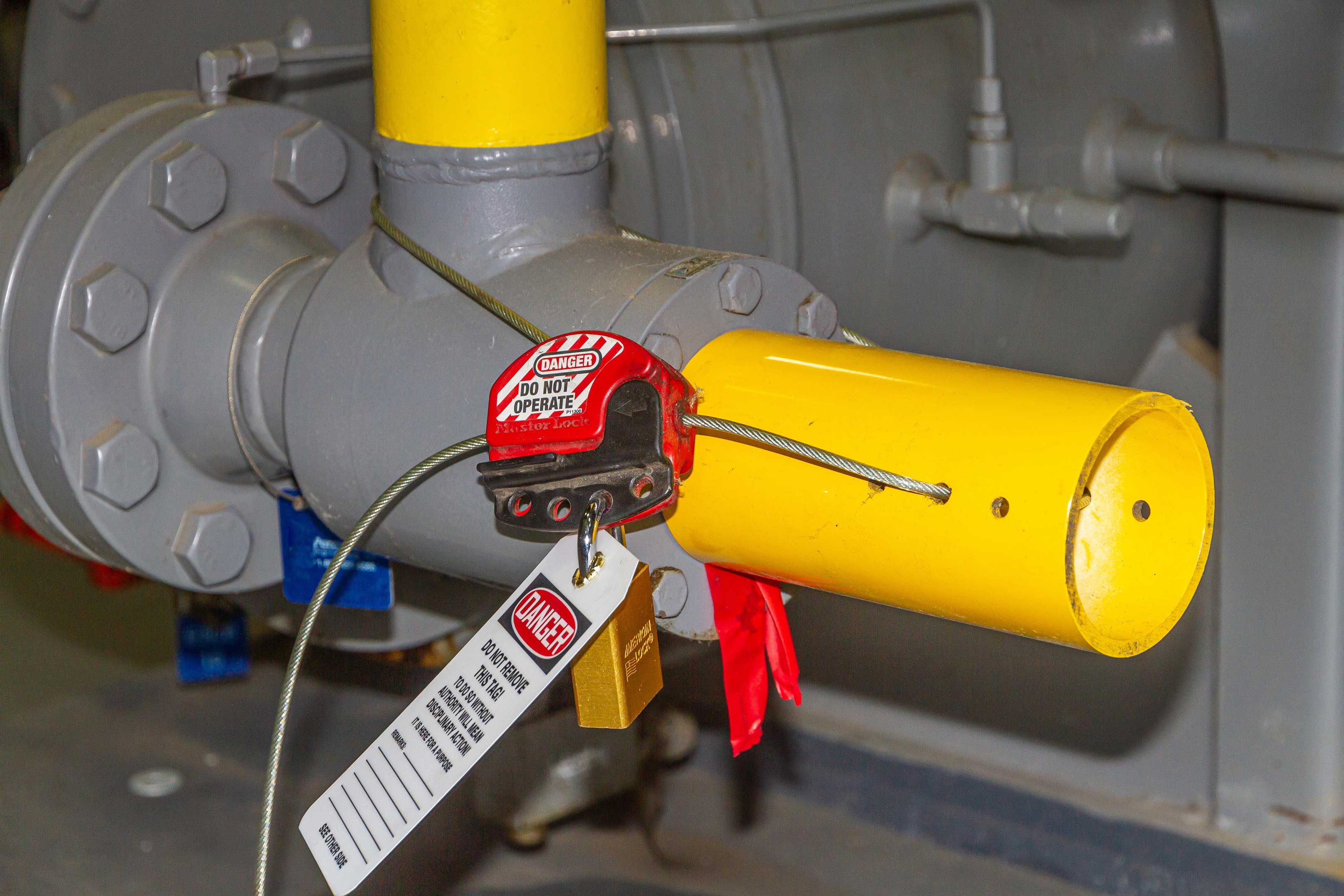
This is where lockout begins. Locate all energy-isolating devices: - Disconnect switches - Circuit breakers - Valve closures - Blockers for gravity-powered systems
Apply your personal lock to each one. Use a unique, keyed lock assigned only to you.
Attach a tag with: - Your name - Date and time - Reason for lockout - Expected duration
Critical Tip: If multiple energy sources exist, lock them all. A machine may be electrically dead but still hold hydraulic pressure capable of crushing limbs.
#### 5. Control Stored Energy
Many accidents happen here. Energy doesn’t vanish when power is cut. Capacitors store electricity. Springs hold tension. Pneumatic lines stay pressurized.
Release or block stored energy: - Bleed air lines - Drain hydraulic fluid - Ground high-voltage circuits - Block moving parts that could shift
Then verify zero energy by attempting to restart—using the normal cycle—without making contact. If nothing happens, you’re likely clear.
Real Mistake: A worker drained oil from a hydraulic press but didn’t release pressure in the accumulator. The press moved unexpectedly during servicing, causing severe injury.
#### 6. Perform Maintenance & Remove LOTO
Do the work safely. When finished, ensure all tools are removed, guards reinstalled, and the area cleared.
Only the person who applied the lock can remove it. No exceptions. If they’re unavailable, a formal, documented procedure must be followed under authorized supervision.
When Multiple Workers Are Involved
Group LOTO adds complexity. Never use a single lock for everyone. Instead, use a lockout hasp and a multi-lock station.
Each technician applies their individual lock to the hasp. The machine stays locked until every worker removes their lock.
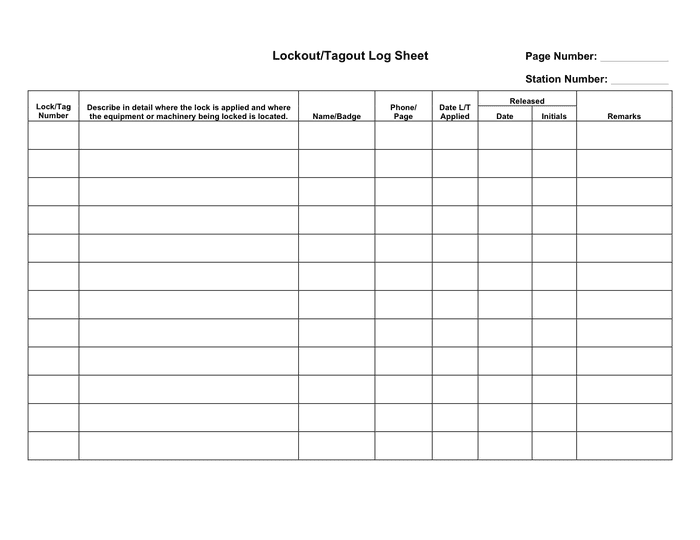
Workflow Tip: Use a LOTO log sheet to track who is working on what. Post it near the isolation point.
Supervisors coordinate but don’t bypass personal accountability. Every worker is responsible for their own safety.
Common LOTO Devices and Tools
Using the right hardware ensures reliability. Here are five essential LOTO tools and their uses:
| Tool | Purpose | Real-World Use Case |
|---|---|---|
| Padlocks | Personal lockout device | Each technician uses their own keyed lock |
| Lockout Hasps | Allow multiple locks on one point | Team maintenance on a main power disconnect |
| Valve Lockouts | Prevent valve operation | Locking a gas supply line before burner servicing |
| Circuit Breaker Locks | Secure electrical breakers | Preventing re-energizing during panel work |
| Tagout Tags | Communicate lockout status | Warning others not to remove locks prematurely |
Choose devices that are durable, standardized in your facility, and resistant to environmental hazards like oil, moisture, or extreme temps.
LOTO for Different Energy Types
Not all machines are powered the same way. Your procedure must account for the energy source.
#### Electrical Systems Use circuit lockouts, amp locks, or plug locks. Verify de-energization with a voltage tester—after lockout.
#### Hydraulic & Pneumatic Close and lock valves. Bleed lines using bleed screws. Confirm pressure gauges read zero.
#### Mechanical Block belts, gears, or springs. Use physical restraints like pins or clamps.
#### Thermal Allow equipment to cool. Lock temperature controls. Confirm safe surface temps before work.
One-size-fits-all doesn’t work. Your LOTO plan must be energy-specific.
Training and Compliance Best Practices
LOTO only works if people understand it. OSHA requires: - Authorized employees: Those who perform LOTO. Must be trained on procedures and energy control. - Affected employees: Operators who use the equipment. Must know the purpose and limitations of LOTO.
Training isn’t a one-time event. Retrain annually or when procedures, equipment, or roles change.
Audit Tip: Conduct surprise LOTO drills. Simulate a shutdown and see if workers follow the full process. Use gaps as learning opportunities, not blame sessions.
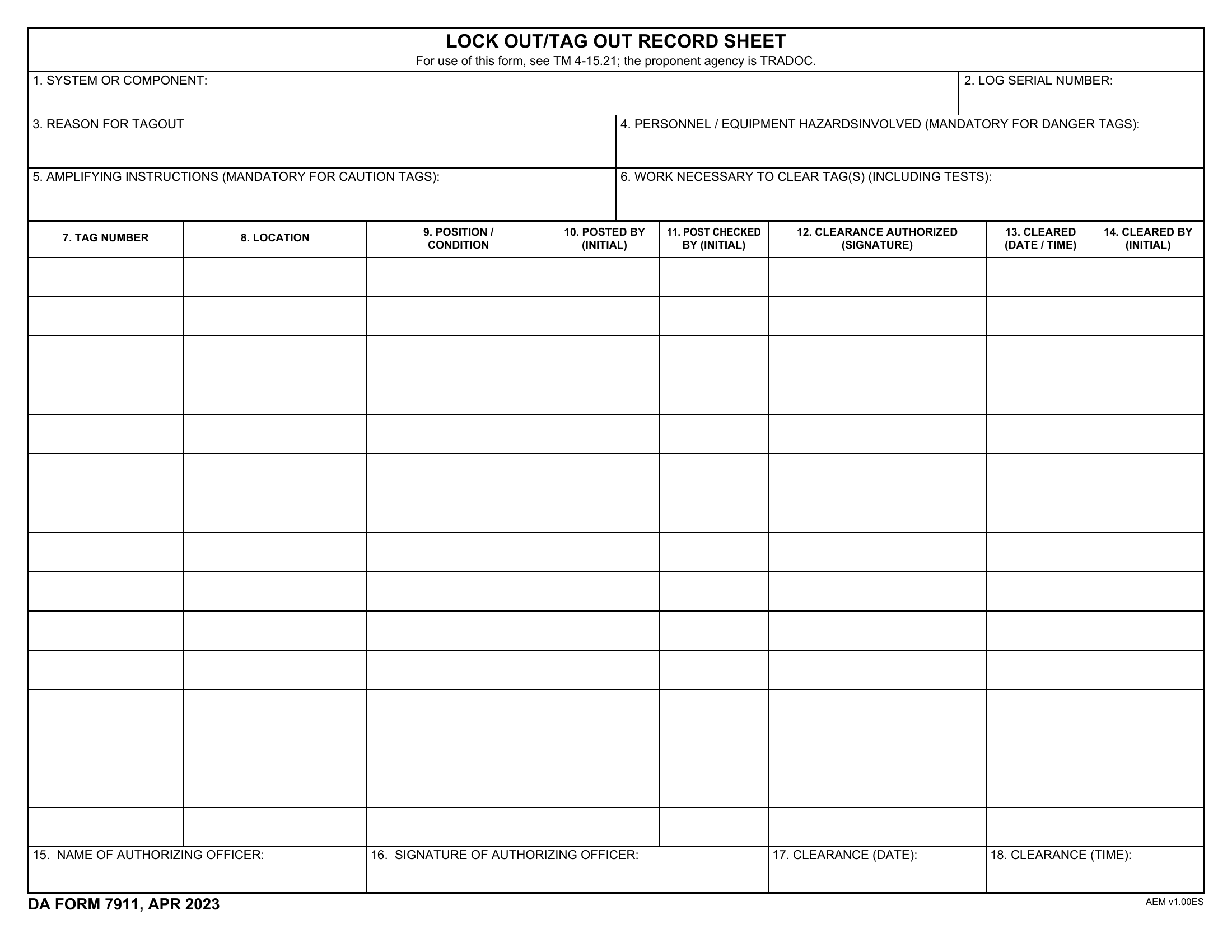
Documentation is critical. Keep records of: - LOTO procedures for each machine - Training completion - Periodic inspections (at least annually)
These documents prove compliance during audits.
Real-World LOTO Use Cases
#### Case 1: Food Processing Plant A mixer jams during production. Before clearing it, the operator follows LOTO: shuts down, locks the motor disconnect, tags it, and verifies zero motion. A supervisor confirms compliance before work begins.
#### Case 2: HVAC Technician Servicing a rooftop unit, the tech locks the disconnect box, uses a plug lockout, and tests for voltage. Tag includes contact info and expected return time.
#### Case 3: Auto Repair Shop A mechanic replaces a hydraulic lift cylinder. Locks the main valve, bleeds pressure, and blocks the lift with safety stands. Even in small shops, LOTO saves lives.
Close the Loop: Make LOTO Part of Your Culture
Lockout tagout isn’t a paperwork exercise. It’s a discipline. The best facilities don’t just follow LOTO—they respect it.
Start meetings with safety moments. Recognize workers who follow procedure. Empower anyone to stop work if LOTO isn’t applied.
Equipment failure can be repaired. A life lost to a preventable accident cannot.
Implement LOTO not because OSHA says so—but because your team deserves to go home safe every day.
Frequently Asked Questions
What is the first step in a lockout tagout procedure? Preparing for shutdown by identifying energy sources and gathering necessary tools and information.
Can someone else remove your lock during LOTO? Only under a formal, authorized procedure if the original person is unavailable. Never allow casual removal.
What’s the difference between lockout and tagout? Lockout physically prevents energy restoration; tagout is a warning system. Lockout is required where possible.
How often should LOTO procedures be reviewed? At least annually, or whenever equipment, processes, or personnel change.
Do portable tools need LOTO? Yes, if they’re being repaired or serviced. Use plug lockouts or battery isolation.
Is LOTO required for minor repairs? Only if the task goes beyond normal operation. Jam clearing with full guarding may not require LOTO, but blade changes do.
Who is responsible for enforcing LOTO? Both management and workers. Employers must provide training and equipment; employees must follow procedures.
FAQ
What should you look for in How to Lockout Tagout: A Step-by-Step Safety Guide? Focus on relevance, practical value, and how well the solution matches real user intent.
Is How to Lockout Tagout: A Step-by-Step Safety Guide suitable for beginners? That depends on the workflow, but a clear step-by-step approach usually makes it easier to start.
How do you compare options around How to Lockout Tagout: A Step-by-Step Safety Guide? Compare features, trust signals, limitations, pricing, and ease of implementation.
What mistakes should you avoid? Avoid generic choices, weak validation, and decisions based only on marketing claims.
What is the next best step? Shortlist the most relevant options, validate them quickly, and refine from real-world results.