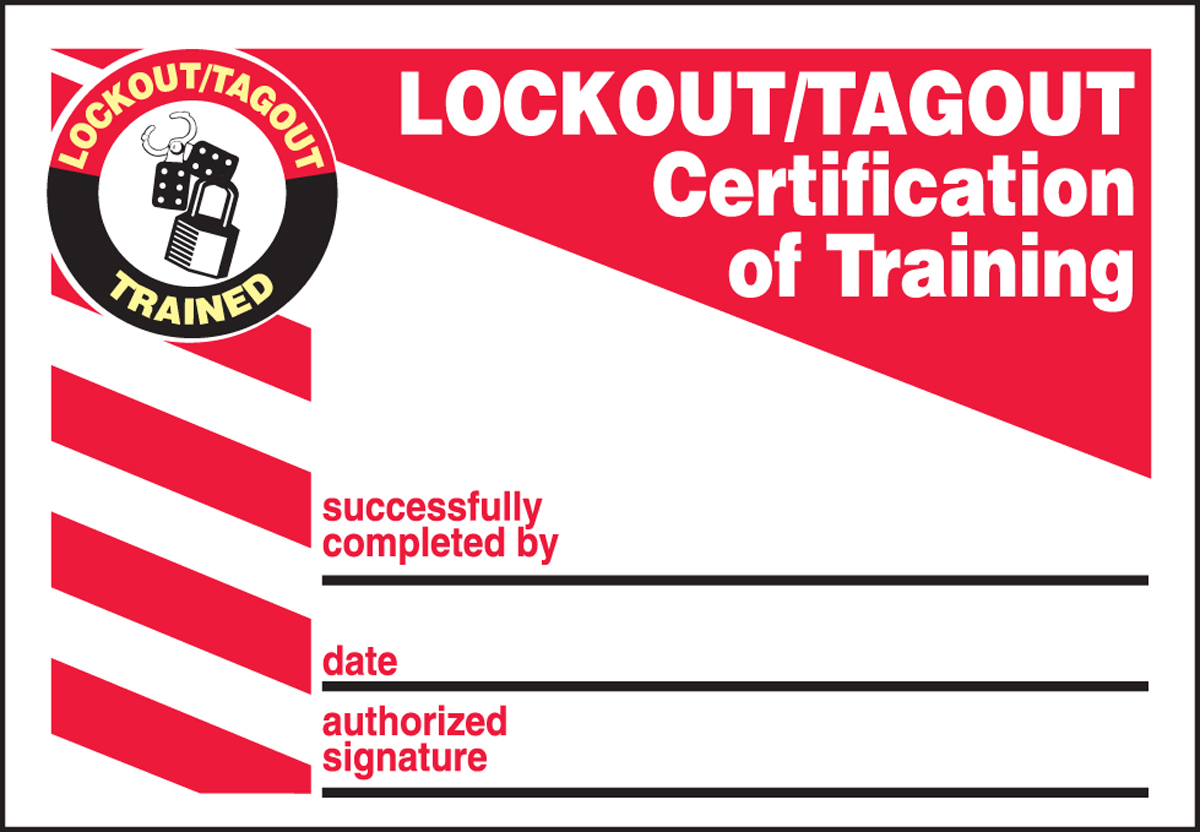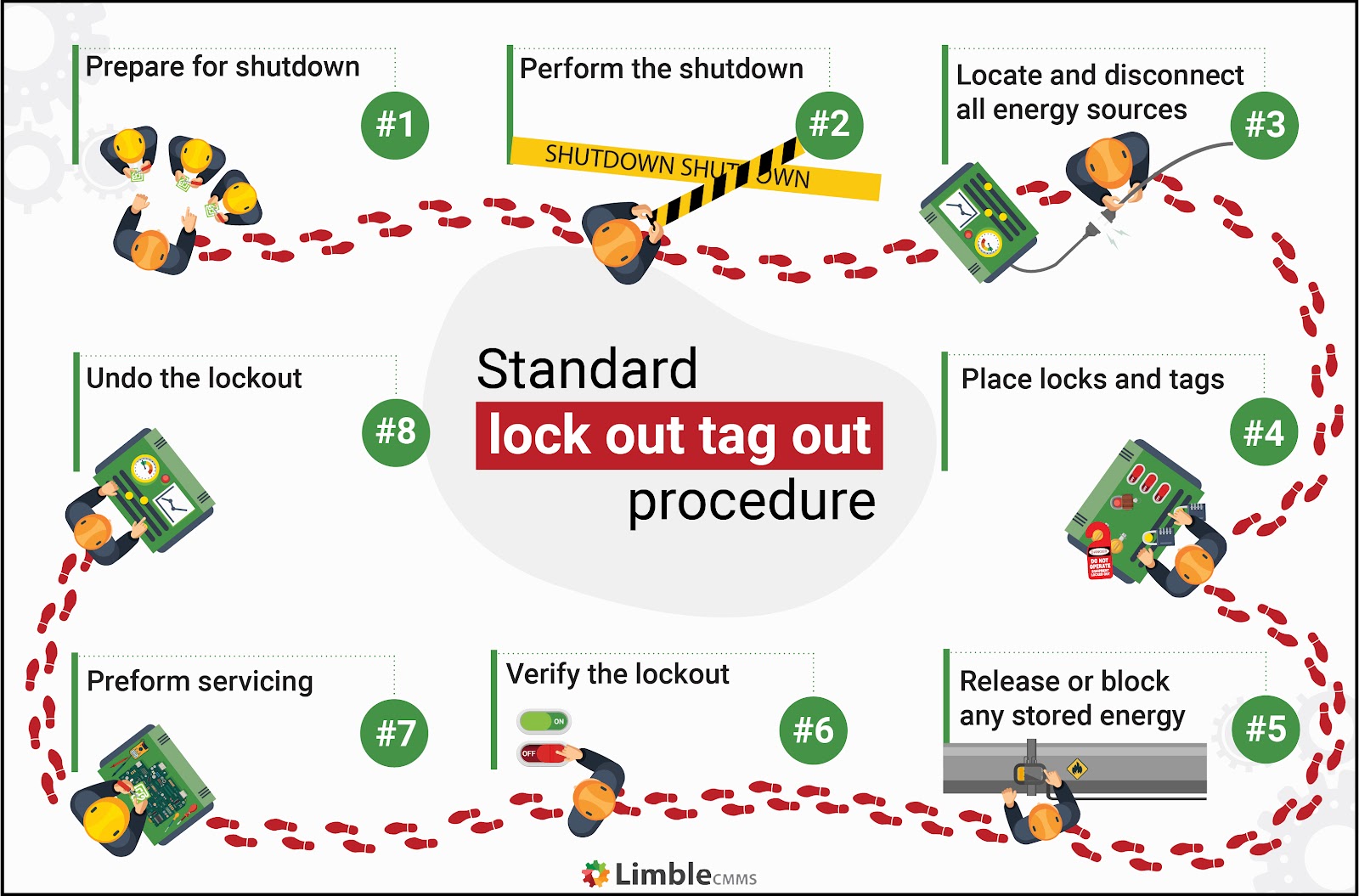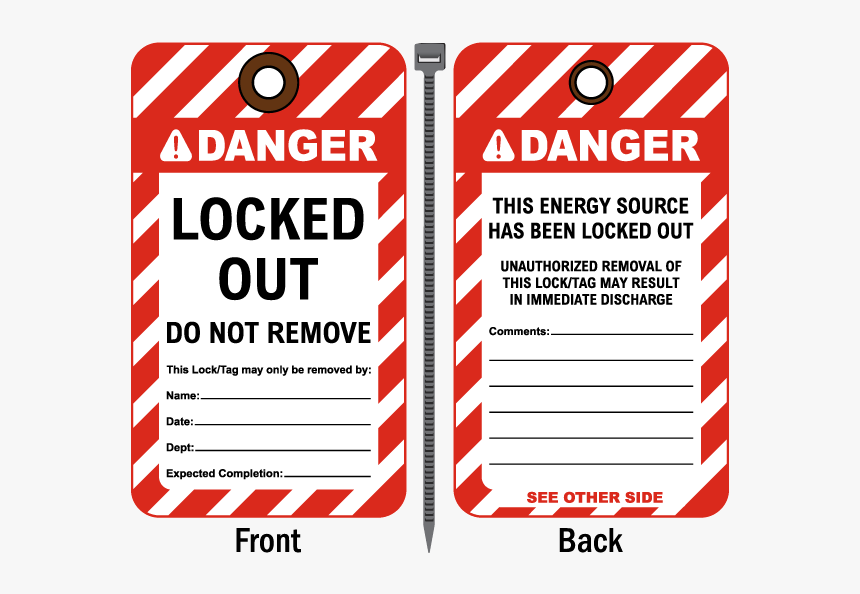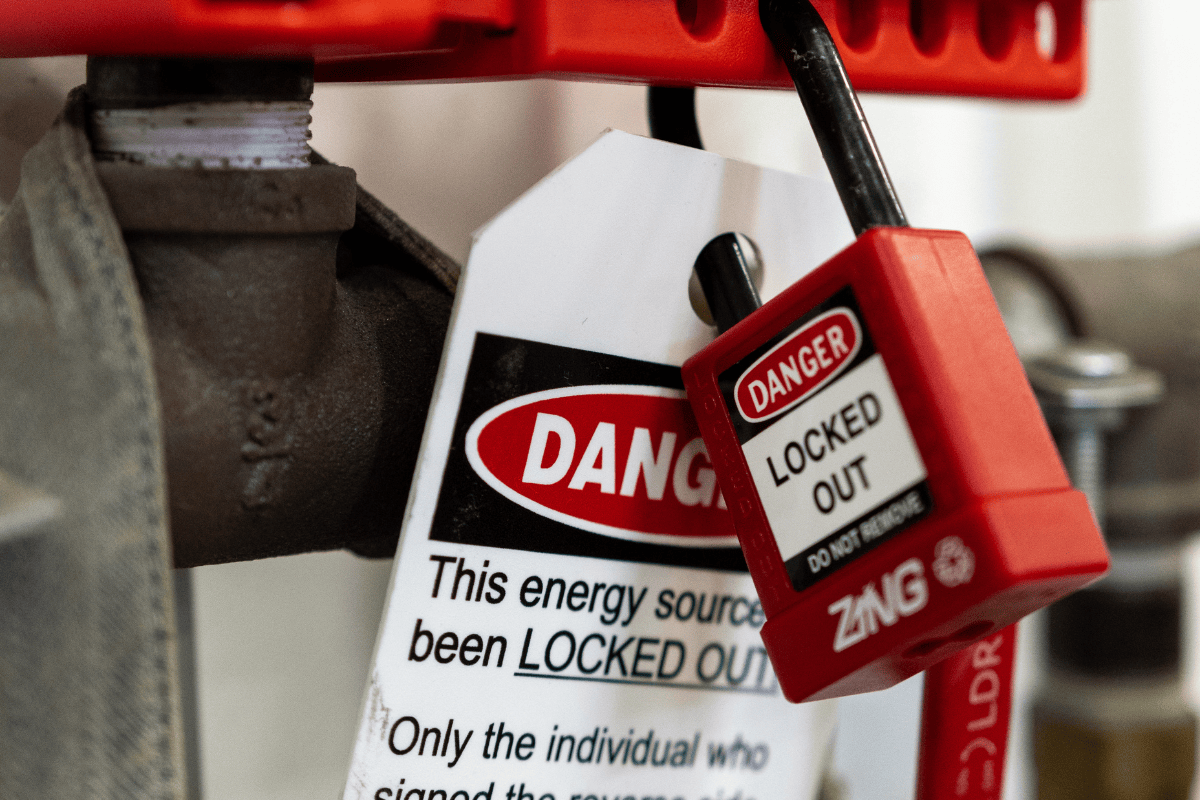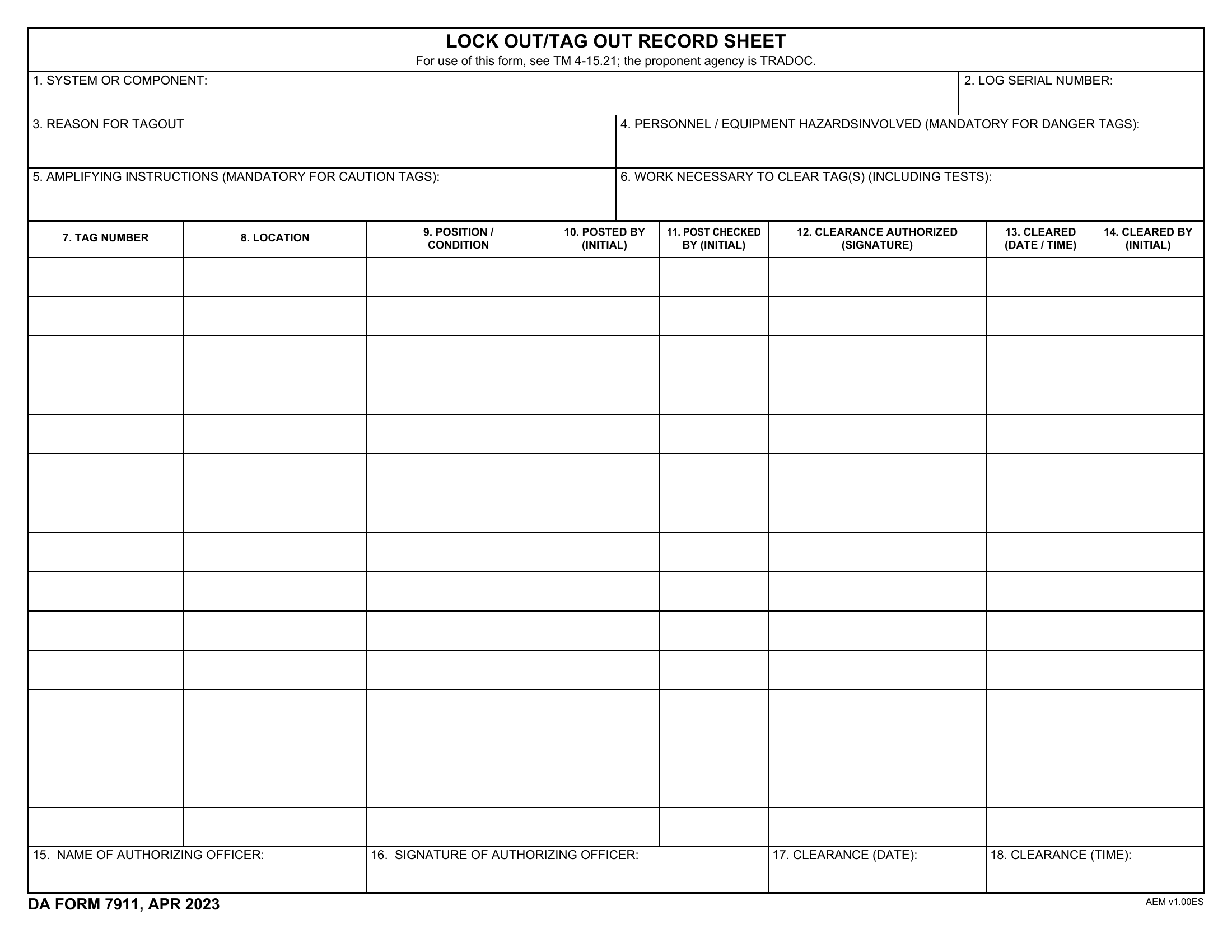
Every year, preventable accidents occur during equipment servicing—accidents that could have been avoided with one simple document: the lock out tag out record sheet. When machinery is being repaired or maintained, unexpected energization can lead to severe injury or fatality. The LOTO record sheet isn’t just paperwork—it’s a legal and operational safeguard that protects workers, ensures regulatory compliance, and provides a clear audit trail when inspections happen.
OSHA standard 29 CFR 1910.147 mandates the use of energy control procedures, and documentation is central to that requirement. A completed LOTO record sheet proves that proper procedures were followed, who was involved, and what equipment was isolated. Without it, your organization is exposed—not just to risk, but to liability.
Why a LOTO Record Sheet Is Non-Negotiable
A lock out tag out record sheet isn’t optional. It’s the documented proof of a critical safety process. Here’s why it matters:
- Legal Compliance: OSHA requires employers to document each application of energy control procedures. Failure to maintain records can result in fines exceeding $15,000 per violation.
- Accountability: The record sheet identifies the authorized employee, the equipment involved, and the time of lockout. This establishes responsibility at every step.
- Training and Audits: During annual audits, inspectors demand to see completed record sheets. Consistent documentation streamlines compliance checks.
- Incident Investigation: If something goes wrong, the record sheet provides a timeline and procedural baseline to determine root cause.
Without a record sheet, even the best lockout procedure is incomplete. It’s like having a fire extinguisher but no training logs—present but unverifiable.
Real-World Case: A Missed Step Leads to Injury
In 2022, a Midwest manufacturing plant faced OSHA penalties after a maintenance technician was injured when a conveyor restarted during servicing. Investigation revealed that although locks were applied, no record sheet had been completed. The absence of documentation made it impossible to confirm whether proper isolation steps were followed, whether the equipment was tested for zero energy, or whether the worker had been properly trained. The result? $98,000 in fines and a mandated safety overhaul.
This case underscores a hard truth: if it’s not documented, it didn’t happen—from a legal standpoint.
What Should a LOTO Record Sheet Include?
Not all record sheets are created equal. A weak form invites errors and gaps. A strong one guides users step-by-step and captures essential data. Here’s what every effective LOTO record sheet must contain:
1. Equipment Identification - Full name, location, and ID number of the machine or system - Include diagrams or photos if complex
2. Authorized Employee Details - Name, employee ID, department - Signature field (mandatory)
3. Date and Time Stamps - Start of lockout (application of locks/tags) - End of lockout (removal and re-energization)
4. Energy Source Types Isolated - Electrical - Hydraulic - Pneumatic - Mechanical - Chemical - Thermal
5. Lock and Tag Details - Number and location of locks applied - Tag ID numbers and messages (e.g., “Do Not Operate – Maintenance in Progress”)
6. Verification of Zero Energy State - Confirmation that equipment was tested and found de-energized - Method used (e.g., voltage tester, pressure gauge)
7. Supervisor Approval - Signature line for verification before work begins
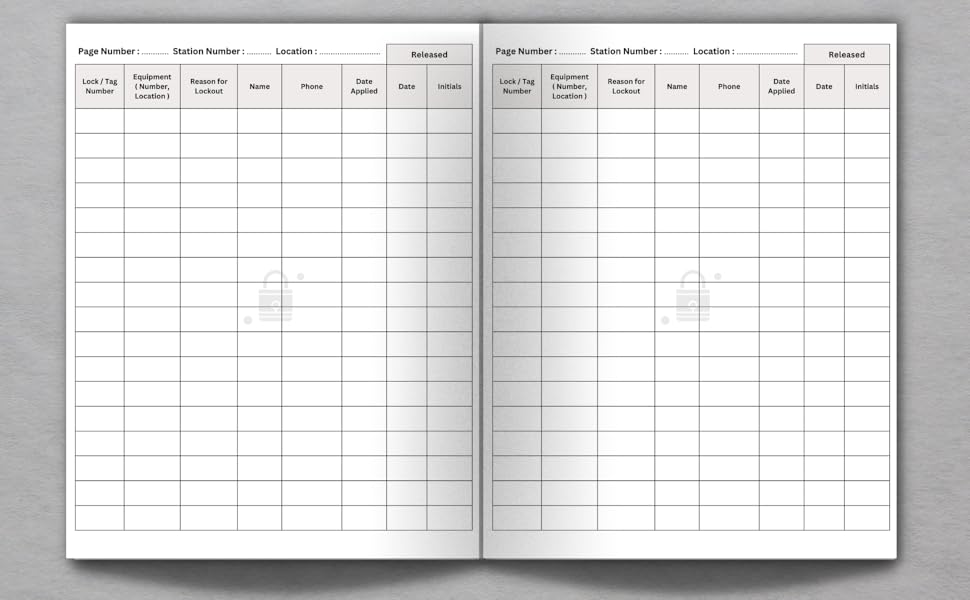
8. Clearance and Re-energization - Final check that all tools are removed, personnel are clear - Signature for release
Common Mistakes That Undermine Effectiveness
Even with a solid template, errors creep in. Watch for these:
- Incomplete fields: Leaving out energy types or verification steps
- Blank signature lines: Signatures added after the fact or not at all
- Generic equipment names: “Machine #3” instead of “Conveyor System – Line B, ID: CB-204”
- No time stamps: Makes auditing or incident review impossible
- Missing zero-energy verification: The most dangerous oversight—locking out without testing
A record sheet filled incorrectly is as bad as no sheet at all. That’s why training and spot checks are essential.
How to Implement a LOTO Record Sheet System
Creating a form is just step one. Integration into daily operations is where real safety begins.
Step 1: Customize the Template to Your Facility Use a master template but tailor it to your equipment. For example, a printing press may require isolation of ink systems and rollers, while a HVAC unit needs refrigerant and motor lockouts. Generic forms miss nuances.
Step 2: Integrate with LOTO Procedures Each machine should have a written energy control procedure. The record sheet is the execution log of that procedure. Store both in the same location—digitally or physically near the equipment.
Step 3: Train Authorized and Affected Employees Authorized employees apply locks and complete sheets. Affected employees (those who operate the equipment) must understand the process and never remove locks. Training should include mock drills and form-filling exercises.
Step 4: Conduct Monthly Audits OSHA requires annual audits, but monthly internal checks catch problems early. Pick a random 10% of completed sheets and verify:
- All required fields are filled
- Signatures are present and legible
- Lock numbers match physical logs
- Zero-energy verification is documented
Use audit findings to retrain and refine.
Step 5: Store Records for at Least One Year OSHA requires documentation of each periodic inspection. Keep completed sheets on file—digitally backed up—for at least 12 months. Include audit results and employee training records.
Digital vs. Paper-Based LOTO Record Sheets
While paper forms are still common, digital solutions are gaining ground. Here’s how they compare:
| Factor | Paper-Based | Digital |
|---|---|---|
| Accessibility | Limited to physical location | Cloud-based, accessible from any device |
| Searchability | Manual filing, hard to retrieve | Instant search by date, employee, equipment |
| Error Prevention | No validation; errors common | Required fields, dropdowns, alerts |
| Audit Trail | Prone to loss or damage | Automatic timestamps, version history |
| Integration | Standalone | Can sync with CMMS, EHS platforms |
| Cost | Low upfront, high long-term admin | Higher initial cost, lower lifecycle cost |
Digital systems reduce human error and improve compliance tracking. However, they require reliable devices and training.
Top 5 Tools for Managing LOTO Record Sheets For facilities ready to upgrade, these platforms offer robust documentation and control:
- Baxter Lockout
- - Cloud-based LOTO management
- - Customizable digital record sheets
- - QR code scanning for equipment
- - Real-time reporting and audit trails
- Lockout Tagout Pro by HSI
- - Mobile app for field use
- - Pre-built templates compliant with OSHA
- - Photo uploads to verify lock application
- - Integration with training modules
- EHS Insight
- - Full EHS suite with LOTO module
- - Automated reminders for annual audits
- - Document control and versioning
- - Incident tracking linked to records
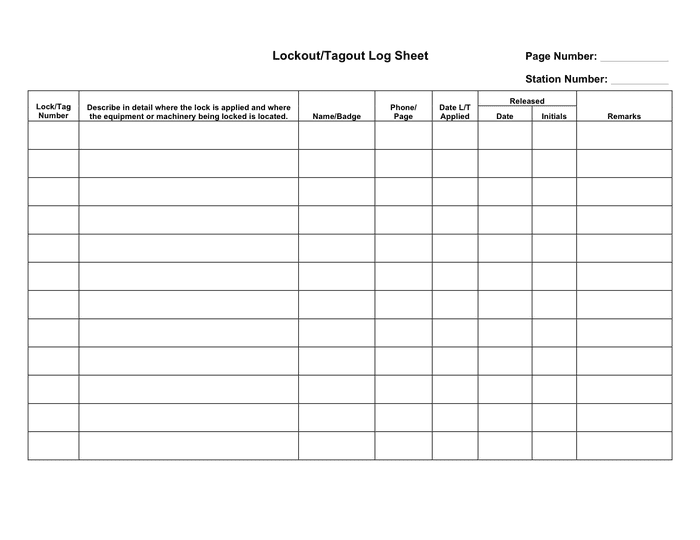
- FramoCare
- - Used in heavy industry and oil & gas
- - Supports complex multi-energy systems
- - Offline mode for remote sites
- - Detailed reporting for regulators
- SpheraCloud EHS
- - Enterprise-grade platform
- - AI-powered risk assessments
- - Global compliance templates
- - Workflow automation for approvals
Each tool reduces administrative burden and strengthens compliance. Choose based on your facility size, risk level, and IT infrastructure.
Practical Use Cases: From Routine Maintenance to Emergency Repairs
A well-designed LOTO record sheet adapts to real-world conditions.
Case 1: Scheduled Maintenance on a Packaging Line A team shuts down a packaging machine for bearing replacement. The lead technician: - Fills out the record sheet at the start - Lists electrical and pneumatic isolation points - Tests for zero energy using a multimeter and pressure gauge - Gets supervisor sign-off - Stores the sheet digitally after work completion
Audit-ready and efficient.
Case 2: Emergency Repair on a Boiler System A pressure relief valve fails. The response is urgent, but procedure still applies. The technician: - Uses a pre-printed emergency LOTO form - Applies locks and tags immediately - Completes the record sheet within two hours post-repair - Attaches a note explaining time delay due to safety-critical response
Even in emergencies, documentation follows—just with context.
Avoid These LOTO Record Sheet Pitfalls
Even experienced teams make these mistakes:
- Using a single sheet for multiple machines: Each lockout requires its own record.
- Letting untrained workers fill out forms: Only authorized employees should complete them.
- Storing sheets in inaccessible locations: If the auditor can’t find it, it doesn’t exist.
- Ignoring shift changes: If work spans shifts, document the handover—include both employees’ signatures.
- Not reviewing past records: Historical sheets reveal patterns—repeated lockouts on one machine may signal deeper maintenance issues.
Final Thoughts: Make Compliance Actionable
A lock out tag out record sheet is more than a form—it’s a living document that protects lives and legal standing. It should be clear, enforceable, and embedded in your safety culture. Whether paper or digital, generic or custom, the goal is the same: leave no doubt that energy was controlled, verified, and released safely.
Start today: audit your current record sheets, fix gaps, train your team, and ensure every lockout has a paper (or digital) trail. Because when OSHA shows up—or worse, when an injury occurs—your documentation will speak for you.
FAQ What is a lock out tag out record sheet? It’s a documented log of each lockout procedure, showing who applied locks, what equipment was isolated, and how zero energy was verified.
Is a record sheet required by OSHA? Yes. OSHA 29 CFR 1910.147(c)(6) requires employers to certify that energy control procedures are inspected at least annually, and documentation is part of that.
Who should fill out the LOTO record sheet? Only authorized employees—those trained to implement the energy control procedures.
How long should LOTO records be kept? At minimum, one year. Some industries or internal policies require longer retention.
Can digital records replace paper sheets? Yes, as long as they are secure, tamper-proof, and include all required information.
What happens if a record sheet is missing? It may be treated as non-compliance, leading to fines, increased liability, and failed audits.
Should each lockout have its own sheet? Yes. Every application of the energy control procedure requires a separate, completed record.
FAQ
What should you look for in Lock Out Tag Out Record Sheet: The Key to Compliance and Safety? Focus on relevance, practical value, and how well the solution matches real user intent.
Is Lock Out Tag Out Record Sheet: The Key to Compliance and Safety suitable for beginners? That depends on the workflow, but a clear step-by-step approach usually makes it easier to start.
How do you compare options around Lock Out Tag Out Record Sheet: The Key to Compliance and Safety? Compare features, trust signals, limitations, pricing, and ease of implementation.
What mistakes should you avoid? Avoid generic choices, weak validation, and decisions based only on marketing claims.
What is the next best step? Shortlist the most relevant options, validate them quickly, and refine from real-world results.