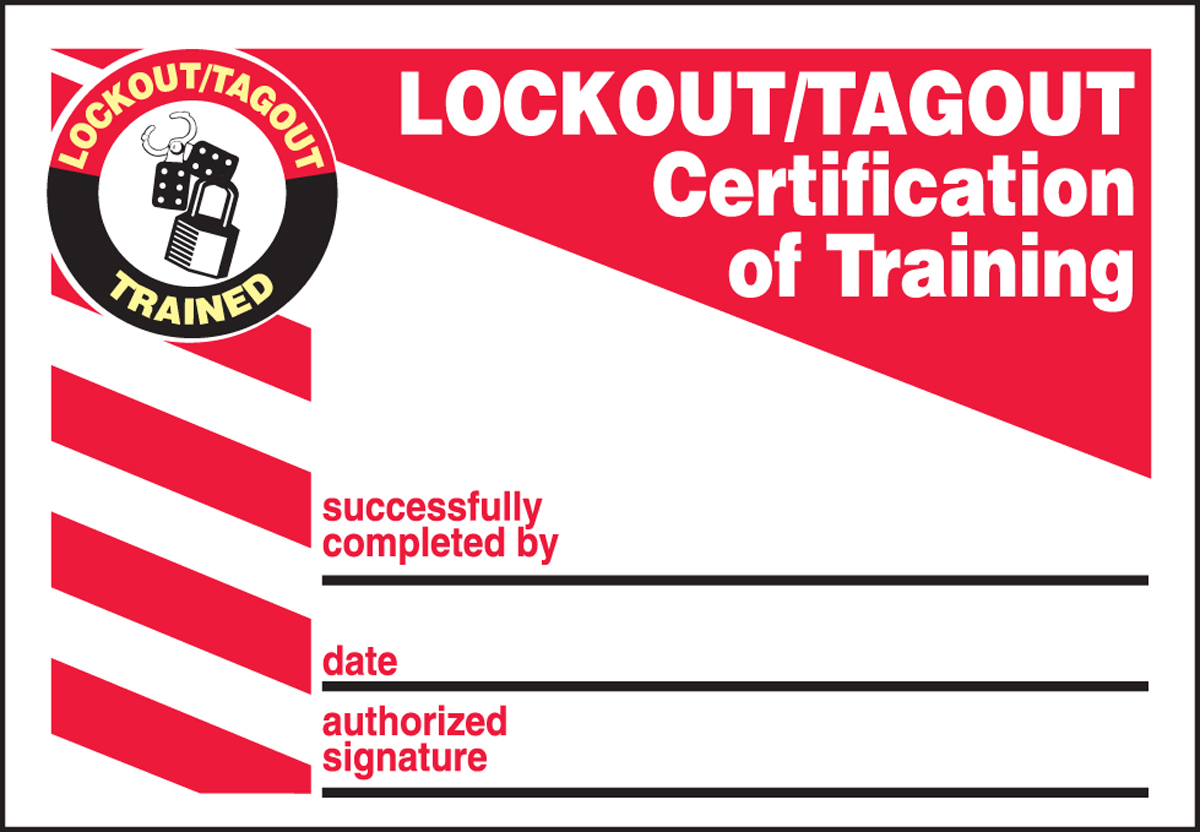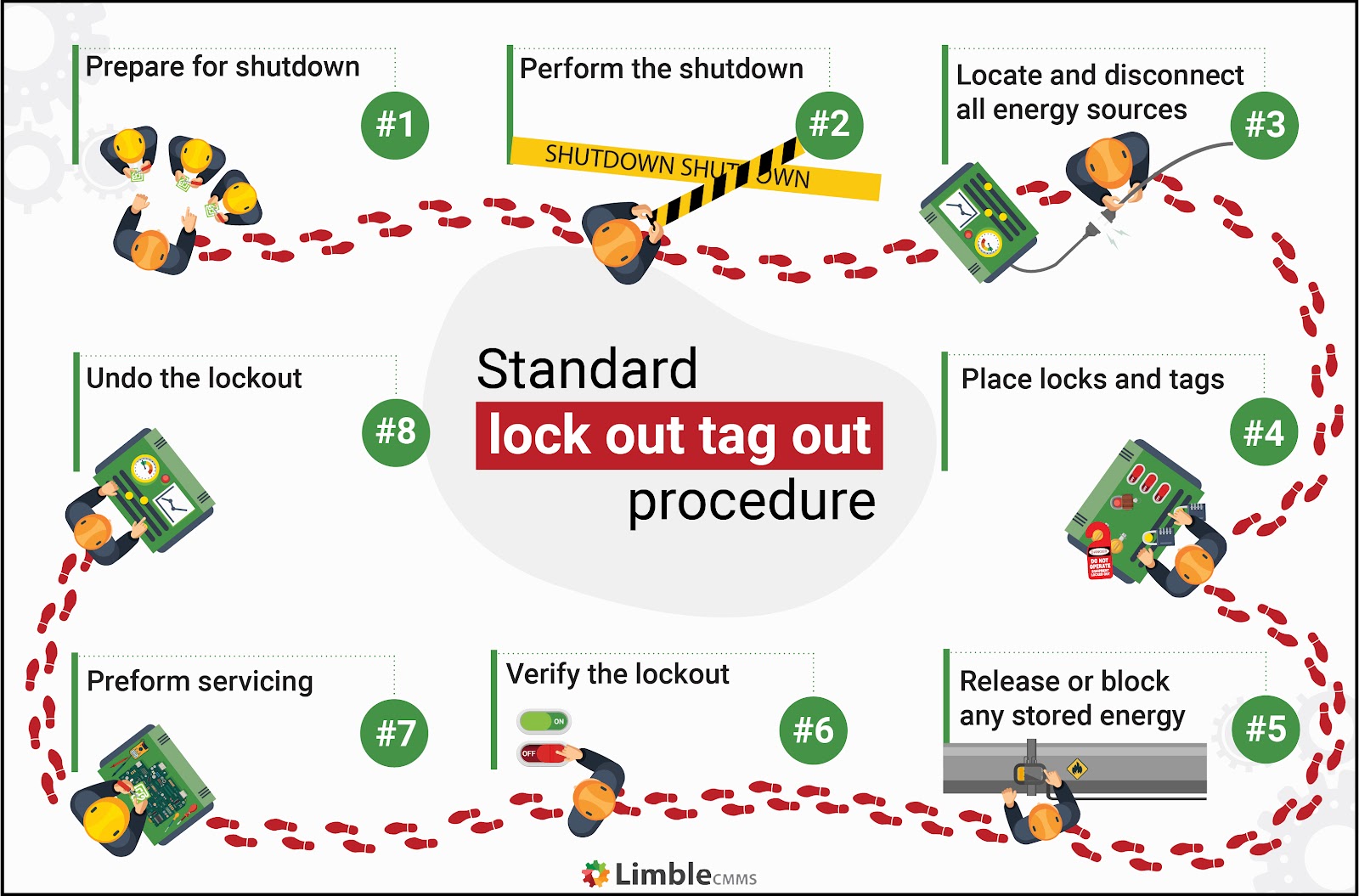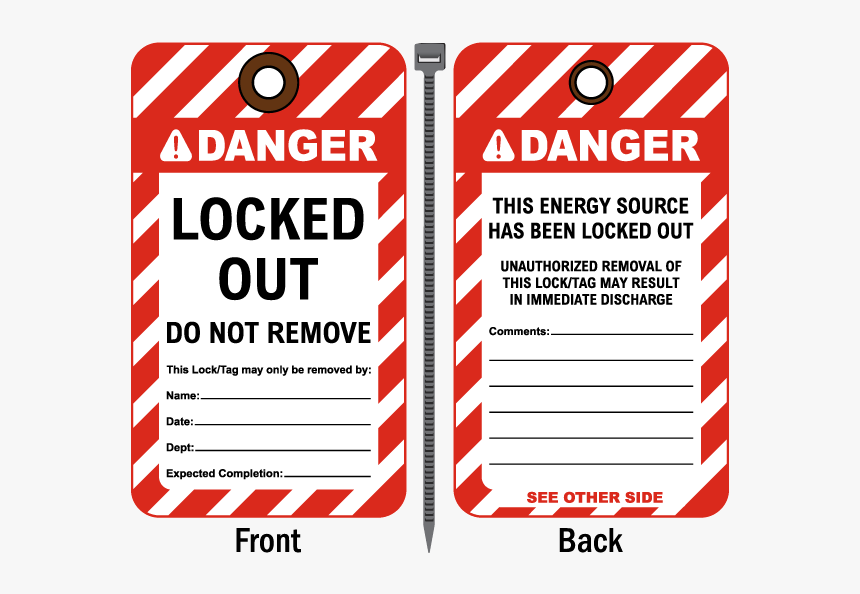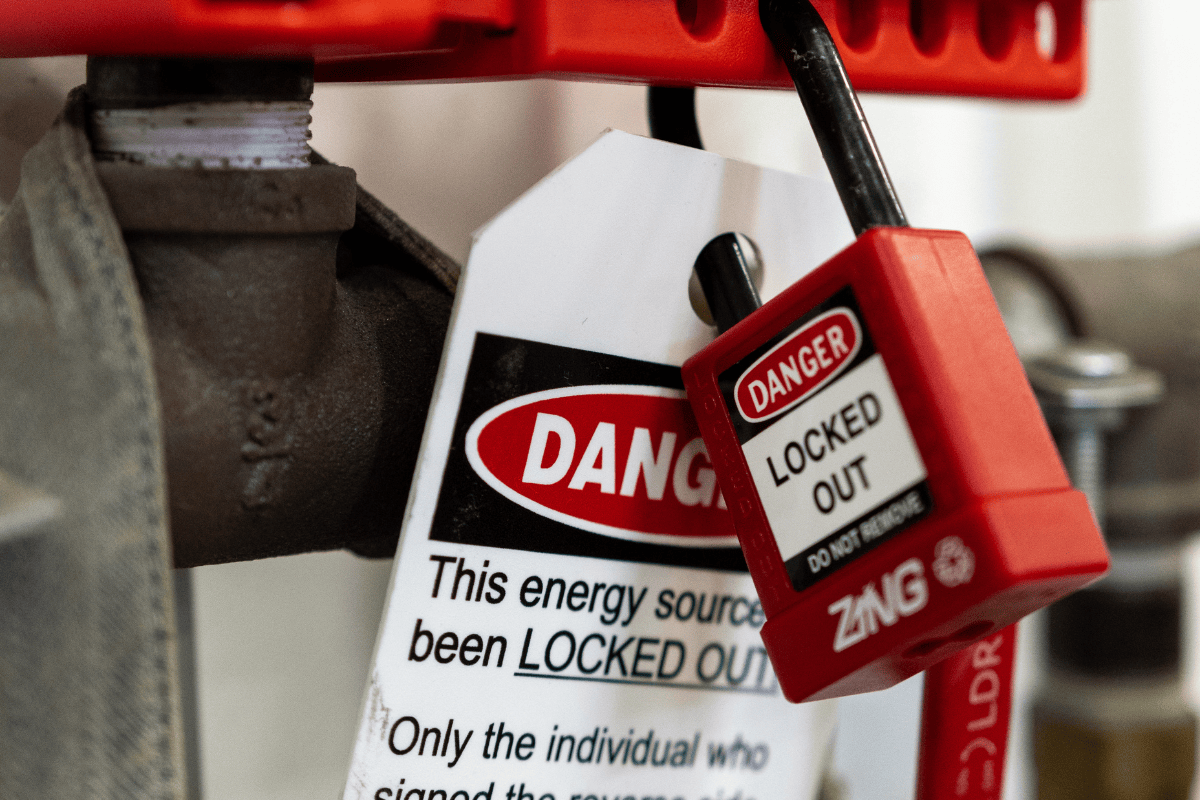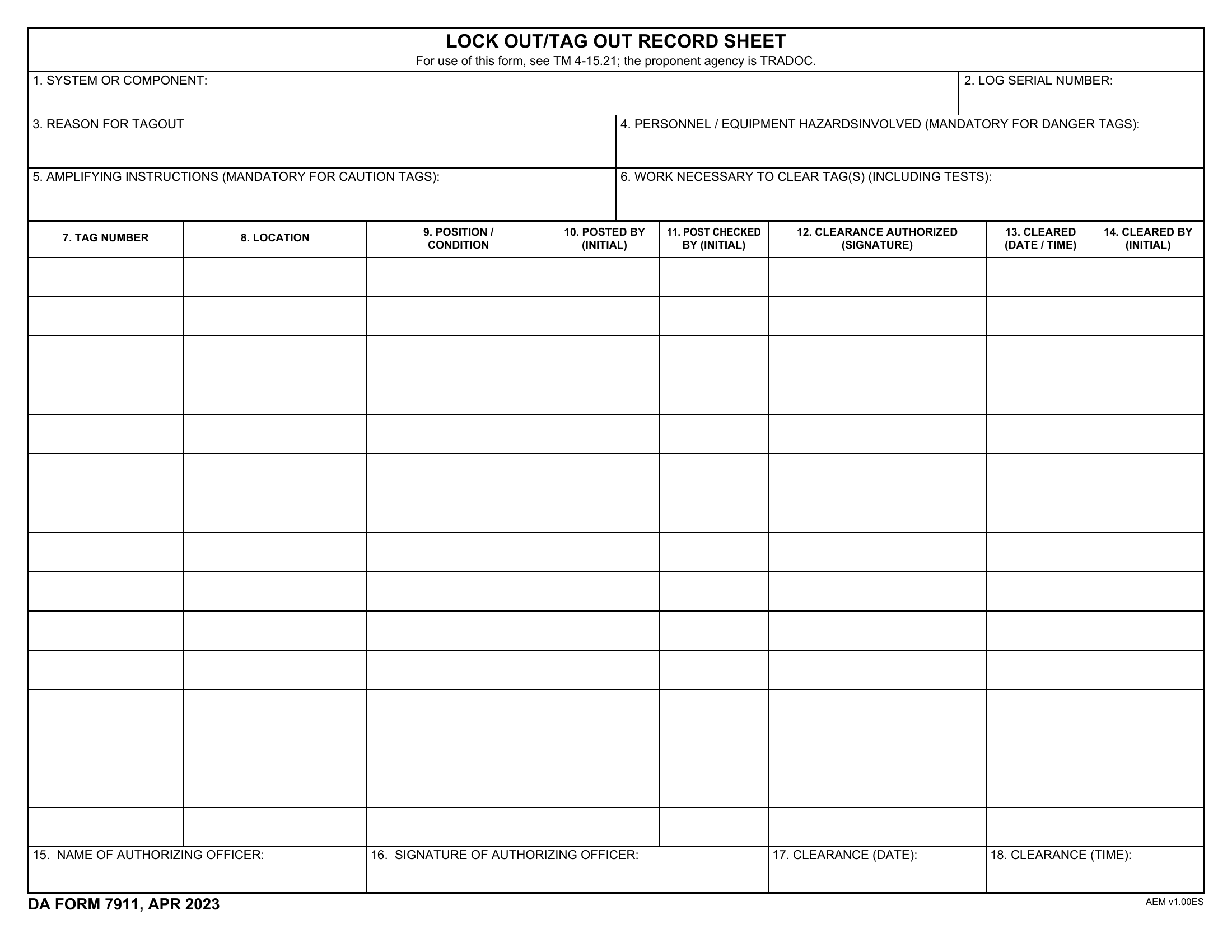
Every year, hundreds of workers suffer severe injuries—or worse—because machinery was accidentally re-energized during maintenance. The solution isn’t complicated: a properly implemented Lock Out Tag Out (LOTO) program with one critical component—the lock out tag out record sheet. This document isn’t just paperwork. It’s a legal requirement, a safety mechanism, and a real-time audit trail that protects lives.
Without a record sheet, even the best LOTO procedures are vulnerable to miscommunication, skipped steps, or unverified compliance. This article breaks down exactly what a LOTO record sheet is, why it matters, how to design and use one effectively, and what tools can help streamline the process.
What Is a Lock Out Tag Out Record Sheet?
A lock out tag out record sheet is a formal document used to log every instance when energy-isolating devices—like circuit breakers, valves, or disconnect switches—are locked and tagged before maintenance or servicing. It records who applied the lock, when, on which equipment, and verifies that all energy sources were properly isolated.
Think of it as a safety passport for equipment servicing. It ensures accountability and traceability across shifts, contractors, and departments.
Key Components of a LOTO Record Sheet
A well-designed record sheet includes:
- Equipment ID or Name – Specific identifier (e.g., Pump #5, Conveyor Line A)
- Date and Time of Lock Application
- Authorized Employee Name and ID – The person applying the lock
- Type of Energy Isolated – Electrical, hydraulic, pneumatic, thermal, etc.
- Lock and Tag Numbers – Unique identifiers for each device
- Reason for Lockout – Routine maintenance, repair, cleaning, etc.
- Verification of Isolation – Confirming zero energy state
- Sign-Off for Removal – Who removed the lock and when
Without these fields, the record lacks legal and operational value.
Why OSHA Requires LOTO Documentation
The Occupational Safety and Health Administration (OSHA) standard 29 CFR 1910.147 mandates that all LOTO procedures include written documentation and employee training records. While the regulation doesn’t prescribe a specific format for the record sheet, it does require proof that:
- Energy control procedures are followed
- Each authorized employee is trained
- Periodic inspections are conducted (at least annually)
- Each lockout event is documented
A record sheet is the simplest, most effective way to meet these requirements. In the event of an inspection or incident investigation, that sheet becomes evidence of due diligence.
Real-World Consequences of Missing Records
In 2022, a manufacturing plant in Ohio faced a $180,000 OSHA fine after an employee lost a hand when a press restarted during maintenance. The root cause? No lockout record existed, and the supervisor couldn’t prove the procedure was followed. The company had verbal protocols—but no documentation. That’s not compliance.
A record sheet eliminates ambiguity. It shifts safety from assumption to verification.
How to Create an Effective LOTO Record Sheet
Designing a record sheet isn’t about fancy templates. It’s about clarity, completeness, and consistency. Use these guidelines to build one that works in the real world.
Step 1: Standardize the Format
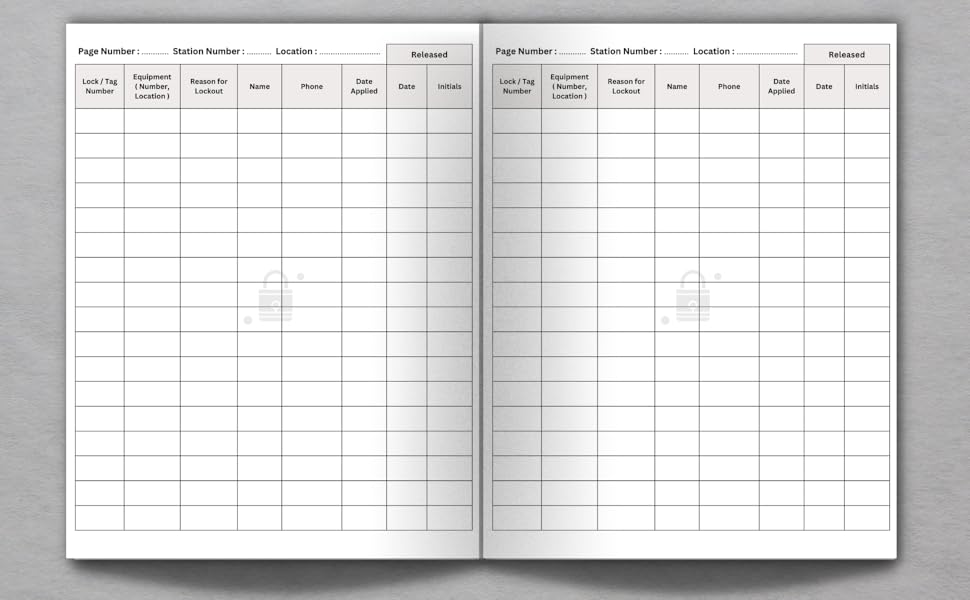
Create a universal template that applies across departments. Use: - Clear, large fonts - Checkboxes for verification steps - Space for signatures (or digital equivalents) - Color-coding for different energy types (optional but helpful)
Step 2: Integrate
with Existing LOTO Procedures
The record sheet must align with your written energy control procedures. If your procedure says “verify zero energy state using a voltage tester,” the record sheet should include a checkbox for that step.
Step 3: Include Multi-Shift and Multi-Employee Support
Many maintenance jobs span shifts. Your record sheet should allow for: - Shift handover logs – Who took over the lock? - Group lockout blocks – Multiple workers on one machine - Contractor tracking – External personnel applying locks
Failure to account for these scenarios leads to dangerous gaps.
Common Mistakes That Undermine LOTO Record Sheets
Even companies with record sheets in place often get it wrong. Here are frequent pitfalls:
1. Using Generic Templates A one-size-fits-all form used for both electrical panels and hydraulic presses misses equipment-specific risks. Customize per machine type.
2. Skipping Verification Sign-Offs Signing off before testing isolation is a deadly shortcut. The record sheet should require proof—like a tester reading or gauge check—before approval.
3. Allowing Blank or Incomplete Sheets An unsigned, undated sheet is legally useless. Train supervisors to reject incomplete records.
4. Storing Records in Inaccessible Locations If the sheet is locked in a supervisor’s office while work happens on the floor, it’s not serving its purpose. Keep logs nearby—physically or digitally.
5. Not Reviewing Records Annually OSHA requires annual audits of LOTO procedures. Use record sheets as audit trails. Spotting patterns—like frequent lockouts on one machine—can reveal deeper maintenance issues.
Digital vs. Paper-Based LOTO Record Sheets
While paper forms are still common, digital solutions are gaining ground. Here’s how they compare.
| Feature | Paper-Based | Digital |
|---|---|---|
| Real-time access | No | Yes |
| Audit trail | Manual | Automatic |
| Searchability | Poor | Excellent |
| Risk of loss/damage | High | Low |
| Integration with CMMS | None | High |
| Training verification | Offline | Embedded |
When Paper Works - Low-tech environments - Infrequent maintenance - Small teams with strong discipline
When to Go Digital - Multiple sites - High regulatory scrutiny - Complex equipment - Frequent contractor work
Digital platforms often include photo capture, GPS timestamps, and automated reminders—features that close compliance gaps paper can’t match.
5 Tools That Improve LOTO Record Management For teams ready to upgrade, these platforms turn record sheets into smart safety systems.
- SafetyChain
- Cloud-based EHS platform with configurable LOTO forms, mobile access, and real-time analytics. Integrates with ERP systems.
- Intelex (by Industrial Scientific)
- Offers LOTO-specific modules with digital workflows, audit trails, and compliance reporting. Ideal for regulated industries.
- EHS Insight
- User-friendly interface with offline mobile capabilities. Great for field teams and multi-site operations.
- Pro-Sapien (Microsoft Power Apps-Based)
- Built on SharePoint and Power Platform. Highly customizable for companies already using Microsoft 365.
- FRAMING LOTO Software
- Specialized in lockout-tagout with visual diagrams, equipment-specific procedures, and digital record sheets.
These tools don’t just store records—they enforce procedure adherence, send alerts, and generate compliance reports with one click.

Practical Example: Using a Record Sheet in a Maintenance Workflow
Let’s say a technician needs to replace a motor on a conveyor system.
- Preparation
- Technician pulls up the LOTO procedure and record sheet (digital or printed).
- Notification
- Operations team is informed; sheet notes time and personnel involved.
- Shutdown
- Machine is turned off. Step documented on the sheet.
- Isolation
- Circuit breaker locked, hydraulic valve closed. Lock numbers recorded.
- Verification
- Voltage tested and confirmed zero. Technician signs verification box.
- Work Performed
- Motor replaced. No re-energization until final sign-off.
- Removal
- After inspection, technician removes lock, logs time and initials removal section.
Every action is tied to the record sheet. If a second shift takes over, they review the same document—no guessing, no risk.
Training and Auditing with the Record Sheet
A record sheet is also a training tool. New employees can review past logs to see how procedures were applied. Supervisors use them during annual audits to verify:
- Are all steps being followed?
- Are locks being applied correctly?
- Are verifications actually performed?
During an audit, randomly select 10 record sheets. Look for: - Consistent completion - Legible signatures - Evidence of energy verification - Proper lock numbering
Gaps in documentation reflect gaps in safety culture.
Conclusion: Make the Record Sheet a Living Document
A lock out tag out record sheet shouldn’t sit in a binder collecting dust. It should be part of daily operations—filled out, reviewed, and used to drive safety decisions. Whether paper or digital, its value lies in consistency and accountability.
Start today: audit your current LOTO documentation. Is every lockout event recorded? Can you prove it to OSHA? If not, redesign your record sheet using the principles above. Train your team. And treat every entry not as a formality, but as a safeguard—one signature, one checkbox, one life at a time.
FAQ
What should be included in a lock out tag out record sheet? It should include equipment ID, date/time, employee name, lock and tag numbers, energy types isolated, verification of zero energy, and sign-off for removal.
Is a LOTO record sheet required by OSHA? Yes. OSHA 1910.147 requires documentation of energy control procedures, including periodic inspections and employee training—often captured via record sheets.
Can digital LOTO records be used for compliance? Absolutely. Digital records are accepted if they are secure, tamper-proof, and include all required information with audit trails.
How long should LOTO records be kept? OSHA requires documentation of periodic inspections for at least one year. However, many companies keep records for 3–5 years for liability and audit purposes.
Who is responsible for filling out the LOTO record sheet? The authorized employee performing the lockout is responsible for completing the sheet, including verification and sign-off.
Should contractors be included on LOTO record sheets? Yes. Any external worker applying a lock must be listed with their name, company, lock number, and signature.
Can one record sheet cover multiple machines? No. Each machine or piece of equipment requires its own record to ensure precise tracking and isolation.
FAQ
What should you look for in Lock Out Tag Out Record Sheet: A Complete Guide to Compliance? Focus on relevance, practical value, and how well the solution matches real user intent.
Is Lock Out Tag Out Record Sheet: A Complete Guide to Compliance suitable for beginners? That depends on the workflow, but a clear step-by-step approach usually makes it easier to start.
How do you compare options around Lock Out Tag Out Record Sheet: A Complete Guide to Compliance? Compare features, trust signals, limitations, pricing, and ease of implementation.
What mistakes should you avoid? Avoid generic choices, weak validation, and decisions based only on marketing claims.
What is the next best step? Shortlist the most relevant options, validate them quickly, and refine from real-world results.