Industrial accidents often stem from one critical failure: unexpected machine startup. A technician reaches into a jammed conveyor belt, assumes the system is off, and in an instant—catastrophe. This is precisely why lockout tagout (LOTO) exists. At its core, a lockout tagout is used to protect workers by ensuring machines are completely de-energized during maintenance or servicing. It’s not just a procedure—it’s a lifesaving protocol.
Across manufacturing plants, utility facilities, and even commercial kitchens, LOTO practices prevent hundreds of injuries each year. But despite its widespread use, many still ask: what is a lockout tagout used for, really? The answer goes beyond turning off a switch. It's about control, verification, and accountability.
The Core Purpose of Lockout Tagout
Lockout tagout is used to isolate hazardous energy sources—electrical, mechanical, hydraulic, pneumatic, chemical, thermal, or gravitational—before work begins. This prevents accidental re-energizing of equipment when someone is inside or near it.
Imagine a mechanic cleaning a hydraulic press. If a colleague unknowingly powers it back on, severe crush injuries can occur. LOTO eliminates this risk by physically locking the energy-isolating device (like a circuit breaker or valve) and tagging it with warnings.
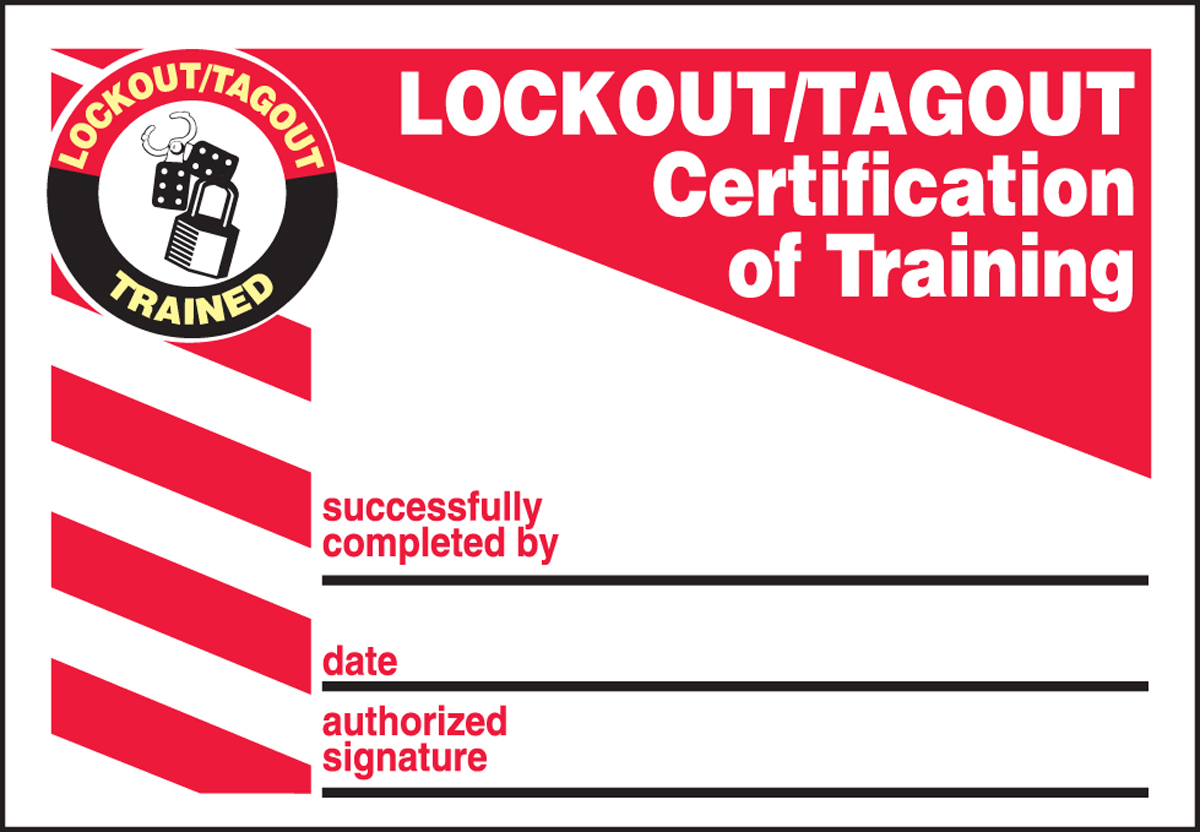
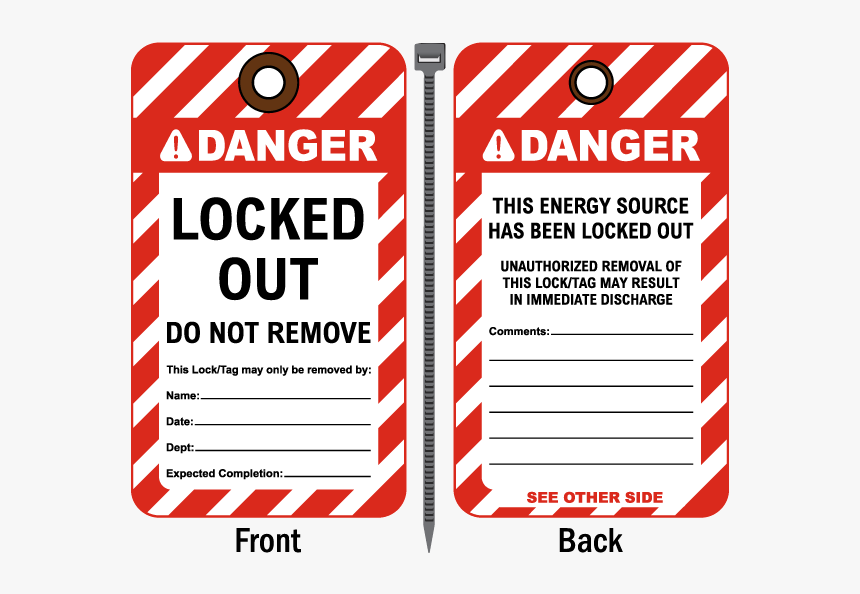
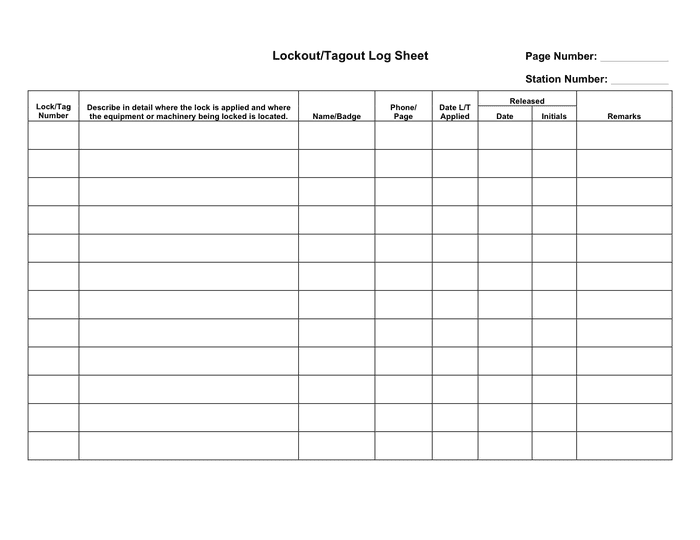
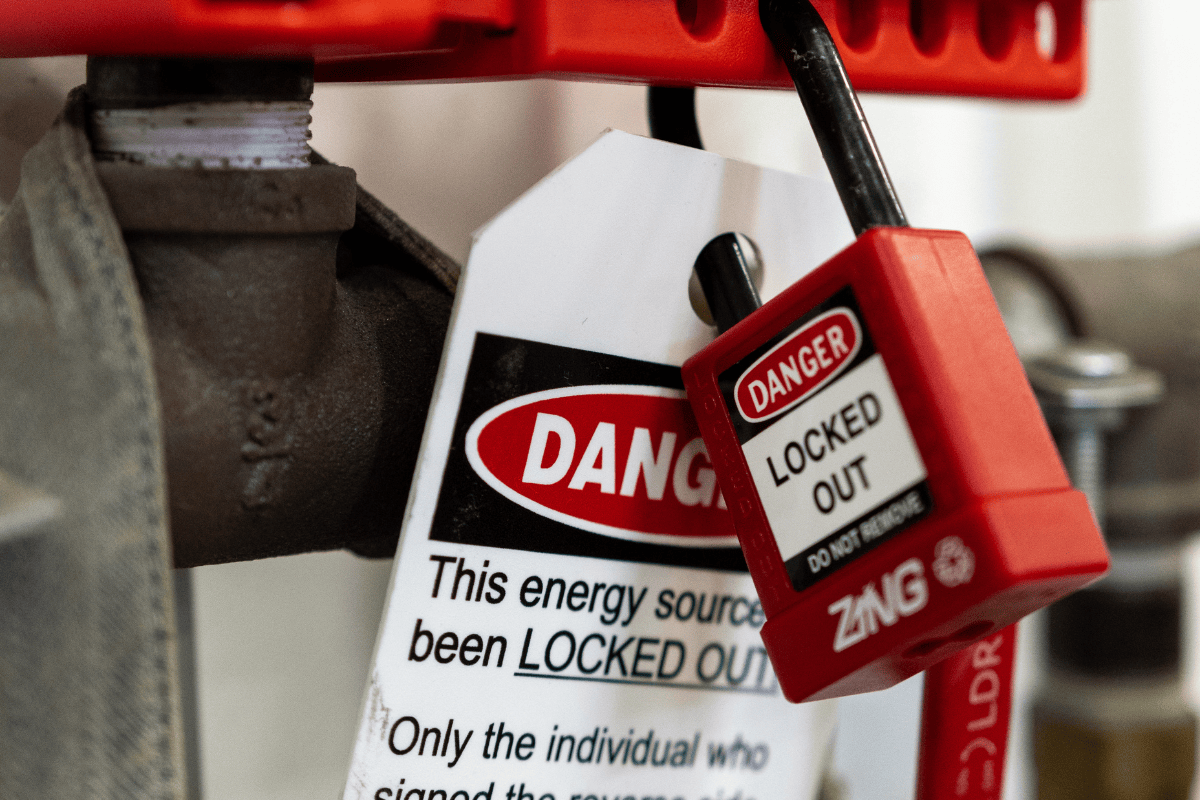
The key components: - Lockout: A physical lock applied by the worker to prevent operation. - Tagout: A durable, standardized tag stating who locked the device, when, and why.
Together, they create a system of ownership and visibility—no one else can restart the machine without the worker’s knowledge.
Where Lockout Tagout Is Required
LOTO isn’t optional in high-risk environments. It's mandated by OSHA (Occupational Safety and Health Administration) under standard 29 CFR 1910.147 for general industry. But compliance isn’t just about avoiding fines—it's about preventing life-altering accidents.
Common industries that rely on LOTO: - Manufacturing: Assembly lines, robotic arms, CNC machines. - Construction: Cranes, lifts, power tools. - Utilities: Electrical substations, boilers, turbines. - Food Processing: Mixers, slicers, packaging systems. - Healthcare: Medical gas systems, sterilization equipment.
Any time servicing involves removing guards, clearing jams, or replacing parts on powered equipment, LOTO applies.
Even seemingly simple tasks—like changing a filter on a pressurized system—can turn deadly without proper lockout. One facility reported a fatality when a worker bypassed LOTO to clear a paper jam in a printing press. The machine cycled automatically and crushed his arm. This type of tragedy is preventable.
How Lockout Tagout Prevents Injuries
The primary reason lockout tagout is used is to stop unexpected energization or startup. But its protective role extends further.
#### Prevents Release of Stored Energy Machines don’t just stop when powered down. Springs, capacitors, elevated parts, or pressurized lines can release dangerous energy long after shutdown. LOTO procedures require controlled dissipation—like bleeding hydraulic lines or lowering suspended loads.

#### Eliminates Human Error Tags serve as visual warnings. A red-and-yellow tag reading “DO NOT OPERATE – UNDER MAINTENANCE” alerts others that work is in progress. Combined with a personal lock, it removes ambiguity.
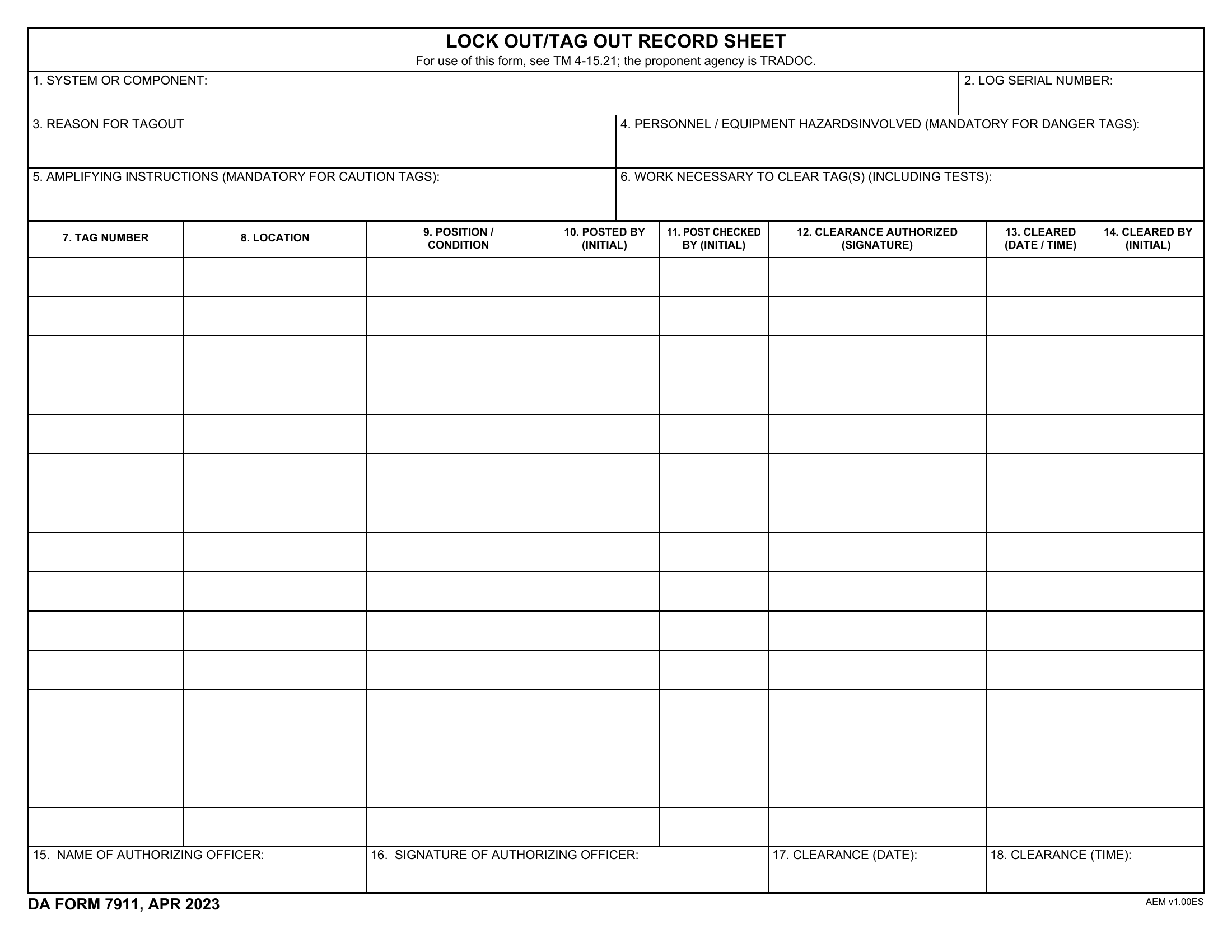
#### Enforces Accountability Each worker applies their own lock and tag. This personal responsibility ensures no one else can remove it. Only the authorized employee may restore power—unless a formal removal procedure is followed (e.g., shift changes).
Consider a real-world case: At a steel mill, a maintenance team was repairing a roller conveyor. One worker forgot to lock the main disconnect. Another technician, unaware, flipped the switch. The rollers engaged, dragging the first worker into the machinery. Investigations revealed incomplete LOTO adherence. A single missing lock led to permanent disability.
Common Missteps in Lockout Tagout Use
Even trained teams make mistakes. Understanding what LOTO is used for means recognizing how it can fail.
| Mistake | Risk | Prevention |
|---|---|---|
| Using a master lock | Defeats personal accountability | Assign individual locks only |
| Skipping tagout | No warning for others | Always tag, even if locked |
| Not verifying zero energy | Assumed shutdown ≠ safe | Test every circuit, line, or valve |
| Rushing the process | Bypassing steps under time pressure | Build LOTO into service timelines |
| Incomplete training | Workers don’t understand procedures | Conduct hands-on drills annually |
One plant reported a near-miss when a supervisor “temporarily” removed a tag to test equipment. The worker was still inside the machine zone. The test caused a partial startup. Fortunately, the worker reacted quickly. The incident was a wake-up call: LOTO must be enforced rigidly, without exceptions.
Real-World Applications of LOTO
Understanding what a lockout tagout is used for becomes clearer through practical examples.
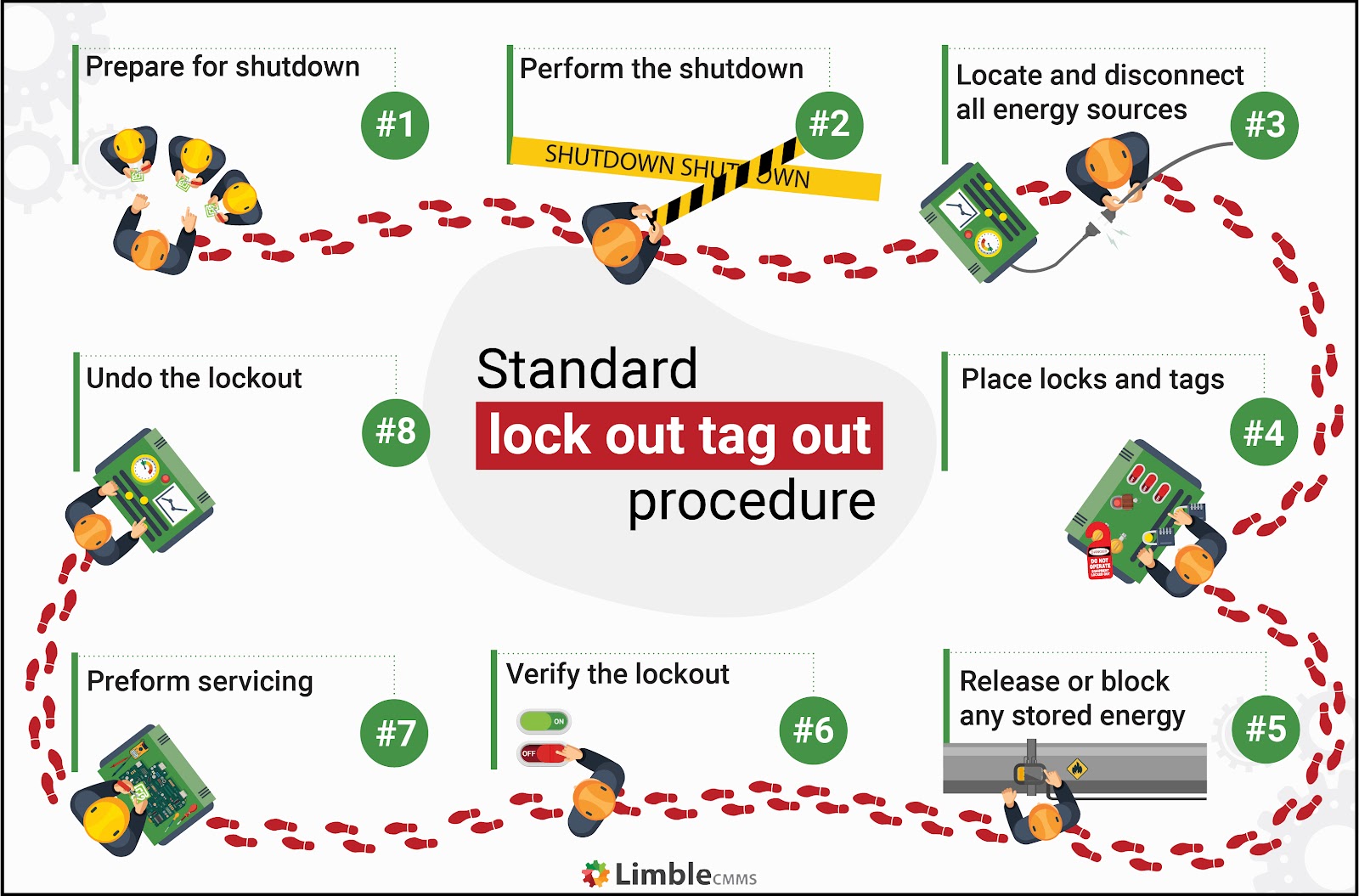
- #### Example 1: Conveyor System Maintenance A technician needs to replace a worn pulley. Steps:
- Shut down the conveyor at the main control panel.
- Apply a lock to the circuit breaker.
- Hang a tag with name, date, and reason.
- Bleed residual pressure from pneumatic lines.
- Test the start button to confirm zero energy.
- Begin work.
Only after completion does the technician remove the lock and restore power.
#### Example 2: Boiler Servicing A plant engineer cleans a high-pressure boiler. Before entry: - Isolate steam and water supply valves. - Lock and tag each isolation point. - Drain and vent the system. - Confirm temperature and pressure are safe. - Begin inspection.
Without isolating multiple energy sources, scalding or explosion risks remain high.
#### Example 3: Electrical Panel Repair An electrician troubleshoots a tripped breaker. Instead of working live, they: - Turn off the main switch. - Lock the disconnect. - Tag the panel. - Use a voltage tester to verify no power. - Proceed with diagnostics.
This process prevents arc flashes—a leading cause of electrical injuries.
Essential LOTO Equipment and Tools
Effective lockout tagout relies on durable, standardized tools. The wrong equipment can compromise safety.
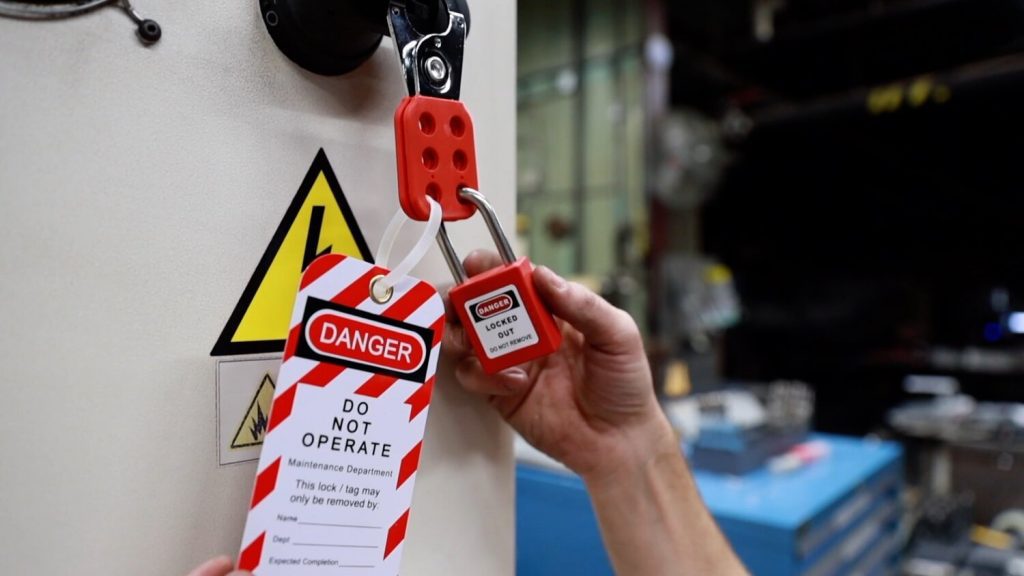
Here are five widely used LOTO devices:
- Padlocks with Safety Cables
- Designed for valves, breakers, and switches. Often color-coded by department or worker.
- Valve Lockouts
- Fits over gate, ball, or butterfly valves to prevent opening. Made of PVC or polycarbonate.
- Circuit Breaker Locks
- Slides over breaker toggles to prevent flipping. Available for single or multi-pole breakers.
- Hasps and Group Lockout Stations
- Allows multiple workers to apply individual locks to one isolation point.
- Tagout Tags and Tag Printers
- Durable, weather-resistant tags with pre-printed warnings or customizable fields.
Investing in high-quality gear matters. One automotive plant switched from flimsy plastic tags to tamper-resistant polyester ones. Incidents of unauthorized removal dropped by 70% within six months.
Limitations and When LOTO Isn’t Enough
While LOTO is critical, it’s not a cure-all.
- Complex Systems: Some equipment has overlapping energy sources (e.g., hybrid machinery). Standard LOTO may miss hidden circuits.
- Remote Operations: Automated systems can restart via PLCs or network commands. Physical locks must be paired with software locks.
- Shift Transitions: If a worker leaves a lock on during a shift change, proper handover must occur—otherwise, delays or unsafe removal may follow.
Additionally, LOTO does not replace proper machine guarding. Guards should be in place before work starts. LOTO supports, but doesn’t substitute, engineered controls.
Making LOTO Part of Your Safety Culture
Knowing what a lockout tagout is used for is only step one. The real challenge is consistent application.
Start with: - Clear Procedures: Document LOTO steps for each machine. - Training: Include visual aids, role-playing, and live demonstrations. - Audits: Monthly checks to verify compliance. - Leadership Buy-In: Supervisors must model LOTO use every time.
One semiconductor plant reduced maintenance accidents by 90% over three years by integrating LOTO into daily safety briefings and rewarding full compliance.
When LOTO becomes routine—not a burden, but a baseline—workplaces become safer by design.
Lockout tagout is used to protect lives, not fulfill paperwork. It stops unexpected startups, controls stored energy, and creates accountability. From factories to hospitals, its principles save workers from crushing, electrocution, burns, and worse. The cost of a padlock and tag is negligible compared to the cost of a preventable injury. Implement LOTO rigorously, train without exception, and never assume a machine is safe—verify it.
Frequently Asked Questions
What is the main goal of lockout tagout? The main goal is to protect workers from unexpected energization or startup of machinery during maintenance.
When should lockout tagout be used? LOTO must be used whenever servicing equipment requires removing guards, accessing moving parts, or exposing workers to hazardous energy.
Who is responsible for applying a lockout tagout? The authorized employee performing the work must apply their own lock and tag.
Can tagout be used without lockout? Only if the tag provides equivalent protection, but OSHA prefers lockout when feasible.
What happens if someone removes a lockout device prematurely? It’s a serious safety violation and can lead to accidents, disciplinary action, or legal liability.
Are small businesses required to follow LOTO standards? Yes, OSHA regulations apply to all employers, regardless of size, where hazardous energy exists.
How often should LOTO procedures be reviewed? At least annually, or whenever equipment or processes change.
FAQ
What should you look for in What Is a Lockout Tagout Used For? Understanding Its Purpose? Focus on relevance, practical value, and how well the solution matches real user intent.
Is What Is a Lockout Tagout Used For? Understanding Its Purpose suitable for beginners? That depends on the workflow, but a clear step-by-step approach usually makes it easier to start.
How do you compare options around What Is a Lockout Tagout Used For? Understanding Its Purpose? Compare features, trust signals, limitations, pricing, and ease of implementation.
What mistakes should you avoid? Avoid generic choices, weak validation, and decisions based only on marketing claims.
What is the next best step? Shortlist the most relevant options, validate them quickly, and refine from real-world results.