Every year, hundreds of workers suffer severe injuries—or worse—because machinery was accidentally energized during servicing. The failure to implement proper lockout tagout procedures isn’t just a compliance oversight; it’s a direct threat to human life. In high-risk environments like manufacturing plants, refineries, and industrial facilities, a single missed step can turn routine maintenance into a catastrophe.
The solution isn’t complicated—but it must be precise. Lockout tagout (LOTO) is a systematic safety practice designed to isolate hazardous energy sources and prevent unexpected startup of machinery. When executed correctly, it creates a zero-energy state that protects maintenance personnel. This article breaks down the exact steps, common pitfalls, and real-world applications of proper LOTO procedures.
What Is Lockout Tagout and Why It Matters
Lockout tagout refers to the process of isolating energy sources from machines or equipment and using physical locks and warning tags to ensure they remain de-energized during service or maintenance.
- Lockout means placing a physical lock on an energy-isolating device (like a circuit breaker or valve), preventing re-energization.
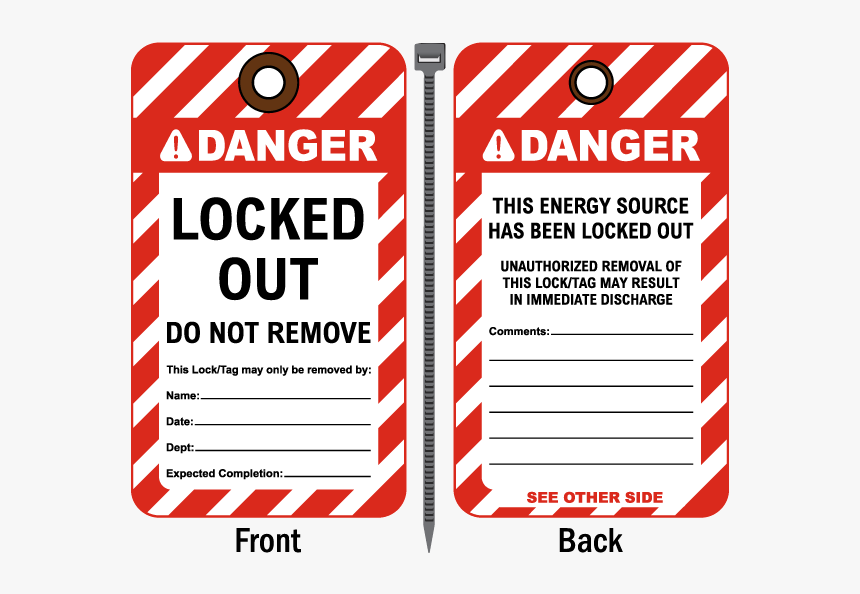
- Tagout involves attaching a warning tag to the same device, indicating who locked it, when, and why.
While tagout alone is sometimes permitted, OSHA strongly prefers lockout because it provides a higher level of control. Tag-only systems are only acceptable when energy-isolating devices can’t be locked.
Why this matters: According to OSHA, compliance with LOTO procedures prevents an estimated 120 fatalities and 50,000 injuries annually in the U.S. alone. It’s not just about avoiding fines—it’s about creating a culture where safety is non-negotiable.
The 8-Step Lockout Tagout Procedure (OSHA-Compliant)
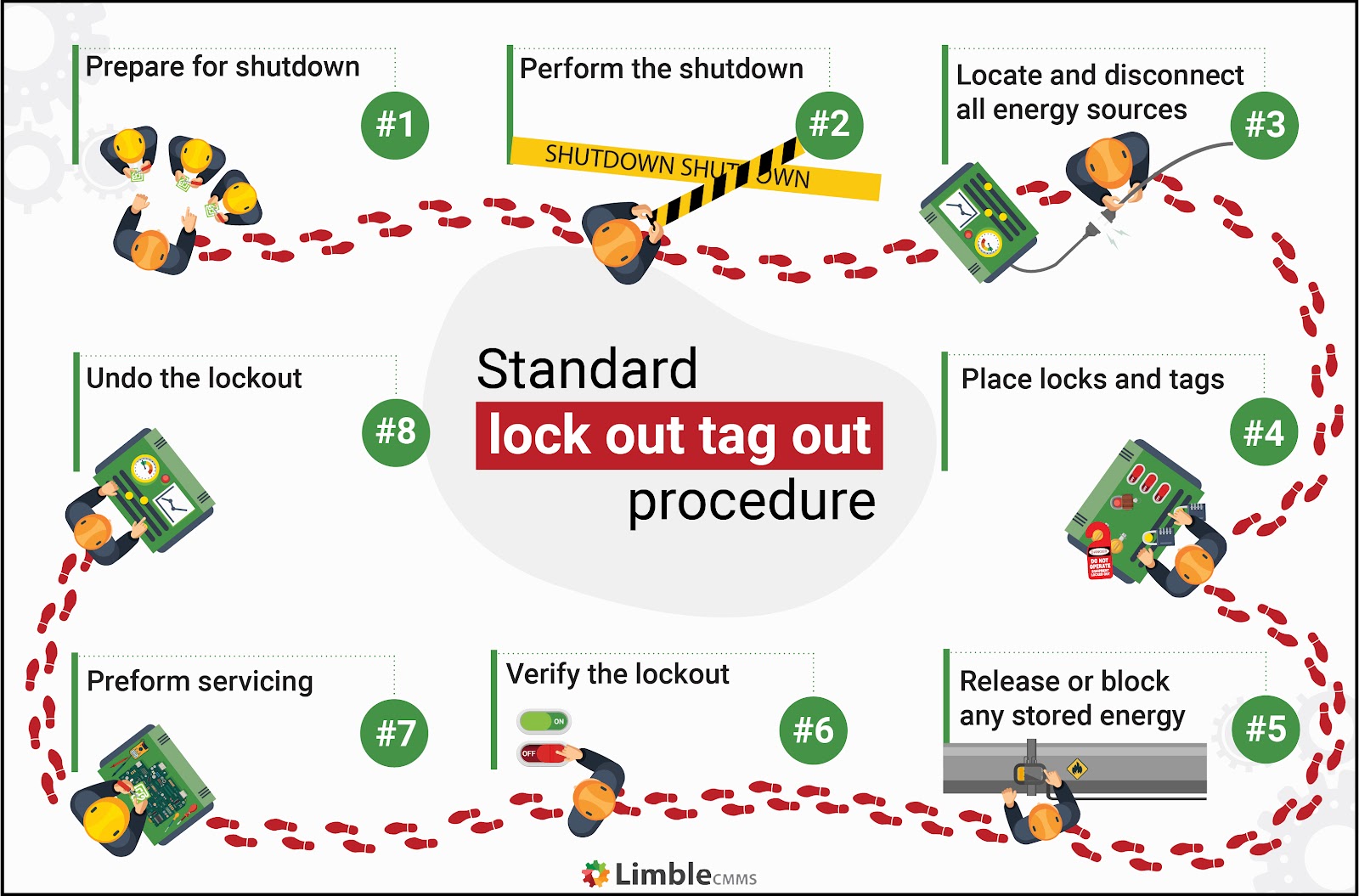
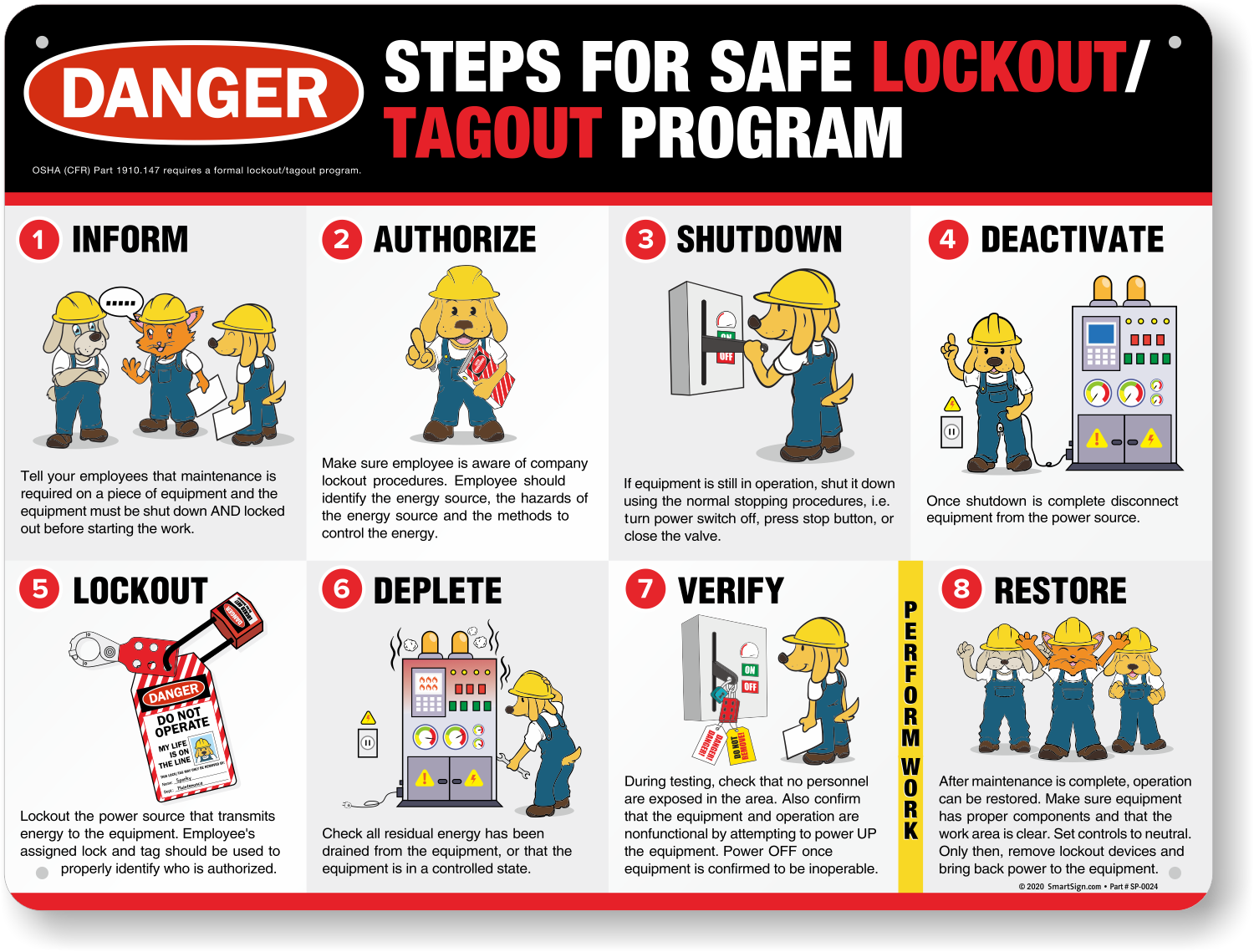
Following a standardized sequence is critical. Deviations increase risk. Here’s the OSHA-recommended 8-step process:
1. Prepare for Shutdown
Before any work begins, identify all types of hazardous energy involved—electrical, mechanical, hydraulic, pneumatic, chemical, thermal, or gravitational. Review the machine’s specific energy control plan.
Example: A conveyor system may have electrical motors, tension springs (mechanical), and hydraulic brakes. Each must be addressed.
2. Notify Affected Personnel Alert all employees who operate or work near the equipment that maintenance is about to begin. This ensures no one attempts to restart the machine unknowingly.
3. Shut Down the Equipment Properly Use normal stopping procedures. Don’t cut power abruptly unless in an emergency. Follow operational manuals to avoid damaging the system or creating new hazards.
4. Isolate All Energy Sources Locate and operate all disconnects, valves, or blocking devices. This includes: - Main power disconnects - Hydraulic/pneumatic line valves - Steam or gas shutoffs - Capacitor discharges - Gravity-dependent components (e.g., elevated parts secured with blocks)
Common mistake: Workers often overlook stored energy in springs, flywheels, or elevated loads. These can release violently even after power is cut.
5. Apply Locks and Tags Each authorized employee must apply their own personal lock and tag. Group locks are allowed only when supervised by a designated leader using a hasp or lockbox.
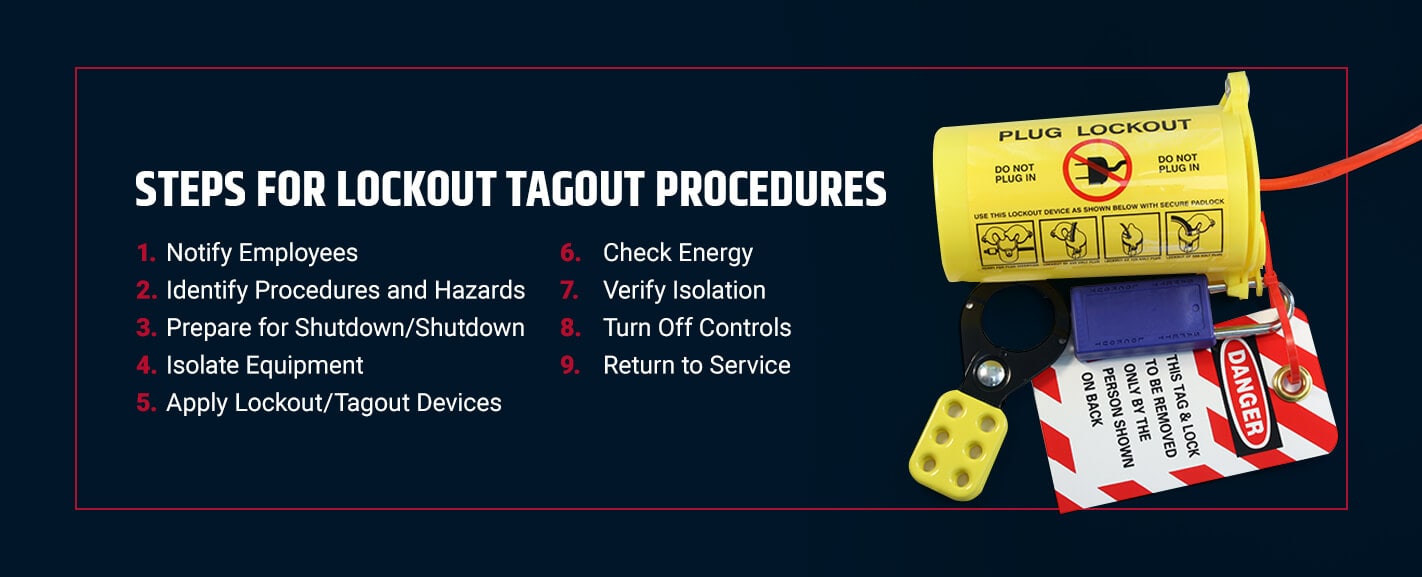
- Locks must be durable, standardized, and identifiable.
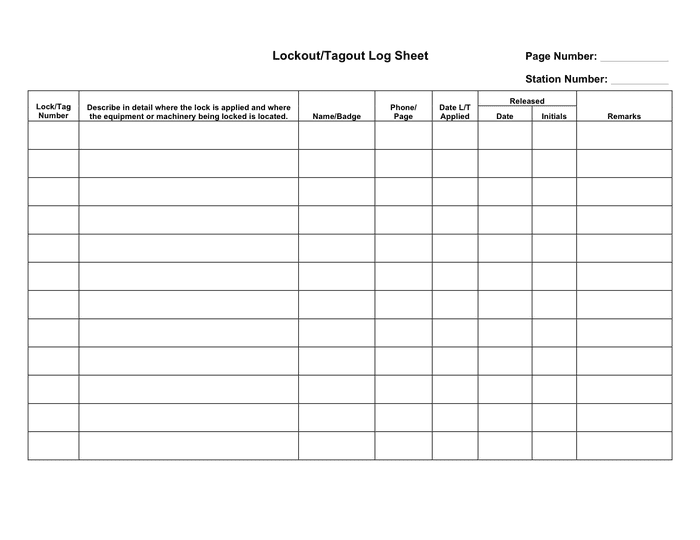
- Tags must include the worker’s name, date, department, and reason for lockout.
Pro tip: Use color-coded locks by department or shift to improve tracking and accountability.
6. Release Stored or Residual Energy
After isolation, safely dissipate any remaining energy: - Bleed hydraulic lines - Ground high-voltage circuits - Allow rotating parts to stop naturally - Drain capacitors
Never assume energy is gone just because the machine is off.
7. Verify the Isolation (The “Zero Energy Check”)
This is the most critical step. Attempt to restart the equipment using normal controls—while standing clear—to confirm it cannot start.
- If it moves or powers up, return to Step 4.
- Only after complete failure to energize should work begin.
Real-world case: At a packaging plant, a technician bypassed verification. A co-worker unknowingly restored air pressure, causing a pneumatic arm to activate and crush the technician’s hand. Verification could have prevented this.
8. Perform Maintenance and Remove LOTO Safely Once work is complete:
- Remove tools
- Reinstall guards
- Ensure all personnel are clear
- Notify affected workers
- Remove locks and tags only by the person who applied them
Never remove someone else’s lock unless under an emergency retrieval procedure.
Common LOTO Violations and How to Avoid Them
Even experienced teams make mistakes. OSHA consistently lists LOTO among its top 10 most-cited standards. The most frequent violations include:
| Violation | Risk | Prevention |
|---|---|---|
| Failure to use a written energy control program | No standardized process | Develop and maintain documented LOTO procedures for each machine |
| Incomplete energy isolation | Unexpected startup | Audit all potential energy sources before lockout |
| Using group locks without proper protocols | Miscommunication | Use lockout hasps with individual locks; document all participants |
| Skipping the verification step | False sense of security | Make zero-energy checks mandatory and documented |
| Unauthorized removal of locks | Bypassing safety | Enforce strict “only the owner removes the lock” rule |
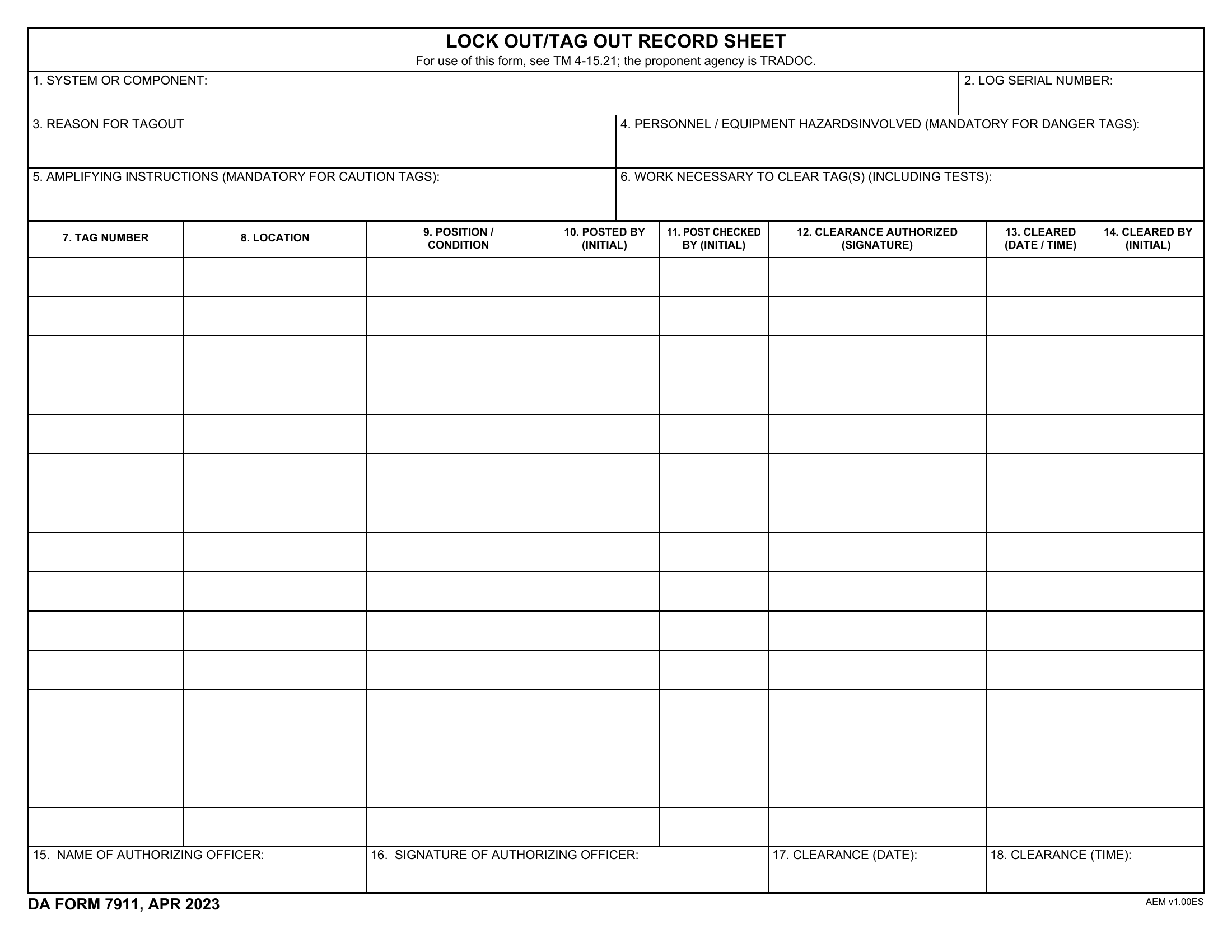
One Midwest factory reduced LOTO incidents by 74% in one year simply by introducing a checklist at each lockout point and requiring supervisors to sign off on verification.
Roles in LOTO: Authorized vs. Affected Employees
Understanding responsibilities is vital:
- Authorized Employees perform maintenance and apply locks. They are trained in energy control procedures and understand the hazards.
- Affected Employees operate or use the equipment but do not perform servicing. They must know when LOTO is in place and why they must never interfere.
Example: On a production line, the operator who runs the press is affected. The mechanic who services the hydraulic system is authorized. Both must be trained—but to different levels.
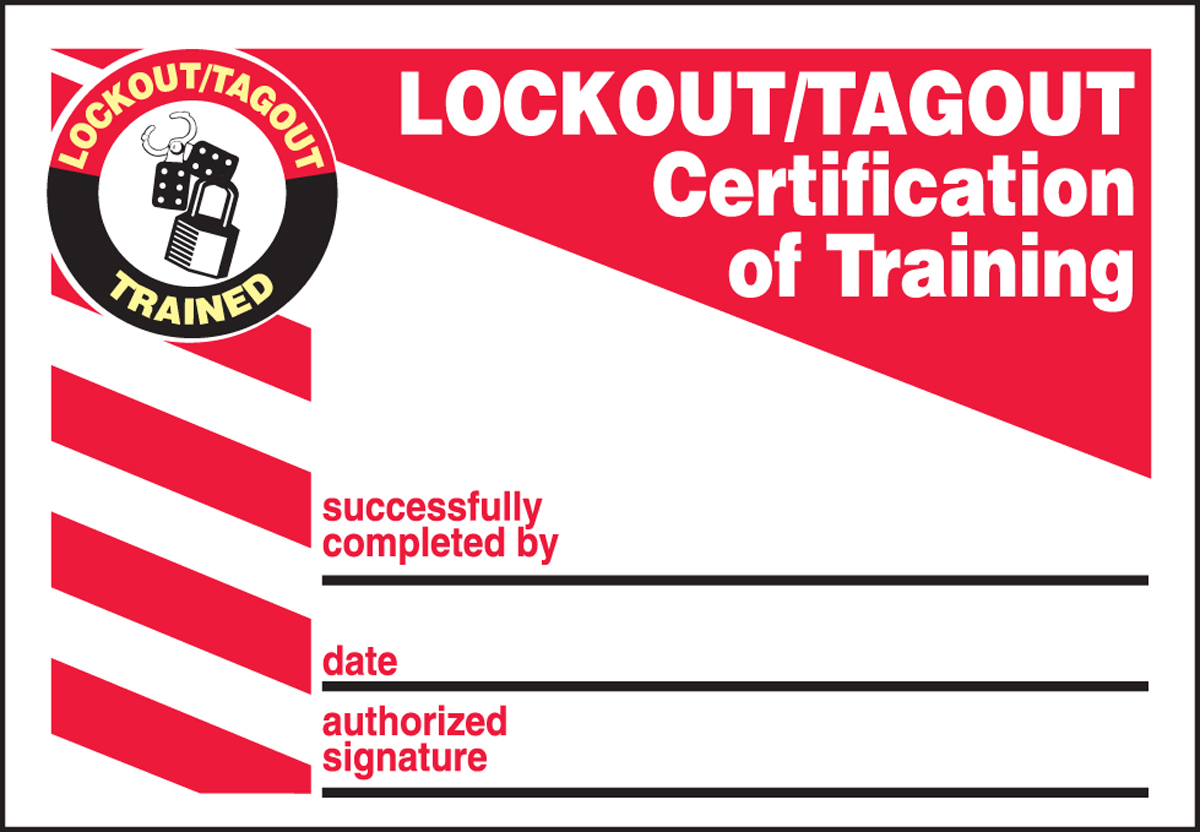
Training must be documented and refreshed annually. Hands-on drills improve retention more than classroom-only sessions.
Machine-Specific LOTO Procedures: Real-World Examples
Not all equipment is the same. Generic procedures fail when applied universally. Here are two real-world cases:
Case 1: CNC Machine in a Metal Shop Energy sources: Electrical (3-phase), hydraulic clamps, compressed air, rotating spindles.

LOTO steps: - Shut down via control panel - Disconnect main power at disconnect switch - Close hydraulic valve and bleed lines - Depressurize air lines - Lock out disconnect and tag with technician ID - Verify no movement when start button pressed - Begin tool replacement
Key detail: The spindle must be fully stopped and guarded before lockout—even if power is off.
Case 2: Conveyor System in a Food Processing Plant Energy sources: Electrical motors, gravity-fed rollers, tension springs.
LOTO steps: - Stop conveyor via emergency stop - Shut off motor disconnect - Lock out main control panel - Block rollers with physical barriers - Secure tension springs with clamps - Tag and verify - Proceed with belt alignment
Critical oversight avoided: In one plant, a worker failed to block gravity rollers. A jammed product shifted, causing the conveyor to roll and trap a hand.
LOTO Devices and Tools: What You Need Using the right equipment ensures reliability and compliance. Standard components include:
- Lockout Hasps – Allow multiple workers to apply individual locks to a single energy-isolating device.
- Valve Lockouts – Fit over ball valves, gate valves, or lever handles to prevent operation.
- Circuit Breaker Locks – Secure breakers in the off position.
- Padlocks – Personal, keyed-alike or keyed-different locks; must be durable and non-conductive.
- Tagout Tags – Weather-resistant, tamper-evident tags with space for name, date, and reason.
Best practice: Audit your LOTO toolkit quarterly. Replace worn or damaged devices immediately.
Beyond Compliance: Building a LOTO Safety Culture
Compliance is the baseline. Excellence comes from culture. Companies with strong LOTO performance do more than follow rules—they embed safety into behavior.
- Hold pre-job safety briefings before every maintenance task.
- Encourage peer accountability—workers should feel empowered to stop unsafe actions.
- Use near-miss reporting to identify procedural gaps before an incident occurs.
- Recognize and reward adherence, not just punish violations.
One auto parts manufacturer introduced a “Zero Harm Pledge” where each technician signs a board before starting LOTO. Injury rates dropped by 68% over two years.
Final Checklist: Ensuring Proper Lockout Tagout Execution Before any maintenance, run through this quick verification:
- [ ] Is there a written LOTO procedure for this machine?
- [ ] Have all energy sources been identified?
- [ ] Are all affected workers notified?
- [ ] Has the equipment been properly shut down?
- [ ] Are all disconnects isolated?
- [ ] Are personal locks and tags applied?
- [ ] Has stored energy been safely released?
- [ ] Has zero-energy state been verified?
- [ ] Are all tools removed and guards reinstalled before removal?
A single missed item invalidates the entire process.
Proper lockout tagout procedures aren’t just a regulatory requirement—they’re the difference between a safe workplace and a preventable tragedy. By standardizing steps, training rigorously, and fostering a culture of accountability, organizations protect their most valuable asset: people. Start today by auditing your current LOTO program, updating machine-specific procedures, and ensuring every authorized employee can perform a flawless lockout—every time.
FAQ
What is the first step in a lockout tagout procedure? Preparing for shutdown by identifying all energy sources and reviewing the machine’s specific LOTO plan.
Can multiple people use the same lock during LOTO? No—each authorized employee must use their own personal lock. Group lockout requires individual locks applied via a hasp or lockbox.
Is tagout as effective as lockout? Tagout is less secure than lockout. OSHA allows it only when lockout isn't feasible, and additional safety measures are required.
Who is responsible for applying LOTO devices? Authorized employees who perform servicing are responsible for applying their own locks and tags.
Do you need LOTO for minor maintenance? Yes, if the task involves removing or bypassing guards or placing any part of the body into a danger zone, LOTO is required.
What happens if a worker forgets to remove their lock? An emergency lock removal procedure must be followed, including notification of supervisors, confirmation the worker is safe, and documented removal.
Can LOTO be automated? Some systems use control circuit devices or energy-absorbing mechanisms, but physical lockout remains the gold standard for full isolation.
FAQ
What should you look for in Mastering Proper Lockout Tagout Procedures for Workplace Safety? Focus on relevance, practical value, and how well the solution matches real user intent.
Is Mastering Proper Lockout Tagout Procedures for Workplace Safety suitable for beginners? That depends on the workflow, but a clear step-by-step approach usually makes it easier to start.
How do you compare options around Mastering Proper Lockout Tagout Procedures for Workplace Safety? Compare features, trust signals, limitations, pricing, and ease of implementation.
What mistakes should you avoid? Avoid generic choices, weak validation, and decisions based only on marketing claims.
What is the next best step? Shortlist the most relevant options, validate them quickly, and refine from real-world results.