Equipment doesn’t warn you before it starts. A conveyor belt, hydraulic press, or electrical panel can activate unexpectedly—during servicing, during cleaning, during repairs—and the result is often catastrophic. That’s why knowing how to use lock out tag out (LOTO) isn’t just procedural—it’s a survival skill in industrial, manufacturing, and maintenance environments.
The core idea is simple: isolate energy sources and secure machines so they can’t be operated while work is underway. But execution? That’s where lives are saved or lost. Missteps in LOTO procedures account for nearly 10% of all serious accidents in manufacturing, according to OSHA. This guide walks through exactly how to use lock out tag out effectively, with real-world application, common pitfalls, and a clear path to compliance and safety.
Why Lock Out Tag Out Isn’t Optional
Imagine a technician clearing a jam in a packaging machine. They shut it down, reach in—and a coworker restarts it remotely, unaware. Without lock out tag out, this scenario ends in injury or death.
LOTO exists to break that chain of assumptions. It's a standardized system designed to control hazardous energy—electrical, mechanical, hydraulic, pneumatic, chemical, thermal—during service or maintenance. The procedure ensures that equipment stays off and can't be re-energized until the servicing worker removes their personal lock.
OSHA’s 29 CFR 1910.147 mandates LOTO for any situation where unexpected energization could harm employees. Non-compliance doesn’t just risk lives—it brings fines averaging $15,000 per violation. More importantly, properly implemented LOTO reduces injury rates by up to 70%, according to NIOSH studies.
Step-by-Step: How to Use Lock Out Tag Out
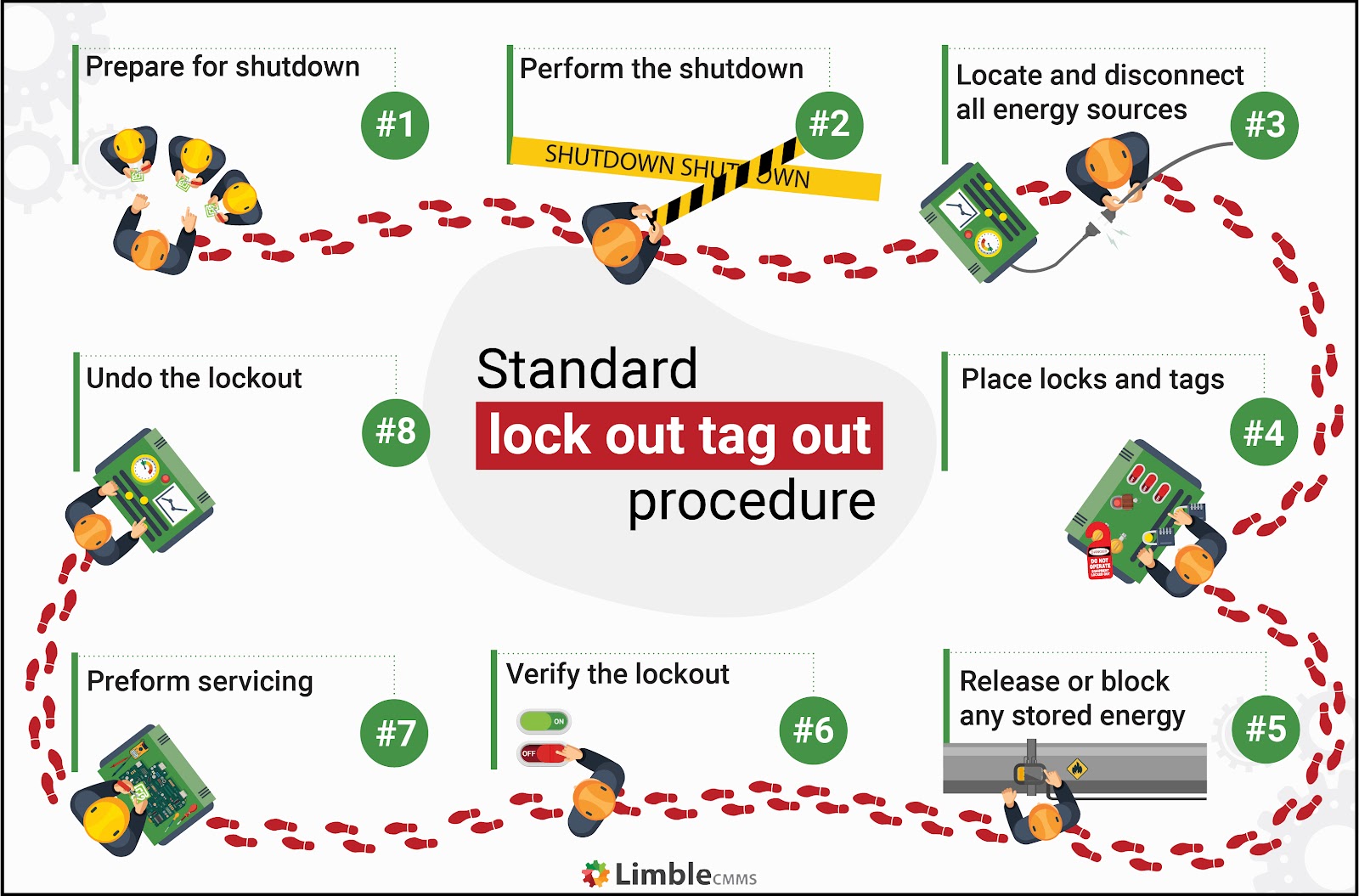
LOTO isn’t a single action—it’s a sequence. Deviate from the order, and the system fails. Follow it precisely, and you create a zone of control.
#### 1. Prepare for Shutdown Before touching any machine, identify all energy sources. A motor might draw power from electricity, but also store energy in springs, hydraulics, or elevated loads. Review the machine-specific LOTO procedure—never rely on memory.
Example: On a CNC lathe, energy sources include main electrical feed, coolant pump, and compressed air lines. Each must be addressed.
#### 2. Notify Affected Personnel Alert everyone who uses or operates the equipment. Communication prevents someone from unknowingly trying to restart machinery.
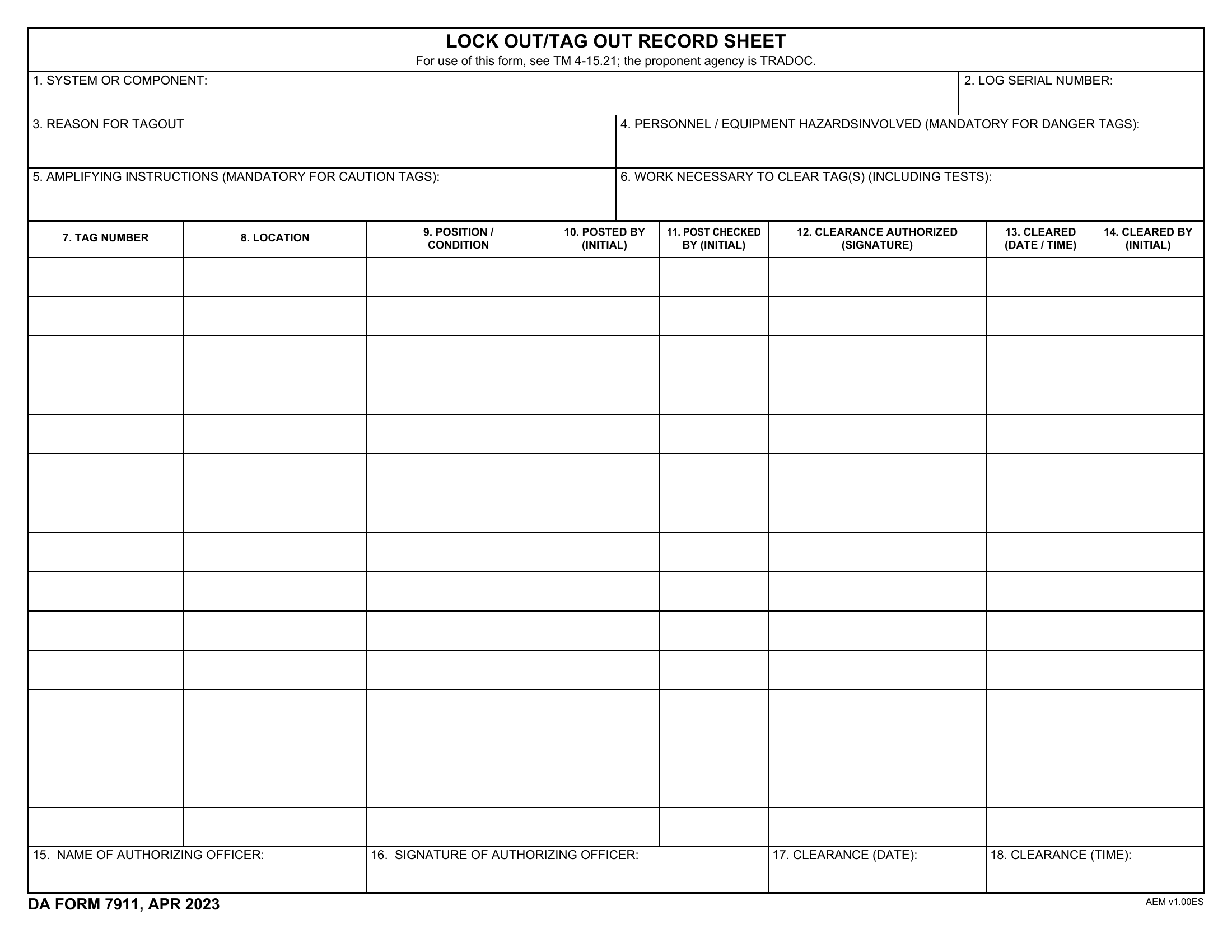
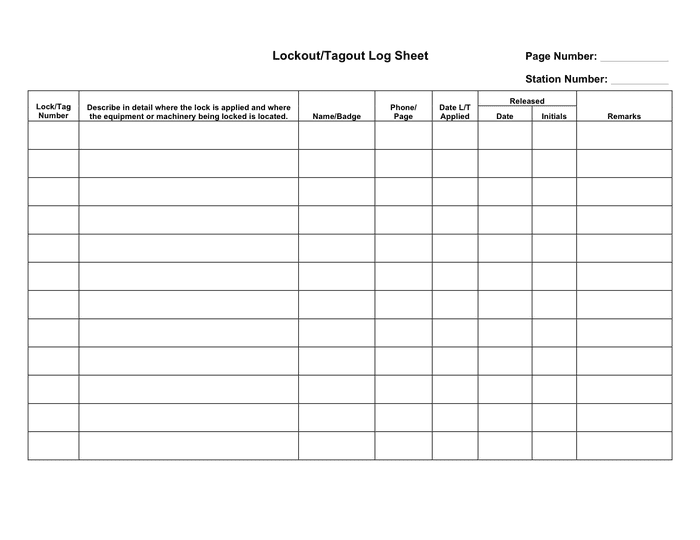
Tip: Use a log sheet or digital system to record who was notified and when. This builds an audit trail.
#### 3. Shut Down the Equipment Properly Use the machine’s normal stopping procedure. Don’t bypass controls or force shutdowns.
Common mistake: Turning off a switch but not disconnecting power at the source. True isolation happens at the disconnect, not the control panel.
#### 4. Isolate All Energy Sources This is the core of LOTO. Physically disconnect or block each energy input:
- Electrical: Open circuit breakers, pull fuses, install lockable disconnects
- Pneumatic: Close valves, bleed lines
- Hydraulic: Depressurize systems, block fluid flow
- Mechanical: Lock flywheels, secure suspended parts
Use only OSHA-compliant locks and tags. Locks should be individual, keyed differently, and non-releasable under tension.
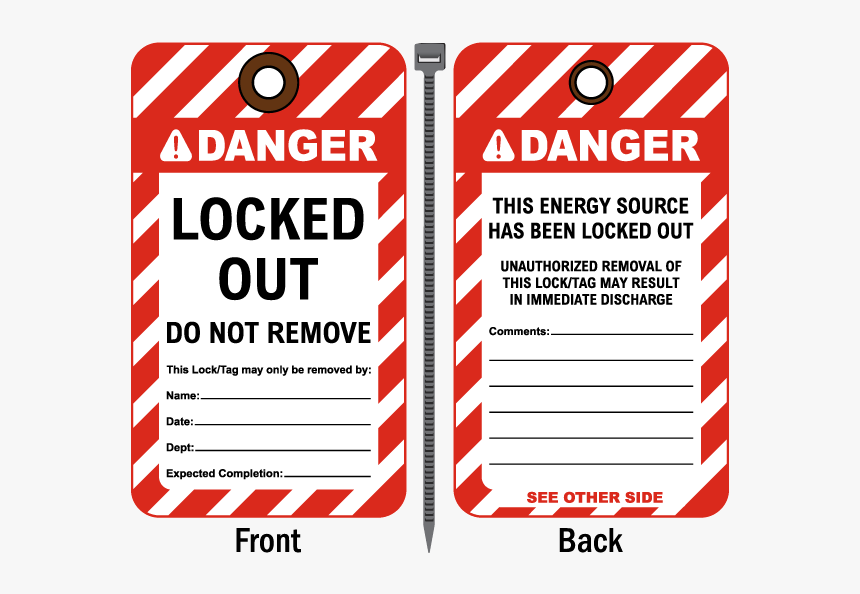
#### 5. Apply Locks and Tags Each worker places their own lock and tag on each energy isolation point. Tags must include:
- Name of the employee
- Date and time
- Reason for LOTO
- Contact information
Critical rule: No one else can remove your lock. Only the authorized employee who applied it may take it off—unless emergency protocols apply (with strict controls).
#### 6. Release Stored Energy Just disconnecting isn’t enough. Residual energy lurks in capacitors, springs, elevated platforms, and pressurized lines. Bleed, block, drain, or ground these sources.
Real-world hazard: A maintenance worker servicing a boiler opened a valve without relieving pressure. The release caused scalding steam burns. Proper energy dissipation prevents this.
#### 7. Verify Isolation This is the “test the zero” moment. Attempt to start the machine using normal controls—after confirming no one is in harm’s way. If it starts, the LOTO failed.
Pro tip: Always re-check isolation after any break or shift change. Never assume a machine is still locked.
Common LOTO Mistakes That Lead to Accidents
Even trained teams make errors. The most frequent? Complacency.
#### Using One Lock for Multiple Workers A supervisor locks out a machine for a team. But OSHA requires each worker to apply their own lock. Group lockout boxes solve this—each technician places their lock on the box, which holds the master key to the energy isolation point.
#### Skipping Tags Locks without tags lack context. What if the worker is out sick? The tag explains why the machine is down and who to contact.
#### Incomplete Energy Identification A technician locks the main power but forgets a backup battery for control systems. When the machine resets during service, it moves unexpectedly.
#### Temporary Overrides “Just for a second” testing under lockout kills. If testing is required, follow a documented re-energization protocol—unlock only under controlled conditions, with all workers clear.
#### Poor Lock Management Using personal padlocks without control, or sharing keys, undermines the entire system. LOTO locks should be distinct—usually red—and only used for safety.
When LOTO Applies—And When It Doesn’t
Not every task requires full lockout. OSHA allows exemptions under strict conditions:
- Minor tool changes or adjustments that are part of normal production, performed using production controls, and take minimal time.
- Routine, repetitive tasks on machinery with built-in safeguards, like robotic cells with light curtains or interlocked guards.
But if the work involves reaching into a danger zone, bypassing guards, or servicing components, LOTO is mandatory.
Use case: Cleaning a jam in a conveyor requires LOTO. Wiping down the exterior during operation does not—provided no hazardous motion is involved.
Always document exceptions and train employees on the difference between servicing and routine operation.
Tools and Equipment for Effective LOTO
You can’t execute a reliable procedure with unreliable tools. Invest in standardized, durable gear:

| Item | Purpose | Best Practice |
|---|---|---|
| Safety Padlocks | Individual locking of energy sources | Use keyed-alike or keyed-different sets based on team size |
| Danger Tags | Communicate lockout status | Tamper-resistant, weatherproof, bilingual options |
| Lockout Hasps | Allow multiple locks on one point | Use for shared disconnects or group lockout |
| Valve Lockouts | Secure pneumatic/hydraulic lines | Match size to valve type |
| Circuit Breaker Locks | Prevent electrical re-energization | Test fit before deployment |
| Group Lockout Stations | Centralize control during team work | Store in accessible, visible locations |
Portable LOTO kits—pre-packed with common locks, tags, and hasps—are ideal for mobile teams. Wall-mounted stations near machinery reinforce visibility and compliance.
Real-World LOTO Scenarios
#### Scenario 1: Conveyor System Jam A worker spots a jammed box on a live roller conveyor. - Shuts down via emergency stop - Locates main disconnect and secondary roller drive - Applies personal lock and tag to both - Verifies isolation by attempting restart - Clears jam, removes lock only after full clearance
Missed step risk: Forgetting the secondary drive could allow partial movement.
#### Scenario 2: Electric Motor Replacement An electrician replaces a motor on a pump system. - Shuts down control panel - Locks out main breaker and local disconnect - Tags out both with name, time, purpose - Tests for zero energy using a voltage tester - Drains hydraulic line and blocks rotating shaft - Completes work, verifies area clear, removes lock
Critical check: Voltage testing must follow the "live-dead-live" method to confirm tester function.
Building a Sustainable LOTO Program
LOTO isn’t a one-time training event. It’s a living system.
- Annual audits: Observe employees performing LOTO and check compliance
- Refresher training: Every 12 months, or after incidents or procedure changes
- Machine-specific procedures: Documented, accessible, and updated
- Employee involvement: Workers should help write and review procedures—they know the equipment best
Companies with mature LOTO programs report fewer near misses, faster maintenance, and stronger safety cultures. It’s not bureaucracy—it’s operational excellence.
Closing: Make LOTO a Reflex, Not a Reminder
Knowing how to use lock out tag out isn’t just about following steps. It’s about creating a culture where no one hesitates to lock a machine, where tags are never ignored, and where every worker feels responsible for every other’s safety.
Start tomorrow: audit one high-risk machine. Verify its LOTO procedure. Test it. Train one team member. Small actions compound into unbreakable habits.
Because when the power suddenly returns, it shouldn’t be the last thing someone feels.
Frequently Asked Questions
What is the difference between lockout and tagout? Lockout physically prevents energy restoration using a lock. Tagout uses a warning tag alone. OSHA allows tagout only if it provides equivalent protection—typically requiring additional controls.
Can someone else remove my lock? Only under emergency conditions, following a documented procedure. Otherwise, the authorized employee must remove their own lock.
Do all employees need LOTO training? Yes—authorized employees (who perform maintenance) and affected employees (who operate equipment) both require training, though depth differs.
What qualifies as an energy-isolating device? Devices like circuit breakers, disconnect switches, manual valves, or blocks that physically cut off energy flow. Control circuit devices (like push buttons) don’t count.
How often should LOTO procedures be reviewed? At least annually, or whenever equipment, processes, or personnel change.
Is LOTO required for corded plug equipment? Yes—if the plug is under the exclusive control of the employee and unattended, or if stored energy exists. Simply unplugging isn’t always enough.
Can electronic locks be used for LOTO? Only if they meet OSHA’s criteria for equivalent safety—mechanical locks are still the standard.
FAQ
What should you look for in How to Use Lock Out Tag Out for Workplace Safety? Focus on relevance, practical value, and how well the solution matches real user intent.
Is How to Use Lock Out Tag Out for Workplace Safety suitable for beginners? That depends on the workflow, but a clear step-by-step approach usually makes it easier to start.
How do you compare options around How to Use Lock Out Tag Out for Workplace Safety? Compare features, trust signals, limitations, pricing, and ease of implementation.
What mistakes should you avoid? Avoid generic choices, weak validation, and decisions based only on marketing claims.
What is the next best step? Shortlist the most relevant options, validate them quickly, and refine from real-world results.