Workers get injured every year during equipment maintenance—not because they’re careless, but because procedures aren’t clear, consistent, or accessible. Lockout tagout (LOTO) is a critical safety practice, yet too many facilities rely on outdated, incomplete, or inconsistent training. That’s where printable lockout tagout training comes in: a practical, cost-effective way to standardize safety education across teams, shifts, and locations.
Printable LOTO training resources bridge the gap between regulatory requirements and real-world application. They turn abstract policies into tangible, actionable tools—checklists, forms, diagrams, and worksheets—that workers can use on the shop floor. For safety managers, supervisors, and trainers, these documents are not just educational aids—they’re compliance insurance.
This guide breaks down how to build, deploy, and maintain a printable LOTO training program that actually works—complete with templates, best practices, and real-world pitfalls to avoid.
Why Printable Lockout Tagout Training Still Matters
Despite the rise of digital learning platforms, printable training materials remain essential in industrial environments. Not every maintenance technician has a tablet on the shop floor. Not every machine has a QR code linking to video instructions. In high-noise, high-risk areas, paper-based tools are often the most reliable.
Printable LOTO training delivers immediate value:
- Accessibility: Available in break rooms, near machinery, or in toolboxes—no login or device needed.
- Durability: Laminated sheets withstand grease, moisture, and constant handling.
- Standardization: Ensures every employee follows the same steps, regardless of shift or supervisor.
- Compliance: Supports OSHA 1910.147 requirements for documented procedures and employee training.
More importantly, print materials force clarity. You can’t hide behind vague language when a worker has to follow step-by-step instructions to de-energize a 500-ton press. If the form is unclear, the risk increases.
“We switched to laminated LOTO procedure cards at each machine station. Within three months, near-miss reports dropped by 40%. Workers said they finally knew exactly what to do.” — Plant Safety Manager, Midwest manufacturing facility
Core Components of Effective Printable LOTO Training
A one-page checklist isn’t enough. Real LOTO training requires layered documentation that addresses different roles and scenarios. Your printable package should include:
#### 1. Energy Control Procedure (ECP) Forms Machine-specific templates that list every energy source (electrical, hydraulic, pneumatic, chemical, gravity) and the exact steps to isolate each one. These are not generic—they must be customized per equipment.
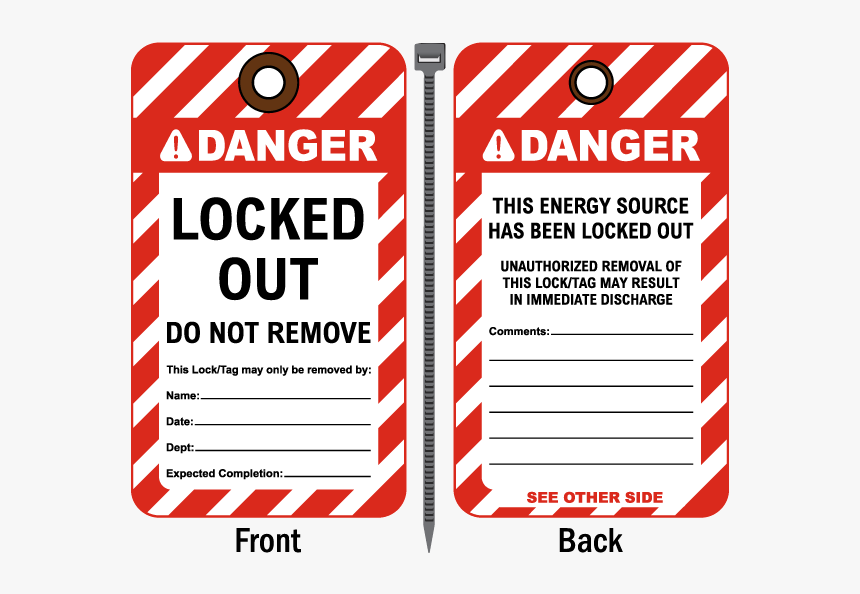
Example: For a conveyor system, the ECP should specify: - Lockout point: Main disconnect switch (electrical) - Secondary energy: Accumulated tension in drive belts (requires release before lock) - Tagout placement: Bright red tag with employee name, date, and reason
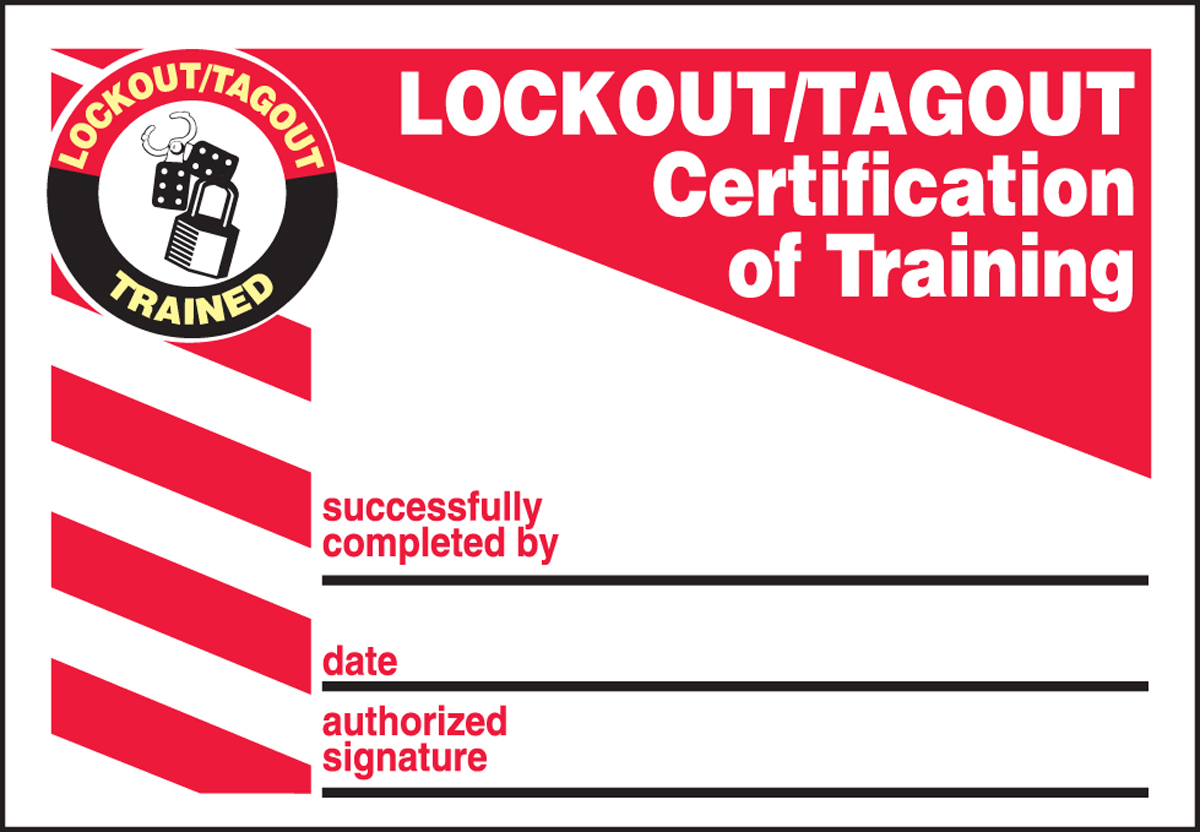
#### 2. Training Certificates & Sign-Off Sheets Proof of training is required under OSHA. Printable certificates with employee name, date, trainer signature, and equipment covered serve as legal documentation.
#### 3. LOTO Flowcharts & Decision Trees Visual guides help new employees understand when LOTO applies. For example: - Is maintenance required? → Yes - Does servicing involve removing guards or placing hands in danger zones? → Yes - Then: Full LOTO required
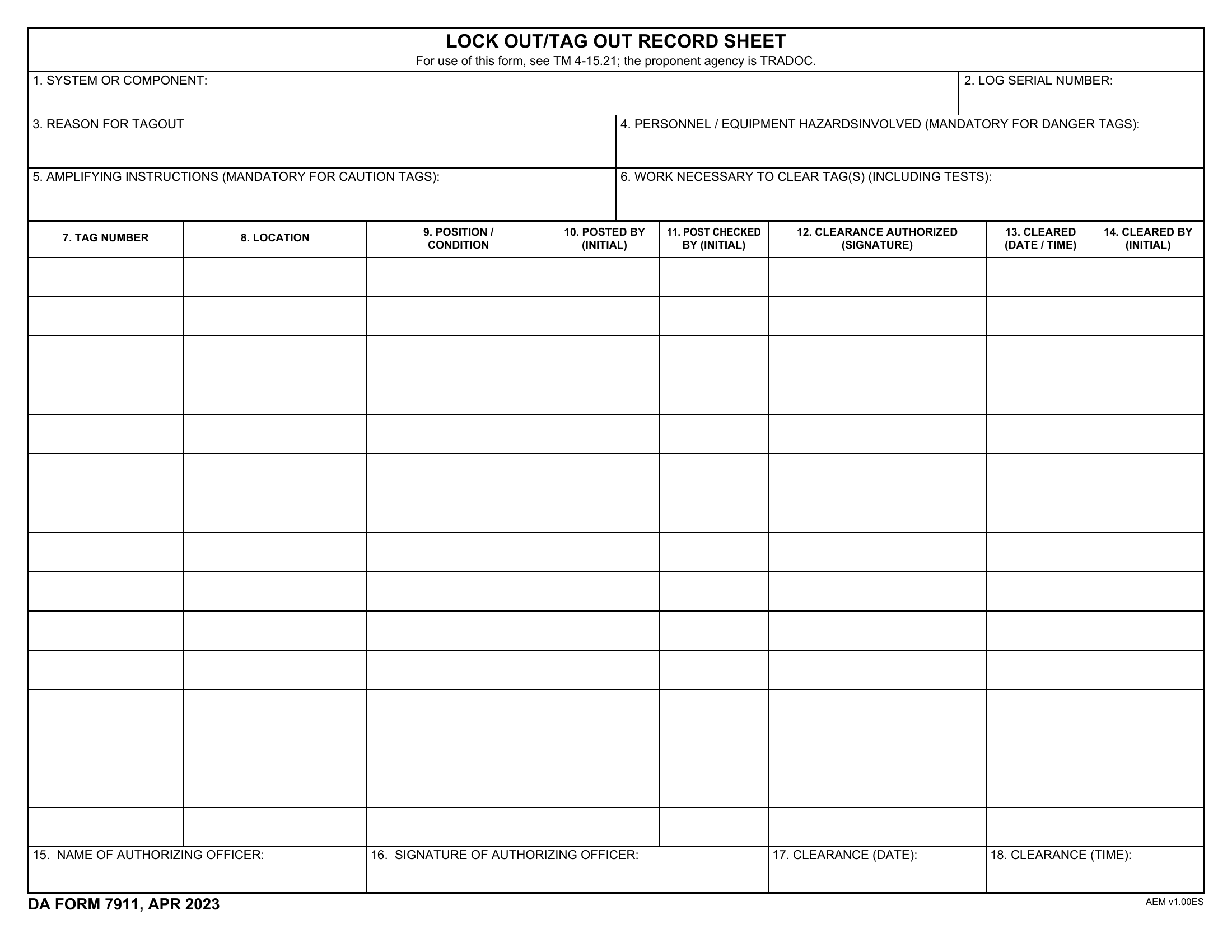
#### 4. Periodic Inspection Checklists OSHA mandates annual audits of LOTO procedures. A printable audit form ensures consistency across inspections, with fields for: - Verification of lock application - Employee demonstration of knowledge - Supervisor confirmation
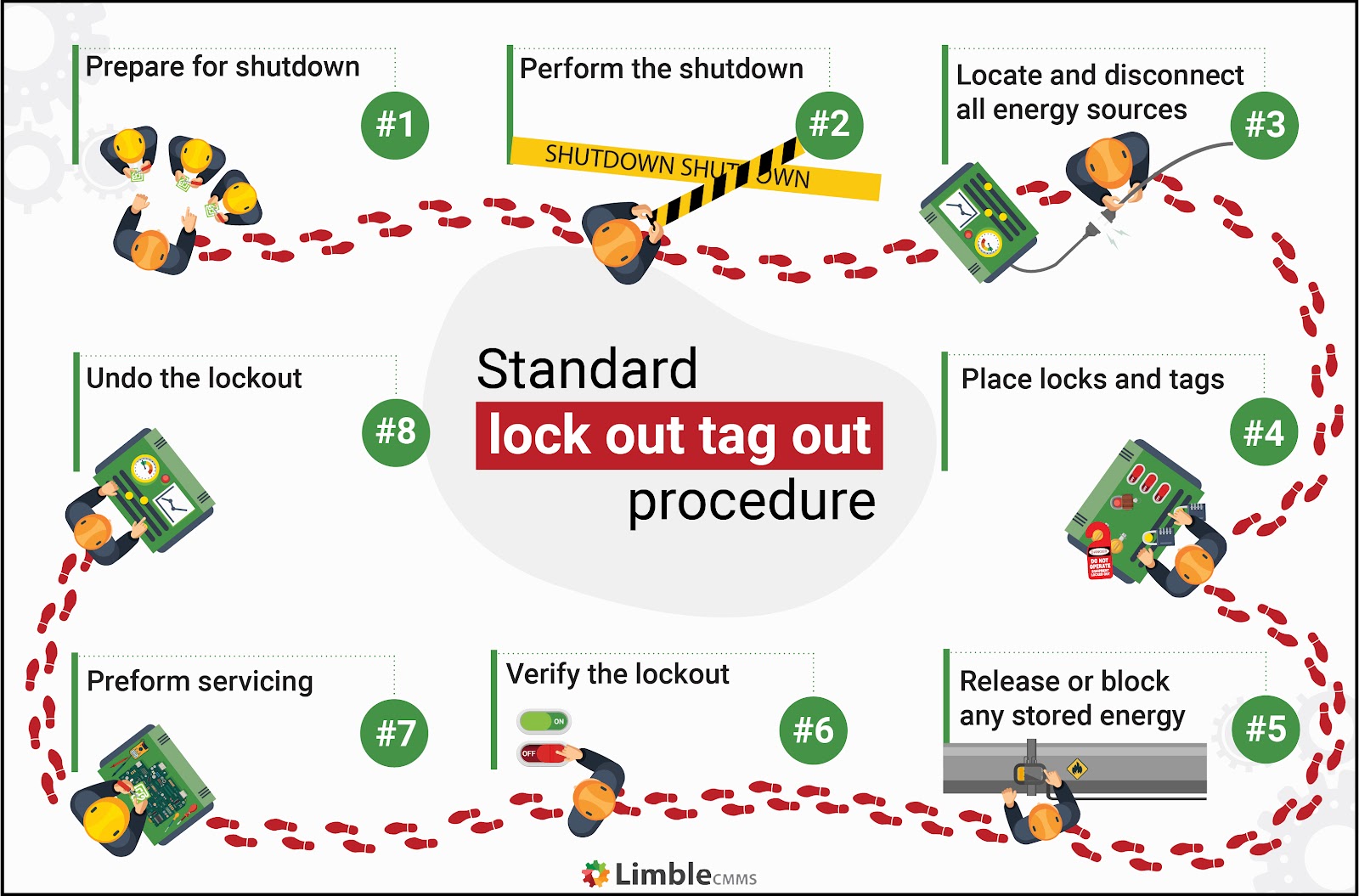
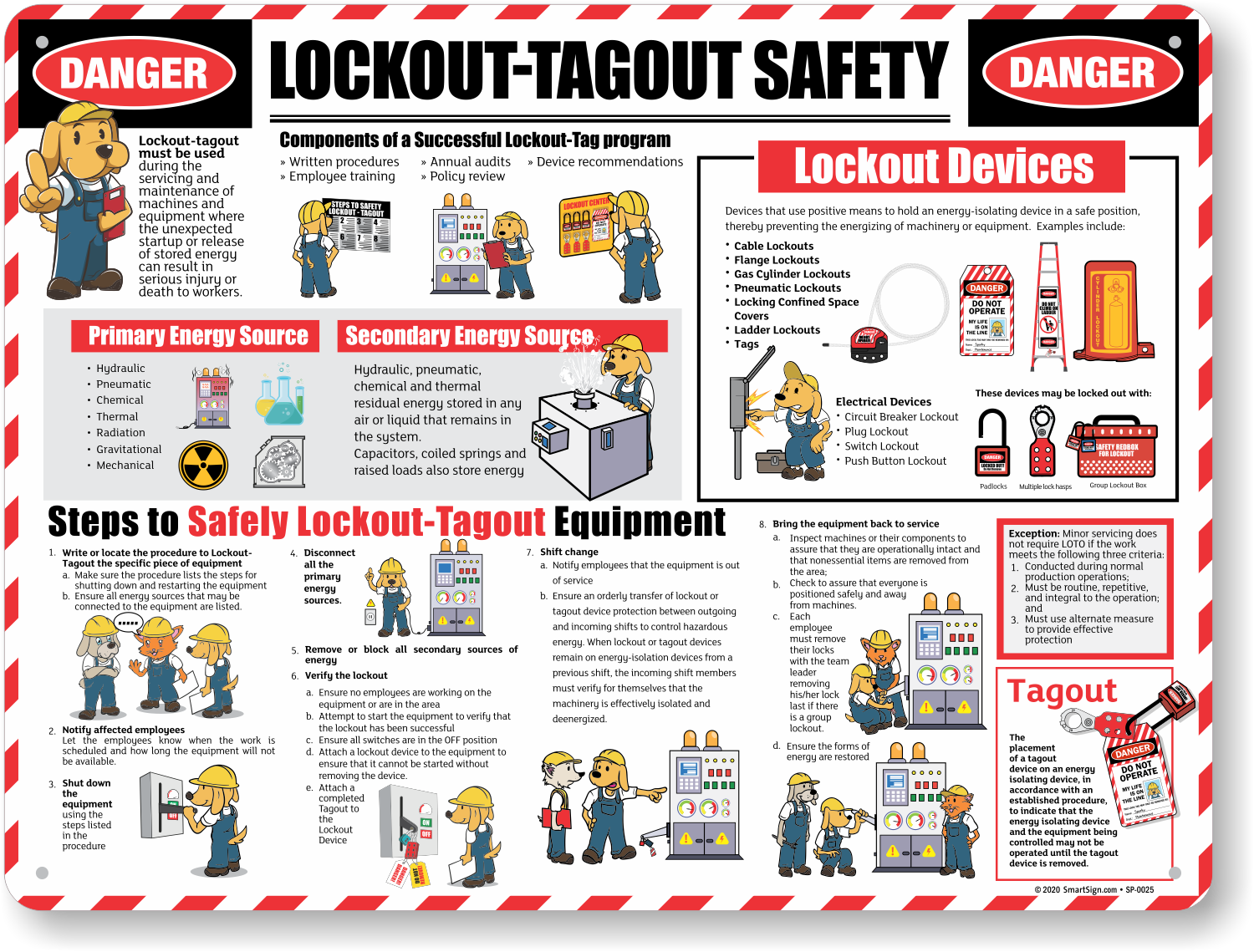
- #### 5. Employee Quick Reference Guides Pocket-sized summaries listing the 6 basic steps of LOTO:
- Prepare for shutdown
- Shut down the machine
- Isolate energy sources
- Apply locks and tags
- Release stored energy
- Verify isolation
These are especially useful during onboarding or refresher training.
Common Mistakes That Undermine Printable LOTO Training
Even well-designed print materials fail when implemented poorly. Watch for these recurring issues:
- Using Generic Templates: A LOTO form downloaded from a free website may not account for unique equipment hazards. Always customize.
- Failure to Update: Machines get upgraded. Procedures change. Printouts expire. Review and reprint annually—or after any equipment modification.
- Poor Placement: Keeping LOTO forms in the office instead of at the machine renders them useless during emergencies.
- Overcomplication: If the form is three pages long with tiny text, workers won’t use it. Prioritize clarity and brevity.
- No Training on the Forms: Handing someone a checklist doesn’t mean they know how to use it. Pair print materials with hands-on drills.
One refinery learned this the hard way when an employee followed a printed procedure—but missed a hydraulic bleed valve because it wasn’t listed. The result: an unexpected release of pressure during maintenance. The fix? Redesign the ECP with input from frontline technicians.
How to Create Custom Printable LOTO Training Materials
You don’t need a design degree—just a clear process.
#### Step 1: Conduct a Machine-by-Machine Audit Walk through your facility. Document every piece of equipment that requires servicing. For each: - Identify all energy sources - Locate isolation points (disconnects, valves, etc.) - Note stored energy risks
Use photos to annotate your printable guides.
#### Step 2: Draft Machine-Specific ECPs Use a consistent format: - Machine name and ID - Energy sources (with icons: ⚡ = electrical, 💧 = hydraulic) - Step-by-step isolation sequence - Required PPE - Authorized personnel only notice
#### Step 3: Design for Use, Not Filing - Use large fonts (12pt minimum) - Include visuals: photos, icons, or simple line drawings - Print on durable stock or laminate - Add tear-resistant holes for clipboards
#### Step 4: Print and Deploy Strategically Place one copy: - At the machine station - In the maintenance supervisor’s binder - In the safety office
Update revision numbers and dates clearly.
#### Step 5: Train and Verify Use the print materials during live training sessions. Have employees walk through the procedure with locks in hand. Confirm understanding before signing off.
Top 5 Sources for Printable LOTO Training Templates
While custom templates are best, high-quality starting points can save time. Here are five reliable sources:
| Tool | Key Features | Best For |
|---|---|---|
| OSHA’s LOTO eTool | Free, OSHA-compliant examples, machine-specific guides | Government-backed reference |
| SafetyInfo.com | Downloadable PDFs: ECPs, checklists, training logs | Quick setup for small shops |
| Creative Safety Supply | Professional templates, visual layouts, customizable PDFs | Facilities wanting polished docs |
| EHS Daily Advisor (Safety+Health) | Industry-specific LOTO forms, audit tools | Compliance-focused teams |
| LockoutTagout.com | Free kits including tags, logs, and training sign-offs | Full starter packages |
Note: Always adapt templates to your equipment. Never use a sample ECP without validation.
Integrating Print
with Digital: A Hybrid Approach
Printable doesn’t mean obsolete. The most effective LOTO programs combine physical documents with digital management.
- Digital Storage: Keep master copies of all printable forms in a cloud folder (Google Drive, SharePoint) for version control.
- Barcode Links: Add QR codes to printed ECPs that link to video demos or digital logs.
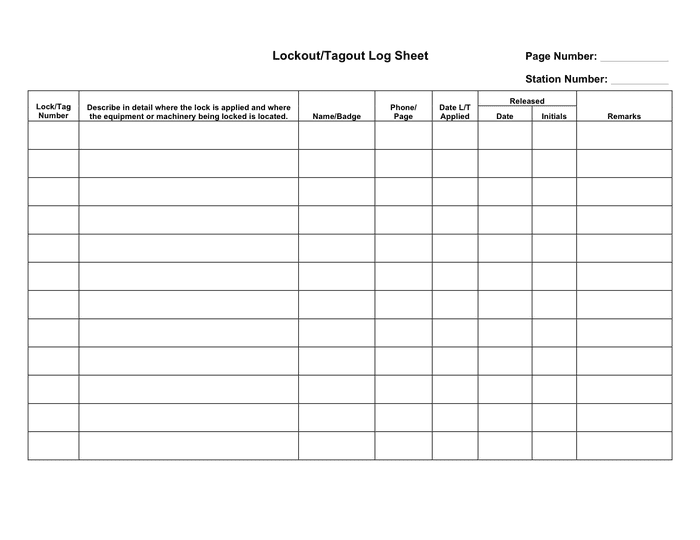
- Training Tracking: Use a simple spreadsheet or LMS to record who completed training—then print certificates from the system.
- Mobile Access: Equip supervisors with tablets to pull up ECPs during audits, even if frontline workers use print.
This hybrid model ensures accountability without sacrificing accessibility.
Real-World Use Case: Solving Inconsistent LOTO in a Food Processing Plant
A Midwest plant faced recurring LOTO violations. Maintenance crews used different methods on identical packaging lines. Management introduced standardized printable ECPs—developed with input from lead technicians.
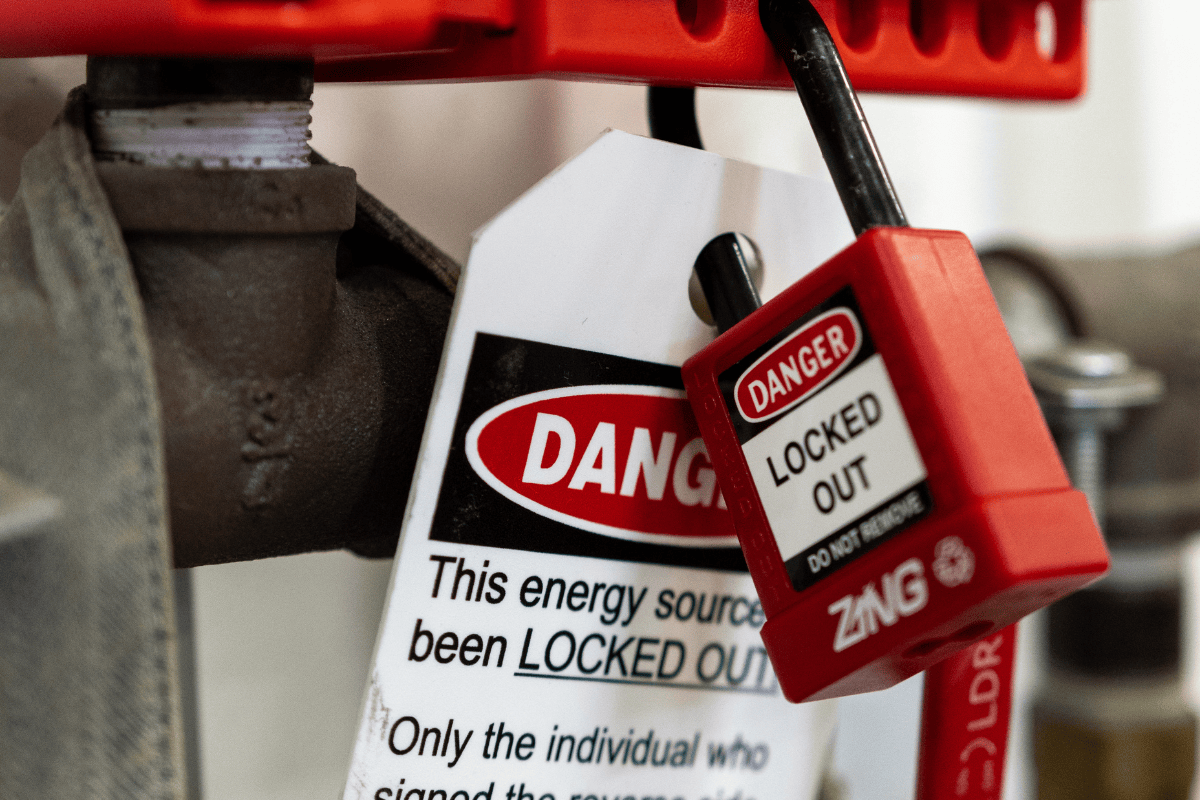
Each station received: - A laminated ECP with machine photo and step-by-step visuals - A magnetic lockout board with color-coded hasps and employee locks - A monthly inspection checklist
Within six months: - LOTO compliance rose from 62% to 94% - Zero unauthorized re-energizations reported - Training time for new hires dropped by 50%
The key? The print materials were created with workers, not just for them.
Final Checklist: Launching Your Printable LOTO Training Program
Before rolling out your materials, verify:
✅ All ECPs are machine-specific and reviewed by maintenance leads ✅ Forms are printed in large, legible format and placed at point of use ✅ Training includes hands-on practice with locks and tags ✅ Sign-off sheets are archived for at least three years (OSHA requirement) ✅ Annual audits are scheduled using printable inspection checklists
Printable lockout tagout training isn't a shortcut—it's a strategy. When built with precision and deployed with consistency, it turns regulatory compliance into daily habit. Start with one machine. Get the form right. Train the team. Then scale. The goal isn't just to check a box. It's to prevent the next incident before it happens.
Use what works. Keep it visible. Make it real.
FAQ
What should you look for in Printable Lockout Tagout Training for Real-World Compliance? Focus on relevance, practical value, and how well the solution matches real user intent.
Is Printable Lockout Tagout Training for Real-World Compliance suitable for beginners? That depends on the workflow, but a clear step-by-step approach usually makes it easier to start.
How do you compare options around Printable Lockout Tagout Training for Real-World Compliance? Compare features, trust signals, limitations, pricing, and ease of implementation.
What mistakes should you avoid? Avoid generic choices, weak validation, and decisions based only on marketing claims.
What is the next best step? Shortlist the most relevant options, validate them quickly, and refine from real-world results.