Electrical hazards don’t always announce themselves. A machine that appears off can still hold lethal voltage, ready to surge the moment someone touches an internal component. Every year, hundreds of workers suffer severe injuries—or worse—because someone bypassed a safety step. Lockout tagout (LOTO) isn’t just a procedural formality; it’s the last line of defense between a technician and a life-altering accident.
For industries relying on electrical systems—manufacturing, utilities, construction, and maintenance—LOTO is non-negotiable. Yet, missteps persist: missing tags, shared locks, incomplete energy isolation. This guide breaks down how to implement lockout tagout electrical safety properly, avoid common failures, and create a culture where safety isn’t sidelined for speed.
What Is Lockout Tagout Electrical Safety?
Lockout tagout (LOTO) is a safety procedure that ensures machines and electrical systems are completely de-energized before maintenance or servicing. The goal: prevent accidental startup or release of stored energy that could harm workers.
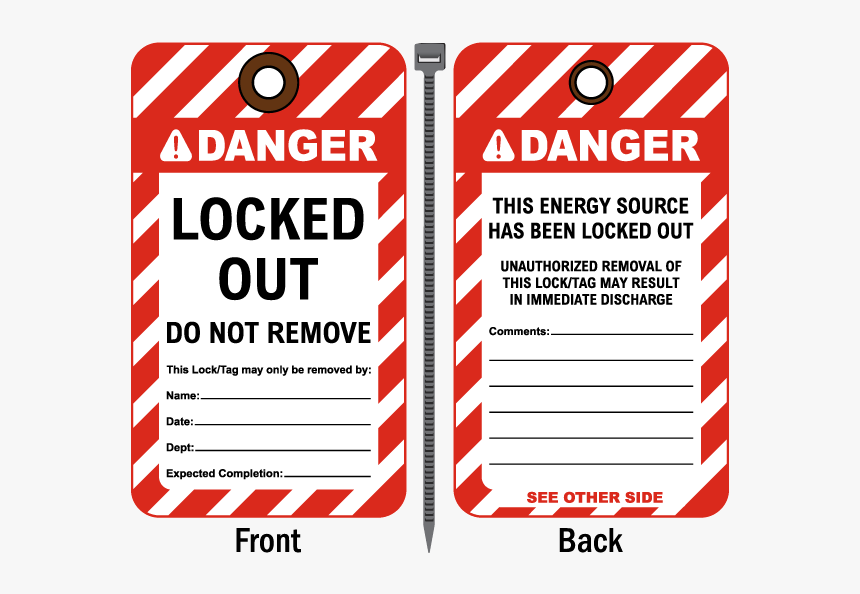
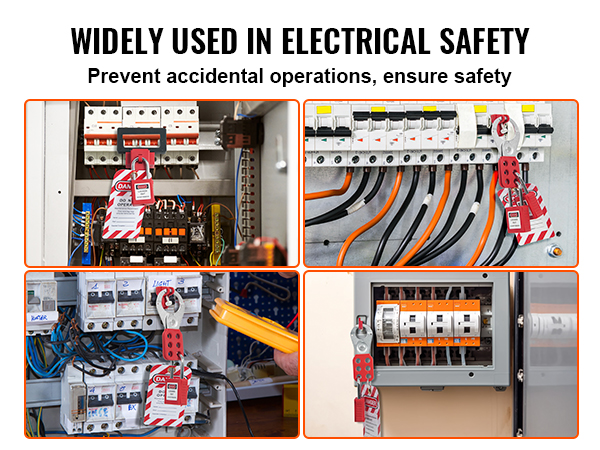
Electrical lockout involves physically isolating energy sources—disconnecting circuits, switching off breakers, removing fuses—and securing them with a lock. Tagout complements this with a warning tag that explains why the system is locked, who locked it, and when. Together, they form a standardized system to control hazardous energy.
The U.S. Occupational Safety and Health Administration (OSHA) standard 29 CFR 1910.147 outlines strict requirements for LOTO programs, especially in electrical contexts. Compliance isn’t optional—it’s enforced through audits, citations, and penalties for non-compliance.
Real-World Example: A maintenance technician prepares to replace a motor on a conveyor line. They follow protocol: shut off the main disconnect, apply their personal lock, and tag the system. A coworker later tries to restart the line but sees the lock and tag, halting the action. That simple intervention prevents electrocution.
Why Electrical Systems Demand Strict LOTO Procedures
Electrical systems carry unique risks that make LOTO especially critical:
- Stored energy in capacitors can discharge even after power-down.
- Backfeed from secondary sources (like generators or parallel circuits) can re-energize a supposedly dead system.
- Capacitive coupling in high-voltage lines can induce dangerous voltages without direct contact.
- Control circuits may remain active even when main power is off.
Unlike mechanical systems, electricity is invisible. You can’t see if a panel is live. You can’t hear if a capacitor is charged. That’s why visual and physical safeguards—locks and tags—are essential.
A 2022 Bureau of Labor Statistics report identified over 2,000 electrical injury cases in the U.S. alone. Nearly 30% involved equipment that wasn’t properly de-energized. In many cases, workers assumed a system was safe because it wasn’t running—ignoring that “off” doesn’t mean “safe.”
Common Mistake: Using a lockout hasp with multiple locks but failing to verify zero energy state with a voltage tester. The lock may be in place, but without testing, you’re gambling.
The 6-Step LOTO Process for Electrical Systems
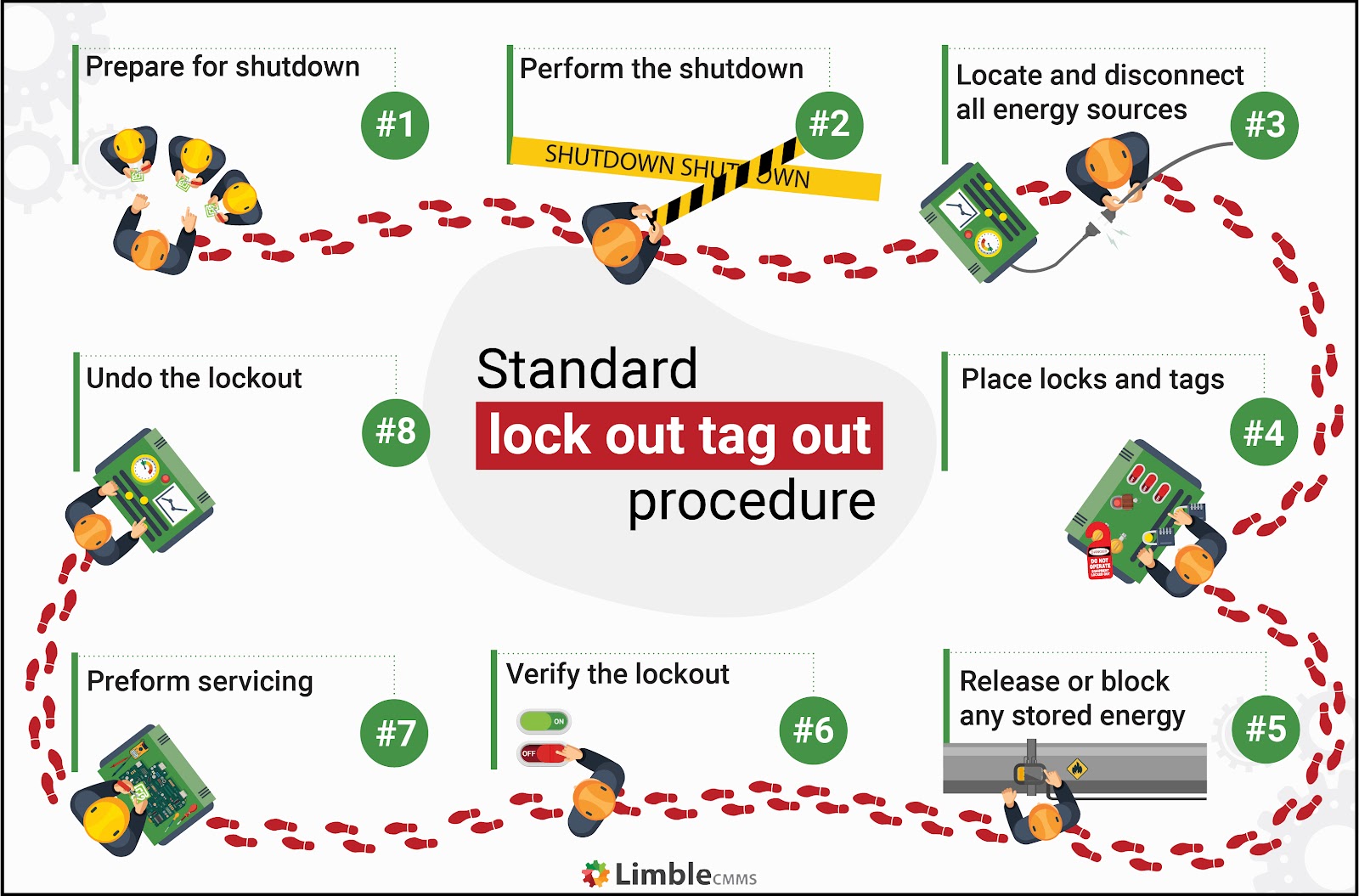
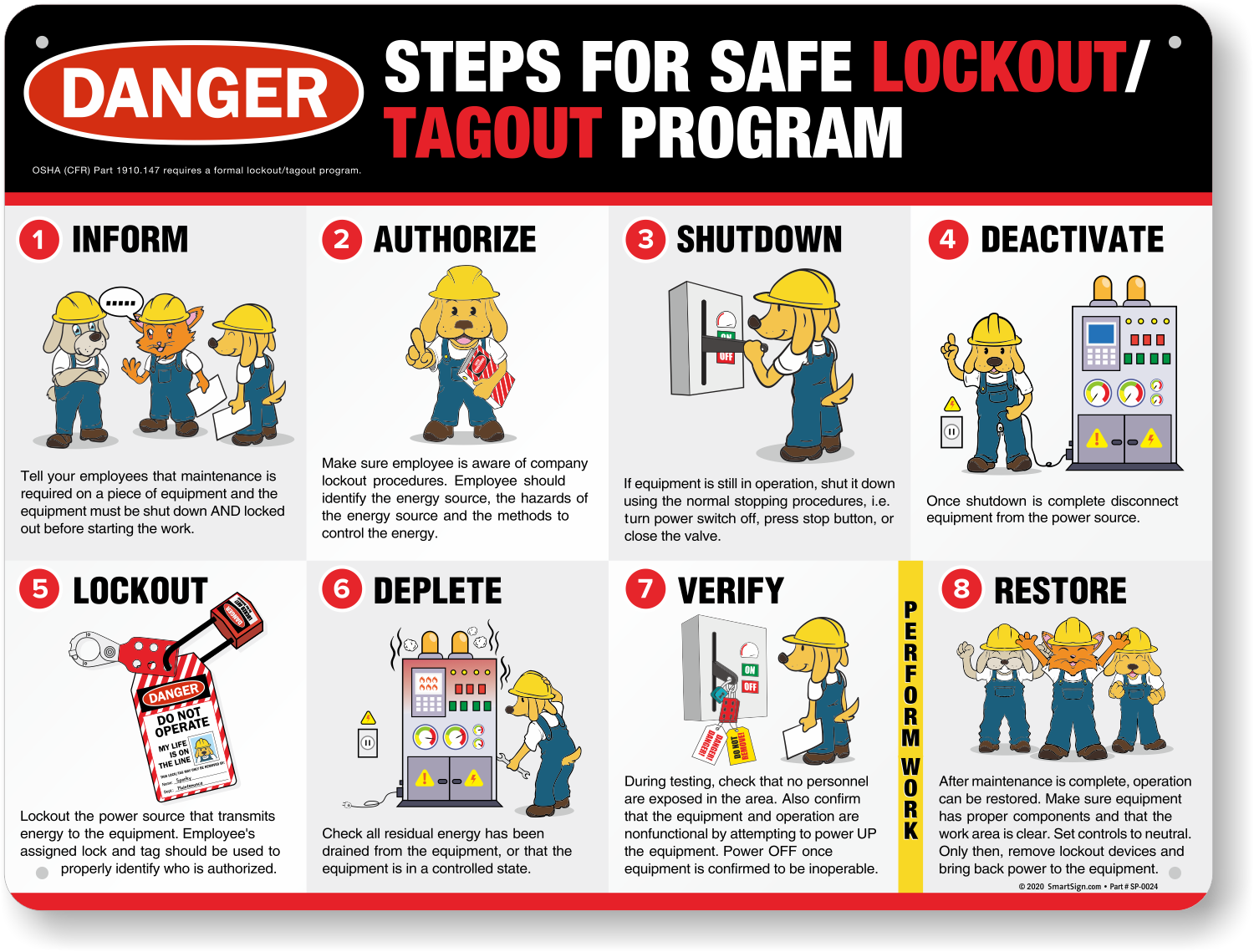
Effective electrical lockout follows a strict sequence. Skipping steps—even one—increases risk exponentially.
#### 1. Preparation Identify all energy sources: main power, secondary feeds, capacitors, UPS systems. Review electrical schematics and one-line diagrams. Notify affected employees that maintenance is about to begin.
#### 2. Shutdown Shut down the equipment using normal controls. Never assume power is off—this is only the first step.
#### 3. Isolation Physically disconnect power at the source: open circuit breakers, pull disconnect switches, remove fuses. For high-voltage systems, use draw-out breakers or racking systems.
#### 4. Lockout and Tagout Apply your personal lock and tag to each energy-isolating device. Use lockout hasps for multiple workers, but each person uses their own lock. Tags must include: - Name of authorized employee - Date and time of lockout - Reason for isolation
#### 5. Control Stored Energy Discharge capacitors, bleed pneumatic lines, block moving parts. Verify de-energization using a properly rated voltage tester on all phases and to ground—test the tester before and after.
#### 6. Verification Attempt to restart the equipment using normal controls (with safeguards in place). If it starts, something’s wrong. Repeat the process. If it doesn’t, the system is safely isolated.
Pro Tip: Always perform verification with the machine guard partially installed. This allows you to observe mechanical movement without full exposure to moving parts.
Common LOTO Failures in Electrical Work
Even trained personnel make critical errors. The most frequent:
- Using group locks instead of individual locks – violates the “one person, one lock” rule.
- Tagging without locking – tags alone don’t prevent energizing; anyone can ignore them.
- Failing to test for zero energy – assuming visual lockout equals safety.
- Using master or override keys – bypassing personal locks undermines accountability.
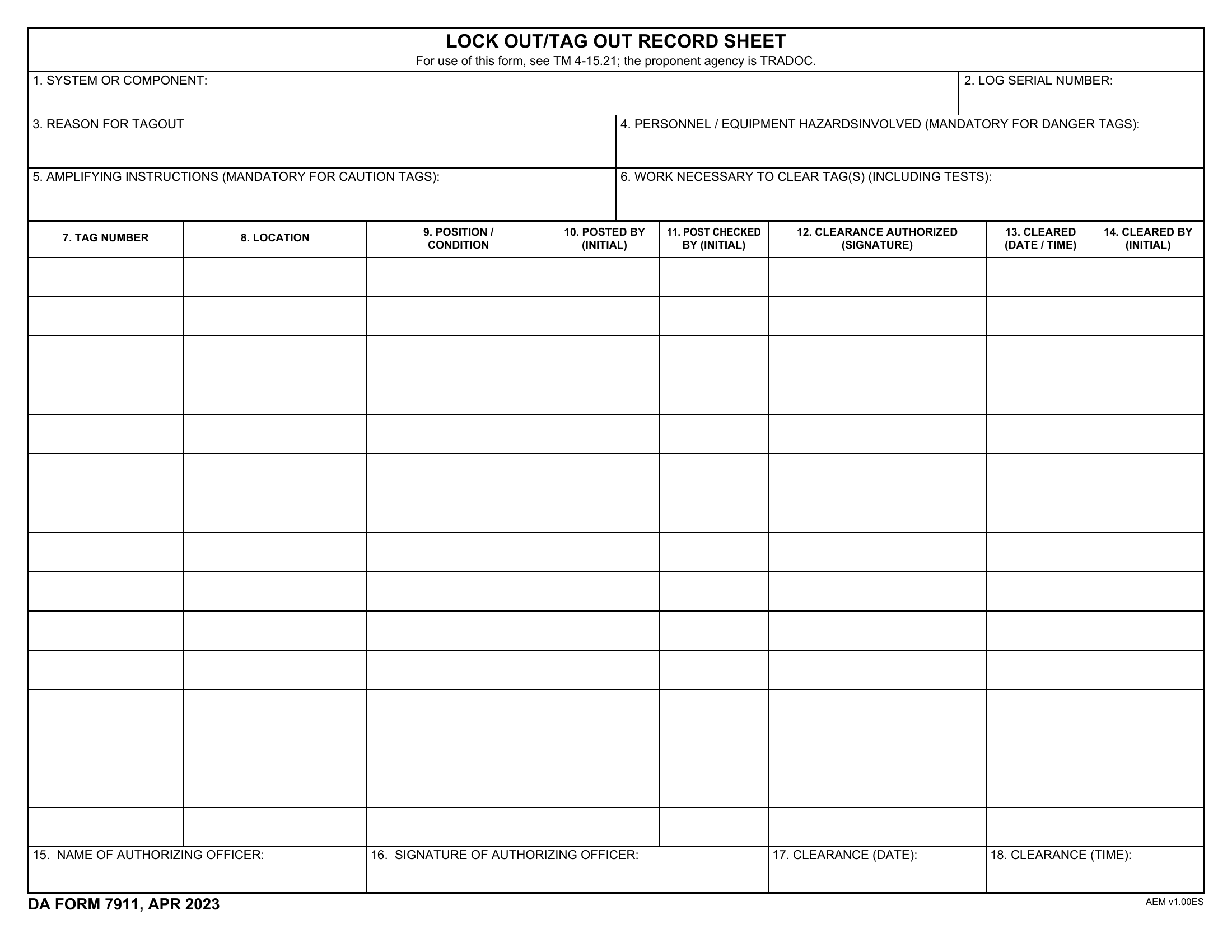
- Incomplete documentation – missing tags, vague reasons, or unsigned forms.
Case Study: At a Midwest food processing plant, an electrician was troubleshooting a control panel. A supervisor used a master key to remove the lock during shift change, assuming the work was done. When power was restored, the electrician suffered severe burns. OSHA fined the company $132,000 for multiple LOTO violations.
The lesson? Accountability can’t be outsourced. If a lock is on, only the person who put it on can remove it—no exceptions.
Equipment Essentials for Electrical LOTO
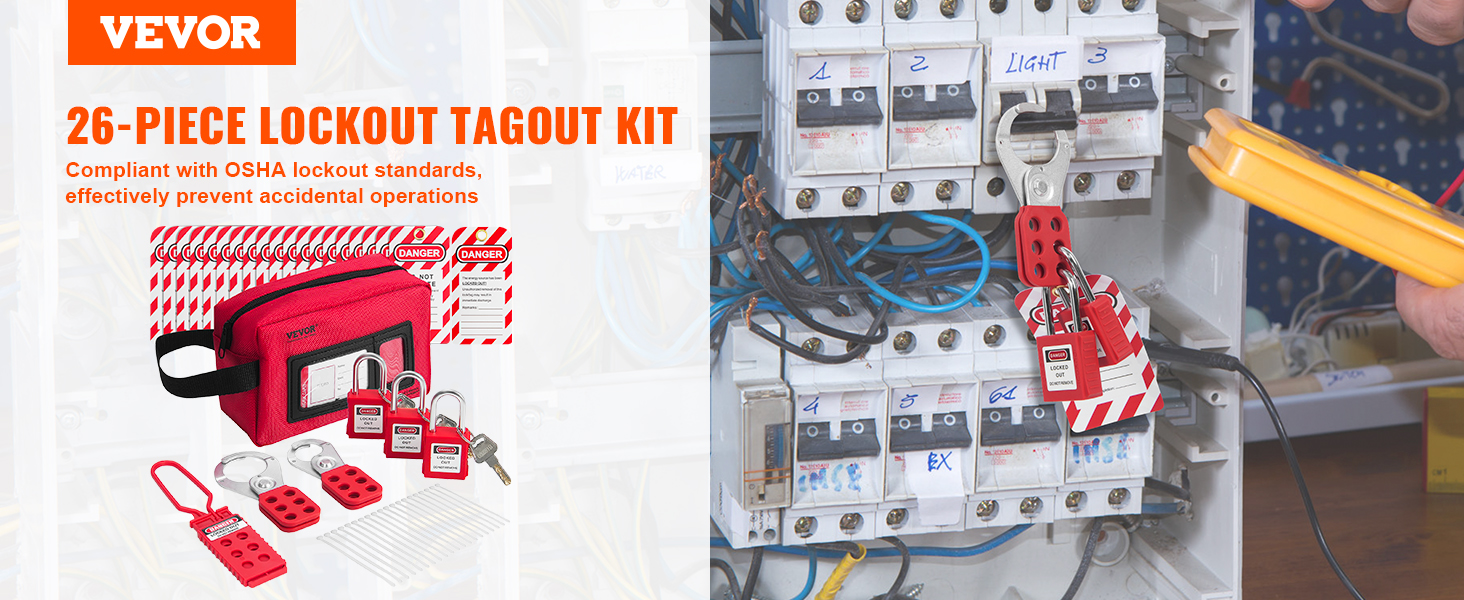
Proper tools make LOTO more effective and less prone to error. Every electrical maintenance team should have:
| Item | Purpose | Critical Features |
|---|---|---|
| Personal Lockout Locks | Individual control of energy sources | Unique key, durable plastic or metal body, weather-resistant |
| Hasps and Duplicates | Allow multiple locks on one device | Non-conductive, tamper-resistant, visible |
| Voltage Testers | Confirm zero energy state | CAT III or IV rated, self-testing, bright display |
| LOTO Tags | Communicate lock status | Tear-resistant, writeable, bilingual options |
| Lockout Stations | Centralized storage | Wall-mounted, organized, weatherproof |
Workflow Tip: Keep a dedicated LOTO kit in each maintenance zone. Include locks, tags, test leads, and a checklist. Technicians are more likely to follow procedures when tools are accessible.
Training and Authorization: Who Can Perform LOTO?
Not everyone on site can apply a lock. OSHA distinguishes between:
- Authorized employees – trained to perform LOTO on specific equipment. They know energy types, isolation points, and verification methods.
- Affected employees – operate or use equipment but don’t perform maintenance. They must understand LOTO’s purpose and never attempt to remove locks.
Training must be role-specific. An electrician working on 480V switchgear needs different instruction than a machine operator.
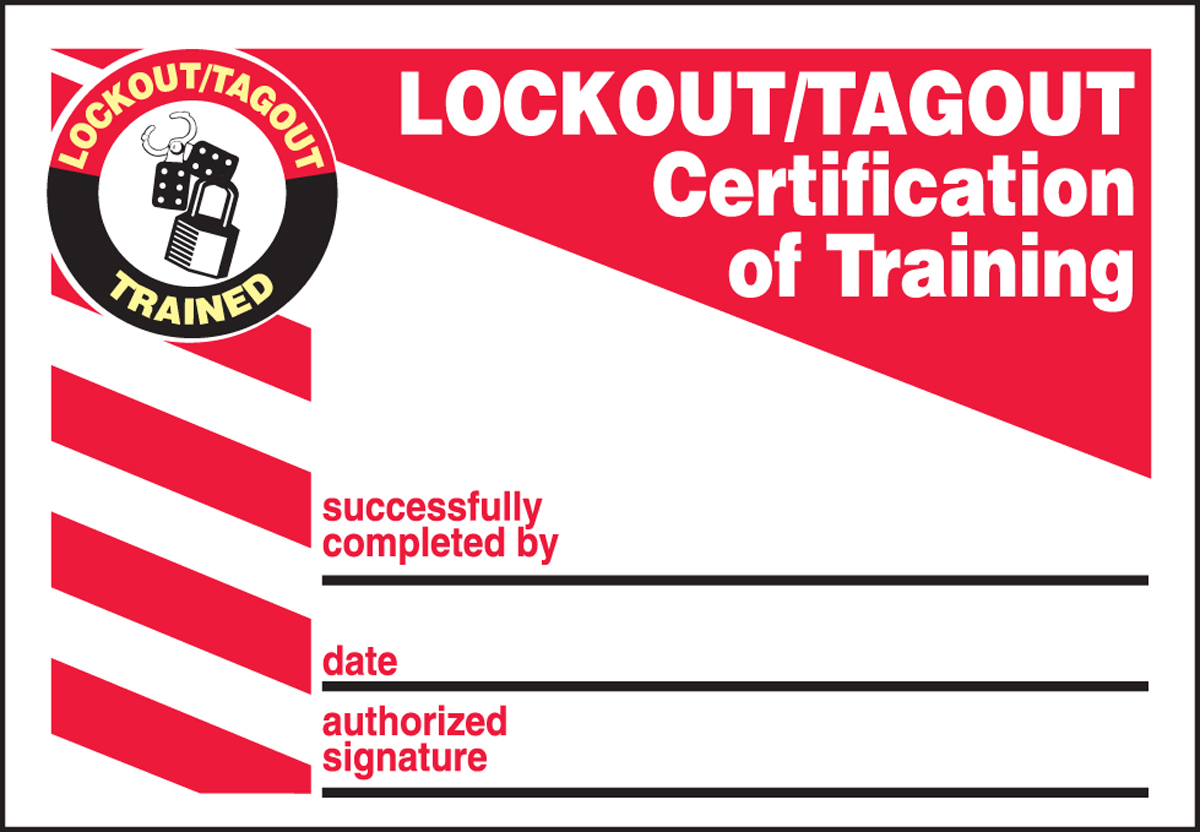
Best Practice: Conduct annual retraining and random audits. Simulate a lockout scenario and observe compliance. Document all sessions—OSHA requires proof of training during inspections.
Integrating LOTO Into Daily Operations
LOTO shouldn’t be an afterthought. It must be embedded in workflows.
- Pre-job briefings should include LOTO status.
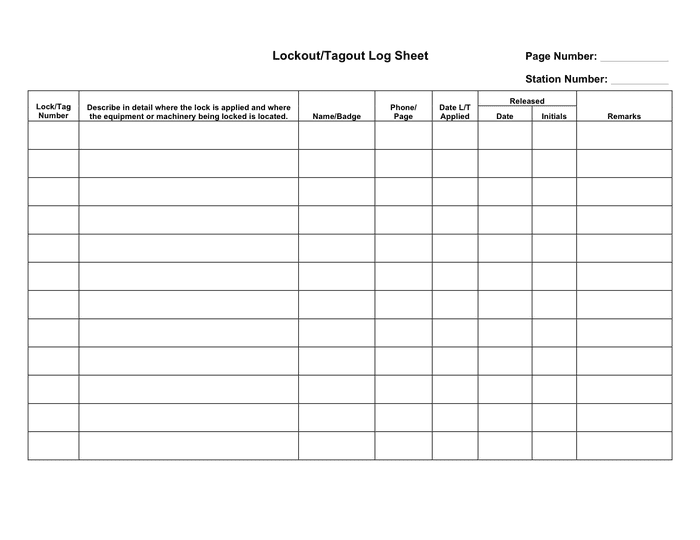
- Maintenance logs must record lockout times and personnel.
- Shift handovers require formal lock transfer procedures—not just verbal handoffs.
- Emergency repairs still require full LOTO. No “just this once” exceptions.
Real Use Case: A wastewater treatment facility implemented a digital LOTO log using tablets at each control panel. Technicians scan QR codes to register locks, reducing paperwork and improving accountability. Incident rates dropped 40% in 18 months.
While digital tools help, they don’t replace physical locks. Technology supports the process—it doesn’t secure the circuit.
The Cost of Ignoring Lockout Tagout Electrical Safety
The financial and human toll of LOTO failures is staggering.
- Medical costs for electrical burns average $200,000 per incident.
- Downtime from accidents can halt production for days.
- OSHA fines for serious violations exceed $15,000 each. Willful or repeated violations can reach $156,000.
- Reputation damage affects client trust and employee morale.
But beyond numbers, the real cost is avoidable suffering. A single arc flash can cause third-degree burns over 80% of the body. Survivors face years of recovery—if they survive at all.
Compliance isn’t about checking boxes. It’s about ensuring people go home the same way they came in.
Make LOTO a Culture, Not a Checklist
The most effective LOTO programs go beyond compliance. They foster a mindset where safety is personal.
- Empower workers to stop work if LOTO is incomplete.
- Recognize teams that maintain perfect lockout records.
- Share near-miss stories to reinforce vigilance.
- Leadership must model behavior—no exceptions for supervisors.
When a technician sees their manager waiting for a lockout instead of rushing a fix, the message is clear: safety leads.
Lockout tagout electrical safety isn’t complicated—but it demands consistency. Every lock, every tag, every test matters. Start with a clear procedure, equip your team properly, and reinforce accountability daily. The systems you protect might not thank you. But the people working on them will.
FAQ
What should you look for in Lockout Tagout Electrical Safety: A Complete Guide? Focus on relevance, practical value, and how well the solution matches real user intent.
Is Lockout Tagout Electrical Safety: A Complete Guide suitable for beginners? That depends on the workflow, but a clear step-by-step approach usually makes it easier to start.
How do you compare options around Lockout Tagout Electrical Safety: A Complete Guide? Compare features, trust signals, limitations, pricing, and ease of implementation.
What mistakes should you avoid? Avoid generic choices, weak validation, and decisions based only on marketing claims.
What is the next best step? Shortlist the most relevant options, validate them quickly, and refine from real-world results.