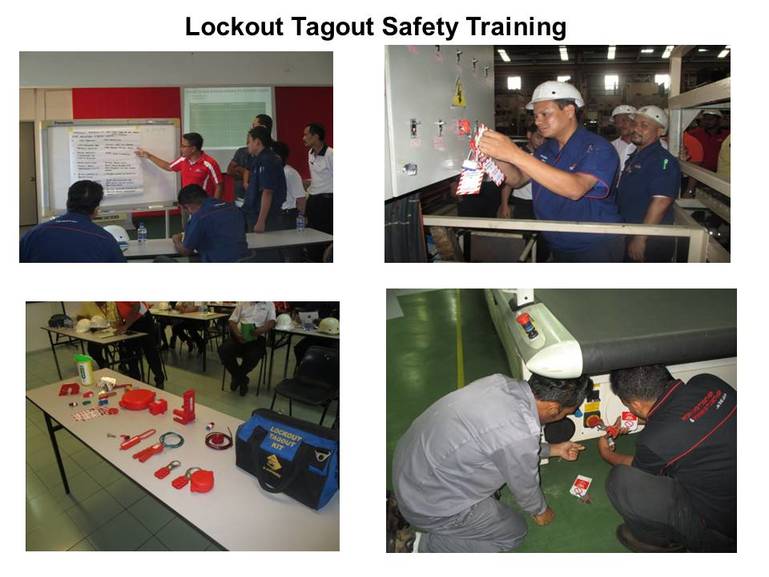
Every year, preventable accidents occur because machines start up unexpectedly during maintenance or servicing. Workers are injured—sometimes killed—by uncontrolled release of electrical, mechanical, hydraulic, or thermal energy. Lockout tagout (LOTO) safety is the frontline defense against these incidents. It’s not just a procedure; it’s a culture of accountability that protects lives.
LOTO is more than attaching a tag and padlock to a switch. It’s a structured process grounded in OSHA regulations and reinforced by real-world operational discipline. When executed correctly, it prevents hundreds of incidents annually. When overlooked—even briefly—it can lead to catastrophic outcomes.
What Is Lockout Tagout (LOTO)?
Lockout tagout refers to a safety procedure used to ensure that dangerous machines and energy sources are properly shut off and cannot be restarted until maintenance or servicing is complete. The “lockout” component physically isolates energy sources using locks. The “tagout” part involves placing warning tags to alert others that equipment is not to be operated.
This dual approach creates both a physical barrier and an informational one. It’s required for any situation where unexpected energization, startup, or release of stored energy could harm employees.
Key Components of LOTO
- Energy Isolation Devices: Circuit breakers, disconnect switches, valves.
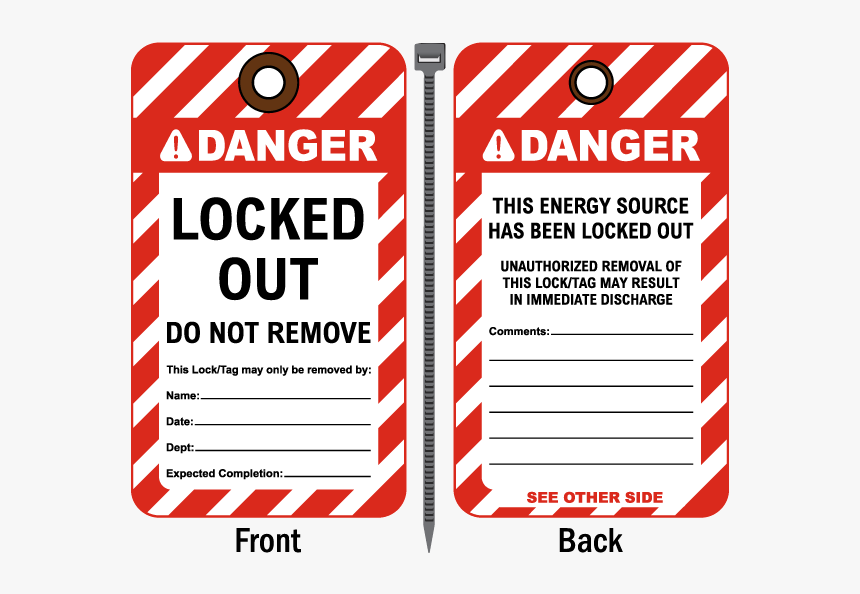
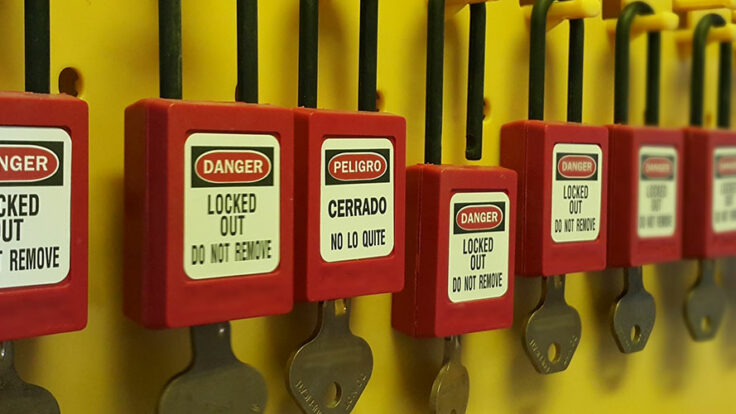
- Locks and Tags: Unique padlocks and standardized tags indicating work in progress.
- Authorized vs. Affected Employees: Only trained personnel (authorized) apply locks; others (affected) must understand and respect the process.
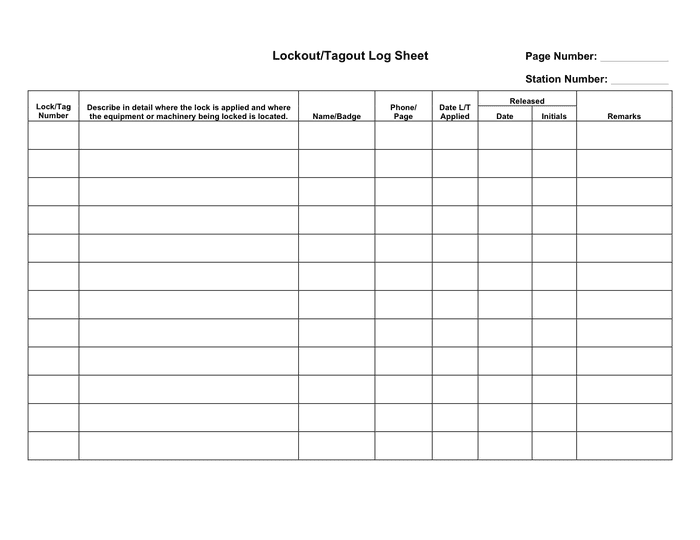
- Energy Control Plan (ECP): Documented procedures specific to each machine or system.
Without these components in place, even well-intentioned efforts can fail due to miscommunication or incomplete isolation.
Why LOTO Matters: The Hidden Risks of Energy Control Failure
Machines don’t always behave predictably during maintenance. Residual energy stored in springs, capacitors, elevated parts, or pneumatic systems can discharge violently. Consider this scenario:
A technician climbs into a conveyor system to repair a jam. The conveyor appears off, but a co-worker resets a tripped circuit breaker remotely. The conveyor restarts—trapping the technician.
This isn’t hypothetical. According to OSHA, nearly 10% of serious accidents in manufacturing involve unexpected startup or release of hazardous energy. The financial and human cost is staggering: medical bills, lost productivity, regulatory fines, and irreparable personal loss.
Common root causes include: - Skipping steps in the LOTO process - Using personal locks with non-standard procedures - Failing to verify zero energy state - Lack of training or oversight
The consequences are avoidable. The solution lies in consistent adherence to a formal LOTO program.
OSHA Requirements for Lockout Tagout
The Occupational Safety and Health Administration (OSHA) standard 29 CFR 1910.147 sets the legal framework for control of hazardous energy. Compliance isn’t optional—it’s enforceable.
Core OSHA Mandates
- Written Procedures: Employers must develop and document LOTO procedures for each piece of equipment.
- Employee Training: Authorized employees must be trained on applying and removing locks. Affected employees must understand the purpose and limitations of LOTO.
- Periodic Inspections: At least annually, a qualified person must inspect each energy control procedure to ensure compliance.
- Group Lockout Protocols: When multiple workers are involved, each must apply their own lock.
- Proper Lockout Devices: Must be durable, standardized, and identifiable as safety equipment.
Failure to meet these requirements can result in penalties exceeding $15,000 per violation. More importantly, it increases risk exposure across the organization.
OSHA does allow tagout-only systems in certain cases, but only if the employer can prove tags provide full protection. In most industrial settings, physical lockout remains the gold standard.
Step-by-Step: How to Perform a Proper LOTO Procedure
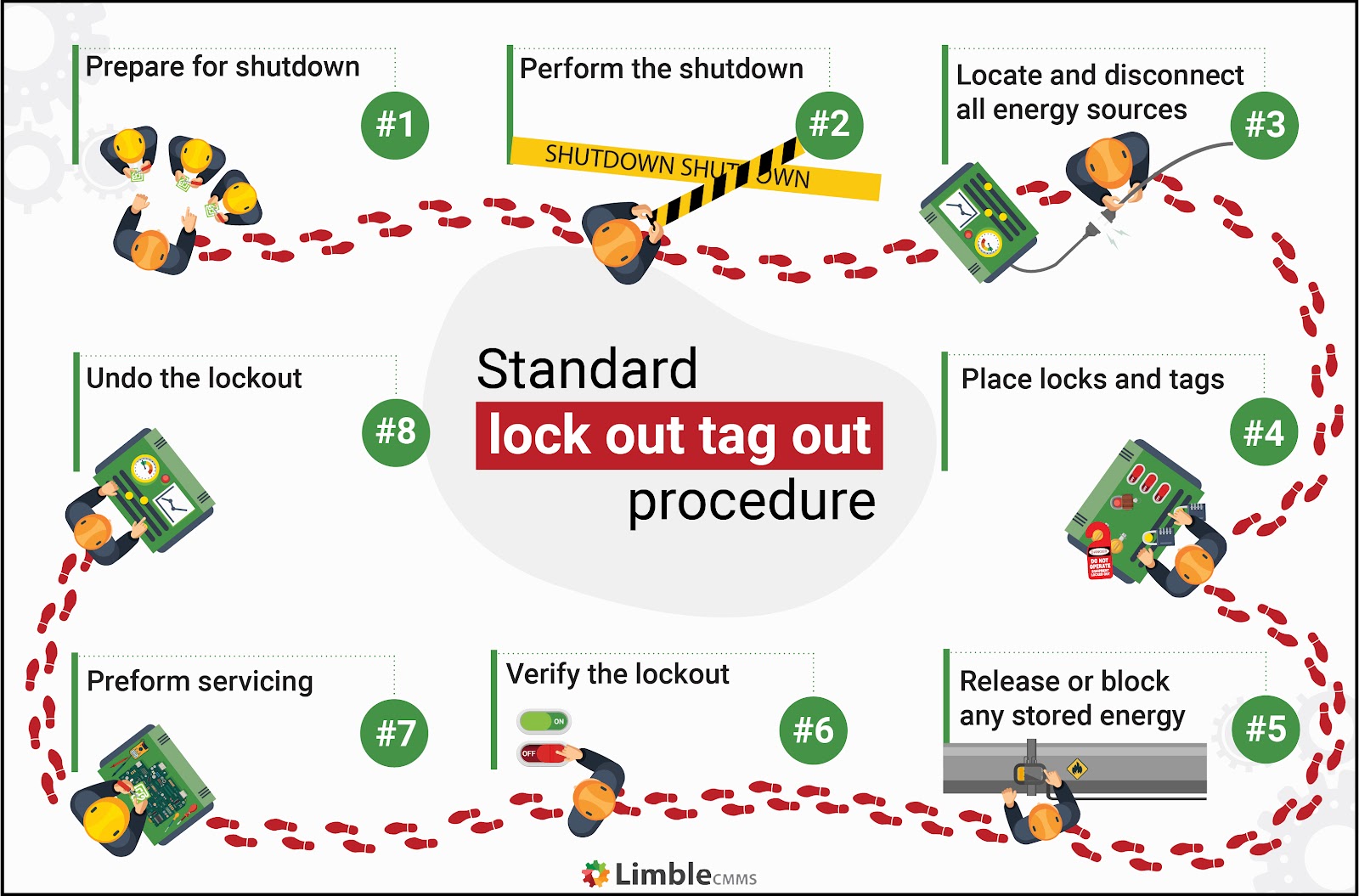
A successful LOTO process follows a strict sequence. Deviating—even slightly—compromises safety. Here’s the correct workflow:
1. Preparation Identify all energy sources (electrical, hydraulic, pneumatic, chemical, thermal, gravitational). Review the machine-specific LOTO procedure.
2. Notification Inform all affected employees that maintenance will begin and the machine will be locked out.
3. Shutdown Shut down the equipment using normal stopping procedures.
4. Isolation Turn off and disconnect all energy-isolating devices. This includes switches, valves, and circuit breakers.
5. Application of Locks and Tags Each authorized employee applies their personal lock and tag. Use group lockout boxes when multiple people are working.
6. Release of Stored Energy Relieve or disconnect stored energy: bleed air lines, drain fluids, block moving parts, discharge capacitors.
7. Verification of Isolation Attempt to restart the machine (e.g., press start button) to confirm zero energy state. Return controls to “off” or “neutral” afterward.
8. Perform Maintenance Only after verification should work begin.
9. Removal of Lockout
After work is complete, ensure tools are removed, guards reinstalled, and the area cleared. Each worker removes their own lock. Notify affected employees before restarting.
This sequence is non-negotiable. A single skipped step can turn a routine repair into a critical incident.
Common LOTO Mistakes and How to Fix Them
Even experienced teams make errors. Recognizing these pitfalls is critical for continuous improvement.
| Mistake | Risk | Solution |
|---|---|---|
| Using one lock for multiple workers | One person can remove all locks | Implement individual locks and group lockout kits |
| Skipping verification | Machine may still be energized | Always test for zero energy |
| Incomplete procedures | Workers miss isolation points | Update ECPs regularly and review annually |
| Tag-only systems without justification | Tags can be ignored or removed | Use lockout whenever possible |
| Poor training retention | Employees forget steps | Conduct refresher training yearly |
Another widespread issue: lockout fatigue. Workers may bypass LOTO for “quick fixes,” thinking, “It’ll only take a minute.” But most LOTO-related injuries happen during short-duration tasks.
Combat this by reinforcing culture—leadership must model compliance and reward safe behavior, not speed.
Real-World LOTO Use Cases
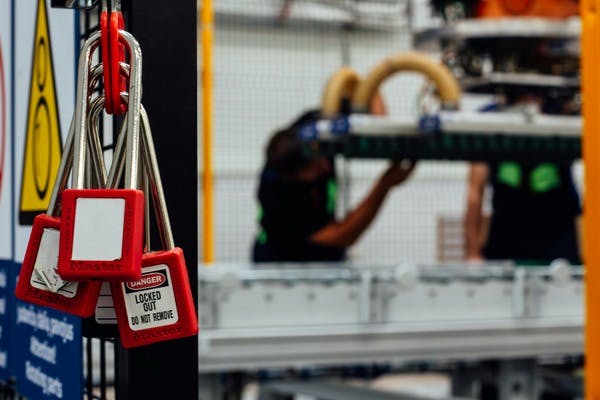
Case 1: Conveyor System Maintenance A packaging plant schedules routine belt replacement. The technician follows LOTO by locking out the main motor disconnect, tagging the control panel, and verifying no movement occurs when the start button is pressed. Without this, an automated cycle could engage unexpectedly.
Case 2: Hydraulic Press Repair A mechanic services a press with stored hydraulic pressure. After shutting off the pump, they open relief valves to drain fluid, then lock out the energy source. Ignoring stored energy could cause the ram to drop suddenly.
Case 3: Electrical Panel Upgrade An electrician upgrades circuitry in a live panel. They isolate the main feed, apply a lock, test for voltage, and confirm the panel is de-energized. This prevents arc flash or electrocution.
In each case, the process reduces risk not through complexity, but through consistency.
LOTO Equipment and Tools: What You Need
Effective lockout programs rely on the right tools. Here are five essential items every facility should have:
- Personal Safety Locks
- Durable, keyed-alike or keyed-different padlocks with employee-specific identification. Made from non-conductive materials where needed.
- Lockout Hasps and Kits
- Allows multiple locks to be applied to one isolation point. Common in group lockout scenarios.
- Valve Lockouts
- Fits over gate, ball, or butterfly valves to prevent accidental reopening.
- Circuit Breaker Locks
- Plastic or metal devices that trap breakers in the “off” position.
- Group Lockout Stations
- Centralized boxes where multiple workers place their locks during team maintenance.
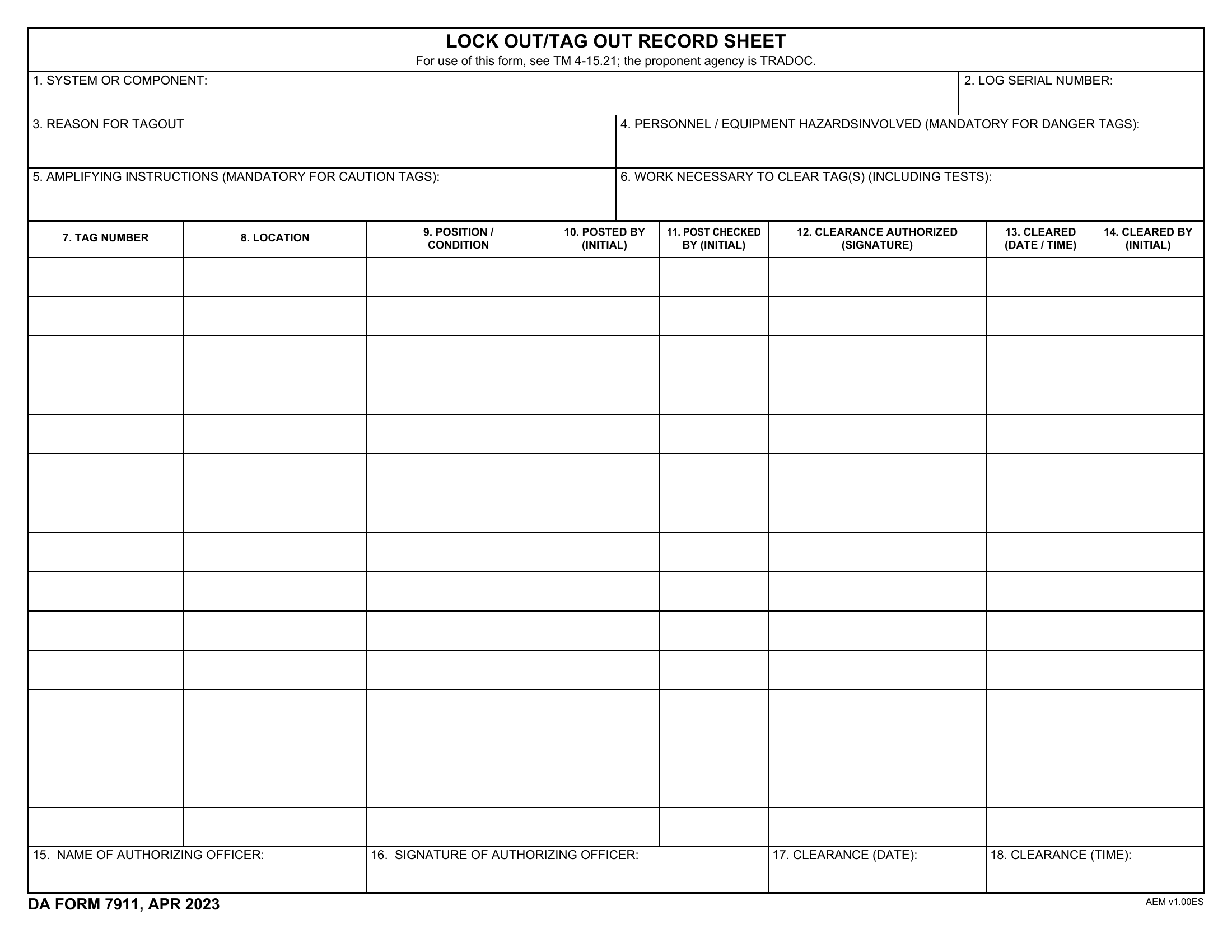
Additionally, consider: - Tagout Tags: Weather-resistant, tamper-proof tags with space for date, name, and reason. - Lockout Stations: Wall-mounted organizers for easy access to devices. - Audit Logs: Digital or paper records of annual inspections.
Investing in high-quality, standardized tools reduces confusion and improves compliance.
Building a Sustainable LOTO Program
A one-time training session isn’t enough. Sustainability requires integration into daily operations.
Start by auditing all equipment to identify energy sources and define procedures. Assign responsibility: a LOTO program manager ensures updates, training, and audits happen on schedule.
Conduct surprise drills. For example, simulate a maintenance scenario and observe whether employees follow the full process. Use findings to address gaps.
Encourage anonymous reporting of near-misses. Workers often see shortcuts being taken but hesitate to speak up. A no-penalty reporting system builds trust.
Finally, review and update procedures whenever equipment changes. A new machine means a new energy control plan.
Final Thoughts: Make LOTO a Habit, Not a Hurdle
Lockout tagout isn’t bureaucracy. It’s a proven method to prevent serious injury and death. Compliance isn’t the goal—safety is.
The most effective LOTO cultures don’t treat it as a box to check. They embed it into every maintenance task, no matter how small. Supervisors lead by example. Workers speak up when they see deviations.
Begin today: audit one machine’s procedure. Train one team. Verify one lockout. Over time, these actions compound into a safer, more resilient workplace.
Because when it comes to hazardous energy, there’s no second chance.
Frequently Asked Questions
What is the difference between lockout and tagout? Lockout physically isolates energy sources with a lock; tagout uses warning tags. Lockout provides stronger protection and is required when feasible.
Who is responsible for applying lockout devices? Only authorized employees—those trained in energy control procedures—can apply and remove locks.
Can tagout be used instead of lockout? Yes, but only if the employer can prove tags provide full protection. Most industrial applications require lockout.
How often should LOTO procedures be inspected? At least annually, per OSHA requirements. Each piece of equipment’s procedure must be reviewed with an authorized employee.
What happens if a worker forgets to remove their lock? Only the employee who applied the lock should remove it. In emergencies, a formal removal process with supervisor authorization and verification can be followed.
Do LOTO rules apply to corded portable tools? Yes, if the tool is being serviced and unplugging it is the energy control method. The plug must be locked out or controlled.
Is group lockout required for multiple workers? Yes. Each worker must apply their own lock. A group lockout box or hasp ensures no one can restart equipment prematurely.
FAQ
What should you look for in Lockout Tagout Safety: Protecting Workers from Hazardous Energy? Focus on relevance, practical value, and how well the solution matches real user intent.
Is Lockout Tagout Safety: Protecting Workers from Hazardous Energy suitable for beginners? That depends on the workflow, but a clear step-by-step approach usually makes it easier to start.
How do you compare options around Lockout Tagout Safety: Protecting Workers from Hazardous Energy? Compare features, trust signals, limitations, pricing, and ease of implementation.
What mistakes should you avoid? Avoid generic choices, weak validation, and decisions based only on marketing claims.
What is the next best step? Shortlist the most relevant options, validate them quickly, and refine from real-world results.