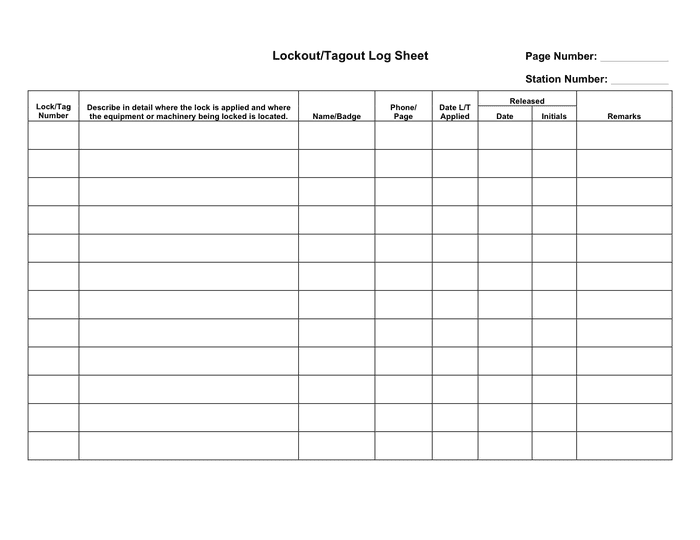
Machines don’t warn you twice. A single moment of bypassing safety procedures can result in amputations, electrocution, or worse. Across manufacturing, utilities, and maintenance operations, lockout tagout (LOTO) remains one of the most effective—and most overlooked—safeguards against unexpected energization. Yet, according to OSHA, nearly 10% of serious accidents in industrial settings involve failure to control hazardous energy.
The truth is, knowing the rules isn’t enough. Execution under real conditions—tight deadlines, shift changes, complex machinery—is where most LOTO programs fail. This guide cuts through the compliance jargon and delivers practical lockout tagout safety tips that work where it matters: on the shop floor.
Why Lockout Tagout Fails in Real Work Environments
LOTO isn’t just about placing a lock and hanging a tag. It’s a system. And when poorly implemented, even minor oversights cascade into catastrophic outcomes.
Common failure points include: - Assumption-based shortcuts: “I’m only clearing a jam, it’ll take 30 seconds.” - Inadequate training: Workers understand the idea of LOTO but not the machine-specific procedures. - Shared equipment confusion: Multiple teams working on interconnected systems without synchronized lockout. - Tag reliance over lock discipline: Tags are warnings, not physical restraints. If they’re the only barrier, the system is broken.
A 2022 incident at a Midwest packaging plant exemplifies this: a technician bypassed LOTO to clear a minor blockage. A coworker, unaware of the work, remotely restarted the conveyor. The result? A crushed hand and a six-figure OSHA fine. The root cause? A culture that prioritized uptime over verification.
LOTO isn’t a formality. It’s a sequence of deliberate, verified actions. Let’s break down how to do it right.
The 6 Foundational Lockout Tagout Safety Tips
1. Always Use Machine-Specific Procedures
Generic LOTO checklists are better than nothing—but they’re not enough. Every machine has unique energy sources: hydraulic pressure, pneumatic lines, capacitor banks, gravity-fed systems.
A universal procedure might miss a residual spring tension in a die press or overlook a secondary electrical feed in a CNC machine.
Practical tip: Develop and visibly post energy control procedures (ECPs) for each high-risk machine. Include: - Point of isolation (valve type, breaker ID) - Type of energy (electrical, mechanical, chemical) - Sequence for shutdown and release - Verification method (voltage test, bleed-down confirmation)
Example: A printing press may require disconnecting main power and depressurizing ink delivery lines. Skipping the latter risks chemical spray during maintenance.
2. Verify Zero Energy Before Any Work
Locking out is step one. Confirming the machine is truly de-energized is step two. OSHA’s standard requires verification, not assumption.
Too often, workers skip verification because the machine “looks off.” But voltage can linger in circuits, or mechanical components can store kinetic energy.
Best practice: Use a “test-before-touch” protocol: - After lockout, attempt to start the machine (via control panel) - Use voltage testers, pressure gauges, or lockout verification tools - Physically check for movement or energy release
This step prevents a shocking number of incidents. One automotive plant reduced LOTO-related injuries by 74% simply by mandating two-person verification.
3. Never Use Someone Else’s Lock—And Never Remove It
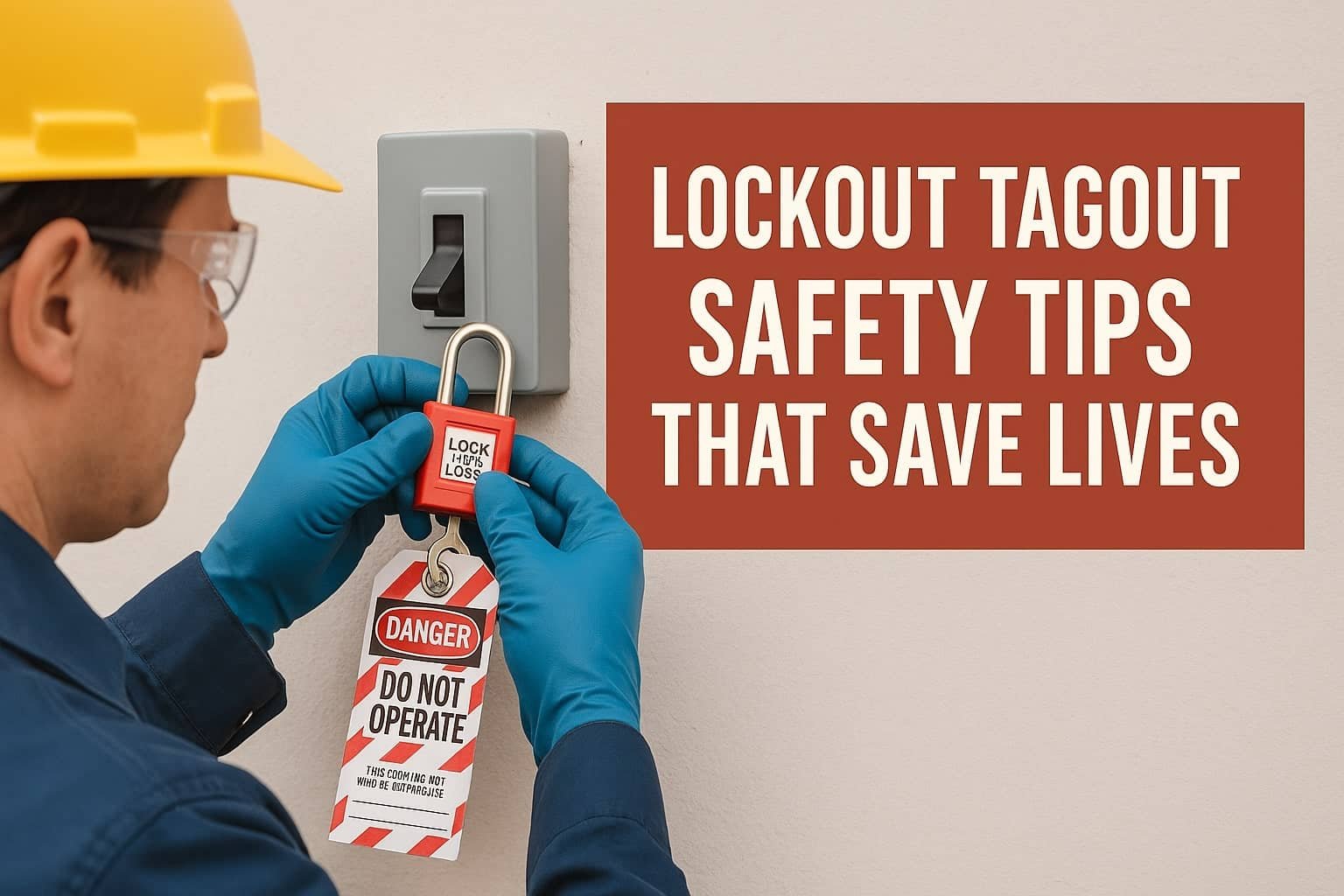
Each worker involved in servicing must apply their own lock. This is non-negotiable.
Group lockout scenarios (e.g., maintenance teams) use a lockbox system: each technician places their lock on the energy-isolating device, and keys are stored in a secured box. Only when all work is complete do individuals remove their locks.
Common mistake: A supervisor removes a worker’s lock because the shift ended. This is a violation with legal liability.
Real case: In a food processing facility, a mechanic left a lock on a blender during a break. A floor manager removed it, assuming work was done. The blender activated mid-cleaning—resulting in severe lacerations. The company was fined $132,000.
Ownership of the lock = ownership of the safety barrier.
4. Tags Are Supplements, Not Substitutes
Tags communicate why a machine is locked and who is responsible. But they don’t prevent energy release.
Relying solely on tags—especially in high-traffic areas—creates a false sense of security. Tags can be ignored, damaged, or misunderstood.
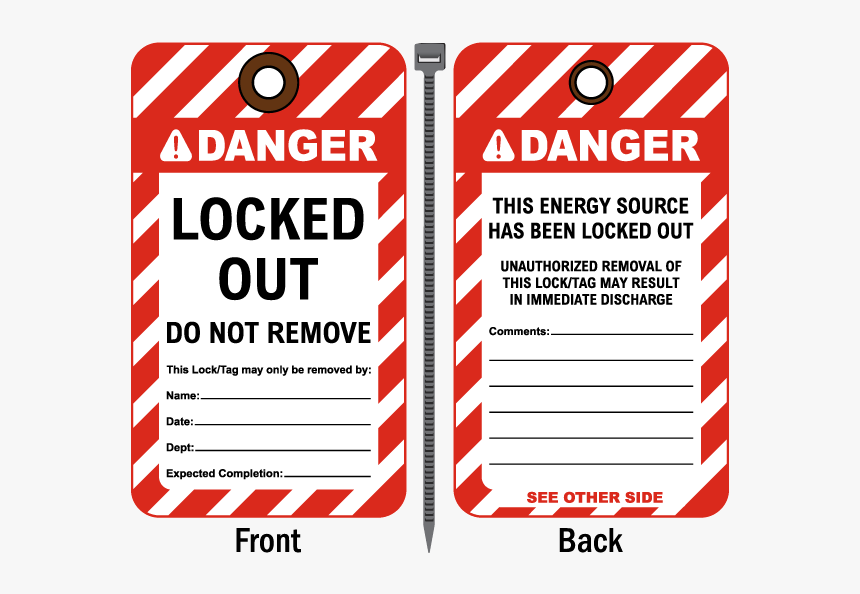
Effective tagging includes: - Worker name and contact - Date and time of lockout - Reason for isolation - Machine ID and energy source
But again: a tag without a lock is not LOTO. If physical locking isn’t possible (e.g., during testing phases), you need an alternative protection strategy—like a live-work permit with enhanced supervision.
5. Control Stored Energy Relentlessly
Many LOTO failures happen after power is cut. Because energy hides.
Springs, elevated parts, capacitors, pressurized lines—all can release force unexpectedly.
Critical step: Release, dissipate, or block stored energy before starting work. Examples: - Bleed hydraulic lines using proper relief valves - Lower suspended loads and block with safety stands - Discharge capacitors with grounding sticks - Wait for flywheels to stop spinning
At a steel mill, a technician opened a gearbox without blocking the overhead roll. The roll descended due to gravity, crushing his arm. The machine was “off,” but potential energy wasn’t controlled.
6. Re-energize Only After Full Clearance
Restarting a machine is as dangerous as servicing it.
Before removing locks: - Ensure all tools are removed - Confirm all workers are clear of the machine - Verify guards and safety devices are reinstalled - Notify all affected personnel
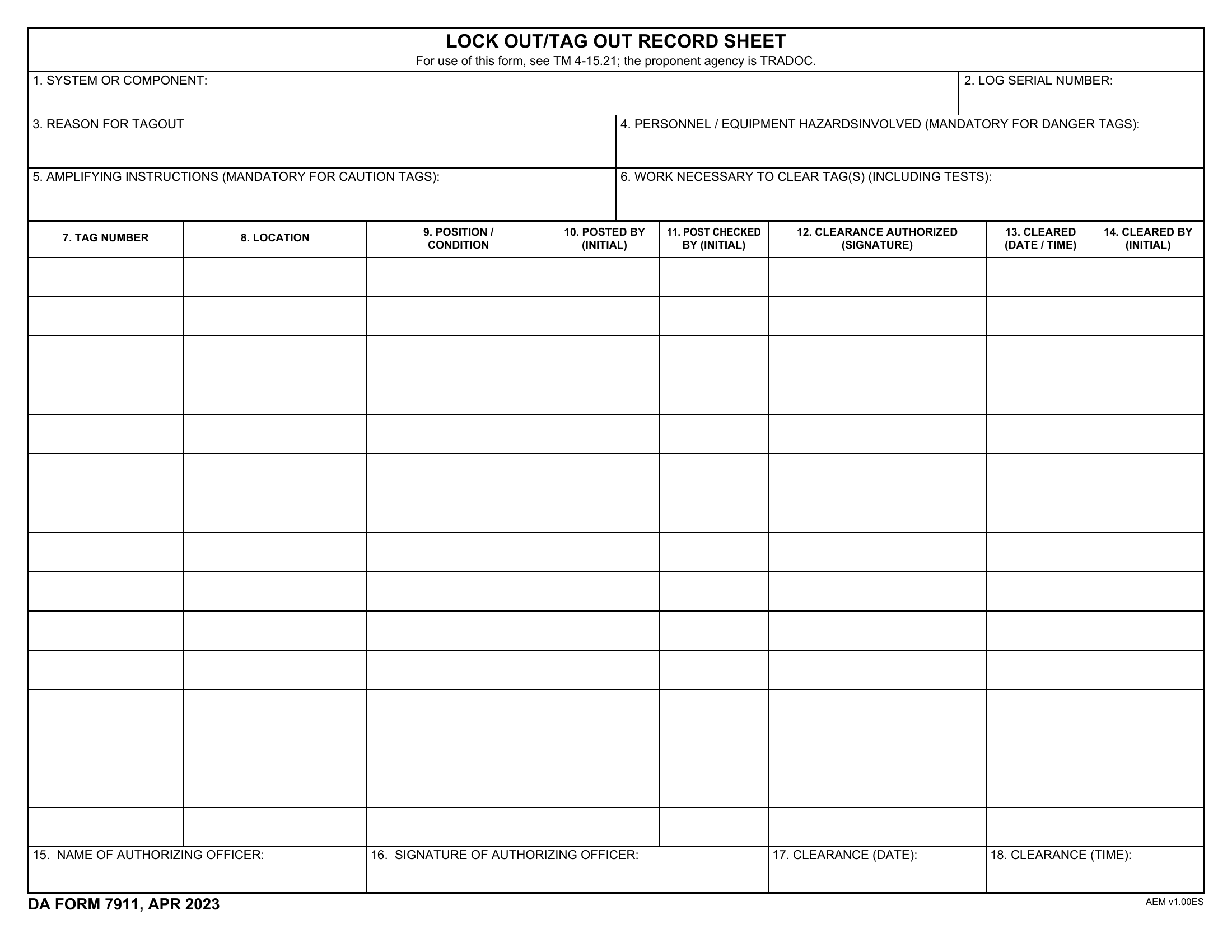
A common pitfall: restarting during shift handover. The outgoing technician removes locks, but the incoming crew is unaware. Clear communication protocols—like a LOTO logbook or digital status board—prevent this.
Special Scenarios: When Standard LOTO Isn’t Enough
Servicing Portable Equipment
Hand-held tools, mobile mixers, or portable grinders often fall through LOTO cracks. But they still pose risks.
Solution: Designate a checkout system. Tools requiring internal servicing are tagged “Do Not Use” and locked at the power source (e.g., circuit breaker panel). Battery-powered devices? Remove and lock the battery separately.
Shift Changes and Handoffs
If maintenance spans shifts, the oncoming worker must apply their own lock before the outgoing worker removes theirs. No exceptions.
Use a shift交接 tag (handoff tag) system: - Outgoing worker documents status and applies a temporary tag - Incoming worker reviews, applies personal lock, removes tag
This closes the accountability gap.
Group Lockout for Complex Repairs
In large systems (e.g., power plants, assembly lines), multiple trades may work simultaneously.

Use a group lockout kit: - Central lockbox attached to the main energy isolator - Each worker adds their lock to the box - Supervisor verifies completion before allowing re-energization
This ensures no single person can restart the system prematurely.
Choosing the Right LOTO Devices: What Works in Practice
Not all locks and tags are created equal. Environment, access, and energy type dictate your choices.
| Device Type | Best For | Limitations |
|---|---|---|
| Padlocks (non-conductive) | Electrical panels, wet areas | Can be picked or cut if low quality |
| Valve Lockouts | Hydraulic/pneumatic systems | Must match valve handle shape |
| Circuit Breaker Locks | Main power disconnects | Require exact breaker fit |
| Hasp & Multiple Locks | Group lockout points | Needs secure anchor point |
| Tag Holders (vinyl) | Outdoor or oily environments | Tags can fade or tear over time |
Pro tip: Use color-coded locks by department or shift. Red for maintenance, blue for electrical, green for operations. Makes violations instantly visible.
Invest in durable, standardized kits. A $15 lock that fails under stress isn’t a savings—it’s a liability.
The Human Factor: Building a LOTO-Compliant Culture
Equipment and procedures fail when people bypass them. The fix isn’t more rules—it’s better reinforcement.
What works: - Monthly LOTO drills with surprise audits - Peer-led safety talks featuring near-miss stories - Recognition for safe behavior (not just incident-free stats) - Leadership participation in lockout verification
One refinery cut LOTO violations by 80% by having managers perform weekly “shadow checks”—quietly observing and coaching, not punishing.
Culture eats compliance for breakfast. Make safety visible, valued, and shared.
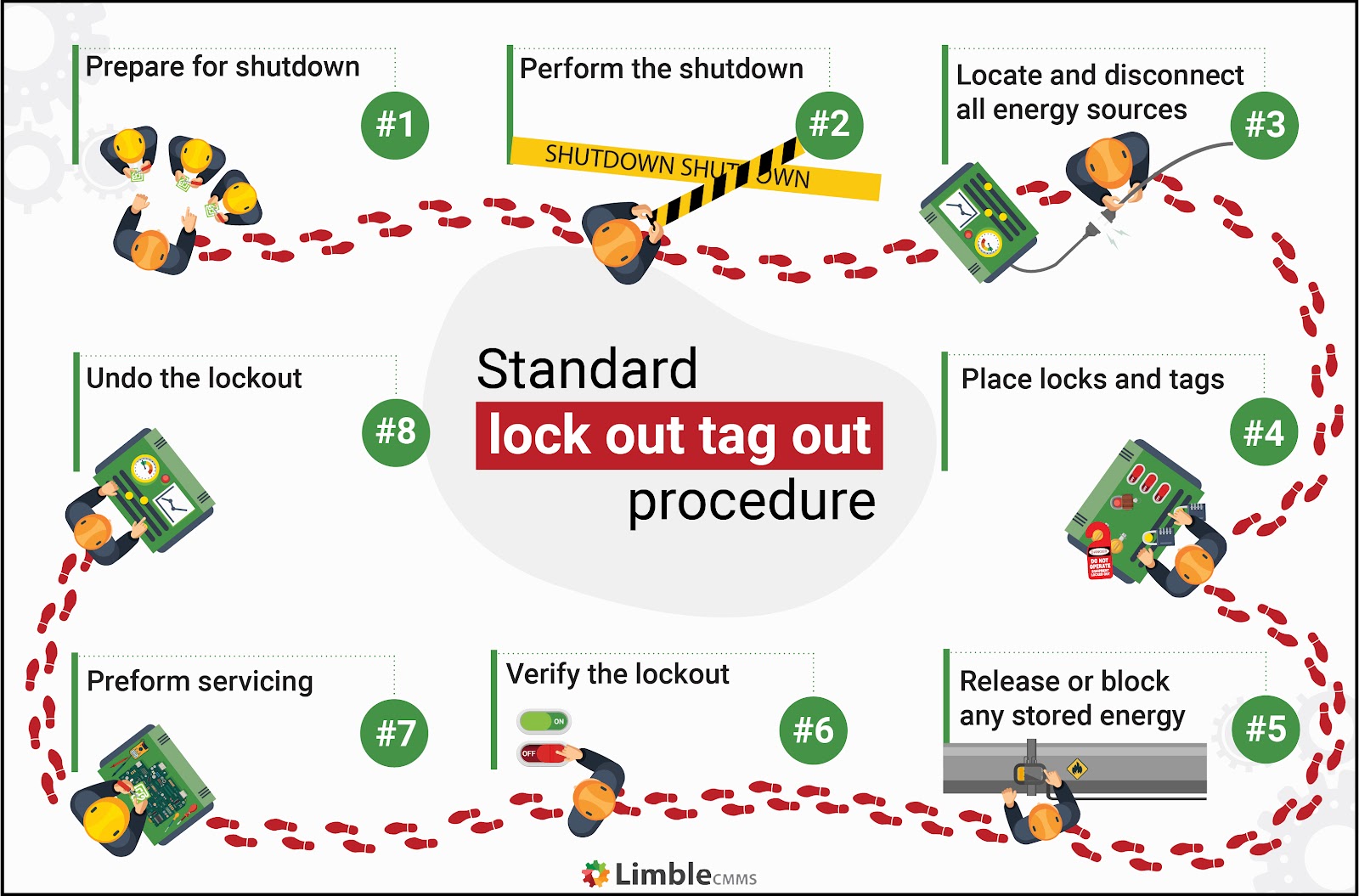
Final Checklist: LOTO Safety in Action Before any maintenance, run this 7-step verification:
- Notify all affected employees
- Shut down the machine using normal controls
- Isolate all energy sources (electrical, mechanical, etc.)
- Apply locks and tags – one per worker
- Release stored energy (bleed, block, discharge)
- Verify isolation – test controls, use meters
- Clear and re-energize only after confirming safety
Keep this checklist laminated and posted near high-risk stations.
LOTO isn’t about ticking boxes. It’s about returning home unharmed. Every lock, every tag, every verification step is a decision to prioritize life over convenience. Implement these lockout tagout safety tips not because OSHA requires it—but because your team deserves nothing less. Start today: audit one machine’s procedure, test your verification process, and challenge one assumption. Safety isn’t perfect. But it’s always progress.
Frequently Asked Questions
What is the most common LOTO violation? Failing to verify zero energy after lockout—workers assume the machine is safe without testing.
Can a tag be used without a lock? No. Tags are warnings only. OSHA requires a physical lock to isolate energy, unless a documented alternative exists.
Who is responsible for LOTO compliance? Both employers (for procedures and training) and employees (for correct application) share responsibility.
How often should LOTO procedures be reviewed? Annually, or whenever machinery changes, new hazards are identified, or after an incident.
What should a LOTO tag include? Worker name, date/time, machine ID, reason for lockout, and contact information.
Can temporary testing be done during LOTO? Yes, but only under a controlled "removal for testing" procedure with enhanced safeguards and re-lockout afterward.
Is LOTO required for minor servicing? Yes, if the task exposes workers to unexpected energization. Exceptions exist for routine tasks using alternative protections.
FAQ
What should you look for in Lockout Tagout Safety Tips Every Worker Should Know? Focus on relevance, practical value, and how well the solution matches real user intent.
Is Lockout Tagout Safety Tips Every Worker Should Know suitable for beginners? That depends on the workflow, but a clear step-by-step approach usually makes it easier to start.
How do you compare options around Lockout Tagout Safety Tips Every Worker Should Know? Compare features, trust signals, limitations, pricing, and ease of implementation.
What mistakes should you avoid? Avoid generic choices, weak validation, and decisions based only on marketing claims.
What is the next best step? Shortlist the most relevant options, validate them quickly, and refine from real-world results.