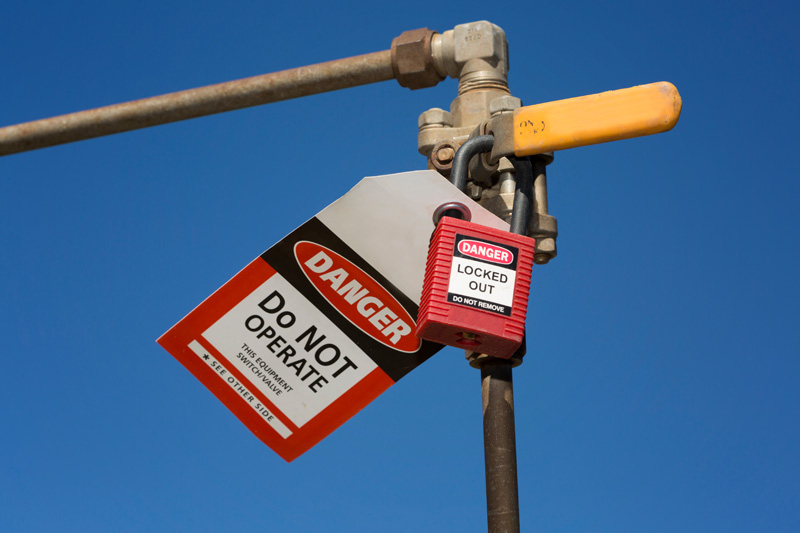
Every year, dozens of preventable injuries and fatalities occur because equipment starts unexpectedly during maintenance. The culprit? Missing or poorly executed lockout tagout (LOTO) procedures. A lockout tagout toolbox talk isn’t just another safety meeting—it’s a frontline defense against catastrophic incidents caused by hazardous energy release.
These short, focused discussions bring teams together to reinforce protocols, address gaps, and create a culture where safety isn’t assumed—it’s verified. When done right, a LOTO toolbox talk doesn’t recite policy; it sparks awareness, corrects behaviors, and saves lives.
Why Lockout Tagout Toolbox Talks Matter
Toolbox talks are informal but structured safety meetings, typically lasting 10 to 15 minutes, designed to address a specific hazard. When it comes to lockout tagout, their impact is outsized.
OSHA estimates that proper LOTO implementation prevents nearly 120 fatalities and 50,000 injuries annually in the U.S. Yet despite this, compliance remains inconsistent. Why?
Because knowing the procedure and applying it correctly under real-world pressure are two different things.
A toolbox talk bridges that gap. It’s not about reading the safety manual—it’s about asking: - Did everyone on shift verify isolation today? - Has anyone faced confusion over control points? - Are tags being used as a substitute for locks?
These questions surface hidden risks before they lead to incidents.
For example, at a Midwest manufacturing plant, a maintenance worker was clearing a jam in a conveyor system. The machine had been “shut off,” but no lockout was applied. A coworker, unaware of the work being done, restarted the system remotely—resulting in a severe hand injury. A simple 10-minute LOTO toolbox talk that week might have prevented it.
Anatomy of an Effective LOTO Toolbox Talk
A good talk follows a clear, repeatable structure. It should be practical, not theoretical. Here’s what to include:
1. Topic Focus Pick one specific aspect of LOTO per session. Examples:
- Distinguishing between lockout and tagout
- Group lockout procedures
- Control of stored energy (springs, capacitors, hydraulic pressure)
Avoid broad themes like “LOTO Overview”—they dilute impact.
2. Real Incident Reference Start with a brief story—real or anonymized—from your facility or industry. For instance: > “Last month, at a plant in Ohio, a technician was burned when steam released from a valve thought to be isolated. The lock was applied, but the bleed valve wasn’t opened. Residual energy caused the incident.”
This grounds the discussion in reality.
3. Interactive Discussion Ask open-ended questions:

- “Has anyone here had to deal with conflicting energy sources on a machine?”
- “What would you do if you found a tag with a faded name?”
Encourage participation. Silence is a red flag.
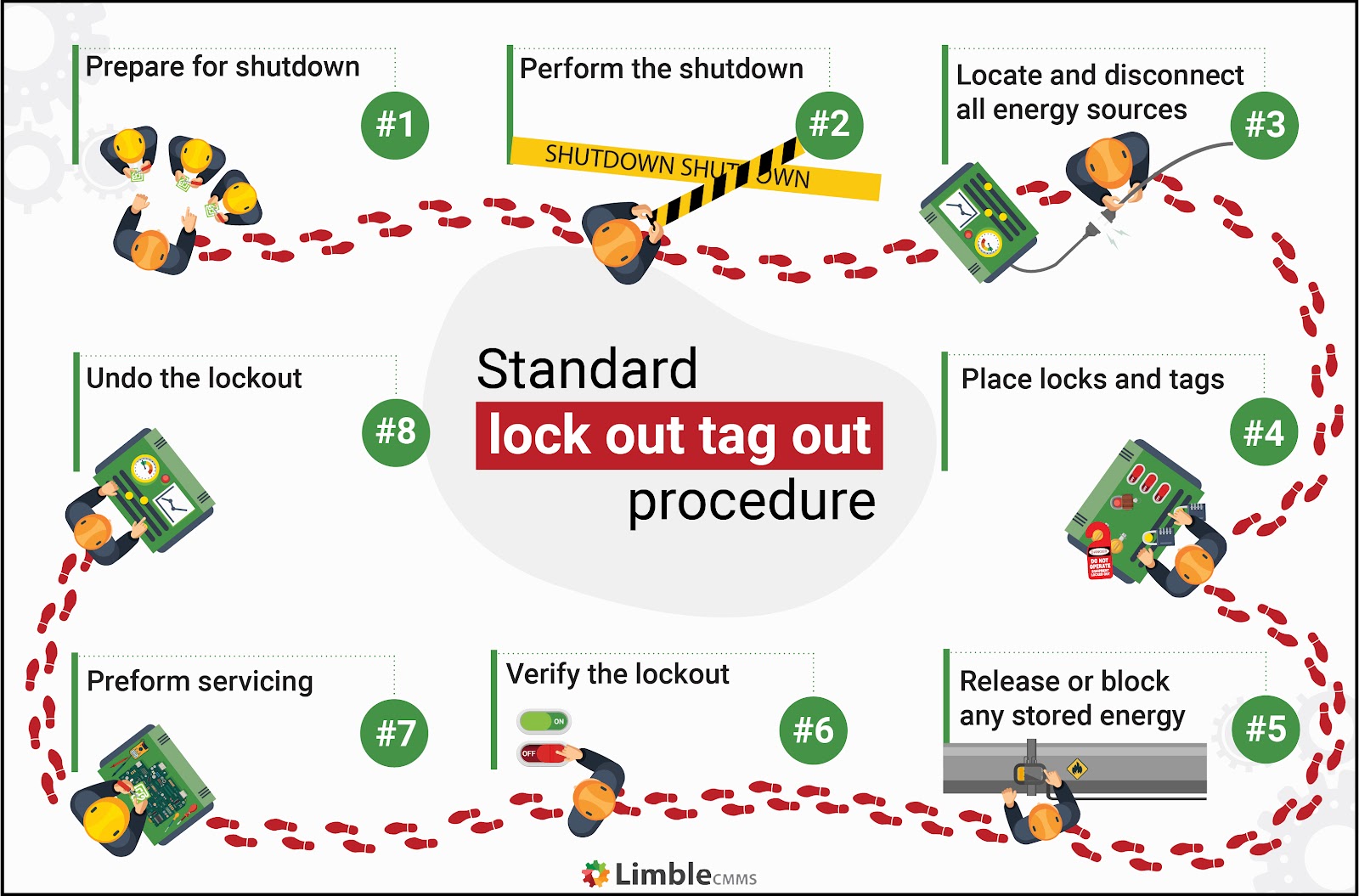
4. Demonstration or Walkthrough If possible, bring the team to the machine. Show where locks go, how to verify zero energy, and where isolation points are. A visual anchor makes the lesson stick.
5. Close with Action End with a clear takeaway:
- “Tomorrow, every maintenance task must include a LOTO checklist sign-off.”
- “Report any missing locks immediately—don’t improvise.”
Common Mistakes in LOTO Toolbox Talks
Even well-intentioned talks fail when they fall into these traps:
❌ Treating It as a Checkbox Exercise
When supervisors rush through talks to “complete” them, employees tune out. The goal isn’t compliance with a schedule—it’s behavior change.
Fix: Rotate facilitators. Let experienced technicians lead occasionally. Fresh voices engage better.
❌ Ignoring Job-Specific Nuances A LOTO procedure for a CNC machine differs vastly from one on a boiler system. Generic talks miss critical details.
Fix: Tailor talks to upcoming work. If maintenance on hydraulic presses is scheduled, focus the talk there.
❌ Overreliance on Tagout Without Lockout Tags are warnings—not physical restraints. Yet many workers treat them as sufficient.
Fix: Emphasize: “If you can’t lock it, you shouldn’t be working on it.” Clarify exceptions (e.g., when a lock isn’t feasible) and require authorization.
❌ Skipping Verification Steps
Many assume “off” means “safe.” But verifying zero energy—testing start buttons, checking gauges, bleeding lines—is non-negotiable.
Fix: Make verification a mandatory step in every discussion. Use the phrase: “Test it, don’t trust it.”
LOTO Toolbox Talk Frequency and Scheduling
OSHA doesn’t mandate frequency—but best practice is monthly, with additional talks after incidents, near-misses, or procedural changes.
High-risk environments (e.g., chemical plants, steel mills) may require weekly talks.
Recommended Schedule: - Monthly: Core LOTO principles, refresher topics - Quarterly: Rotate through energy types (electrical, pneumatic, thermal) - After incidents: Immediate debrief and corrective action - During onboarding: Include new hires in the next scheduled talk
Schedule talks at shift start, when crews are together and focused. Avoid end-of-shift—fatigue kills engagement.
Integrating LOTO Talks Into Broader Safety Culture
A toolbox talk shouldn’t exist in isolation. It’s a pulse check on your energy control program.
Use these talks to: - Identify broken or missing locks/tags - Surface confusion over machine-specific procedures - Reinforce accountability (each lock must be traceable to one person)
One refinery improved compliance by 40% simply by adding a “LOTO wall” where workers posted photos of properly locked machines after each talk. Peer visibility drove consistency.
Also, tie talks to audits. If your monthly safety audit finds inconsistent lock application, the next toolbox talk should address why.
Sample LOTO Toolbox Talk Script
Topic: Control of Stored Energy
Duration: 12 minutes Facilitator: Maintenance Supervisor
Opening: “Two weeks ago, a mechanic at another site was injured when a forklift lift arm dropped unexpectedly. The battery was disconnected, but hydraulic pressure remained. Today, we’re talking stored energy—how it hides, and how we control it.”
Discussion Questions: - “What types of stored energy have you encountered?” - “How do you know a system is fully depressurized?” - “Have you ever seen someone skip a bleed step because ‘it’s just quick’?”
Key Points: - Electrical isn’t the only hazard—springs, hydraulics, gravity, and capacitors store energy - Bleed, block, and verify every time - Stored energy releases can be just as deadly as powered startup
Action Step: “From now on, every LOTO checklist must include a ‘stored energy check’ box. If it’s not verified, the job doesn’t start.”
Real-World LOTO Scenarios and Lessons
Scenario 1: The Shortcut That Wasn’t A technician needed to replace a motor. He “just unplugged it,” assuming that was enough. But the machine had a backup capacitor that discharged when he touched the terminals. Result: electrical burn.
Lesson: Unplugging ≠ isolation. Always follow the written LOTO procedure.
Scenario 2: The Shared Equipment Dilemma Three departments used the same mixer. One team locked it out for cleaning. Another, unaware, removed the lock because “it wasn’t theirs.” The machine started mid-cleaning.
Lesson: Use group lockout boxes. Each affected worker applies their own lock. Removal requires consensus.
Scenario 3: The Faded Tag A tag with no name or date was found on a valve. No one knew who applied it or why. Work was delayed for hours.
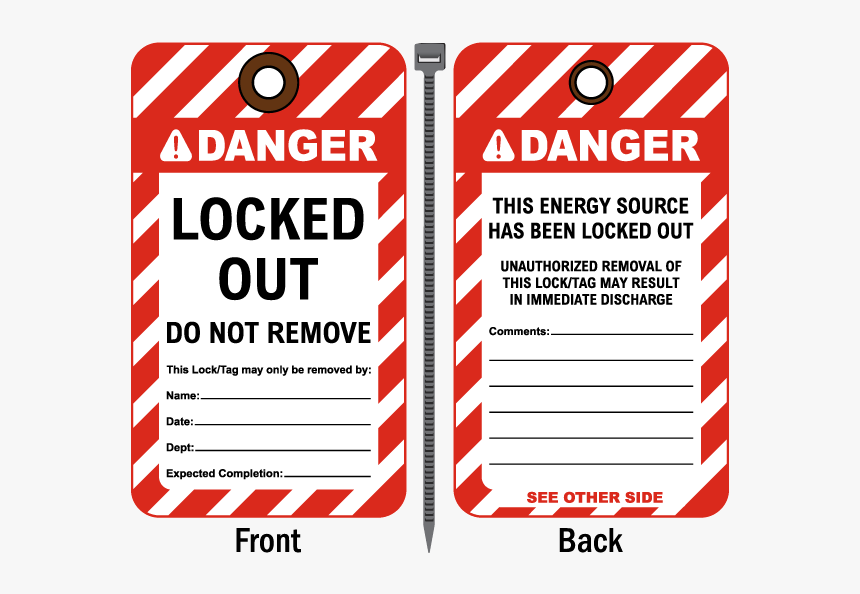
Lesson: Tags must include name, date, reason, and contact info. Illegible or incomplete tags are invalid.
Action Plan: Making Your Next LOTO Toolbox Talk Count
- Pick a focused topic (e.g., lock application points on Line 3)
- Review recent work orders or incidents for relevance
- Write a short script with questions and a real example
- Gather the team near the equipment if possible
- End with a clear action or behavior change
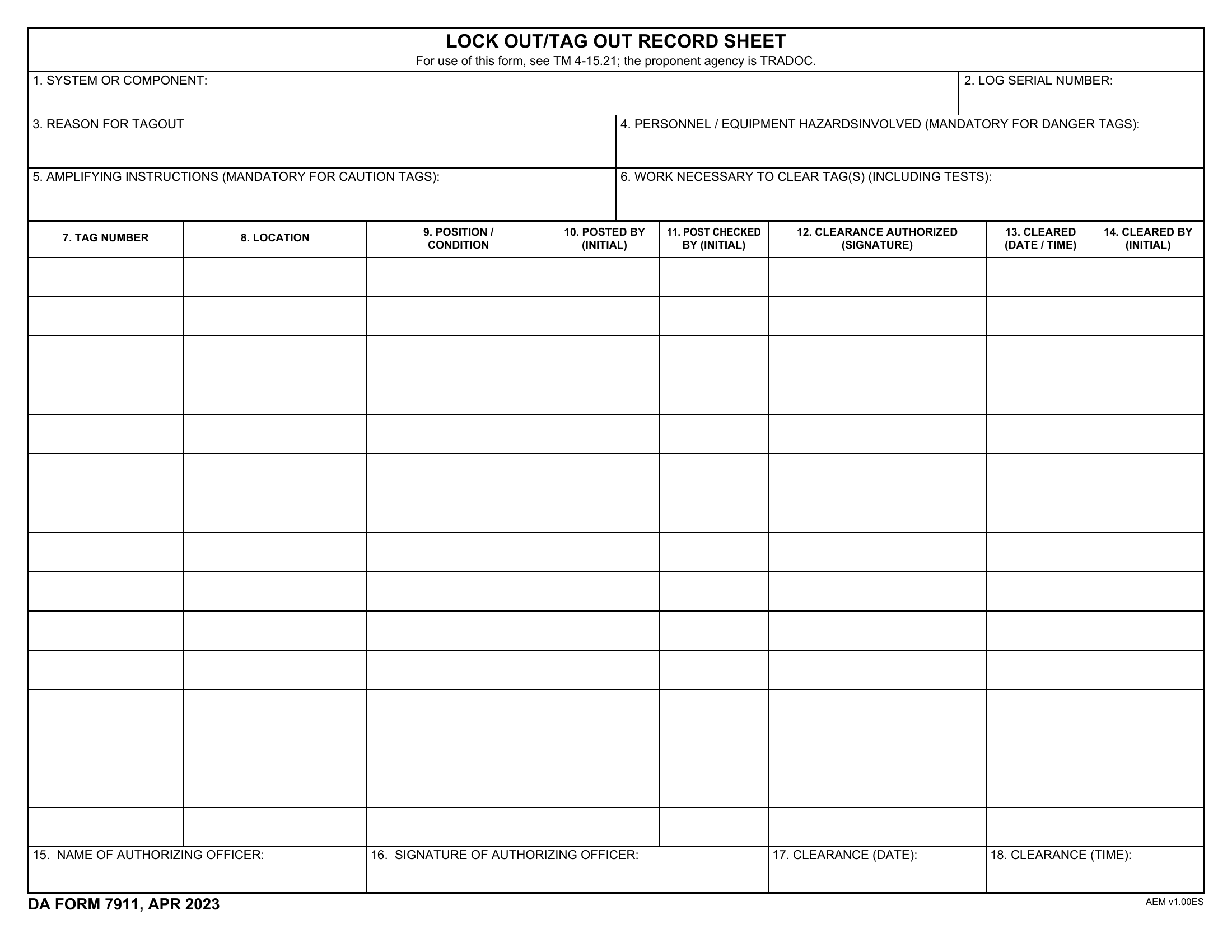
- Document attendance and topic for records
Don’t aim for perfection—aim for clarity and consistency. One well-executed talk per month beats four rushed ones.
Remember: LOTO isn’t just about compliance. It’s about ensuring every worker goes home the same way they arrived—whole and unharmed.
Frequently Asked Questions
What is the purpose of a lockout tagout toolbox talk? It reinforces energy control procedures, addresses real-world risks, and promotes a proactive safety culture through brief, focused discussions.
How often should LOTO toolbox talks be held? At minimum, monthly. More frequently in high-risk environments or after incidents, near-misses, or procedural changes.
Can tagout alone be used without lockout? Only when energy isolation cannot be physically locked. Tagout alone is less secure and requires additional safeguards and training.
Who should lead a LOTO toolbox talk? Supervisors, safety officers, or experienced technicians. Rotating facilitators can improve engagement and perspective.
What should be included in a LOTO toolbox talk? A clear topic, real example or incident, open discussion, key safety points, and a specific action step for the team.
How do you ensure employee participation? Ask direct questions, use relatable scenarios, and make it interactive. Avoid lectures. Encourage stories and concerns.
Are toolbox talks required by OSHA? Not explicitly, but OSHA requires employee training and periodic inspections under 29 CFR 1910.147. Toolbox talks are a proven method to meet these requirements effectively.
FAQ
What should you look for in Lockout Tagout Toolbox Talk Essentials for Workplace Safety? Focus on relevance, practical value, and how well the solution matches real user intent.
Is Lockout Tagout Toolbox Talk Essentials for Workplace Safety suitable for beginners? That depends on the workflow, but a clear step-by-step approach usually makes it easier to start.
How do you compare options around Lockout Tagout Toolbox Talk Essentials for Workplace Safety? Compare features, trust signals, limitations, pricing, and ease of implementation.
What mistakes should you avoid? Avoid generic choices, weak validation, and decisions based only on marketing claims.
What is the next best step? Shortlist the most relevant options, validate them quickly, and refine from real-world results.