Every year, preventable tool-related injuries occur across construction sites, workshops, and industrial facilities—despite the availability of simple, proven safety practices. The root cause? A breakdown in communication. That’s where a well-structured tool safety toolbox talk becomes critical. It’s not just another meeting—it’s a frontline defense against cuts, electrocution, crush injuries, and long-term workplace harm.
A toolbox talk should be short (5–10 minutes), focused, and practical. When centered on tool safety, it reinforces daily habits, highlights overlooked risks, and keeps safety culture alive. This guide delivers a comprehensive blueprint for planning, delivering, and following up on impactful tool safety discussions—complete with real-world applications and common pitfalls to avoid.
What Is a Tool Safety Toolbox Talk?
A tool safety toolbox talk is a brief, informal safety meeting conducted before work begins. Focused specifically on tools—hand, power, pneumatic, or heavy equipment—it aims to:
- Refresh workers’ memory on safe handling procedures
- Introduce or reinforce proper PPE use
- Identify hazards associated with specific tools on-site
- Encourage open dialogue about near-misses or unsafe conditions
Unlike formal training, toolbox talks are conversational. They are most effective when delivered regularly and tailored to the day’s tasks. For example, if a crew is using angle grinders, the talk should focus on guarding, kickback risks, and eye protection—not general housekeeping.
These meetings aren’t about reading from a script. They’re about engagement. A successful talk ends with every worker able to answer: What’s one safety step I need to take today when using my tools?
Why Tool Safety Talks Matter More Than You Think
Many incidents stem from complacency. A worker has used a circular saw 500 times without issue—so on day 501, they skip checking the blade guard. That’s when accidents happen.
Tool safety toolbox talks break the cycle of routine-driven risk. They serve as:
- Pre-task mental resets – Shift focus from "getting it done" to "getting it done safely."
- Error catchers – Reveal faulty equipment or improper setups before work begins.
- Culture builders – Show teams that safety isn’t a top-down mandate, but a shared responsibility.
According to OSHA, nearly 80% of hand and power tool incidents are preventable with proper training and awareness. Yet, many jobsites skip daily safety discussions or treat them as box-ticking exercises. That’s a missed opportunity—and a liability.
Real-world example: A framing crew began their day using nail guns without discussing safety. One operator failed to engage the sequential trigger, leading to a double-fire incident that injured a coworker. A 7-minute talk on nail gun safety could have prevented it.
Core Elements of an Effective Tool Safety Talk
To maximize impact, every toolbox talk should include these five components:
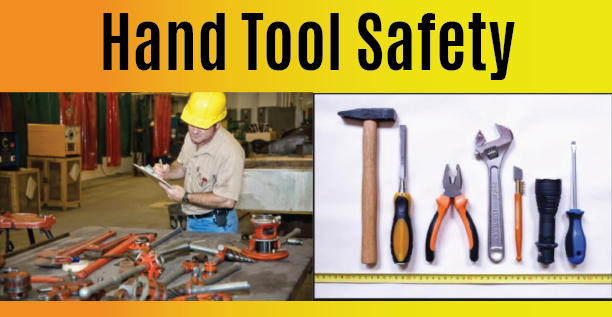
#### 1. Clear Focus on a Specific Tool or Risk Avoid broad topics like “tool safety.” Instead, drill down: “Safe Use of Cordless Impact Wrenches” or “Preventing Kickback with Circular Saws.” Specificity drives relevance.
#### 2. Visual or Physical Demonstration Hold up the tool. Show the guard, trigger lock, or dust shield. Demonstrate proper grip. Seeing is believing—and remembering.
#### 3. Hazard Identification Ask: What could go wrong? Common answers: - Unguarded moving parts - Damaged cords or hoses - Improper grounding (for electrical tools) - Using the wrong tool for the job (e.g., using a screwdriver as a chisel)
#### 4. PPE Review Match the tool to required gear. Example: - Angle grinder → Face shield, hearing protection, gloves, flame-resistant clothing - Drill → Safety glasses, gloves (if no rotating risk)
Never assume PPE knowledge is universal.
#### 5. Open Discussion End with: Has anyone seen something unsafe with this tool recently? This invites real-time feedback and builds psychological safety.
Common Mistakes That Undermine Tool Safety Talks
Even with good intentions, many teams sabotage their own efforts. Watch for these red flags:
| Mistake | Consequence | Fix |
|---|---|---|
| Reading from a generic script | Workers tune out | Customize to the day’s tools and tasks |
| Skipping attendance or follow-up | No accountability | Keep a sign-in log and assign action items |
| Talking at the team, not with them | Low engagement | Ask questions, invite stories |
| Ignoring near-misses | Missed learning opportunities | Document and discuss incidents |
| Conducting talks in poor conditions (e.g., loud, rushed) | Poor retention | Choose a quiet time and space |
One superintendent admitted: “We did toolbox talks every Monday, but never followed up. Workers started calling them ‘talking shows.’” The fix? Rotate talk leaders weekly and assign one safety observation per crew member to report back.
Top 5 Power Tools That Need Regular Safety Talks
Some tools pose higher risks due to speed, force, or complexity. Prioritize talks around these:
- Angle Grinders
- - Risks: Kickback, flying debris, wheel disintegration
- - Safety focus: Guard positioning, wheel inspection, side-handle use
- Circular Saws
- - Risks: Kickback, blade contact, dust inhalation
- - Safety focus: Blade depth, riving knife, secure workpiece
- Nail Guns
- - Risks: Double-firing, accidental discharge
- - Safety focus: Sequential trigger vs. contact trip, muzzle control
- Drills and Impact Drivers
- - Risks: Binding, bit slippage, torque reaction
- - Safety focus: Chuck tightness, one-hand rule, bit selection
- Reciprocating Saws
- - Risks: Blade breakage, material snagging
- - Safety focus: Blade clamping, controlled pressure, PPE
Rotate these topics monthly—or whenever the tool appears on-site. Pair each with a quick quiz: “What’s the first thing you check before starting a grinder?”
Integrating Tool Safety Talks Into Daily Workflow
Success isn’t about perfection—it’s about consistency. Build talks into your routine with these steps:

- Schedule Them Early
- Hold talks before tools are issued or fuel is dispensed. Tie them to existing rhythms like roll calls or equipment checkouts.
- Rotate Talk Leaders
- Empower junior crew members to lead. It develops ownership and uncovers blind spots.
- Use Visual Aids
- Print one-page guides with tool-specific hazards and safety steps. Post them near tool storage.
- Link to Maintenance Logs
- If a tool was serviced yesterday, mention it in the talk. “The table saw blade was replaced—check alignment before use.”
- Follow Up
- Do a quick walk-through an hour into the shift. Look for correct PPE, tool handling, and adherence to talk points.
One electrical contractor reduced tool incidents by 60% in six months by assigning a “safety observer” each week—someone tasked with watching for unsafe tool use and reporting back at the next talk.
Real-World Toolbox Talk Script: Angle Grinder Safety
Duration: 7 minutes Participants: 6 ironworkers preparing to cut rebar
Leader: “Today’s talk is on angle grinders. We’ve got two in use today. Let’s make sure we’re using them right. First—what’s the biggest danger with this tool?” (Wait for responses: sparks, kickback, flying pieces)
Leader: “Right. Kickback is deadly. It happens when the wheel binds and throws the tool back at you. How do we prevent it?” (Prompt: use both hands, correct guard position, don’t force the cut)
Demonstration: Holds grinder, shows side handle attached, guard adjusted to 90°, wheel spinning freely. “Always do a run-up test—let it spin for 30 seconds before cutting.”
PPE Check: “Eyes? Faces? Ears? Gloves? Are your clothes tight? No loose sleeves near the wheel.”
Close: “Final tip: Never use the side of the wheel. Only the face. If you see someone doing it wrong—say something. Safety’s on all of us.”
Making Tool Safety Stick Beyond the Talk
A great toolbox talk doesn’t end when the crew disperses. Reinforce it with:
- Safety spot checks – Supervisors observe tool use and give real-time feedback
- Photo logs – Share images (good and bad) in weekly safety meetings
- Tool buddy system – Pair workers to watch each other’s habits
- Anonymous reporting – Allow workers to report unsafe tools or behaviors without fear
One fabrication shop introduced “Tool Tag” cards—color-coded stickers indicating a tool passed inspection. Workers won a coffee card if they caught a missing tag. Incident rates dropped 45% in three months.
Tool safety isn’t just about rules. It’s about habits. And habits are shaped by repetition, reinforcement, and accountability.
Hold your next tool safety toolbox talk not because you have to, but because your team’s well-being depends on it. Pick one tool, gather your crew, ask real questions, and make safety a conversation—not a lecture. Do this consistently, and you won’t just check a compliance box—you’ll build a culture where every worker goes home safe.
FAQ
What should you look for in Tool Safety Toolbox Talk: Essential Guidelines for Every Team? Focus on relevance, practical value, and how well the solution matches real user intent.
Is Tool Safety Toolbox Talk: Essential Guidelines for Every Team suitable for beginners? That depends on the workflow, but a clear step-by-step approach usually makes it easier to start.
How do you compare options around Tool Safety Toolbox Talk: Essential Guidelines for Every Team? Compare features, trust signals, limitations, pricing, and ease of implementation.
What mistakes should you avoid? Avoid generic choices, weak validation, and decisions based only on marketing claims.
What is the next best step? Shortlist the most relevant options, validate them quickly, and refine from real-world results.